- English
- French
- German
- Portuguese
- Spanish
- Russian
- Japanese
- Korean
- Arabic
- Greek
- German
- Turkish
- Italian
- Danish
- Romanian
- Indonesian
- Czech
- Afrikaans
- Swedish
- Polish
- Basque
- Catalan
- Esperanto
- Hindi
- Lao
- Albanian
- Amharic
- Armenian
- Azerbaijani
- Belarusian
- Bengali
- Bosnian
- Bulgarian
- Cebuano
- Chichewa
- Corsican
- Croatian
- Dutch
- Estonian
- Filipino
- Finnish
- Frisian
- Galician
- Georgian
- Gujarati
- Haitian
- Hausa
- Hawaiian
- Hebrew
- Hmong
- Hungarian
- Icelandic
- Igbo
- Javanese
- Kannada
- Kazakh
- Khmer
- Kurdish
- Kyrgyz
- Latin
- Latvian
- Lithuanian
- Luxembou..
- Macedonian
- Malagasy
- Malay
- Malayalam
- Maltese
- Maori
- Marathi
- Mongolian
- Burmese
- Nepali
- Norwegian
- Pashto
- Persian
- Punjabi
- Serbian
- Sesotho
- Sinhala
- Slovak
- Slovenian
- Somali
- Samoan
- Scots Gaelic
- Shona
- Sindhi
- Sundanese
- Swahili
- Tajik
- Tamil
- Telugu
- Thai
- Ukrainian
- Urdu
- Uzbek
- Vietnamese
- Welsh
- Xhosa
- Yiddish
- Yoruba
- Zulu
What Causes Porosity in Brass Castings?
Brass castings are susceptible to porosity from gas entrapment, metal shrinkage on solidification, or the inability of the liquid metal to feed heavy sections. High pouring temperatures, wet molds, weak gates, and turbulent filling all increase the risk. Hydrogen dissolves readily in molten metal and will form bubbles in the copper casting as the alloy freezes. Shrinkage leaves areas where the alloy does not reach, creating voids. Each grade will react differently to heat and oxidation. Brass is a copper zinc alloy. These defects can be avoided by using cleaner melts, drier molds, better gates, and proper inspection. This guide is for the purchasing manager, quality engineer and product developer who buys copper castings for kitchen appliances. A single hidden pore can lead to leaks, rough surfaces, rejected batches, and late shipments. Here are the types, causes, tests and prevention steps. How Rongbao Enterprise uses gravity casting to make an H62 kitchen part.
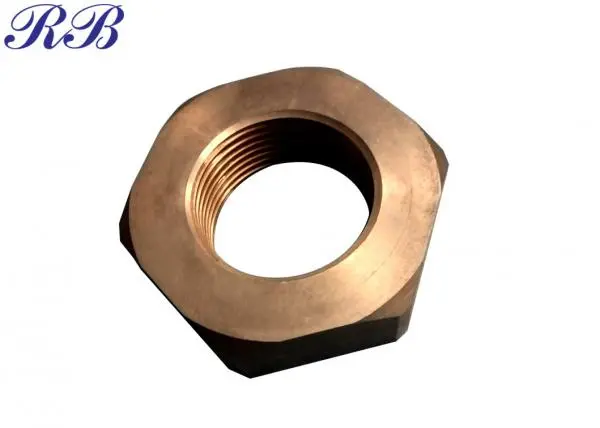
The Main Types of Porosity Found in Brass Castings
Gas Porosity
Gas pores are round holes with smooth walls. Hydrogen is usually the culprit. At high temperatures molten copper alloys can break down hydrogen, but solid metal contains much less of it. The extra gas leaves the solution and forms bubbles as it freezes. That hydrogen is from the water in sand, cores, coatings or damp charge material. Gas holes also result from air being entrapped during turbulent pouring. These pores are mostly just under the skin of the casting, so you don't see them until CNC cutting opens a hole in them. The best way of avoiding this defect in copper castings is to have a clean, dry melt process.
Shrinkage Porosity
The porosity of shrinkage looks different. The holes in it are rough, angular, and sometimes shaped like branches. Since metal shrinks when it goes from liquid to solid, the last part to freeze needs more liquid to fill the space. That supply is often missing from thick bosses, junctions, and hot spots that are far apart. The void stays inside the part when a riser freezes too early, or a gate is in the wrong place. It's called micro-shrinkage, and it can leave a leak path through a wall that looks fine. The most dangerous parts in copper casting are those that need to be pressure-tight, like water fittings.
Surface Porosity and Combined Defects
After the part has been machined, surface pores, pinholes, and blowholes show up on the outside or get bigger. It's harder to figure out what the cause is when pores show up with oxide films, inclusions, cold shuts, or hot tears. A hole with an oxide skin usually means that the filling is rough, while a hole close to a thick part means that there is a problem with the feeding. That's why I think you should look at the process record along with the pore shape, location, and spread instead of just looking at it quickly. Copper casting kitchen components with a shot-blasted finish look bad when they have surface pores.
What Causes Porosity in Brass Castings?
Moisture, Hydrogen, and Dirty Charge Material
The most common source of gas is water. Wet sand, cores, ladles, and oily or corroded scrap all give off water vapor that reacts with molten metal and leaves behind hydrogen. Dross and oxide films are add-ons that make it hard for gases to escape and make it hard for metal to flow. Brass adds another twist: zinc boils at 907 °C, so melting it too quickly makes zinc fumes and unstable conditions. This risk is cut early in foundries that dry ladles, heat tools, and sort clean charge material. In copper casting, I think of the melt shop as the first quality gate because gas that has already formed can't be taken out in any other step.
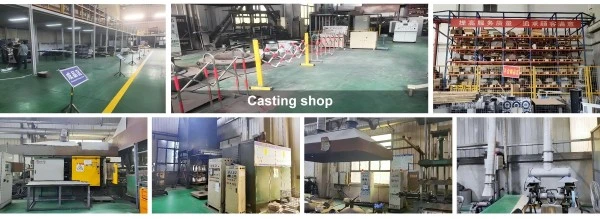
Pouring Temperature, Turbulence, and Gating
The balance is set by the pouring temperature. When metal gets too hot, it takes in more gas and rusts more quickly. When metal gets too cold, it freezes before it can fill in gaps and trap air. The oxide film on the surface is torn apart by turbulent flow, which folds air into the stream. A lot of the time, gates are used here. If the gate is too small, too steep, or not in the right place, the metal will splash up instead of rising smoothly. Mold can't get out if the vents aren't working well and the air inside can't escape. One of the main goals of any good copper casting design is to keep the filling calm and under control.
Feeding, Section Thickness, and Alloy Composition
Even a clean, dry melt can shrink if you can't get it to feed. The metal path must remain open until the freezing process is completed. The risers have to remain liquid for a longer time than the part they feed. If the wall thickness changes fast, there are hot spots that will be frozen for a long time. The composition of the alloy is also important, with different brass grades having different freezing points and fluidities. Tin bronze and H62 (copper-zinc brass) behave differently. Smooth walls, rounded corners and chills cause the metal to freeze in a straight line from the far end to the riser. In standard foundry books like the ASM Handbook, Volume 15, this is called "directional solidification."
How to Diagnose and Prevent Porosity in Brass Castings
Inspection Methods That Find Hidden Pores
A visual inspection can find pinholes and sink marks, but it can't tell if the inside is sound. Cutting a sample casting into sections makes the shape and location of the pores clear. For parts that come into contact with water, pressure, hydrostatic pressure, or air, leak testing checks whether voids connect through a wall. X-rays and computed tomography show internal holes that can be seen without cutting, and dye penetrant testing shows flaws that are connected to the surface. Then, metallographic examination can tell the difference between shrinkage cavities and gas pores. Picking each test should be based on the part geometry and level of risk, not on habit. A good plan for inspecting copper castings uses more than one method.
Melt and Mold Controls That Reduce Porosity
Melting: The first step of prevention. “Minimize holding time and overheating. Transfer should be done without splash and charge material should be kept clean and dry. If required, the alloy should be degassed or melt treated appropriately. Moisture, permeability, core curing, venting and mold coating quality must be maintained within certain limits. Provide the gates so that the filling is smooth and provide risers or chills where thick sections require feeding. Permanent molds in gravity casting cool the metal quickly, and this often produces a finer grain structure than sand molds. Each of these steps is important, but if one is weak, it can ruin the whole thing. All are supervised by good copper casting foundries.
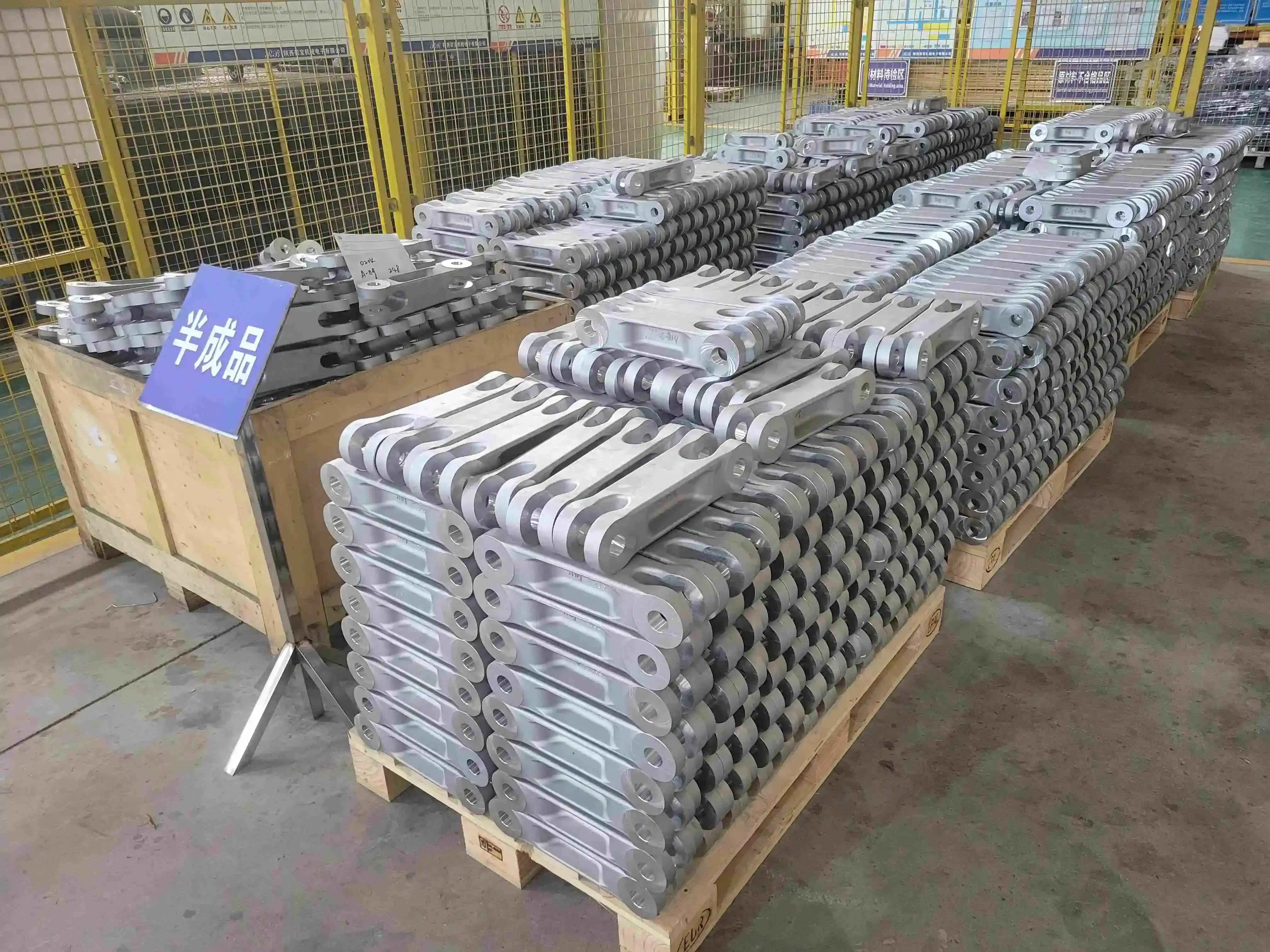
Process Validation and Traceable Records
You only need a controlled process if you can show it works again and again. First article inspection, sectioning, and pressure testing show that the new tool makes good parts before volume begins. Statistical process control tracks the magnitude and rate of errors from one lot to the next. A good team will be able to quickly tell where the defect originated by keeping records of the alloy’s make-up, the temperature it was poured at, and the results of its inspections. Batch consistency is important to brand owners, because if one lot leaks, it can cause customer complaints and returns. Anyone who wishes to buy copper castings must insist on seeing these records from any supplier before they agree to the first order.
Choosing the Right Copper Casting Method and Specifying Porosity Limits
Comparing Common Casting Methods
Different methods treat porosity differently. Sand casting is great for prototypes, small batches and big parts. But you need to watch the moisture, permeability and gating closely. Investment casting produces fine detail and requires less machining. In gravity die casting, the metal is poured into a mold that can be reused many times. The method ensures uniform production and surface quality. Centrifugal casting is used to produce some dense cylindrical parts like sleeves and bushings. Bars and tubes are made by continuous casting. Selection should be based on shape, size, pressure requirements, finish, and price. Before creating the tools, a feasibility review must determine if it is feasible. Look at the part, not the price list, before you decide on copper casting.
Why Gravity Casting Fits Small Brass Kitchen Parts
The weight of the part is .23 kg: this is a good size for gravity casting. The metal flows into the mold by its own weight, which slows down the flow more than when metal is injected quickly. The molds are re-usable for consistent results from batch to batch. The process can be used for small quantities of custom shapes. The important dimensions are processed up to size by CNC machining after casting. The surface is cleaned by shot blasting and a smooth matte finish is left. That order works well for kitchen parts where fit, look and production times all count. For small copper casting parts, first-article samples are made to verify the result is good before large orders are placed.
How to Write a Clear Porosity Specification
Before you ask for quotes, set limits on porosity. What are the operating pressure, temperature, fluid, and expected life of the part? Then list the allowed pore size, number and location, maximum leakage rate, surface requirements and allowances for cutting. Repairs like impregnation may not work for high pressure parts. Let us know if that is ok. Include drawings or 3D models with your RFQ, along with the alloy standard, the annual volume, inspection plan, packaging and the delivery terms. Learn how each supplier of copper castings controls the melting process, testing, records and corrective actions. Do not compare just the unit price. Also look at the total cost of ownership. A clear specification protects the buyer as well as the seller.
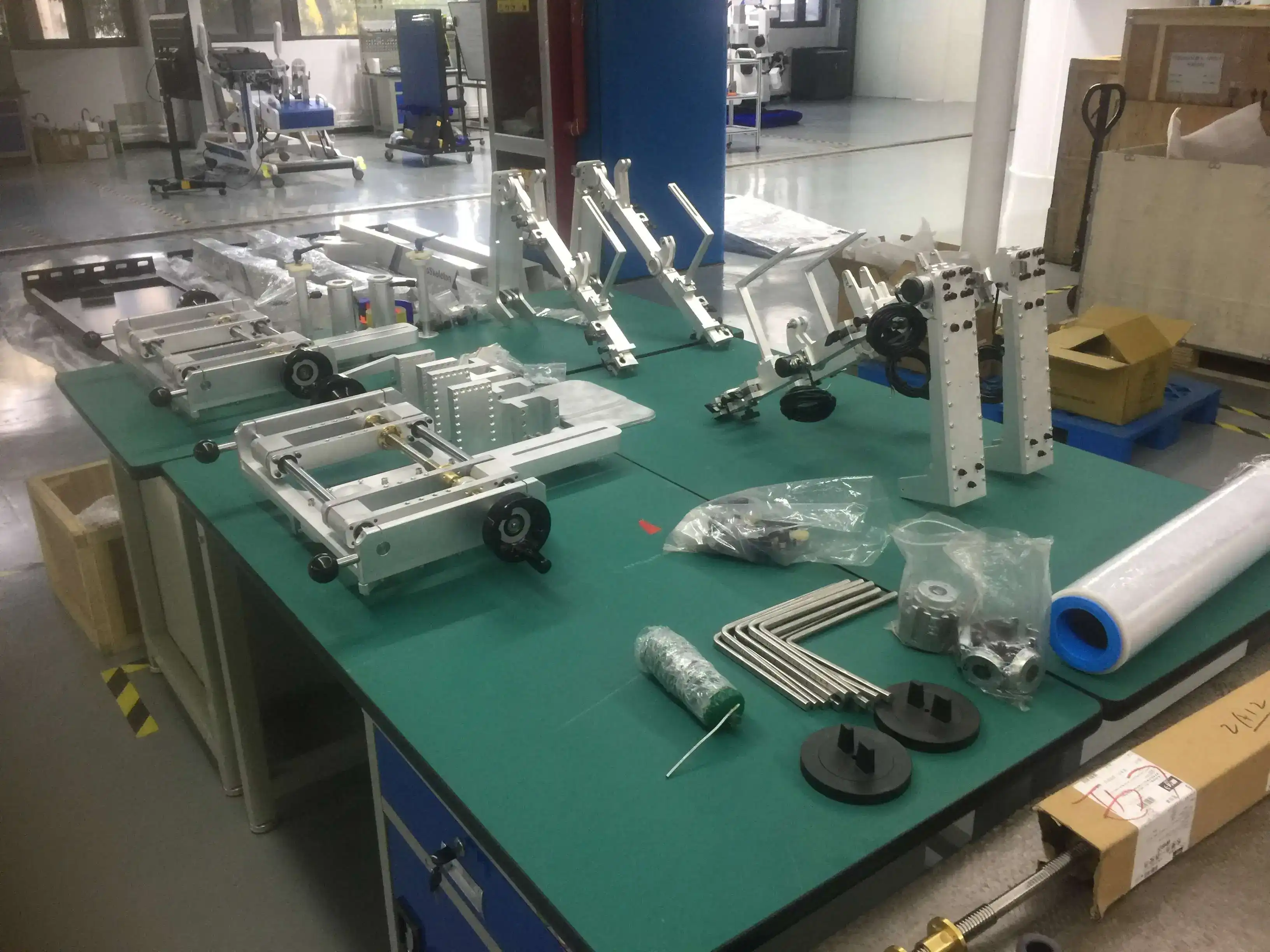
Rongbao Enterprise's H62 Brass Part for Kitchen Use
Product Specifications
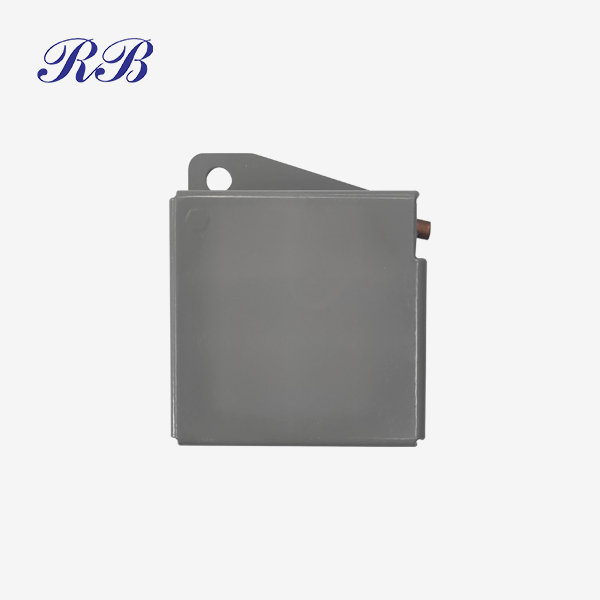
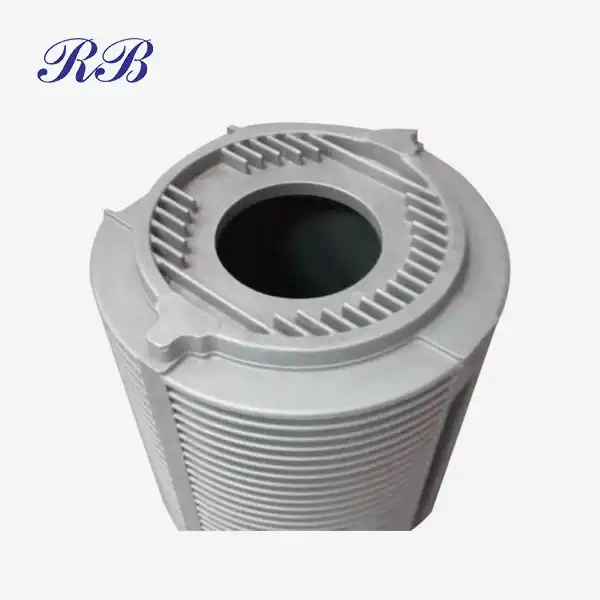
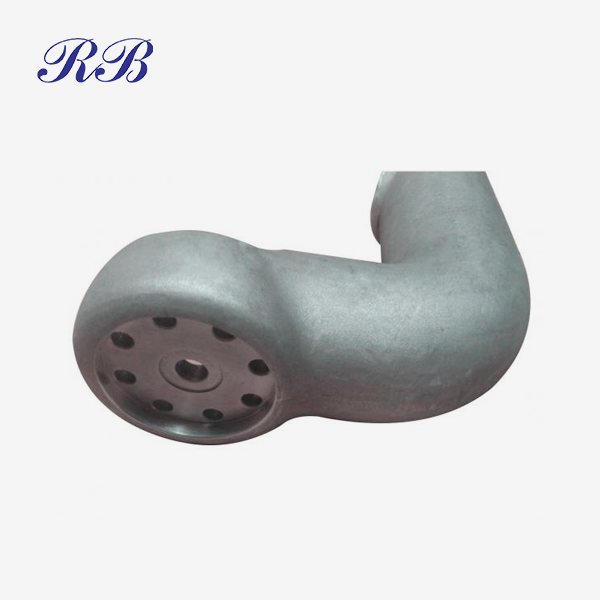
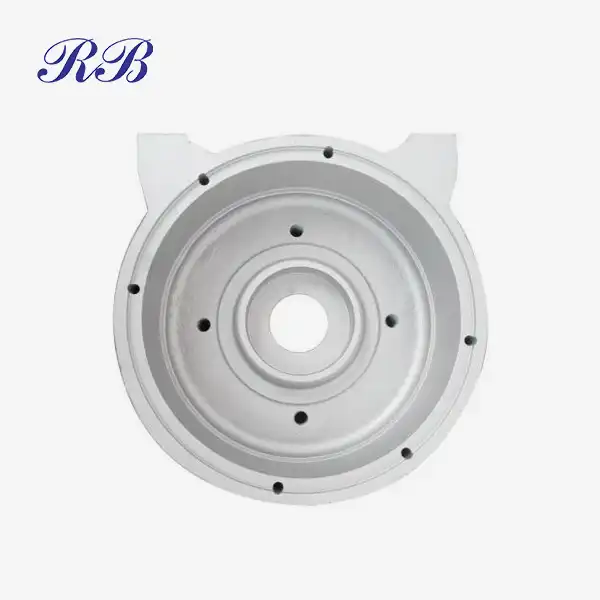
Below are the details for our H62 copper cast part. Each piece is made from H62 brass, a copper and zinc alloy, and weighs 0.23 kg. The first step in making it is gravity casting. CNC machining and shot blasting finish it off. We can do specifications based on your drawing; we can do OEM and ODM. We can produce 5000 pieces at a time and we ship in wooden boxes for easy transport. The part is from Xi'an, China and is intended for use in the kitchen. This information allows your team to make quick decisions on fit, volume and delivery plans.
Quality System and Certifications
Our porosity control system is clear and well written, as we are certified to ISO 9001:2015, ISO 14001 and ISO 45001. Quality control starts right after we get the raw materials and ends when we deliver the finished product. This means that at every stage there are inspection points. Our equipment can be used for casting, machining and testing, so that all the main steps are done in one place. We can also shape and treat the surface so that one team can take a project from design through to completion. These systems also help stabilize the quality of copper casting. “When you have a defect, it affects a lot of customers, so it’s important for brand owners,” he said. If your market requires food-contact testing, please let us know up front so that we can coordinate sample times with your lab.
Export Experience and Project Support
"We've been in this business 20 years," he said, with 70 percent of goods sold in Europe, the United States and Japan. "We have a record of exports, so we know what drawings, packaging and paperwork people in other countries want. We can do precision machining, high pressure die casting, low pressure die casting, gravity casting, and high pressure die casting, so if your part design changes, we can discuss other options. For small custom runs: Send us your drawing and the number of items you want to order and we’ll talk with you about the safety and porosity risks. Every copper casting project we do is based on our values of honesty, accuracy, new ideas and efficiency.
Conclusion
Brass castings can have holes in them for a few common reasons: trapped gas from water and turbulence, shrinkage from bad feeding in thick parts, and flaws that mix with oxide films or inclusions. So, the shape of the pores helps find the source. Pores for gas are round and smooth, while pores for shrinkage are rough and angular. Clean, dry melts, the right pouring temperature, smooth gates, the right risers, and checked process records are all parts of good control. Radiography, sectioning, and testing for leaks can all find holes that visual checks can't. The casting method should match the needs for shape, volume, and pressure. Pore limits should be set by a clear specification before the tooling starts. This article talks about an H62 kitchen part that shows how gravity casting, CNC machining, and shot blasting can all be used together in a documented workflow. Porosity is not a random event in copper casting; it is a process issue that can be controlled.
FAQ
Is porosity in brass always caused by gas?
No, the defects can be caused by things like shrinkage, poor feeding, moisture, turbulence, oxidation, and inclusions. Cutting things up and looking at them with X-rays help find the real cause.
Can porous brass castings be repaired?
Sometimes. Whether to impregnate or weld depends on where the pores are, the alloy, the service conditions, and what the customer wants. Write repair rules into the specification because repair might not work for important pressure parts.
Which test should I request for kitchen brass parts?
Pick based on risk. Every part can be checked visually and in three dimensions. Parts that touch water or hold pressure are used for sectioning, leak testing, or x-rays. Checking the first item before making a lot of them lowers the risk even more.
Does gravity casting eliminate porosity?
There is no way to do it. Even though gravity casting helps with even filling and consistent results, you still need to keep an eye on the temperature, humidity, gates, and feeding.
Request a Copper Casting Quote from Rongbao Enterprise
Rongbao Enterprise is a copper casting manufacturer with 20 years of experience. They are certified by ISO 9001, ISO 14001, and ISO 45001, and 70% of their products are sent to markets in Europe, the United States, and Japan. Send your drawing, alloy, quantity, and tolerance goals to zhouyi@rongbaocasting.com or steve.zhou@263.net, and we'll look at it, decide if it's possible, and give you a quote for your copper casting project. For more information, go to rongbaocasting.com.
References
1. Complete Casting Handbook, 2015
2. ASM Handbook, Volume 15: Casting, 2008
3. Copper and Copper Alloys (ASM Specialty Handbook), 2001
4. Foundry Technology, 2001
5. Casting Copper-Base Alloys, 2007
6. ASTM B584, Standard Specification for Copper Alloy Sand Castings for General Applications, 2014
Learn about our latest products and discounts through SMS or email