- English
- French
- German
- Portuguese
- Spanish
- Russian
- Japanese
- Korean
- Arabic
- Greek
- German
- Turkish
- Italian
- Danish
- Romanian
- Indonesian
- Czech
- Afrikaans
- Swedish
- Polish
- Basque
- Catalan
- Esperanto
- Hindi
- Lao
- Albanian
- Amharic
- Armenian
- Azerbaijani
- Belarusian
- Bengali
- Bosnian
- Bulgarian
- Cebuano
- Chichewa
- Corsican
- Croatian
- Dutch
- Estonian
- Filipino
- Finnish
- Frisian
- Galician
- Georgian
- Gujarati
- Haitian
- Hausa
- Hawaiian
- Hebrew
- Hmong
- Hungarian
- Icelandic
- Igbo
- Javanese
- Kannada
- Kazakh
- Khmer
- Kurdish
- Kyrgyz
- Latin
- Latvian
- Lithuanian
- Luxembou..
- Macedonian
- Malagasy
- Malay
- Malayalam
- Maltese
- Maori
- Marathi
- Mongolian
- Burmese
- Nepali
- Norwegian
- Pashto
- Persian
- Punjabi
- Serbian
- Sesotho
- Sinhala
- Slovak
- Slovenian
- Somali
- Samoan
- Scots Gaelic
- Shona
- Sindhi
- Sundanese
- Swahili
- Tajik
- Tamil
- Telugu
- Thai
- Ukrainian
- Urdu
- Uzbek
- Vietnamese
- Welsh
- Xhosa
- Yiddish
- Yoruba
- Zulu
How to Improve Corrosion Resistance in Aluminum Sensor Covers?
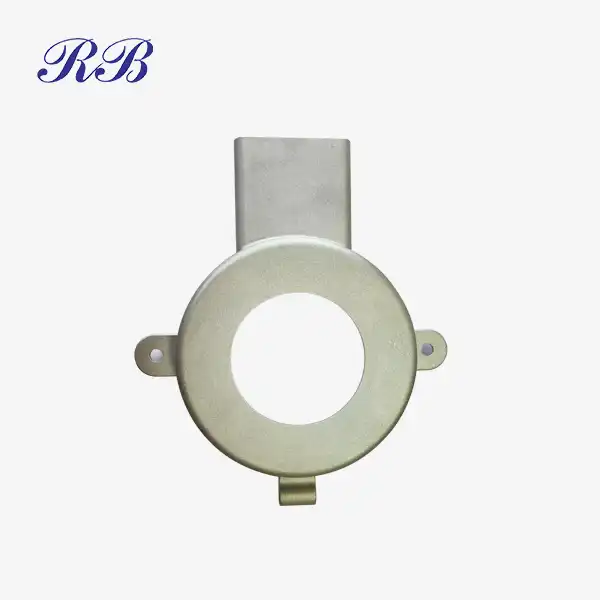
First, determine what the aluminum sensor cover will be used for. Then make sure the alloy, shape, finish, seals and fasteners are all appropriate for that environment. I pick an alloy that I know the limits of, add drainage so the water doesn’t build up on the part, and keep aluminum away from dissimilar metals. Then I select a finish that will work with the exposure, clean the job and packaging, and run salt spray, ingress, and vibration tests to make sure the job was done right. This guide is for people who want to buy mining or heavy equipment and need a sensor cover or some other type of protective casting that can handle dust, water, and shaking.
Introduction: Why Corrosion Resistance Matters and What Causes It in Aluminum Sensor Covers
Main Corrosion Risks on Mining Equipment
The electronics, connectors, and wiring are sealed in an aluminum sensor cover to protect against water, dust, chemicals, and vibration. Aluminum immediately forms a thin layer of natural oxide when it comes into contact with air. This movie is its first line of defense. Pits can form when the film breaks down due to air from the coast or de-icing chemicals. As the temperature changes, condensation forms, adding water to the interior of the housing. Dust gets into the cracks of a mining vehicle and holds water against the metal. Pitting will reach a sealing or fastening surface and when it does, the cover leaks and hurts the sensor behind it. I don’t see corrosion as only a cosmetic problem but as a service life and a sealing problem.
Root Causes in Environment and Design
There are many causes of corrosion. Surface damage is accelerated by constant wetness, cleaning chemicals, changing temperatures and UV light. Then the damage can begin if the design is flawed. Localized attack sites are formed by things like watertight recesses, sharp edges, exposed threads, scratches and improper gasket faces. Casting is different because cast parts can have small pores and CNC machining can make pores appear just below the surface. The first thing I do is check over the drawing for where dust or water might collect. In general, a good, smooth-edged, well-draining sensor cover will last longer than a better coating but bad shaped one.
Galvanic Corrosion at Mounting Points
When aluminum comes into contact with a more valuable metal, like copper or stainless steel, and an electrolyte like salty water is present, galvanic corrosion takes place. Aluminum rusts first because it is the less noble metal. Area ratio is important. Most of the time, a small stainless steel bolt on a big aluminum cover is safer than a small aluminum part clamped by big steel parts. The ASTM G71 standard gives a way to judge galvanic corrosion tests. In real life, I suggest using washers, sleeves, or sealant to separate each contact between two different metals and keeping those joints dry. This simple step will keep the mounting points of a sensor cover safe.

Choose the Right Alloy, Design, and Surface Treatment
What ADC12 Offers and Where It Needs Help
ADC12 is an aluminum die casting alloy used in our oil tank cover for mining equipment vehicles. The JIS H5302 contains between 9.6 and 12 percent silicon and between 1.5 and 3 percent copper. Silicon is easy to cast and keeps its shape well, which is good for making shapes the same every time. Copper makes it stronger, but less resistant to corrosion, compared to low-copper alloys. Therefore, ADC12 must be carefully designed and finished for use in wet or salty conditions. This trade-off is clear for buyers, and they should understand it. The same rules apply for any sensor cover made from ADC12. Cost is good, strength is good, but corrosion resistance is a function of the specific alloy.
Drainage-Focused Geometry and Early Supplier Input
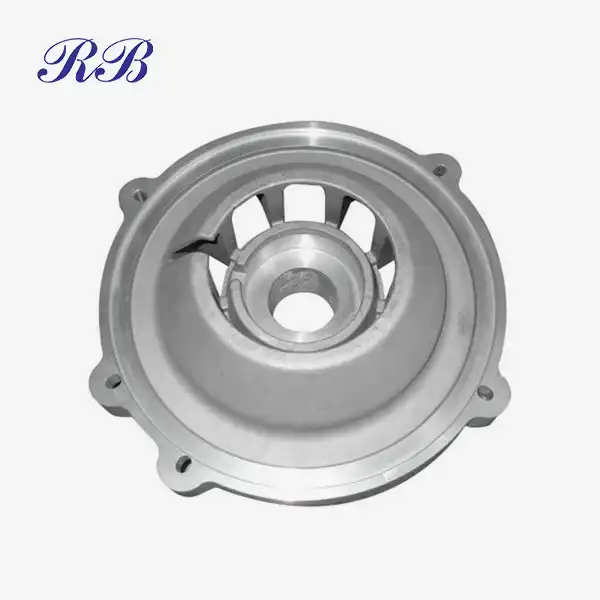
Water goes where geometry tells it to go. I like sloping surfaces, not too large drains, rounded edges, and as few pockets as possible. Gasket lands, holes and threads need special attention because coatings are usually thinner and tolerances tighter in these areas. With Rongbao Enterprise's mold development service, we can see the wall thickness, draft, and parting lines before cutting the tooling. This early review also confirms the need for masking and illustrates how finishing changes the size of things. We use gravity casting, high pressure die casting and low pressure die casting as our casting routes. Gravity casting is the pouring of the metal into a permanent mold. This method produces a smooth surface and accurate measurements, which is good for a cast cover with tight sealing faces.
Matching the Surface Treatment to the Exposure
Make sure the finish matches the light. Oil tank cover, CNC machined and polished. Polishing makes the surface smooth so that dust and water slide off easily and it is easy to clean. It does not, however, add a protective layer, so the natural oxide film does its work. When I do quote I mention other options for sites that are wetter or saltier. It builds up the oxide film. ASTM B580 and MIL-A-8625 both cover anodic coatings. Wrought alloys tend to anodize with a brighter, more uniform look compared to die-cast alloys like ADC12 which contain a lot of silicon. Barrier protection is provided by powder coating and chemical conversion coatings, but they must be well covered and masked around edges. Rongbao Enterprise also provides surface treatment as a value-added service for each sensor cover project.
Improve Sealing, Assembly, and Handling
Gaskets and Ingress Protection
The sensor cover may not rust, but water will get through the seal and cause it to fail. Select a gasket that will survive the conditions it will be exposed to. If you’re going to be around fuel or hydraulic oil, nitrile or fluorocarbon rubber is a better choice than EPDM because they don’t react poorly to weather. You can alter the size, flatness and compression of the grooves to make sure that the seal remains in place during vibration and temperature changes. IP ratings are defined in IEC 60529. One example is IP67, which means it is dust tight and can be submerged for a short time. I think you should test the whole assembly, not only the cover. The seal, fasteners and connectors decide what the real result is.
Fasteners and Cable Entries
Even though fasteners are small, they often cause the damage. Use hardware that works with aluminum and add isolating washers, thread sealant, or anti-seize compound where metals that don't mix. Make sure that the drains keep water away from the bolt heads. Care must be taken with all cable glands, feedthroughs, and connectors because water can enter the housing through the cables. When the layout allows, drip loops help. Joints that aren't properly torqued can come loose in mining service because of vibration. This lets dust and water in. I think that torque values should be printed on the drawing so that the same thing happens on every assembly line.
Cleanliness in Machining, Packaging, and Installation
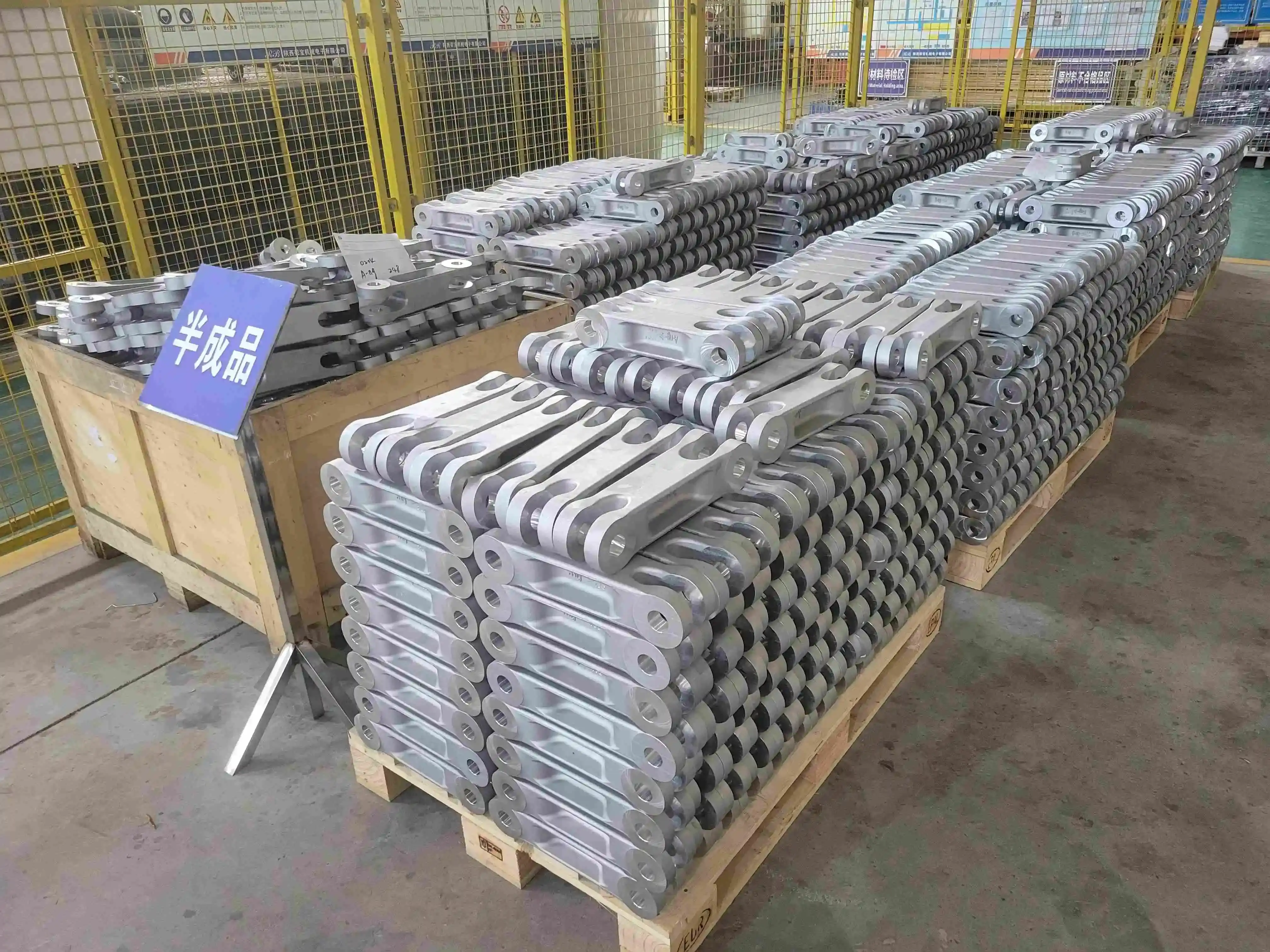
Contamination during production causes failures that cannot be cured by coating. Clean, rinse and thoroughly dry the part to remove cutting oils, metal chips and dust after CNC machining. Do not put steel bits on aluminum as any iron caught will rust and pit the aluminum. We ship our parts in wood boxes so that they don't get damaged by impact. It is also possible, at request, to insert non-abrasive dividers and moisture-sensitive packing inside the box. Installers must use approved fasteners, torque values and sealants at the job site. They should also look for scratches, check the condition of the gaskets and inspect the drainage paths. These are low-cost habits that help keep every sensor cover safe before it reaches the machine.
Validate Corrosion Resistance Before You Approve a Supplier
Choose Tests That Match the Application
Durability is not something you can tell from looks alone. First, write the acceptance criteria, exposure time, humidity, temperature, salt, and chemicals. The typical screening method is a neutral salt spray test in accordance with ASTM B117, which is widely used in the US, or ISO 9227. It is a quick test and does not give the exact field life. The cyclic corrosion, humidity, condensation, UV light, and thermal cycling tests help to make it more realistic. Mining buyers often test samples for vibration and impact before accepting them so I would suggest testing the same sensor cover sample for corrosion at the same time. After these stresses, the seal is checked for gaps according to IEC 60529 standards.
What to Inspect After Testing
Look beyond the flat faces post exposure. Look for pitting, blistering, coating delamination and edge corrosion. If something is going to break you want to pop the cover off and check the internal surfaces, threads, mount points and gasket seat. The results should be compared not by overall impression but by the agreed acceptance criteria. It is important to re-measure the sizes because coatings and polishing can change the tolerances at the sealing faces. Look for cracking from vibration, which is a common problem in mining, around bosses and where thin-to-thick transitions occur, where stress builds up. Engineers and quality teams can use a written inspection list to make sure all sensor covers are held to the same high standards.
Documentation and Traceability
Test scores are more helpful when backed up by records. You should ask for material certificates, coating records, inspection reports and the ability to trace each batch for each lot. Rongbao Enterprise is ISO 9001: 2015, ISO 14001 and ISO 45001 certified. We check everything from the raw materials that come in to the finished products that are delivered. Even with systems that can process consistent batches, buyers need to ask to see the individual records related to their order. “Consistency is important because each batch of standardized mining equipment has to be the same as the last. A pilot run is also a good way to ensure the process works before you go to volume. This oil tank cover cannot be produced in quantities greater than 50,000.

Match the Strategy to Your Project and Choose the Right Supplier
Strategy by Environment
Standard industrial covers typically require solid metals, drainage, a working finish and dependable quality. Chlorides and UV rays are added to coastal or outdoor gear, so it is necessary to pay more attention to multi-layer protection and compatibility of fasteners. Cleaning chemicals and washdown areas require attention to the cleaning agents, concentration, temperature and frequency. Mines are really dusty and vibrate a lot so the way the joints are designed and sealed is as important as the finish. I think you should put the real threats at the top of the list and spend the money where the risk is greatest. Specs for a sensor cover on an indoor dry panel and one on a haul truck should not be the same.
OEM/ODM Customization and Capacity
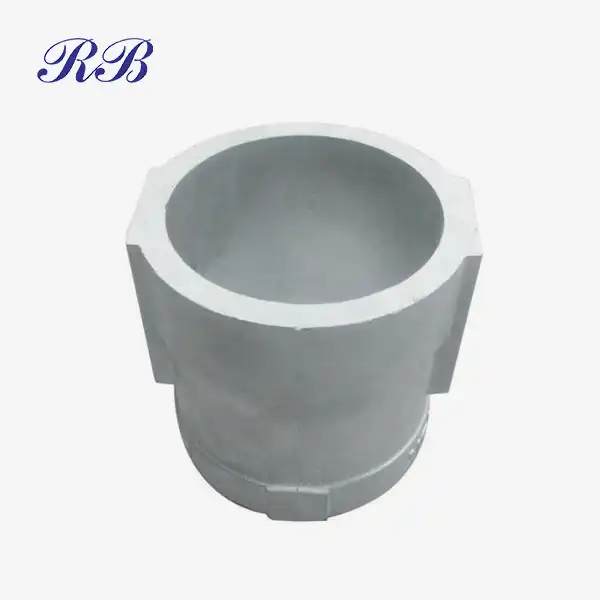
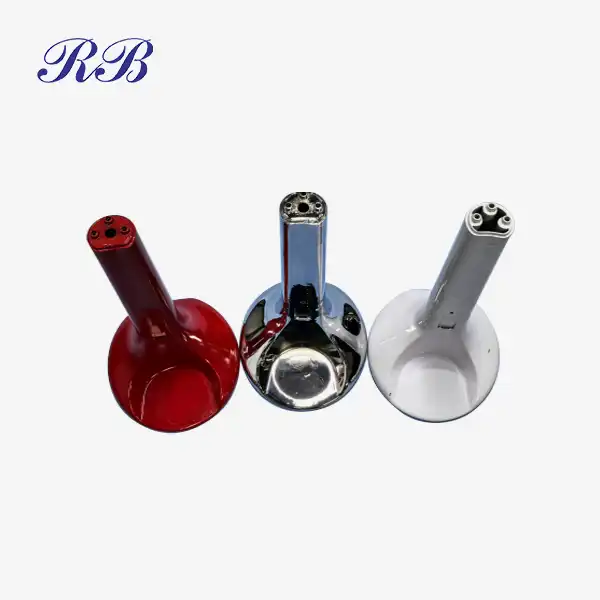
There are many different styles of mining vehicles, so one drawing doesn’t always work for all of them. Rongbao Enterprise can provide OEM and ODM production according to your specific needs. The oil tank cover of mining equipment vehicles we sell weighs 0.28 kg and is made of aluminum alloy in Xi'an, China. It is then CNC machined and polished to completion. We do everything from design to finished product. We make molds, do precision machining, high pressure, and gravity casting and finish the surface. About 70 percent of our goods go to places like Europe, the United States and Japan. We know what international buyers want. Wooden boxes are used for safety in shipping.
Supplier Selection Checklist
Here are three things I look for in a supplier of a corrosion-resistant sensor cover:
-
Technical capability: Confirm the alloy, casting route, machining method, surface treatment, coating thickness, and edge and thread protection. Ask whether the supplier reviews your drawing for drainage problems before tooling starts, and which validation tests it can run or arrange for your application, such as salt spray, vibration, and ingress protection testing.
-
Quality control: Ask about pretreatment control, adhesion inspection, batch traceability, nonconformance handling, and pilot production. Request copies of management system certificates, and ask how inspections run from incoming raw material to finished product, so you can judge consistency across lots before you place the first purchase order or approve any samples.
-
Commercial terms: Review minimum order quantities, prototype pricing, lead times, international packaging, and engineering-change procedures. Ask who answers technical questions after delivery and how fast, because slow support can stall an assembly line as much as a late shipment can. Also confirm how the supplier handles drawing revisions during a program.
These checks help you compare more than just unit price. They also help you compare corrosion performance, sealing, capacity, and total cost of ownership.
Conclusion
A sensor cover made of aluminum is resistant to corrosion because of the whole system, not just one coating. Most damage is caused by water, chlorides, trapped water, and metals that are not compatible with each other. Drainage, rounded geometry, and galvanic isolation lower these risks. ADC12 is strong and easy to cast, but because it contains copper, it needs to be designed and finished carefully. Anodizing or coatings are better for rougher environments, while polishing makes the surface smooth. The seal stays in place thanks to the right gaskets, fasteners that work with them, clean machining, and protective packing. Salt spray, water getting in, vibration, and inspection results backed up by records that can be tracked down show if a design will work. When it comes to mining equipment, keeping the cost and durability in check means making sure the specs match the real dust, vibration, and moisture conditions.
FAQ
Can anodizing make an aluminum sensor cover completely corrosion-proof?
No, even though anodizing makes the oxide layer thicker and stronger, chlorides, deep scratches, and bad sealing can still damage the metal. High-silicon alloys like ADC12 anodize less evenly than wrought grades, so I suggest making a sample run to check the color, coverage, and quality of the edges before giving the go-ahead for production.
How do I reduce galvanic corrosion with stainless-steel fasteners?
Use washers, sleeves, or sealant to separate the metals. Drain water away from joints so they don't pool, and use hardware that works with aluminum. Once that's done, test the whole thing in conditions that are like the site, since testing just one part can hide problems with the joints.
What should I include in a quote request?
Send the drawing, the alloy and finish requirements, information about the gasket and connector, the operating conditions, the test results you expect, the volume, the packaging needs, and the delivery dates. For a custom OEM or ODM project, you should also send the engineers the model of the vehicle and the mounting layout so they can check the fit and seal.
Request a Corrosion-Resistant Aluminum Sensor Cover Solution from Rongbao Enterprise
ISO 9001:2015, ISO 14001, and ISO 45001 certifications show that Rongbao Enterprise has been making sensor covers for 20 years. Send us your drawing, information about how it will be used, the finish you want, and when you need it by, and we'll look at your alloy, machining, and packaging options. Send your question to steve.zhou@263.net or zhouyi@rongbaocasting.com by email or by going to rongbaocasting.com right now.
References
1. ASM Handbook, Volume 13A: Corrosion: Fundamentals, Testing, and Protection, ASM International, 2003
2. Corrosion of Aluminium, Christian Vargel, Elsevier, 2004
3. Aluminum and Aluminum Alloys (ASM Specialty Handbook), ASM International, 1993
4. ASTM B117, Standard Practice for Operating Salt Spray (Fog) Apparatus, ASTM International, 2019
5. ISO 9227, Corrosion Tests in Artificial Atmospheres: Salt Spray Tests, International Organization for Standardization, 2017
6. IEC 60529, Degrees of Protection Provided by Enclosures (IP Code), International Electrotechnical Commission, 2013
Learn about our latest products and discounts through SMS or email