- English
- French
- German
- Portuguese
- Spanish
- Russian
- Japanese
- Korean
- Arabic
- Greek
- German
- Turkish
- Italian
- Danish
- Romanian
- Indonesian
- Czech
- Afrikaans
- Swedish
- Polish
- Basque
- Catalan
- Esperanto
- Hindi
- Lao
- Albanian
- Amharic
- Armenian
- Azerbaijani
- Belarusian
- Bengali
- Bosnian
- Bulgarian
- Cebuano
- Chichewa
- Corsican
- Croatian
- Dutch
- Estonian
- Filipino
- Finnish
- Frisian
- Galician
- Georgian
- Gujarati
- Haitian
- Hausa
- Hawaiian
- Hebrew
- Hmong
- Hungarian
- Icelandic
- Igbo
- Javanese
- Kannada
- Kazakh
- Khmer
- Kurdish
- Kyrgyz
- Latin
- Latvian
- Lithuanian
- Luxembou..
- Macedonian
- Malagasy
- Malay
- Malayalam
- Maltese
- Maori
- Marathi
- Mongolian
- Burmese
- Nepali
- Norwegian
- Pashto
- Persian
- Punjabi
- Serbian
- Sesotho
- Sinhala
- Slovak
- Slovenian
- Somali
- Samoan
- Scots Gaelic
- Shona
- Sindhi
- Sundanese
- Swahili
- Tajik
- Tamil
- Telugu
- Thai
- Ukrainian
- Urdu
- Uzbek
- Vietnamese
- Welsh
- Xhosa
- Yiddish
- Yoruba
- Zulu
What Are Zinc Die Casting Services?
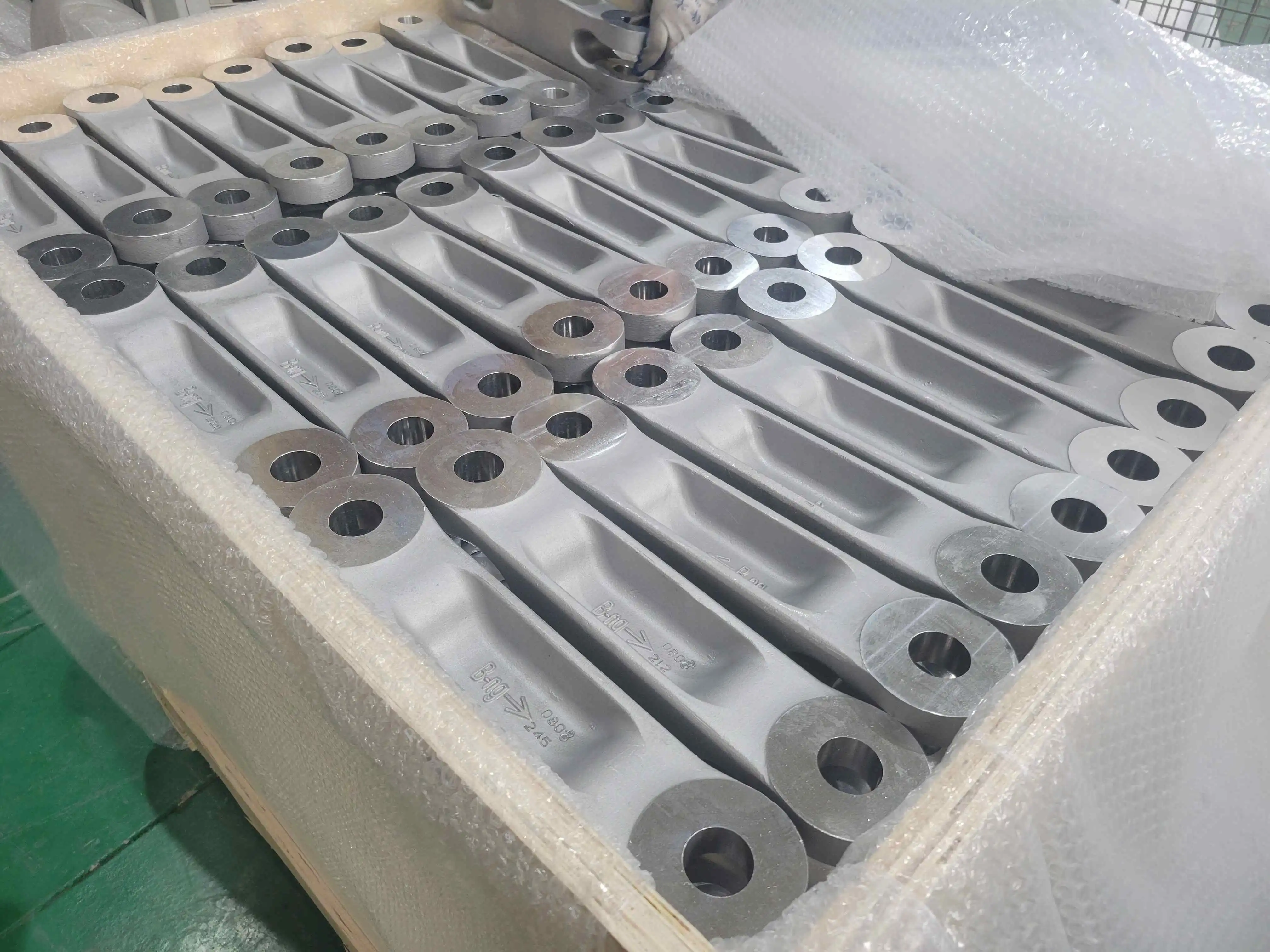
Zinc die casting services are a cheap way to make a lot of complicated metal parts that look great, last a long time, and are well-finished. Providers offer complete services that include initial design consultation, making precise tools, high-pressure casting with special alloys like Zamak, secondary machining, and final finishing steps like plating and powder coating. With this all-around method, raw zinc alloys are turned into precisely engineered parts that meet strict industry standards for use in cars, construction equipment, energy tools, and spacecraft.
Understanding Zinc Die Casting Services
The Core Process and Its Technical Advantages
When liquid zinc alloy is poured under high pressure into hardened steel molds, the process of zinc die casting services is very carefully controlled. This method gets very precise measurements, usually within ±0.002 inches, which makes it very useful when close limits are needed. Most of the time, zinc alloys like Zamak 2, 3, 5, and 7 are used because they have good mechanical properties that balance strength, ductility, and impact resistance, and they also cast well.
This method is unique because it can make thin-wall sections as thin as 0.8 mm without affecting the strength of the structure. Because zinc hardens quickly, cycle times are shorter than with aluminum. Depending on how complicated the part is, it can usually be finished in 30 to 90 seconds. This speed directly leads to more efficient production and lower costs per unit. This is especially helpful when purchasing managers have to meet strict price goals without lowering quality standards.
Material Properties That Drive Industrial Adoption
Zinc alloys are great for parts that have to deal with friction or repeated motion because they have better bearing and wear qualities. Parts that are subjected to water or mild chemicals are protected by the material's natural resistance to corrosion. This makes outdoor equipment and naval uses last longer. Zinc castings are good at getting rid of heat because they have thermal conductivity features. This makes them useful for things like computer housings and motor parts.
Zinc's dimensional stability keeps it from warping during post-casting operations, which lowers the number of rejects that quality engineers have to deal with. When providers keep process controls in check, batch-to-batch consistency stays very high. This solves the main problem that quality assurance teams have with difference. Because of these properties, technical engineers are choosing zinc more and more for uses that used to be ruled by machined brass or fabricated steel parts.
From Mold to Finished Component
The first step in production is designing the mold. Design for manufacturability standards help keep errors to a minimum. During this step, experienced suppliers work together to find the best part geometry. They look for places where draft angles, rib placement, or gate sites could stop porosity or shrinkage. For complex tooling, mold fabrication usually takes 4 to 8 weeks. This is a big upfront expense that smart buying strategies spread out over a lot of production numbers.
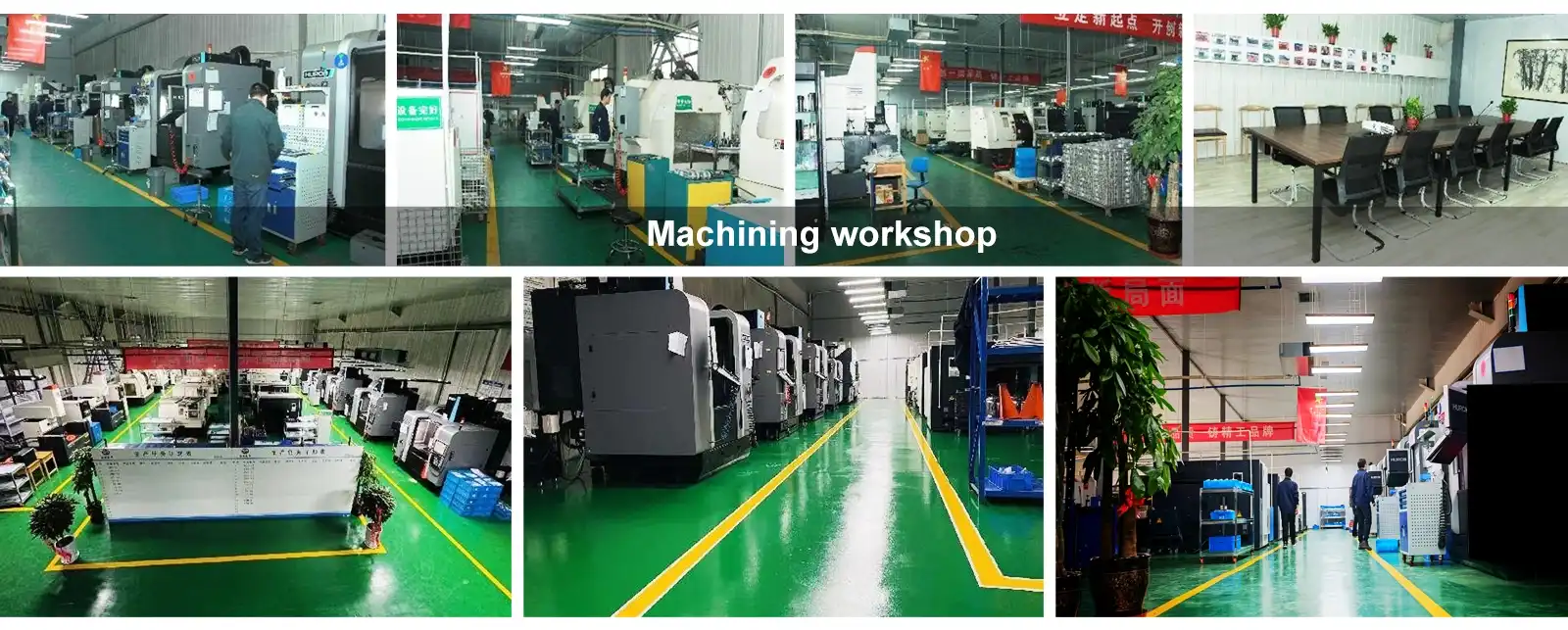
After being cast, parts are trimmed to get rid of flash and gates. If threaded holes, flat mounting surfaces, or certain dimensions are too big for casting, the parts are then carefully machined. You can finish the surface with chromate conversion coatings to protect against corrosion, decorative chrome plating, or custom powder coating that fits the brand's needs. With this unified method, supply chain managers can combine their relationships with vendors, which cuts down on the work of coordination while keeping an eye on production throughout.
Key Considerations When Selecting Zinc Die Casting Services
Quality Certifications and Compliance Standards
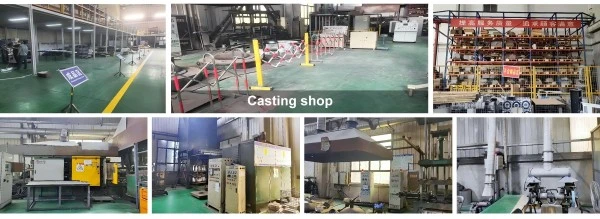
Even though ISO 9001 certification sets basic standards for quality management, procurement workers should still check to see if sellers have industry-specific credentials. Sourcing in the automotive sector requires compliance with IATF 16949, which makes sure that production methods meet strict quality standards for the automotive sector. Suppliers who work with aerospace applications need to be certified by AS9100 to show that they can handle traceability requirements and material specifications that are important for making sure that parts are safe for flight.
In addition to certifications, a supplier's non-destructive testing skills show how committed they are to preventing defects. X-rays can find internal flaws that can't be seen by looking at the surface. Ultrasonic testing makes sure that critical load-bearing parts are made of solid materials. When suppliers buy high-tech NDT tools, they show that they know quality engineers need more than just production samples; they need objective evidence. Statistical process control charts and written corrective action procedures give you even more confidence in the quality's stability over the long term.
Design Optimization and Defect Prevention
Good providers don't just accept plans; they question designs to get rid of risks in manufacturing. Design feasibility studies should find possible "hot spots" where changes in material thickness leave gaps for shrinking. Expert engineers suggest ribs or gussets that keep the structure's performance while lowering its weight and the cost of its materials. This collaborative approach helps technical teams that are having a hard time finding suppliers that can make complex geometries without having to go through a lot of prototype iterations.
Before cutting steel, mold flow modeling software figures out where air pockets or cold shuts are most likely to happen by guessing how molten metal will fill the cavities. Thermal analysis finds the best place for cooling channels, which speeds up cycle times and stops bending. These investments in engineering shorten the time it takes to try new things and see what works and what doesn't. This directly addresses buying problems like unclear lead times and the cost of changing tools.
Volume Flexibility and Cost Structures
The economics of zinc die casting services work best for medium to high production volumes. Depending on the complexity of the part, it usually breaks even around 5,000 to 10,000 units. The big investment in tools is spread out over a lot of products, which makes unit costs more appealing as production levels rise. Purchasing managers should ask for specific quotes that break down piece-price and amortization of tools so that they can accurately calculate the total cost of ownership across a range of volume scenarios.
Suppliers with a range of press capacities, from 200-ton machines for small housings to 1,200-ton presses for structural brackets, give you the freedom to grow as your product does. This freedom is important for operations directors who need to increase production without having to re-qualify new vendors. If you know about minimum order quantities and economic batch sizes, you can avoid situations where your ordering habits cause you to pay extra for storage or rush fees.
Conclusion
To choose zinc die casting services, you have to find a balance between technical performance, cost structures, quality assurance, and the supplier's skills within the context of strategy procurement frameworks. The way it's made gives very accurate measurements, a smooth surface, and high production efficiency for parts that are made in large quantities and are used in many different industries. Successful buying looks at providers beyond their price quotes, checking out their tech support, quality systems, ability to scale up production, and prospects for a long-term relationship. Knowing how zinc stacks up against other materials and methods lets you make smart choices that lower the overall cost of ownership while still meeting useful needs. Strategic purchasing methods that focus on working together with suppliers, managing risks, and thinking about the environment create competitive advantages by creating reliable, cost-effective supply chains for parts that help products succeed.
FAQs
Which industries benefit most from zinc die casting?
Zinc die casting services are used a lot by automakers for parts of the fuel system, locking mechanisms, and sensor housings that need to be precise and resistant to corrosion. Zinc is used by manufacturers of construction equipment for hydraulic valve bodies and control parts that need to be resistant to wear. Zinc is used in a wide range of industrial settings because it is strong, easy to cast accurately, and cheap. Examples include pump housings, motor end caps, and electrical covers. Even flight companies use zinc alloys for electronic housings and brackets that aren't structural because they can be a little heavier than aluminum and still be lightweight.
Can zinc die casting achieve complex geometries?
When molten, zinc is very fluid, which makes it easy to fill mold details that are too small for other metals. Aluminum castings with thinner walls can have complex internal passages, fine surface textures, and thin wall sections without the porosity risks that come with thicker sections. Tooling with undercuts and side-actions lets features like threads, clips, and mounting heads be cast directly instead of being made afterward. Because of this geometric freedom, there are fewer building steps and parts to count, which makes product designs easier and lowers the total cost of making the product.
What factors determine whether zinc suits my application?
The operating temperature is the most important thing to think about. Zinc alloys keep their properties below 200°F, but they soften at high temperatures, which is when aluminum or steel is needed. Corrosion climate is important. Zinc works well in air and light chemicals, but it needs protection coatings in acidic or high-humidity environments. Zinc's yield strength ranges from 40,000 to 60,000 psi, so the strength needs should be met by the right alloy. When yearly quantities go over a few thousand pieces, tooling costs can be spread out over time, which is good for production volume economics. Technical discussions with seasoned sellers help you figure out if zinc fits the needs of your unique application.
Partner with Rongbao Enterprise for Reliable Zinc Die Casting Solutions
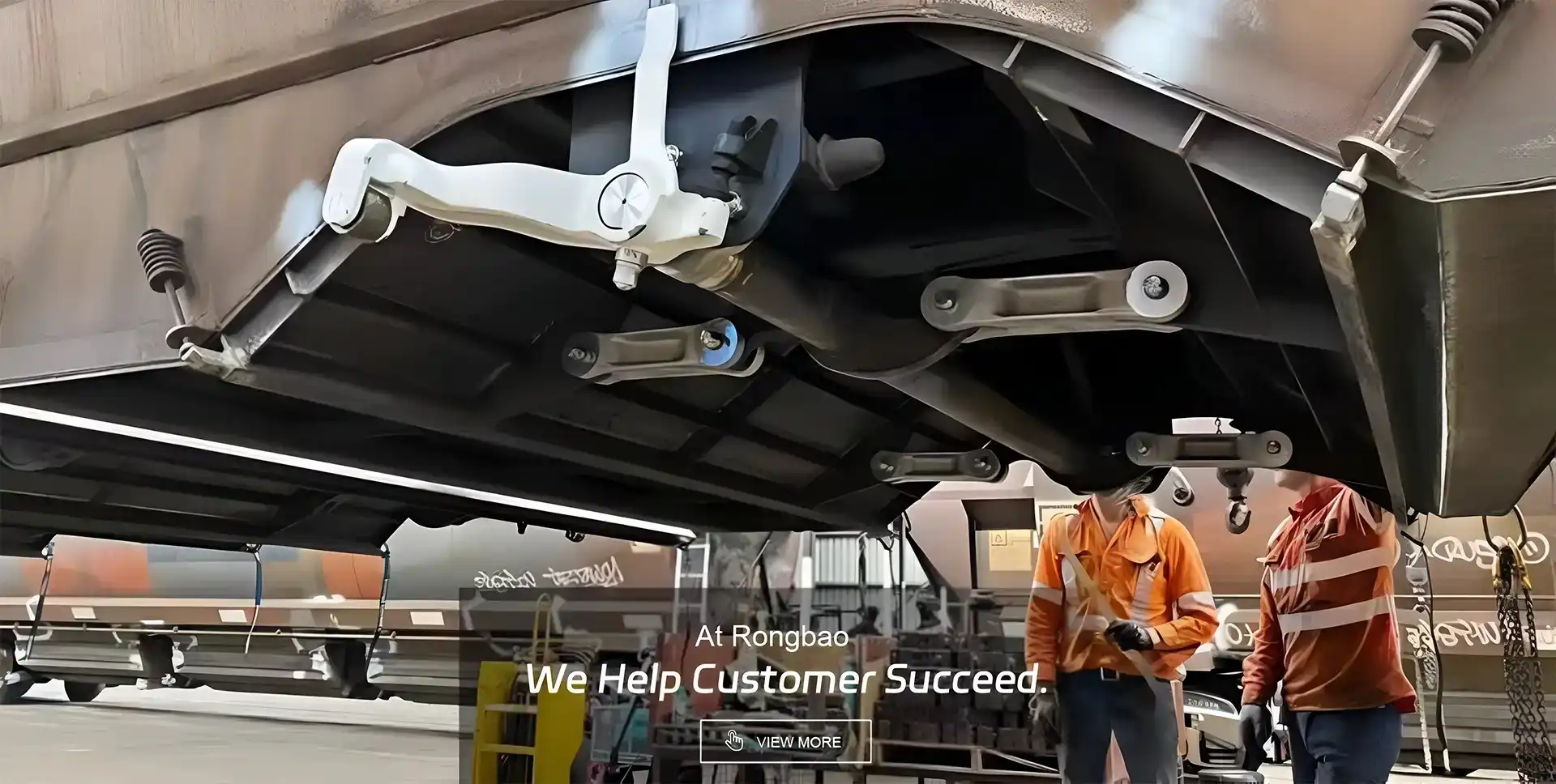
Rongbao Enterprise has been a precision casting expert for 20 years and can help manufacturers who need a reliable zinc die casting services supplier. The fact that we have ISO 9001, ISO 14001, and ISO 45001 certifications shows that we are committed to quality management, protecting the environment, and keeping the workplace safe, which is required by international purchasing standards. We have all the manufacturing skills we need, including high-pressure die casting, precise CNC machining, and advanced surface finishing, all under one roof. This means we don't have to deal with the delays that come with supply lines that have more than one provider.
During the design process, our technical teams work together and use design-for-manufacturability concepts to cut down on mistakes and make production costs as low as possible. Modern automated equipment makes sure that the quality of each production batch is the same, which solves the problem of variation that quality engineering teams face. Since 70% of our production goes to markets in Europe, the United States, and Japan, we know how strict paperwork and performance standards are that are needed in global supply chains. Our scalable capacity and strategic approach help your project from the first idea to long-term production, whether you need small amounts for prototypes or large production runs.
Get in touch with our technical experts to talk about the needs of your unique application. You can email Steve Zhou personally at steve.zhou@263.net or zhouyi@rongbaocasting.com to get expert advice and quotes from other companies. We're ready to show you how our integrated manufacturing solutions can make it easier for you to buy things while still giving your products the quality and dependability they need.
References
- Kaufman, J. Gilbert, and Rooy, Elwin L. Aluminum Alloy Castings: Properties, Processes, and Applications. ASM International, 2004.
- Pfeifer, Toni, and Brunhuber, Ernst. Zinc and Zinc Alloy Die Castings: Design, Specification, and Properties. International Lead Zinc Research Organization, 1997.
- American Foundry Society. Die Casting Handbook: Process, Materials, and Engineering. Technical Publications, 2018.
- Campbell, John. Complete Casting Handbook: Metal Casting Processes, Metallurgy, Techniques and Design. Butterworth-Heinemann, 2015.
- International Zinc Association. Zinc Alloy Die Castings: Specifications and Performance Data. Industry Technical Report, 2019.
- Beeley, Peter R. Foundry Technology: Principles and Practice for Non-Ferrous Castings. Butterworth-Heinemann, 2001.
Learn about our latest products and discounts through SMS or email