Common Types of Pipe Fittings
A wide variety of pipe configurations may be accommodated by the wide range of pipe fittings available in terms of size, shape, and material. Several of the most common varieties will be discussed now:
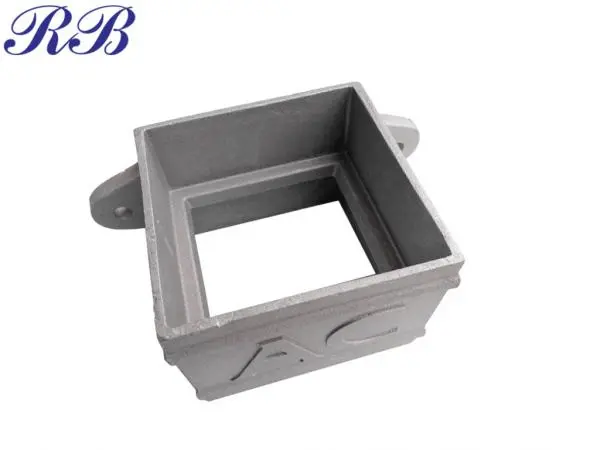
Square Pipe Fitting with Ears
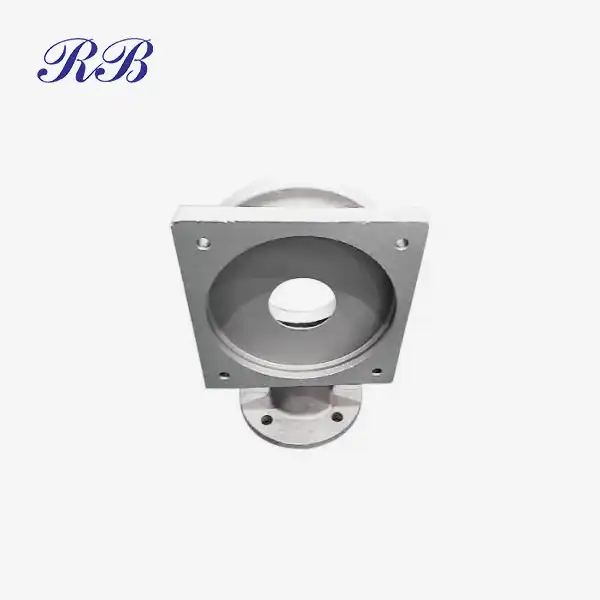
Square pipe fittings with ears are excellent for managing rainfall and have many decorative architectural applications. They are perfect for attaching to walls or structural surfaces because of their square form and built-in protruding "ears" or lugs. Renowned manufacturer Rongbao Enterprise uses gravity casting, a process that guarantees structural integrity and excellent quality, to make these fittings from A356 aluminum alloy. These components are very lightweight (about 0.3 kg each), but quite sturdy; what's more, the material guarantees that they will last for a very long period due to their exceptional corrosion resistance. With certifications in ISO9001:2015, ISO14001, and ISO45001, Rongbao ensures that its items meet or exceed standards for quality, environmental management, and worker safety. The specific needs of each project may be met by simply customizing these fittings. In addition to improving the downpipes' aesthetics, they are designed to link them securely.
Union Fitting
A union fitting is a highly versatile and practical piping component designed to facilitate a detachable connection point within a pipeline. Its primary advantage is enabling easy connection and disconnection of pipes for maintenance, repair, or replacement without requiring the pipes themselves to be rotated or moved, which is a limitation of standard couplings. The typical three-part construction consists of a nut, a female end, and a male end featuring a seat or sealing surface. When the nut is tightened, it draws the male and female ends together, compressing a gasket or seal to form a robust, leak-proof joint. Available in a wide array of materials such as brass, stainless steel, PVC, and more, union fittings, including the square pipe fitting with ears, can be selected to match specific system requirements concerning pressure, temperature, and fluid compatibility. This makes them indispensable in various settings, including domestic plumbing, industrial process piping, and irrigation systems, where future access is a key consideration.
Elbow Fitting
When it comes to pipe systems, elbow fittings are essential because they allow you to change the flow direction. Standard angles, most often 45-degree and 90-degree elbows, make it easy for designers to work around obstructions and effectively build complicated pipe lines. A 45-degree elbow provides a more gradual directional shift, which may assist minimize flow resistance and pressure drop, in contrast to a normal 90-degree elbow that generates a fast right-angle bend. In order to connect to another fitting or pipe directly without a separate nipple and to save space in tight installations, a typical form called a street elbow is used. This elbow has a male thread on one side and a female thread on the other. From high-pressure industrial operations and chemical transport to domestic water supply and drainage, these fittings are manufactured from a variety of materials, including copper, CPVC, stainless steel, and malleable iron.
Other Important Pipe Fitting Types
While square pipe fittings with ears, union fittings, and elbow fittings are widely used, there are several other types of pipe fittings that play vital roles in various piping systems:
Tee Fittings
Essential to every pipe network, a tee fitting has three holes: one input and two exits, or the other way around. Most often, they are used to construct branch lines, which may divide the primary flow of a single source into two distinct directions or merge flows from two distinct sources into a single one. These fittings have several uses due to their adaptability; they are often used in complicated industrial settings for gas or chemical processing as well as in domestic water distribution systems. They are essential for both basic and advanced pipe designs because to their design, which enables effective flow control and system architecture flexibility.
Coupling Fittings
A coupler is a basic fitting for making a straight connection between two pipes of the same diameter. Improving pipeline lengths or fixing broken portions is a basic but critical function they provide. Various designs are available, such as slip couplings for fast installation, compression couplings for rapid repairs without cutting the pipe, square pipe fittings with ears, and repair couplings that produce a seal by compressing a ferrule. Ensuring a safe and leak-proof connection, each type meets distinct joining needs. Because of their critical role in ensuring the continuous and dependable conveyance of fluids, they find extensive use in plumbing and industrial systems.
Reducer Fittings
Reducer fittings are crucial for connecting pipes with different diameters, enabling a smooth transition in pipeline size. They are mainly categorized into two types: concentric and eccentric. Concentric reducers feature a symmetrical, conical shape that maintains a common centerline, ideal for vertical pipelines. In contrast, eccentric reducers have one edge offset, creating a flat side that prevents air accumulation and facilitates proper drainage in horizontal installations. This design is essential for systems where avoiding air pockets or ensuring complete drainage is critical, such as in pump inlets or wastewater lines, ensuring efficient and uninterrupted flow.
Cap and Plug Fittings
The ends of pipes may be securely sealed using specialized fittings such as caps and plugs. It is common practice to install a plug into the inside of a pipe and a cap onto its outside when sealing a pipe. Important operational functions that need these parts include new system pressure testing, section isolation for safety or maintenance, and future expansion end sealing. They are essential for the safety, integrity, and long-term planning of any pipeline infrastructure because they block leaks, control pressure, and shield pipe threads from harm.
Choosing the Right Pipe Fitting
There are a number of things to think about when choosing a pipe fitting for a project:
- Check that the material of the fitting is suitable with both your pipe system and the fluids that will be conveyed.
- Make sure the fittings you choose can handle the operating pressure of the system.
- Think about the highs and lows of the temperature spectrum that the fitting will have to endure.
- If you're using the fitting in an industrial setting, be sure it can withstand the chemicals used there without corroding.
- Installation method: Some fittings, such as the square pipe fitting with ears, require special tools or techniques for proper installation.
By carefully considering these factors and understanding the different types of pipe fittings available, you can ensure a secure, efficient, and long-lasting piping system.
FAQ
1. What is the difference between a union fitting and a coupling?
While both union fittings and couplings join pipes, unions allow for easy disconnection without moving the pipes. Couplings typically provide a permanent connection and may require cutting to remove.
2. Can square pipe fittings with ears be used in non-rainwater applications?
Yes, square pipe fittings with ears can be used in various applications beyond rainwater systems, such as decorative piping, HVAC ductwork, and custom architectural elements, thanks to their aesthetic appeal and secure mounting capabilities.
3. How do I determine the correct size of pipe fitting I need?
To determine the correct fitting size, measure the outside diameter of your pipe and match it to the corresponding fitting size. It's important to consider both the diameter and the threading type (if applicable) when selecting fittings.
Square Pipe Fitting With Ears Supplier: Rongbao Enterprise
When it comes to high-quality square pipe fittings with ears, Rongbao Enterprise stands out as a leading manufacturer and supplier. With a commitment to excellence and innovation, Rongbao offers custom-engineered solutions for rainwater systems and decorative piping applications.
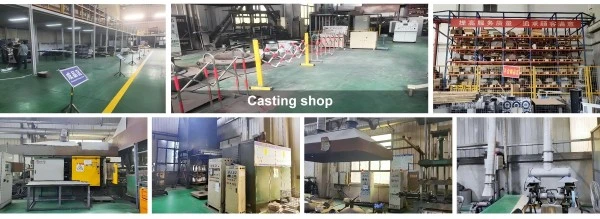
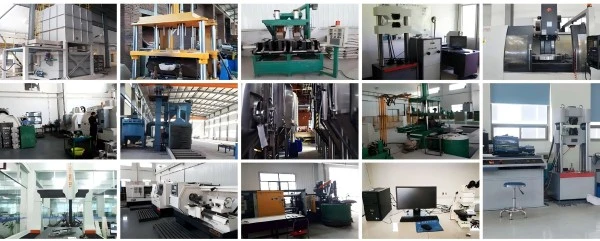
Rongbao Enterprise, founded in 2003, specializes in aluminum alloy casting and precision processing. Their advanced production methods, including gravity casting and CNC machining, ensure top-notch quality for every square pipe fitting with ears they produce. With certifications such as ISO9001:2015, ISO14001, and ISO45001, Rongbao demonstrates its dedication to quality, environmental sustainability, and occupational safety.
For inquiries about Rongbao's square pipe fittings with ears or other aluminum alloy components, please contact their expert team at steve.zhou@263.net or zhouyi@rongbaocasting.com. Their experienced professionals are ready to assist you with customized solutions tailored to your specific project requirements.