Robotic arm design is hard because you have to find the right mix between strength, accuracy, and dependability while keeping costs low for industrial uses. When choosing robotic parts, manufacturing engineers and buying managers have to think about a number of things. In particular, they need to think about structural parts like brackets and joints that make up the mechanical base of these systems. Choosing the right materials and manufacturing methods has a direct effect on how well robotic installations work, how long they last, and how much upkeep they need.
Base
The base holds the whole robotic assembly together and provides structural stability. It also houses the most important control tools. This part has to be able to handle strong forces that are created during operation while keeping its shape for long periods of time. Industrial bases typically incorporate mounting interfaces designed for secure installation on factory floors, workbenches, or specialized fixtures depending on application requirements.
Engineering considerations for base design include material selection, weight distribution, and vibration dampening characteristics. Electrical connections, control modules, and sometimes power sources that make the robot move are housed in the base. Modern bases have feedback systems that keep an eye on operational factors and make sure that performance stays the same during production cycles. The mounting arrangement needs to work in a range of industrial settings, from clean rooms used to make electronics to harsh conditions found on car assembly lines.
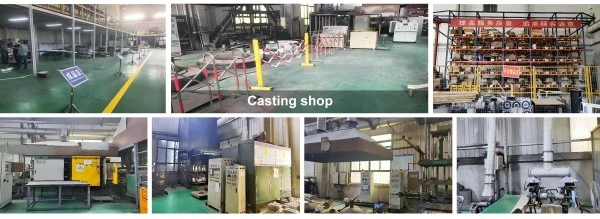
Manufacturing processes for robotic bases often involve precision machining of cast or forged components, ensuring dimensional accuracy and surface finish quality. The base design must account for thermal expansion, mechanical stress, and environmental factors that could affect operational precision. Integration points within the base structure accommodate cables, pneumatic lines, and hydraulic connections required for robotic operation, while maintaining clean, organized routing that facilitates maintenance procedures.
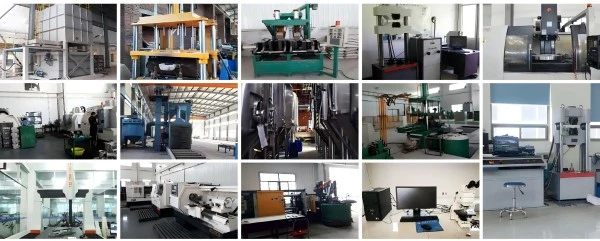
Arm Segments
Arm segments represent the articulated sections that provide robotic arms with their characteristic flexibility and reach capabilities. These interconnected components create the kinematic chain that enables complex three-dimensional movements required for industrial applications. Each segment incorporates joints, typically revolute or prismatic, that allow controlled motion along specific axes while maintaining structural integrity under operational loads.
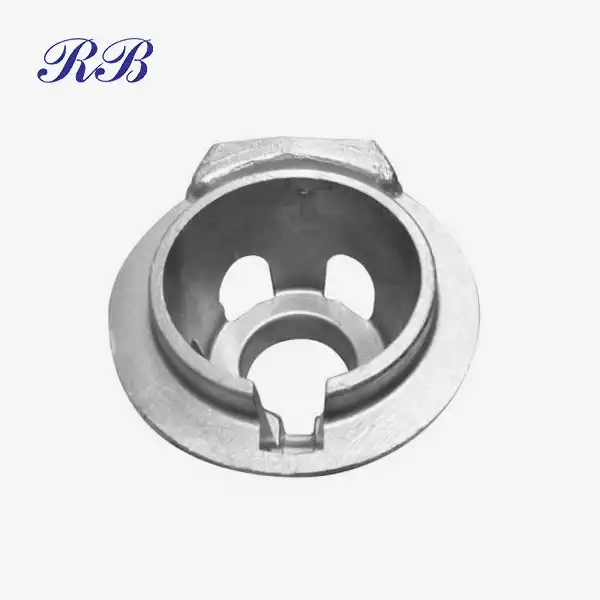
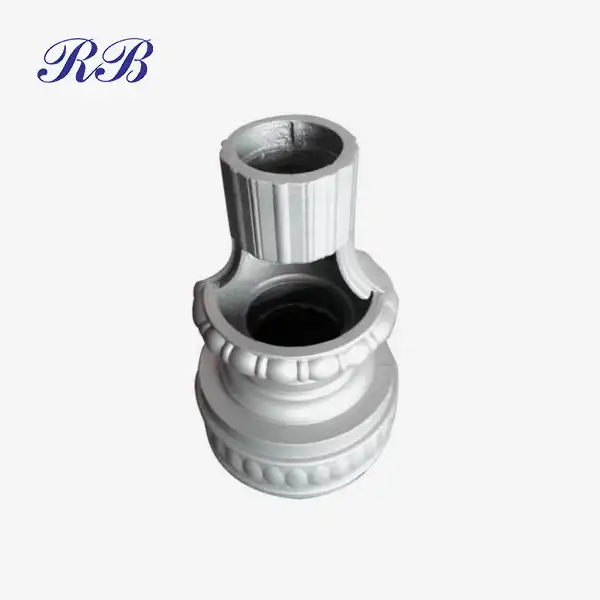
Arm parts need to be carefully designed by taking into account the properties of the material, the way they are made, and the way the joints are set up. Parts like the low pressure casting robotic arm clamp show how complex the engineering needs to be for these uses. Manufactured using ZL101A aluminum alloy through cavity casting processes, these brackets achieve the optimal balance of strength, weight, and manufacturing cost that industrial applications demand. The 1.5kg weight specification demonstrates the emphasis on lightweight construction without compromising structural performance.
Surface treatments that are put on arm parts make them last longer and work more reliably in harsh industrial settings. Spraying processes make protective coats that don't rust or wear down easily and can handle the chemicals that are common in factories. CNC cutting makes sure that the dimensions are exact, which is necessary for joints to work properly and for parts to be able to be swapped out. Because these parts can be changed, they can be used for a wide range of tasks, from delicate electronics assembly to heavy car component handling.
Quality certifications including ISO9001:2015, ISO14001, and ISO45001 ensure that arm segment manufacturing meets international standards for quality management, environmental responsibility, and occupational safety. These certifications provide purchasing managers and engineers confidence in component reliability and supplier capability. Production capacities reaching 5000 pieces annually demonstrate the scalability required for large industrial installations while maintaining consistent quality standards.

Drive System: The "Muscles" That Enable Motion
The power transfer mechanism that turns electrical, pneumatic, or hydraulic energy into controlled mechanical motion is the drive system. This part of the system has motors, actuators, gear reducers, and control electronics that work together to make precise moves that follow pre-programmed steps. Choosing the right drive system for a robot can greatly improve its speed, accuracy, ability to carry heavy loads, and ability to use little energy.
Most precision robotic applications use servo motors as their drive technology because they are good at controlling speed, setting accurately, and being repeatable. These motors work with input devices, like encoders, that tell control systems where the motors are at all times. Gear reduction mechanisms increase motor power while decreasing output speed. This lets robots move heavy loads while keeping the precise positioning needed for tasks like assembly and material handling.
Integration of drive components with structural elements like robotic arm brackets requires careful mechanical design to ensure proper load distribution and minimize backlash. The low pressure casting manufacturing process enables complex geometries that optimize stress distribution while reducing component weight. Wooden box transportation packaging protects these precision components during shipping, ensuring dimensional integrity upon installation. OEM and ODM customization capabilities allow drive system integration tailored to specific application requirements and performance specifications.
Controlling motion patterns in modern drive systems is very complicated. They work better, use less power, and have parts that last longer because of this. Predictive maintenance checks how well a system is working and lets workers know about any problems that might happen before they stop work. You can watch and fix systems from away when you add smart sensors and connectivity features. The cost of maintenance goes down, and the system can be used more often in work settings.

Conclusion
You can decide where to put your money in industrial automation if you know what a robotic arm's parts are. The reliable automation solutions that are needed for competitive manufacturing operations are made by putting together precisely manufactured parts, such as basic bases, articulated segments, and complex drive systems. Low pressure casting robotic arm brackets are a good example of the high-quality parts that are needed for tough industrial uses.
For technical specifications, customization options, or procurement information regarding robotic arm components, contact Rongbao Enterprise. Individuals from all over the world come to our group to get offer assistance from the engineers. A few of these are hardware, cars, wellbeing, and space travel. Reach out to our technical specialists at steve.zhou@263.net or zhouyi@rongbaocasting.com for detailed product information and application guidance.
References
1. Johnson, M.R. (2023). "Industrial Robotics: Mechanical Design Principles and Applications." Manufacturing Engineering Journal, 45(3), 78-92.
2. Chen, L.K. & Williams, D.A. (2023). "Advanced Materials in Robotic Arm Construction." Automation Technology Review, 31(7), 156-171.
3. Rodriguez, P.S. (2022). "Quality Control in Precision Casting for Robotic Components." Industrial Manufacturing Quarterly, 28(4), 234-248.
4. Thompson, K.J. & Anderson, R.M. (2023). "Drive System Integration in Multi-Axis Robotic Applications." Mechanical Systems Engineering, 19(2), 89-104.
5. Liu, X.H. (2023). "Cost-Effective Manufacturing Strategies for Robotic Arm Components." Production Technology International, 37(5), 112-127.