Furnace Arrangement and Holding: The Foundation of Quality Casting
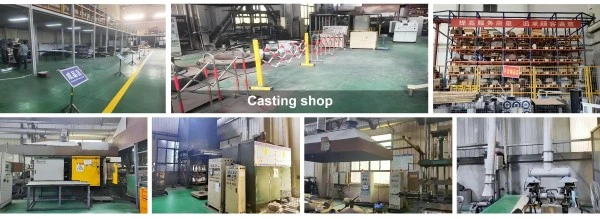
The low pressure aluminum casting process begins with careful furnace arrangement and holding.
If you want consistently good casting results, this is an absolute must. The precise temperature needed for casting is maintained by the furnace, which is typically either gas-fired or electric resistance type.
Achieving the desired properties during the holding phase of an alloy requires maintaining a constant temperature for the molten aluminum, which may range from 650 to 750 degrees Celsius. If the mold is filled within this temperature range, there is less chance of gas absorption and severe oxidation, which might lower the product quality.
By pressing and sealing the furnace, a controlled atmosphere is created, preventing impurities and oxidation from reaching the molten metal. Minimum pressure casting distinguishes apart from other processes because of its sealed system, which allows for the production of castings with minimal porosity and good quality.
Pressurized Fill and Solidification Under Pressure: Achieving Precision and Consistency
Once the molten aluminum reaches the ideal temperature and consistency, the pressurized fill process begins. This stage is where the low pressure aluminum casting method truly shines, offering superior control over the metal flow and solidification process.
The mold chamber is linked to the holding furnace by a riser tube, a sealed conduit. As it travels up the riser tube and into the mold, the molten aluminum is heated in the furnace to a pressure of 0.3 to 1.5 bar. Filled castings have better mechanical qualities and less porosity because to this careful, regulated fill process that reduces turbulence and air entrapment.
To maintain the ideal fill rates and pressure levels, precise control and monitoring of the pressured fill is necessary, often assisted by state-of-the-art computer systems and sensors. Its extreme accuracy allows it to cast complicated geometries and thin-walled components that would be difficult, if not impossible, to cast using more traditional processes.
To encourage casting solidification in a certain direction—from the casting's edges towards the riser tube—the pressure is either kept constant or progressively raised when the mold is filled. This controlled solidification process guarantees a consistent grain structure and reduces shrinkage porosity.
Ejection and Finishing: Perfecting the Final Product
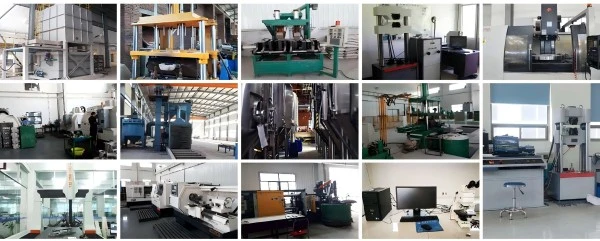
The casting moves on to the ejection and finishing stages after solidification is complete. Careful removal of the hardened component follows opening of the mold; automated technologies are commonly used to guarantee uniformity and minimize casting damage.
Due to the reduced strain on the mold and casting during removal caused by the lower pressures used in low pressure aluminum casting, the ejection process is often more refined compared to high pressure die casting. A more refined surface quality and more precise dimensions are outcomes of this softer ejection process.
After being expelled, the casting is subjected to a sequence of finishing procedures in order to get the intended end properties. Among them could be:
Removing surplus materials, including risers and gates
Mechanical property enhancement with heat treatment
Finishing touches include polishing and shot blasting
Critical dimension or feature machining procedures
Measurement and non-destructive testing are part of the quality control system.
The needs and use of the component dictate the finishing procedures that are used. For example, in order to guarantee a perfect fit and maximum performance in the final assembly, elevator components made from low pressure aluminum casting may be subjected to further machining and surface treatments.
Applications and Advantages of Low Pressure Aluminum Casting
Low pressure aluminum casting has found widespread application across various industries, particularly in the production of components that require a balance of complex geometry, high strength, and excellent surface finish. Some key applications include:
- Automotive parts: Wheels, cylinder heads, and engine blocks
- Aerospace components: Structural parts and engine components
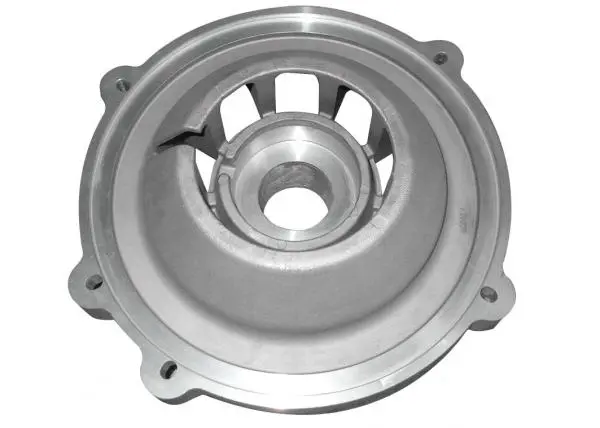
- Industrial machinery: Pump housings and valve bodies
- Elevator parts: Structural components and decorative elements
The advantages of low pressure aluminum casting make it an attractive option for manufacturers seeking high-quality, cost-effective production solutions. These benefits include:
- Excellent dimensional accuracy and surface finish
- Reduced porosity and improved mechanical properties
- Ability to produce thin-walled and complex geometries
- Higher material yield compared to gravity casting
- Lower tooling costs compared to high pressure die casting
- Flexibility in production volumes, from small batches to high-volume runs
FAQ
1. What are the main differences between low pressure and high pressure die casting?
Low pressure casting uses lower pressures (0.3-1.5 bar) compared to high pressure die casting (500-1500 bar). This results in less turbulent metal flow, reduced porosity, and better mechanical properties. Low pressure casting also allows for easier production of larger parts and is more suitable for smaller production runs.
2. Can low pressure aluminum casting be used for all types of aluminum alloys?
While low pressure casting is suitable for many aluminum alloys, it's particularly effective for alloys with good fluidity and low shrinkage rates. Common alloys used include A356, A357, and 380. The choice of alloy depends on the specific requirements of the final product, such as strength, corrosion resistance, and machinability.
3. How does low pressure aluminum casting impact the environmental footprint of manufacturing?
Low pressure aluminum casting can be more environmentally friendly than some other casting methods. It typically has higher material efficiency, reducing waste. The lower energy requirements for pressurization and the ability to recycle scrap material directly contribute to a reduced environmental impact. Additionally, the process's ability to produce near-net-shape parts can reduce the need for extensive machining, further conserving resources.
Low Pressure Aluminum Casting Supplier: Rongbao Enterprise
You can believe Rongbao Venture to give you with top-notch moo weight aluminum castings. Giving unrivaled expertise in moo weight aluminum casting, Rongbao has nearly two decades of encounter in aluminum amalgam casting and exact preparing. From basic liftparts to complex mechanical components, its cutting-edge Xi'an, China, offices can handle it all.
ISO 9001:2015, ISO14001, and ISO45001 are all verification of Rongbao's commitment to quality. With a fabricating capacity of 5,000 pieces and a center on interesting parts made from materials such as 380 aluminum amalgam, they give weights up to 6.5 kg. Rongbao ensures that each component is of the most prominent quality and exactness by utilizingcutting-edge CNC machining capabilities and surface medications such as shot blasting.
If you are in require of moo weight aluminum casting arrangements or are looking for a reliable accomplice, Rongbao Venture is here to offer assistance. Their commitment to development and natural supportability, together with their authority in gravity casting, makes them the go-to for producers all around the globe.
Ready to elevate your manufacturing process with high-quality low pressure aluminum castings? Contact Rongbao Enterprise today at steve.zhou@263.net or zhouyi@rongbaocasting.com to discuss your project requirements and experience the Rongbao difference.