- English
- French
- German
- Portuguese
- Spanish
- Russian
- Japanese
- Korean
- Arabic
- Greek
- German
- Turkish
- Italian
- Danish
- Romanian
- Indonesian
- Czech
- Afrikaans
- Swedish
- Polish
- Basque
- Catalan
- Esperanto
- Hindi
- Lao
- Albanian
- Amharic
- Armenian
- Azerbaijani
- Belarusian
- Bengali
- Bosnian
- Bulgarian
- Cebuano
- Chichewa
- Corsican
- Croatian
- Dutch
- Estonian
- Filipino
- Finnish
- Frisian
- Galician
- Georgian
- Gujarati
- Haitian
- Hausa
- Hawaiian
- Hebrew
- Hmong
- Hungarian
- Icelandic
- Igbo
- Javanese
- Kannada
- Kazakh
- Khmer
- Kurdish
- Kyrgyz
- Latin
- Latvian
- Lithuanian
- Luxembou..
- Macedonian
- Malagasy
- Malay
- Malayalam
- Maltese
- Maori
- Marathi
- Mongolian
- Burmese
- Nepali
- Norwegian
- Pashto
- Persian
- Punjabi
- Serbian
- Sesotho
- Sinhala
- Slovak
- Slovenian
- Somali
- Samoan
- Scots Gaelic
- Shona
- Sindhi
- Sundanese
- Swahili
- Tajik
- Tamil
- Telugu
- Thai
- Ukrainian
- Urdu
- Uzbek
- Vietnamese
- Welsh
- Xhosa
- Yiddish
- Yoruba
- Zulu
What are the methods of copper casting?
Copper casting represents a fundamental manufacturing process that transforms raw copper materials into precise components essential for automotive, aerospace, medical equipment, and electrical industries. The selection of appropriate casting methods directly influences product quality, cost efficiency, and delivery schedules that purchasing managers prioritize in their procurement decisions.
There are three main types of copper casting used in modern factories. Each has its own benefits for different uses. When engineers and procurement professionals understand these methods, they can make choices that balance the need for quality with the need to stay within budget, all while making sure that the supply chain works reliably.
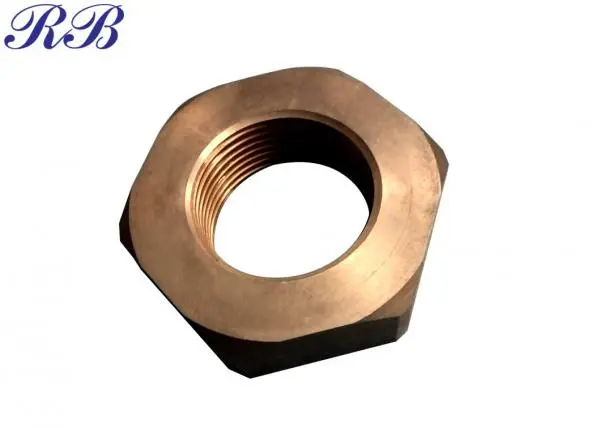
Sand Casting
Sand casting is becoming the most popular way to make copper parts, especially among purchasing teams in the manufacturing sector that are looking to save money. Using sand molds to shape molten copper is a traditional way to make parts that meet a wide range of industrial requirements while keeping production costs low.
Pattern making is the first step in the process. This is where engineers make wooden or metal patterns that look like the desired part geometry. Foundry workers pack specially formulated sand around these patterns, creating cavities that will contain the molten Copper casting. Temperature control becomes critical at this stage, as copper melts at approximately 1,085°C, requiring precise heating systems to achieve optimal fluidity without compromising material properties.
Quality control measures during sand casting involve multiple inspection points that address common concerns raised by purchasing supervisors. Dimensional accuracy typically ranges within ±0.8mm for standard components, while surface finish quality depends largely on sand grain size and mold preparation techniques. Production lead times generally span 2-3 weeks for standard orders, making this method suitable for manufacturers requiring predictable delivery schedules.
Cost analysis reveals sand casting's competitive advantage for medium to large production runs. Tooling expenses remain relatively low compared to other methods, while per-unit costs decrease significantly as order quantities increase. This economic profile aligns well with budget-conscious procurement strategies common in automotive and electrical component manufacturing.
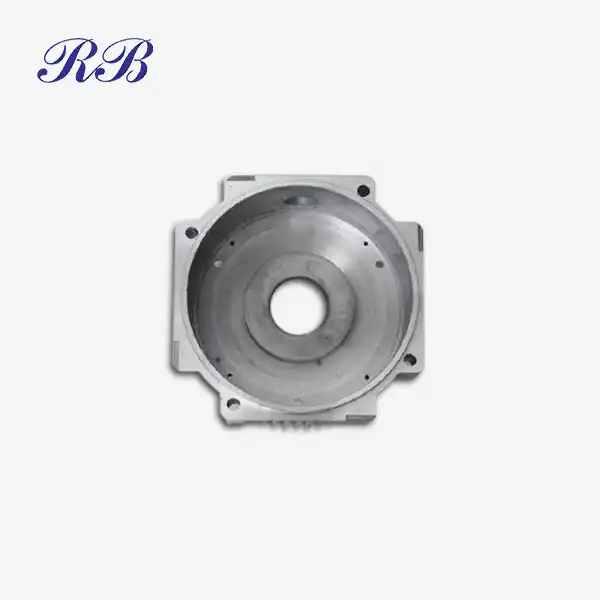
Investment Casting
Copper investment casting delivers superior precision and surface quality that meets stringent requirements imposed by aerospace and medical equipment manufacturers. This sophisticated process creates components with exceptional dimensional accuracy while eliminating many secondary machining operations that increase overall production costs.
The investment casting process initiates with wax pattern injection, where precision tooling creates exact replicas of the final component. These wax patterns receive ceramic coating application through multiple dipping cycles, building shell thickness that withstands molten copper temperatures. Pattern removal occurs through controlled heating, leaving ceramic molds ready for copper pouring.
Dimensional tolerances achievable through copper investment casting typically range within ±0.13mm, significantly tighter than sand casting capabilities. Surface finishes approach Ra 1.6μm without additional processing, reducing downstream machining requirements and associated costs. These quality characteristics prove particularly valuable for components requiring precise fit tolerances or aesthetic considerations.
Production scheduling for investment casting requires longer lead times, typically 4-6 weeks for initial orders due to pattern and tooling preparation requirements. However, repeat orders benefit from established tooling, reducing subsequent delivery times to 2-3 weeks. This timing profile suits purchasing strategies focused on quality over rapid turnaround, common in aerospace and precision equipment applications.
Cost structures for copper investment casting reflect higher initial tooling investments offset by reduced machining expenses and improved material utilization. Components weighing 0.23kg, similar to kitchen application parts, demonstrate excellent cost-effectiveness when produced in quantities exceeding 1,000 pieces per batch.
Permanent Mold Casting
Permanent mold casting bridges the gap between sand casting's cost advantages and investment casting's precision capabilities, offering manufacturing flexibility that appeals to diverse procurement requirements. This method utilizes reusable metal molds that withstand repeated casting cycles while maintaining consistent component quality throughout production runs.
Mold construction typically employs steel or cast iron materials capable of withstanding thermal cycling associated with copper casting operations. Mold design incorporates cooling channels that regulate solidification rates, influencing final component grain structure and mechanical properties. Surface treatments applied to mold cavities enhance component surface finish while extending mold service life.
Production efficiency characteristics of permanent mold casting demonstrate clear advantages for medium-volume manufacturing scenarios. Cycle times average 3-5 minutes per component, enabling daily production capacities approaching 200-300 pieces depending on component complexity. This throughput capability satisfies delivery requirements common in electrical and automotive component supply contracts.
Quality consistency represents a significant advantage of permanent mold casting, as identical mold geometry ensures repeatable dimensional characteristics across production batches. Typical tolerances range within ±0.4mm, providing acceptable precision for most industrial applications while maintaining cost competitiveness with sand casting alternatives.
Economic analysis reveals permanent mold casting's optimal application range between 1,000-10,000 pieces annually. Initial mold costs require higher investment than sand casting tooling, but per-piece costs decrease substantially due to eliminated pattern replacement and reduced labor requirements. This cost structure aligns well with purchasing strategies emphasizing total cost of ownership rather than minimum unit prices.

About Rongbao
When picking the right copper casting methods, you need to pay close attention to the quality standards, production volumes, and delivery times that affect what people buy in the medical, aerospace, automobile, and electrical fields. Copper investment casting gives you the precision you need for critical uses that need to meet strict tolerances, while sand casting is a cheaper way to make larger parts with standard tolerances.
Permanent mold casting offers balanced performance characteristics suitable for medium-volume production scenarios where consistent quality justifies moderate tooling investments. There are different benefits to each way that help with different buying strategies and production goals.
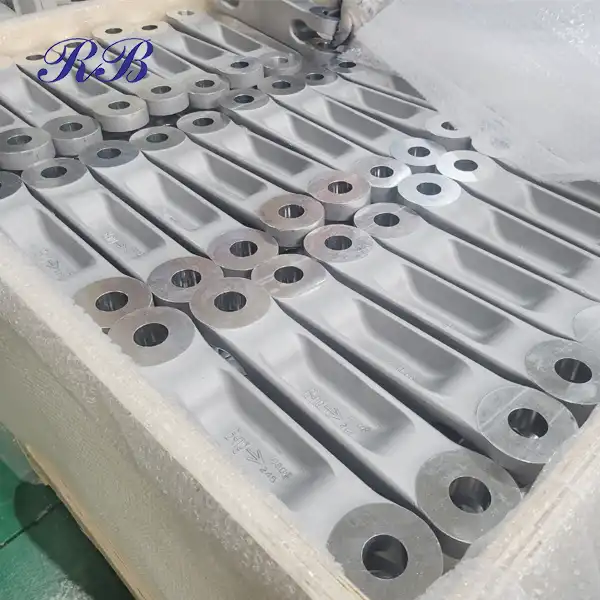
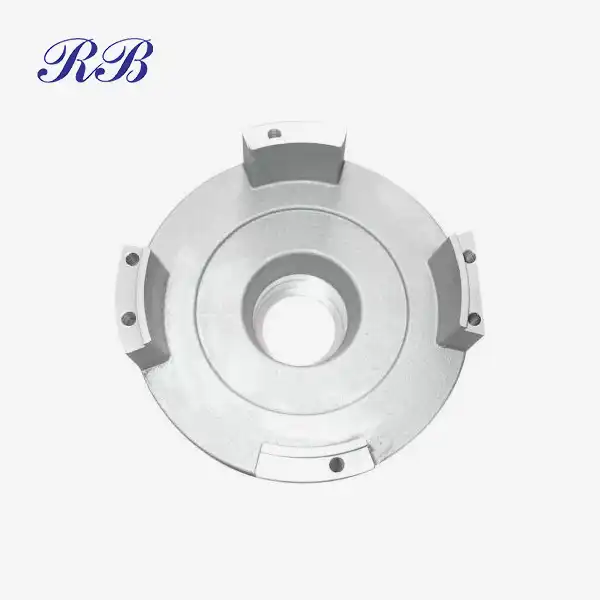
Rongbao Enterprise specializes in copper investment casting solutions that meet diverse industrial requirements, including kitchen applications utilizing H62 material with ISO9001:2015, ISO14001, and ISO45001 certifications. Our production capabilities extend to 5,000 pieces with customized specifications, CNC machining, and shot blasting surface treatments delivered from our Xi'an facility.
For detailed quotations and technical consultations regarding your copper casting requirements, contact our engineering team at steve.zhou@263.net or zhouyi@rongbaocasting.com. Our procurement specialists understand the cost control and quality assurance priorities that drive successful manufacturing partnerships.
References
1. Campbell, J. (2015). Complete Casting Handbook: Metal Casting Processes, Metallurgy, Techniques and Design. Butterworth-Heinemann.
2. Flemings, M.C. (1974). Solidification Processing. McGraw-Hill Series in Materials Science and Engineering.
3. Beeley, P.R. (2001). Foundry Technology. Butterworth-Heinemann Engineering Materials Technology Series.
4. Brown, J.R. (1999). Foseco Non-Ferrous Foundryman's Handbook. Butterworth-Heinemann.
5. ASM International Handbook Committee. (2008). ASM Handbook Volume 15: Casting. ASM International Materials Park.
Learn about our latest products and discounts through SMS or email