- English
- French
- German
- Portuguese
- Spanish
- Russian
- Japanese
- Korean
- Arabic
- Greek
- German
- Turkish
- Italian
- Danish
- Romanian
- Indonesian
- Czech
- Afrikaans
- Swedish
- Polish
- Basque
- Catalan
- Esperanto
- Hindi
- Lao
- Albanian
- Amharic
- Armenian
- Azerbaijani
- Belarusian
- Bengali
- Bosnian
- Bulgarian
- Cebuano
- Chichewa
- Corsican
- Croatian
- Dutch
- Estonian
- Filipino
- Finnish
- Frisian
- Galician
- Georgian
- Gujarati
- Haitian
- Hausa
- Hawaiian
- Hebrew
- Hmong
- Hungarian
- Icelandic
- Igbo
- Javanese
- Kannada
- Kazakh
- Khmer
- Kurdish
- Kyrgyz
- Latin
- Latvian
- Lithuanian
- Luxembou..
- Macedonian
- Malagasy
- Malay
- Malayalam
- Maltese
- Maori
- Marathi
- Mongolian
- Burmese
- Nepali
- Norwegian
- Pashto
- Persian
- Punjabi
- Serbian
- Sesotho
- Sinhala
- Slovak
- Slovenian
- Somali
- Samoan
- Scots Gaelic
- Shona
- Sindhi
- Sundanese
- Swahili
- Tajik
- Tamil
- Telugu
- Thai
- Ukrainian
- Urdu
- Uzbek
- Vietnamese
- Welsh
- Xhosa
- Yiddish
- Yoruba
- Zulu
What are the material properties of ZL101A aluminum alloy for pipe connector casting?
The ZL101A aluminium alloy is great for making pipe connectors because it has the right amount of silicon (6.5-7.5%), copper (≤0.2%), magnesium (0.25-0.45%), and other trace elements to make a fine microstructure that works well for three-way pipe applications. The tensile strength of casting fixed connector material is between 170 and 220 MPa, the yield strength is between 80 and 120 MPa, and the stretch is between 3 and 5 percent. This makes sure that the structure will hold up under dynamic loads. Its high flexibility during gravity casting makes it possible to make complicated shapes with few flaws, and its thermal conductivity of about 155 W/m·K makes it useful in places where temperatures change suddenly. The natural oxide layer of the metal makes it more resistant to corrosion than many other materials, which makes upkeep easier in industrial settings.
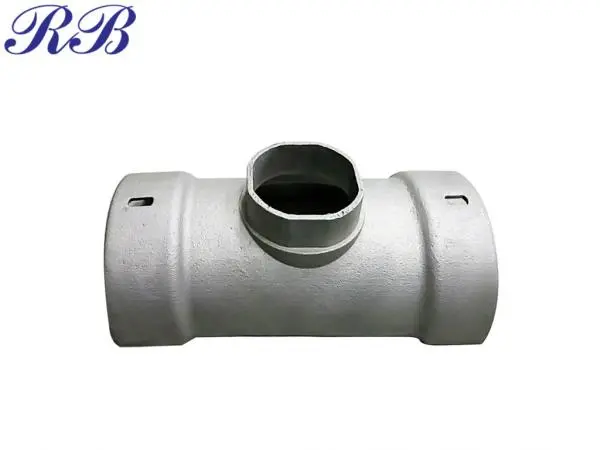
ZL101A Aluminum Alloy: Composition and Characteristics
Chemical Composition That Drives Performance
ZL101A's well-balanced chemical makeup makes its microstructure perfect for casting tasks that need to be precise. A silicon level of 6.5-7.5% makes the alloy more fluid when it's melted, which lets it fill complex mould holes fully. Adding 0.25-0.45% magnesium makes the concrete stronger without changing how it can be made. Iron levels (≤0.5%) and other trace elements are kept under control to avoid brittle phases that could weaken the structure. The pipe fittings made from this mixture stay the same size throughout their service life, which is very important when building systems where tolerances can't change over time.
Mechanical Properties That Meet Industry Demands
When we look at the technical features, ZL101A has qualities that meet the strict needs of industry. The alloy's tensile strength is between 170 and 220 MPa, which means it can hold enough weight for pressurised pipe systems. The yield strength is between 80 and 120 MPa, which gives you a safety cushion against deformation when the material is under working stress. The hardness levels are usually between 60 and 80 HB, which is a good balance between durability and the ability to be machined during post-casting CNC operations. The elongation rate of 3–5% shows that the material is flexible enough to handle impact loads without breaking completely. This is very important in places where shaking or heat expansion happen often. For a casting fixed connector, these mechanical properties ensure reliable load transmission and long-term joint stability under cyclic thermal and mechanical stress.
Thermal and Corrosion Resistance Advantages
ZL101A parts have a thermal conductivity of about 155 W/m·K, which means they can effectively get rid of heat. This keeps hot spots from forming, which could weaken joints in fluid handling systems. The alloy stays stable in properties across a temperature range of -50°C to 150°C, so it can handle changes in temperature caused by seasons and processes. Corrosion resistance comes from the naturally occurring aluminium oxide layer that forms on exposed surfaces. This layer protects the material below from water, mild acids, and alkaline solutions that are common in industrial settings. This barrier keeps things from breaking so often that they don't have to be replaced as often as steel or brass options that need protective coats.
Casting Fixed Connectors: Why ZL101A Aluminum Alloy is an Optimal Choice
Superior Castability Through Gravity Casting Process
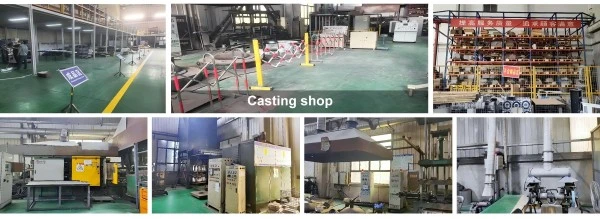
With gravity casting, ZL101A's great fluidity properties are used to make three-way pipe connections with complex internal pathways and constant wall thickness. The metal has a low loss rate of about 0.5 to 0.7%, which keeps differences in size between batches to a minimum and makes sure that parts can be used in different production runs. At Rongbao Enterprise, we use gravity casting to make connections that weigh 0.57 kg and have exact shapes that meet tight tolerances. This means that we don't have to make as many changes after the casting process is complete. By using this method, liquid metal can fill moulds just by gravity, without any turbulence that could cause holes or other defects. This makes dense castings with no holes that pass strict NDT testing standards.
The parts made with this method have the same grain structure across the whole cross-section, which means they will behave predictably when they are loaded. Since there is no high-pressure injection, the solidification patterns are softer, which lowers the internal stresses. This makes it less likely that the material will crack during later CNC machining processes or thermal cycles in service. For a casting fixed connector, this reduced residual stress is particularly beneficial, as it ensures reliable dimensional stability and joint integrity over repeated assembly and disassembly. With a production capacity of 5,000 pieces, we can meet the needs of both prototyping and large-scale industrial orders. This gives projects at different stages of development the freedom they need.
Performance Advantages Over Alternative Connection Methods
Compared to welded assemblies or mechanical fasteners, cast aluminium connectors made from ZL101A have a lot of great benefits. The low weight to strength ratio of these parts makes installation easier, especially when workers have to put fittings up high or in small spaces. A single-piece casting gets rid of the possible leak lines that come with units with more than one part, which makes the system more reliable. Using shot blasting to clean the surface makes a smooth surface that makes protective layers stick better or makes it easier to use directly in places where function is more important than looks.
The constant quality of these castings is useful for many fields, from HVAC systems to heavy machines. The repeatability of dimensions that helps automated assembly processes is valued by the automotive supply chains. Manufacturers of construction tools like that the corrosion protection makes parts last longer when they are installed outside. Thermal stability is useful for systems that handle fluids at high temperatures in the energy sector. Our Xi'an facility offers customised specs that meet the particular needs of these different industries. These are backed up by ISO9001:2015, ISO14001, and ISO45001 certifications that show our dedication to quality, safety, and caring for the environment.
Future Trends and Innovations in ZL101A Aluminum Alloy Castings for Pipe Connectors
Material Science Advancements Enhancing Performance
Better mechanical properties can be found in ZL101A compositions thanks to ongoing research into heat treatment protocols. T6 tempering processes that involve solution heat treatment and then artificial ageing can boost tensile strength by 15–20% compared to the material's as-cast state. This means that it can be used in places with higher stress levels. Using titanium-boron master alloys for grain processing reduces the size of the grains, making the material more flexible and less likely to tear when it cools. These improvements in metallurgy lead to better performance without having to completely change how things are made.
Coating technologies are changing to make them even more resistant to rust in harsh chemical conditions. In some situations, ceramic conversion coatings work better than standard anodising because they create hard walls that don't react with chemicals. Powder coating systems can be colour-coded to make them easier to find when they are being installed or serviced. Nanotechnology-based surface treatments are becoming commercially viable. They have self-healing properties that fix small scratches on their own, which means that they don't need to be fixed as often.
Smart Manufacturing and Quality Control Integration
The use of Industry 4.0 technologies is changing how casting operations keep an eye on and manage quality parameters in real time. IoT-enabled sensors built into casting equipment keep track of the melting point, the rate at which the mould is filled, and the cooling curves. These sensors connect process variables to the properties of the final part. This data is looked at by machine learning algorithms that can tell when process drift might affect quality. This lets them make changes that stop problems before they happen. This ability to predict the future lowers the amount of scrap that is made and raises the level of regularity that quality engineers value.
Automated inspection systems that use vision technology enhanced by artificial intelligence can find surface flaws that are too small for human inspectors to reliably pick up, catching problems before they happen. Digital twin technology lets you test connector designs virtually in simulated working conditions. This way, you can find the best shapes for distributing stress and controlling fluid flow before making the actual tools. These new ideas shorten the time it takes to create new products and lower the cost of bringing customised solutions to market. This is good for both providers and their customers.

Conclusion
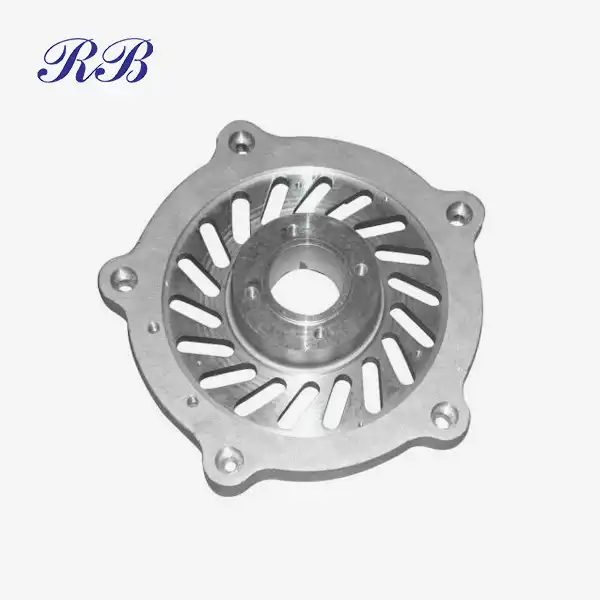
This aluminium metal, ZL101A, has great mechanical strength, thermal performance, and corrosion protection, which makes it a great choice for making pipe connectors. The material is very easy to cast using gravity casting methods, so it can be used to make complex shapes with few flaws. After casting, CNC machining and shot blasting are used to make the dimensions and surface characteristics perfect to meet exact requirements. For a casting fixed connector, this post-casting treatment is especially critical to ensure precise mating surfaces and reliable joint integrity under thermal cycling and vibration. The benefits of these parts are maximised when they are installed and maintained correctly, ensuring reliable long-term performance in a wide range of industrial settings. As the study of materials grows and smart production technologies get better, ZL101A castings will keep changing to meet the needs of more demanding applications while still being cost-effective enough for procurement workers.
FAQ
1. What makes ZL101A superior to other aluminum alloys for pipe connectors?
ZL101A is the best combination of being able to be cast and having the right mechanical properties for gravity casting. This material's silicon content makes it great for filling moulds, and the magnesium adds strength without affecting its flexibility. This mix makes parts that are consistently of high quality, have few holes, and are the right size. These qualities are better than what can be achieved with stronger alloys that need more complicated casting methods. Because it doesn't rust and doesn't change temperature, it can be used in places where other alloys would need protected coats, which lowers the cost of the whole system.
2. Can ZL101A connectors handle high-pressure applications?
With a tensile strength of 170 to 220 MPa, ZL101A castings can work safely in moderate-pressure systems like those used in HVAC, hydraulics, and pneumatics. Pressure values are based on the shape of the part, the thickness of the wall, and safety factors that are set by the design experts. Pressures up to 10 to 15 bar can be applied constantly to parts that are made with the right wall sections and stress-relieving features. For uses that need to handle higher pressures, heat treatment methods that improve mechanical qualities or design changes that make the best use of stress distribution may be helpful.
3. How does maintenance for ZL101A connectors compare to steel alternatives?
Because it doesn't need to be coated, ZL101A needs less maintenance than steel that isn't. The protective aluminium oxide layer forms on its own and grows back when it gets damaged, so there's no need to paint or coat it again every so often. Weight benefits make things easier to handle during inspections and replacements. The material doesn't rust, so it doesn't get dirty like steel systems that handle clean fluids do. Contact with different metals, on the other hand, needs galvanic separation to stop electrolytic corrosion. This is not as important for steel parts, though.
Partner with Rongbao Enterprise for Superior Casting Solutions
Rongbao Enterprise has been specialising in making aluminium alloys for 20 years and can meet your needs for pipe connectors. Our full range of production services includes gravity casting, CNC machining, and surface treatment. We send finished parts that are ready to be installed right away. We make three-way pipe connectors out of ZL101A material that meet strict quality standards. These standards are backed up by ISO9001:2015, ISO14001, and ISO45001 certifications, which give procurement teams the proof they need to qualify suppliers.
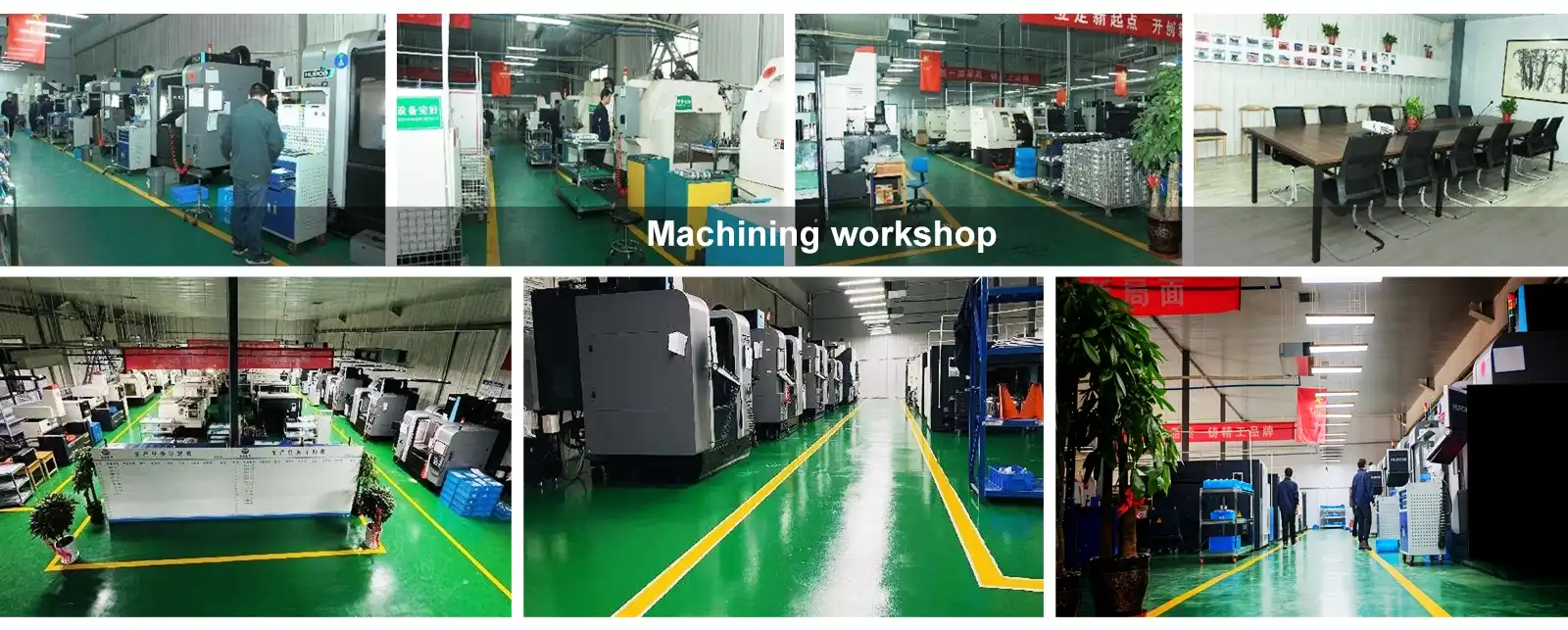
Our Xi'an facility has both new and skilled expert staff who can help with OEM/ODM customisation projects from the beginning to the end of production. We can make as few prototypes as you need or as many as 5,000 pieces, depending on the needs of your project. Our quality stays the same at all times. Managers in the supply chain like how clear our communication is and how reliable our delivery is, which makes planning inventory easier.
Get in touch with our team to talk about your specific application needs and get detailed technical datasheets that meet your performance standards. Get quotes for your casting fixed connector needs from Steve Zhou at steve.zhou@263.net or zhouyi@rongbaocasting.com. As a casting fixed connector supplier with a lot of experience, we're ready to show you how our all-around approach to quality and service can make your supply chain stronger.
References
1. Davis, J.R. (2001). "Aluminum and Aluminum Alloys." ASM International Handbook Committee, Materials Park, Ohio.
2. Campbell, J. (2015). "Complete Casting Handbook: Metal Casting Processes, Metallurgy, Techniques and Design." Butterworth-Heinemann, Oxford.
3. Kaufman, J.G. and Rooy, E.L. (2004). "Aluminum Alloy Castings: Properties, Processes, and Applications." ASM International, Materials Park, Ohio.
4. Belov, N.A., Aksenov, A.A., and Eskin, D.G. (2002). "Iron in Aluminum Alloys: Impurity and Alloying Element." Taylor & Francis, London.
5. Mondolfo, L.F. (1976). "Aluminum Alloys: Structure and Properties." Butterworths, London.
6. Hirsch, J. (2011). "Recent Development in Aluminum for Automotive Applications." Transactions of Nonferrous Metals Society of China, Volume 24, Issue 7.
Learn about our latest products and discounts through SMS or email