- English
- French
- German
- Portuguese
- Spanish
- Russian
- Japanese
- Korean
- Arabic
- Greek
- German
- Turkish
- Italian
- Danish
- Romanian
- Indonesian
- Czech
- Afrikaans
- Swedish
- Polish
- Basque
- Catalan
- Esperanto
- Hindi
- Lao
- Albanian
- Amharic
- Armenian
- Azerbaijani
- Belarusian
- Bengali
- Bosnian
- Bulgarian
- Cebuano
- Chichewa
- Corsican
- Croatian
- Dutch
- Estonian
- Filipino
- Finnish
- Frisian
- Galician
- Georgian
- Gujarati
- Haitian
- Hausa
- Hawaiian
- Hebrew
- Hmong
- Hungarian
- Icelandic
- Igbo
- Javanese
- Kannada
- Kazakh
- Khmer
- Kurdish
- Kyrgyz
- Latin
- Latvian
- Lithuanian
- Luxembou..
- Macedonian
- Malagasy
- Malay
- Malayalam
- Maltese
- Maori
- Marathi
- Mongolian
- Burmese
- Nepali
- Norwegian
- Pashto
- Persian
- Punjabi
- Serbian
- Sesotho
- Sinhala
- Slovak
- Slovenian
- Somali
- Samoan
- Scots Gaelic
- Shona
- Sindhi
- Sundanese
- Swahili
- Tajik
- Tamil
- Telugu
- Thai
- Ukrainian
- Urdu
- Uzbek
- Vietnamese
- Welsh
- Xhosa
- Yiddish
- Yoruba
- Zulu
What are gutter brackets?
Gutter brackets, which are also sometimes called gutter support brackets, are important structural parts that hold rainwater gutters to the outside of buildings. These metal or composite fittings keep the gutters in the right place and keep them from sagging when water, debris, and other environmental stressors get heavy on them. In business settings, gutter brackets are very important for keeping building foundations safe by efficiently directing water away. This keeps the structures of auto plants, heavy machinery factories and industrial complexes strong over time.
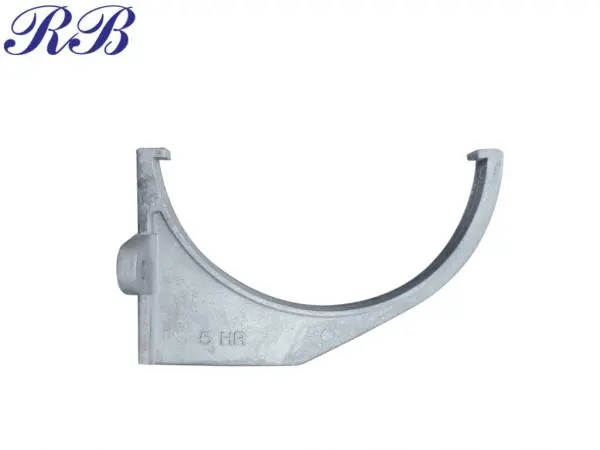
Gutter Brackets: Definition and Function
The Role of Structural Supports in Water Management Systems
Gutter hangers and gutter brackets are the most important parts of any good drainage system. Without the right support, drains will bend, become out of line, and eventually break when it freezes and thaws many times or when it rains a lot. These parts spread the load evenly across the fastening points, which stops the kind of intense stress that can cause fasteners to come loose or materials to wear out. Construction and heavy machinery procurement managers know that reliable gutter support brackets cut down on maintenance costs and make systems last a lot longer.
Material Science Behind Bracket Performance
Depending on the environment, modern gutter support brackets are made from a variety of alloys and composites. The ADC12 aluminum alloy, which is often used in pressure casting, has a great strength-to-weight ratio of about 0.1 kg per unit. This material remains the same size and shape at temperatures ranging from -40°F to 180°F, showing better rust protection than ferrous options. When engineers look at material specs, they like that ADC12 has mechanical qualities like a tensile strength of up to 46,000 psi and elongation rates that are good for dynamic loading situations. Because the alloy can be die-cast, it is possible to make complicated shapes that look better and still meet the structural performance standards needed for business installations.
Mechanical Principles Governing Load Distribution
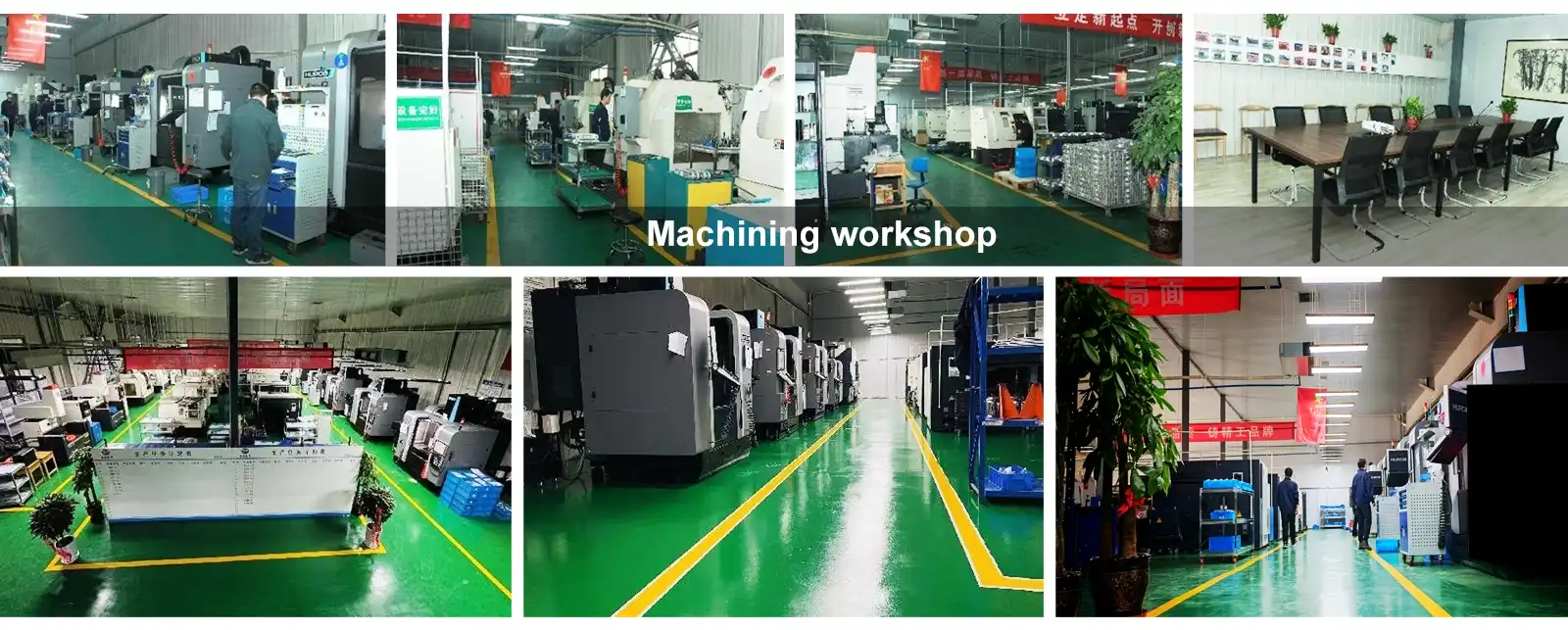
Cantilever physics and shear force calculations are important parts of good gutter support bracket design. The distance between each gutter is usually between 24 and 36 inches, but this depends on the gutter's profile, the thickness of the material, and the snow load requirements in the area. When quality engineers look at these systems, they make sure that the bolts keep the gutter pitch between 1/16 and 1/8 inch per foot. This keeps water moving naturally without pooling. The tolerances on CNC-machined gutter brackets are tighter than those made by stamping, which cuts down on installation time and improves alignment stability over long runs of more than 100 feet.
Types of Gutter Brackets and Their Applications
Fascia-Mounted Brackets for Structural Integration
Fascia gutter support brackets connect directly to the vertical board under the roofline and spread the weight of the building's structure across its framing. These styles can be used for both home improvements and business renovations where open rafter tails are not an option. When working with standing-seam metal roofs or when aesthetic concerns call for hidden fastening methods, engineers define fascia gutter brackets. The way the panels are mounted allows for adjustments during installation, which works for older buildings with different thicknesses and levels of straightness of the fascia boards.
Hidden Hangers for Architectural Applications
When installed inside the gutter trough, concealed hanger systems provide smooth exterior surfaces that are desirable for high-visibility projects. To keep things looking clean, hidden hangers are often asked for in auto showrooms, business offices, and public building projects. When these gutter support brackets are being made, they need to be carefully sized. CNC machining makes sure that the mounting flanges line up within 0.015-inch tolerances. Quality assurance teams make sure that when hidden gutter brackets are put correctly into stable supports, they keep a pullout strength of more than 250 pounds per fastener.
Custom Brackets for Specialized Industrial Requirements
Custom gutter support bracket solutions are often needed in places with a lot of heavy machinery and in the energy sector. Engineered gutter support brackets made to order are helpful for projects that have to deal with corrosive environments, high vibrations or gutter profiles that are too big. Pressure die casting is how Rongbao Enterprise makes customized gutter brackets with different mounting shapes, reinforcement ribs and built-in draining features. The factory can make up to 5,000 pieces per month, which is enough for both prototypes and full-scale production runs. This lets sourcing teams find specific parts without affecting shipping times.
How to Choose the Right Gutter Brackets for Your Procurement Needs?
Load Capacity Analysis for Commercial Applications
People who work in procurement have to make sure that gutter support bracket load ratings are right for the conditions at the site. Commercial-grade gutter brackets can hold 50 pounds or more, while standard residential units can hold about 20 pounds. Using gutter material, normal water flow, and yearly ice buildup, engineers figure out the total dead loads. For ice dam situations, facilities in northern areas need gutter brackets that can hold 150% of the estimated loads. The choice of material affects the capacity. For example, ADC12 aluminum gutter support brackets stay strong at temperatures that would break lower-grade alloys.

Material Compatibility and Surface Treatment Considerations
To stop galvanic rusting, the material of the gutter support brackets must match the material of the gutters. Aluminum gutter brackets work best with aluminum gutters, while steel supports need to be coated to protect them when they are used with metals that are not the same. If you treat the surface with shot blasting before powder coating or anodizing, the coating will stick better and the surface will have a uniform texture. This mechanical preparation gets rid of the dust from die casting and gets areas ready for further finishing steps. Quality experts check that measurements of surface roughness are within the range of 125 to 250 microinches Ra. This makes sure that the coating works well for 15 years in commercial settings.
Certification Requirements for B2B Sourcing
Suppliers with ISO 9001:2015, ISO 14001, and ISO 45001 certifications show they care about quality control, being good to the environment, and keeping workers safe. These standards are especially important when getting parts for aerospace uses that need to comply with AS9100 or car supply chains that are controlled by IATF 16949. Certified quality systems include lot control, document traceability, and corrective action protocols that make incoming inspections easier and help just-in-time inventory strategies work. To lower the risk in the supply chain as much as possible, procurement teams give more weight to suppliers who have documented quality systems that include material certification, dimensional inspection, and statistical process control.
Conclusion
Gutter support brackets are small parts that have a big effect on the stability of building structures. When buying these things, procurement professionals have to think about the science behind the materials, the quality of the manufacturing, the supplier's abilities, and the total cost. Precision die casting of aluminum alloy gutter support brackets makes them work best in business settings, especially when they are made under approved quality systems. Strategic relationships with providers who offer customization, technical support, and written process control make sure that the quality of each production batch is the same. Making smart choices about where to get things today will keep expensive mistakes from happening tomorrow, protecting both building assets and company reputations.

FAQ
1. How often should commercial gutter brackets be inspected?
Inspections should be done every six months, after the winter and before the monsoon season, on industrial and commercial installations. Facilities that are exposed to bad weather or a lot of trash may need to be inspected every three months. Standardized checklists should be used to record the condition of the gutter support brackets, the tightness of the fasteners, and the alignment of the gutters as part of inspection protocols that support predictive maintenance programs.
2. What compatibility issues arise when mixing bracket and gutter materials?
When metals that are not the same touch each other and there is moisture around, galvanic rusting happens. When you put aluminum gutter support brackets on top of steel gutters, you need insulating washers and fasteners that won't rust. Engineers choose material systems that work well together or use protective layers to keep metals from touching directly, which makes systems last longer in damp places.
3. Why invest in premium brackets over budget alternatives?
Higher-quality gutter support brackets made from certified metals that have controlled mechanical features work reliably under design loads. Premium parts have things like reinforced mounting ears, precisely drilled holes for fasteners, and long-lasting finishes on the outside. These features cut down on installation calls, increase the time between replacements, and lower lifetime costs, even though the original investment is higher.
Partner with a Trusted Gutter Support Bracket Manufacturer
Rongbao Enterprise makes gutter support brackets that are precisely designed and fit your exact needs. Our ADC12 aluminum die castings are surface treated with CNC machining and shot blasting to make sure they are the right size and won't rust in demanding commercial settings. Our quality management system is certified by ISO 9001:2015, ISO 14001, and ISO 45001, and it helps you reach your buying goals by keeping track of the whole process and letting you track down materials. We keep our monthly production capacity at 5,000 pieces, so we can handle both small prototypes and large orders with the same high quality. Get in touch with our team at steve.zhou@263.net or zhouyi@rongbaocasting.com to talk about gutter support bracket options that are made just for your project. Ask for specifics and prices for large orders right now.
References
1. Sheet Metal and Air Conditioning Contractors' National Association. (2022). "Architectural Sheet Metal Manual," 7th Edition.
2. American Society of Civil Engineers. (2021). "Minimum Design Loads and Associated Criteria for Buildings and Other Structures," ASCE/SEI 7-16.
3. Aluminum Association. (2020). "Aluminum Design Manual: Specifications & Guidelines."
4. National Roofing Contractors Association. (2023). "The NRCA Roofing Manual: Metal Panel and SPF Roof Systems."
5. International Organization for Standardization. (2021). "Quality Management Systems—Requirements," ISO 9001:2015.
6. Construction Specifications Institute. (2022). "MasterFormat: Sheet Metal Flashing and Trim," Division 07 62 00.
Learn about our latest products and discounts through SMS or email