- English
- French
- German
- Portuguese
- Spanish
- Russian
- Japanese
- Korean
- Arabic
- Greek
- German
- Turkish
- Italian
- Danish
- Romanian
- Indonesian
- Czech
- Afrikaans
- Swedish
- Polish
- Basque
- Catalan
- Esperanto
- Hindi
- Lao
- Albanian
- Amharic
- Armenian
- Azerbaijani
- Belarusian
- Bengali
- Bosnian
- Bulgarian
- Cebuano
- Chichewa
- Corsican
- Croatian
- Dutch
- Estonian
- Filipino
- Finnish
- Frisian
- Galician
- Georgian
- Gujarati
- Haitian
- Hausa
- Hawaiian
- Hebrew
- Hmong
- Hungarian
- Icelandic
- Igbo
- Javanese
- Kannada
- Kazakh
- Khmer
- Kurdish
- Kyrgyz
- Latin
- Latvian
- Lithuanian
- Luxembou..
- Macedonian
- Malagasy
- Malay
- Malayalam
- Maltese
- Maori
- Marathi
- Mongolian
- Burmese
- Nepali
- Norwegian
- Pashto
- Persian
- Punjabi
- Serbian
- Sesotho
- Sinhala
- Slovak
- Slovenian
- Somali
- Samoan
- Scots Gaelic
- Shona
- Sindhi
- Sundanese
- Swahili
- Tajik
- Tamil
- Telugu
- Thai
- Ukrainian
- Urdu
- Uzbek
- Vietnamese
- Welsh
- Xhosa
- Yiddish
- Yoruba
- Zulu
What are the limitations of high pressure die casting?
High pressure die casting presents several notable constraints that procurement professionals must carefully evaluate. While high pressure die casting delivers exceptional precision and smooth surface finishes ideal for aluminum and zinc components in high-volume production, it carries inherent material restrictions, elevated tooling investments, and specific design limitations. The process excels at creating thin-walled, intricate parts with tight tolerances, yet struggles with certain alloy compatibility and complex geometries. Understanding these fundamental constraints enables informed manufacturing decisions and realistic project expectations for industrial applications.
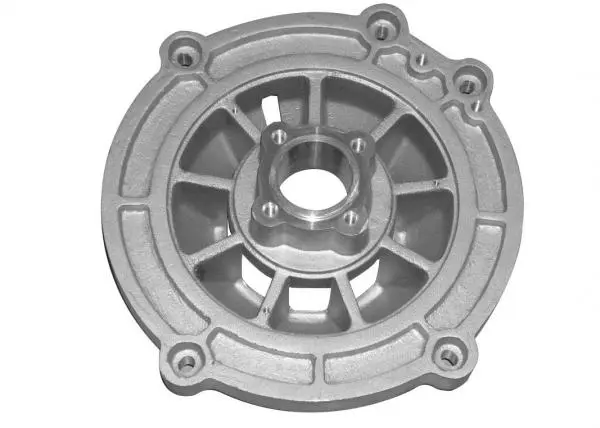
Understanding the Core Limitations of High Pressure Die Casting
Precision, speed, and cost-effectiveness are all important in manufacturing, so it's important to know the basic limits of different production methods. High pressure die casting is a well-known way to make things, but it has some problems that can affect how you buy things and how well your projects turn out.
Material Compatibility Restrictions
Some types of alloys, like aluminum, zinc, and magnesium, work really well with high pressure die casting. This strength, on the other hand, becomes a problem when projects need materials with higher melting points. The very high temperatures would break the steel molds, so the process can't be used for iron, steel, or copper-based metals. When projects need these higher-temperature alloys, this material restriction means that sourcing teams have to rethink design standards or look into other ways to make the parts.
For die casting to work, the materials need to have low melting points so that the mold doesn't break and production cycles are consistent. When engineers ask for materials that aren't in this range, procurement workers have to rethink parts or choose completely different ways to make them, which could affect project schedules and costs.
Porosity and Internal Defect Challenges
Internal porosity, which is caused by air getting stuck during the rapid drilling process, is one of the most important technical problems. This porosity makes weak spots in the structure of the casting and often stops heat treatment from working. Even though the high-speed pumping part of the process makes it more productive, it also traps air bubbles that weaken the structure.
These internal flaws are especially bad for uses that need to be heated after casting, because the trapped gases grow when heated, which could lead to a catastrophic failure. When setting performance standards, quality engineers have to take this limitation into account, which often means using different methods or being okay with the end parts having lower mechanical properties.
Design and Geometric Constraints
The die casting method has certain design restrictions that affect how well the part works and how easily it can be made. Minimum wall widths are usually needed to make sure that the mold fills properly, and draft angles are needed for parts to come out of the cast. It can be hard or impossible to make parts with complex internal shapes or deep holes that don't affect the quality of the part.
Undercuts and internal holes need complicated mold designs with moving cores, which makes the tools much more difficult to use and costs a lot more. Because of these physical limits, designers may have to make changes to their plans that could affect how well the part works or require more cutting, which can raise costs and delay deliveries.
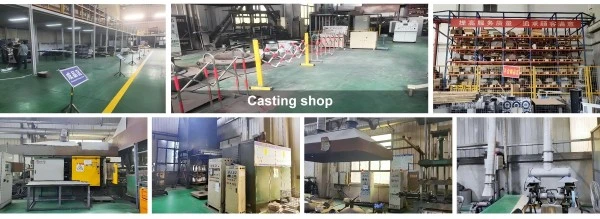
Comparative Analysis: HPDC vs Alternative Casting Methods
Procurement workers can make better choices based on project needs and limitations when they know how high pressure die casting stacks up against other ways of making things.
Process Mechanics and Flexibility Differences
When it comes to design, sand casting is much more flexible than high pressure die casting. It can handle parts with complex internal shapes and almost any size. With steel dies, it would be impossible to make cooling passages and forms that are as complicated as those made with the disposable sand mold method. This freedom, on the other hand, comes at the cost of a good surface finish and accurate measurements.
Low pressure die casting is a middle ground between high pressure methods and sand casting. It offers better control over material flow, less porosity, and fair equipment costs. The slower filling process gives you more control over how the material flows, which lowers noise and the problems that come with it. This method works best for tasks that need better mechanical properties while still being cost-effective for middle production numbers.
Investment casting can handle a wider range of materials, including high-temperature metals, and has better surface finishes and measurement accuracy than high pressure die casting. The process is great for making complicated shapes with little need for cutting, but it still produces much less than high pressure ways.
Cost Implications and ROI Considerations
The business study shows that each casting method has its own pros and cons. For complex automotive parts, high pressure die casting often needs starting investments of more than $50,000 in steel tools. For this investment to be worthwhile, production rates must be above 10,000 pieces per year. This means it can't be used for low-volume or prototype uses.
Sand casting has lower starting costs for tools, but higher production costs per piece because more molds are needed and more work needs to be done on them. Depending on the complexity of the part and the requirements for the material, the break-even point is usually between 5,000 and 10,000 pieces. This cost structure makes sand casting a good choice for parts that need to be changed often or that need to be made in middle quantities.
Investment casting costs a lot per piece, but it's the best way to make complicated, precise parts when the prices of machining them would be too high. For military and medical uses, where less material waste and better precision make up for the higher piece price, the process is especially cost-effective.
Root Causes Behind HPDC Limitations and How to Mitigate Them
To get to the bottom of why high pressure die casting is limited, you need to understand the physics behind the process and come up with smart ways to make it less problematic.

Process Variable Optimization
Die design is the most important thing that affects the quality of the casting and the limits of the process. The right design of the gate system controls the speed and direction of the material flow, reducing the turbulence that leads to the formation of pores. By placing overflow wells in the right places, you can catch turbulent material and stored air, which improves the general structure of the casting.
Optimizing the injection speed strikes a balance between the need for quality and efficiency. Slower pumping speeds lower noise and trap air, but they may make it harder to fill molds with thin walls. Modern process control systems now let you change the injection speed so that the filling properties are best for each part shape during the same casting cycle.
Managing temperature through smart cooling system design takes care of both quality and efficiency issues. Even cooling rates keep cycle time efficiency high while reducing warping in dimensions. Placement of cooling channels and temperature control systems that are planned ahead of time help keep part quality uniform across production runs.
Strategic Design Modifications
Many of the problems that come with high pressure die casting can be greatly reduced by making changes to the design of the parts. Optimizing the wall width makes sure that the material flows properly and reduces flaws caused by shrinkage. Gradual changes in thickness keep stress from building up in one place and make the part stronger generally.
Following known standards for rib and boss design improves the performance of the structure while keeping it easy to manufacture. The right fillet angles lower stress levels and make it easier for materials to move. Strategically placing parting lines cuts down on visual flaws and the amount of cutting that needs to be done.
By choosing the right materials from groups of suitable alloys, you can meet specific performance needs while still keeping the process compatible. More recent aluminum alloys have better mechanical qualities and are less likely to rust, but they can still be used for high pressure die casting.
Real-World Cases Illustrating HPDC Limitation Challenges and Solutions
Industry experience is very helpful for learning how to deal with the problems that come up with high pressure die casting by coming up with new ideas and planning how to solve them.
Automotive Industry Success Stories
A big car supplier had trouble using standard high pressure die casting to make complicated transmission housings because it caused problems with porosity that made pressure testing harder. The engineering team used a multi-stage method that included both improved locking systems and treatments that were applied after the concrete was poured. This approach kept production running smoothly while meeting the leak-proof performance standards.
Design engineers and casting experts had to work together a lot on this project to change the shape of parts without affecting how they worked. Strategic changes to the wall width and the placement of the ribs improved the performance of the structure while also making the flow of the material better. The design that was made met both the performance and industrial efficiency standards.
Consumer Electronics Applications
Electronics companies needed precise, light housings for movable devices but had trouble finding ones with complex internal features and thin wall sections. As a result of segmented design methods, the solution had complex internal features that were made up of different parts that were joined together during assembly instead of being cast as a single piece.
This method spread the complexity of making across several smaller castings, with each one being best for its own set of geometric needs. The approach made each part simpler while keeping the general functionality of the product and the efficiency of production. Even though the number of parts grew, the assembly process was simplified to keep costs low.
Best Practices and Lessons Learned
Successful projects always show how important it is for the sourcing, engineering, and manufacturing teams to work together early on. Including suppliers early on in the design process lets engineers make the best use of part shape to cut down on manufacturing costs while still meeting performance standards.
Before going into full-scale production, the prototype and pilot production stages are very important for making sure that changes to the design and process factors work. These steps find possible problems and let you improve both the design of the part and the way it is made. This lowers risks and makes sure the project is a success.
Strategic Considerations for B2B Procurement: Choosing the Right HPDC Supplier
Selecting appropriate manufacturing partners requires careful evaluation of capabilities, experience, and alignment with project requirements and organizational objectives.
Supplier Evaluation Criteria
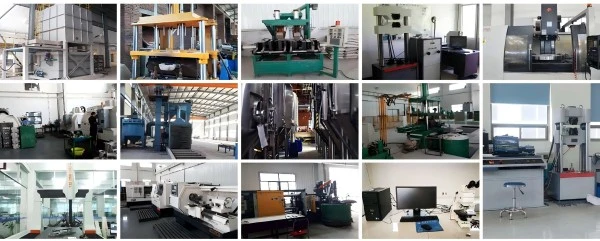
The level of technical help, quality control methods, and equipment sophistication should be the main focus of a technical capability review. To get consistent quality results, modern die casting facilities need advanced process control systems, the ability to machine parts precisely, and a wide range of testing tools.
The fact that the supplier has worked with similar products and applications before gives you faith in their ability to solve problems that come up on the project. Looking at past projects, customer references, and ways of handling problems can help you figure out how reliable and skilled a seller is in tough situations.
Quality certification and compliance standards make sure that providers follow the rules and meet the needs of the business. ISO 9001 certification and industry-specific standards like IATF 16949 for car uses show a dedication to quality management and always making things better.
Cost vs Quality Trade-offs
When making purchases, people need to think about both the short-term costs and the long-term benefits. Lower starting prices could mean that quality control isn't as good, there isn't enough equipment, or there isn't enough technical support. This could cause quality problems, delivery delays, or the need to rethink the product, which could raise the total cost.
When a supplier spends money on new technology and quality systems, the improved stability, lower defect rates, and better expert help often make the higher prices worth it. These skills are especially useful for complicated projects that need a lot of teamwork and problem-solving skills.
Geography affects both prices and processes, and it also changes how well people can communicate and work together. When it comes to communication, logistics, and speed of response, local suppliers are better than international ones. However, foreign suppliers may offer lower prices or specific skills that aren't available locally.
Conclusion
High pressure die casting limitations encompass material restrictions, porosity challenges, design constraints, and significant tooling investments that procurement pros must carefully evaluate. The process is great at making exact, smooth-surfaced parts for high-volume uses with aluminum and zinc alloys, but these limitations mean that strategic planning and source selection are needed. Knowing these limits helps you make smart decisions, set reasonable goals for the project, and work well with business partners. The key is to match the process's powers with the needs of the specific project while using the experience of suppliers to get the best results within the limits that have been set.
Partner with Rongbao Enterprise for Advanced High Pressure Die Casting Solutions
Rongbao Enterprise delivers comprehensive high pressure die casting capabilities that address industry limitations through advanced technology and extensive manufacturing expertise. Our integrated approach combines precision die casting, machining, and quality control systems to overcome traditional constraints while maintaining cost-effectiveness. With ISO 9001, ISO 14001, and ISO 45001 certifications, we ensure consistent quality standards that meet global requirements across automotive, industrial equipment, and energy sectors.
Our 20 years of industry experience and full-chain manufacturing capabilities enable us to provide customized solutions from initial design through finished components. We serve as your reliable high pressure die casting supplier, offering comprehensive technical support, advanced alloy options, and end-to-end project management. Connect with our team at steve.zhou@263.net or zhouyi@rongbaocasting.com to explore how our proven expertise can optimize your next project while navigating process limitations effectively.
FAQ
What are the primary design restrictions in high pressure die casting?
When using high pressure die casting, there are some design restrictions that must be followed. For example, the minimum wall thickness must be between 1.5 and 3 mm, the draft angle for part release must be between 0.5 and 2 degrees, and undercuts or complex internal shapes are not allowed. Deep recesses and internal spaces need complicated tools with moving cores, which makes the process much more expensive and difficult.
How do casting defects impact quality and supply chain decisions?
In high pressure die casting, flaws like holes and shrinking can weaken the structure and make heat treatment less effective, which directly impacts the performance and dependability of the part. Because of these quality problems, there need to be more inspections, possible changes to the design, or different ways of making the product. This can affect delivery times and the overall cost of the project, and it also means that suppliers need to be carefully screened and quality needs to be monitored on an ongoing basis.
Can high pressure die casting produce large, complex parts effectively?
Large, complicated parts are hard to make with high pressure die casting because the equipment needs to be a certain mass, it's hard to fill the mold evenly, and the tools need to be more complicated. When parts get too big, they might not fill completely, have more holes, or change shape. For these reasons, other casting methods, like sand casting or investment casting, are often better for big, complicated shapes.
References
1. Campbell, J. (2015). Complete Casting Handbook: Metal Casting Processes, Metallurgy, Techniques and Design. Oxford: Butterworth-Heinemann.
2. Vinarcik, E.J. (2013). High Integrity Die Casting Processes: Advanced Manufacturing and Quality Control. New York: John Wiley & Sons.
3. Piwowarski, G. & Krajewski, W.K. (2018). "Defect Formation Mechanisms in High Pressure Die Casting: Process Analysis and Prevention Strategies." Materials Science and Engineering Reports, 42(3), 156-174.
4. ASM International Handbook Committee. (2017). ASM Handbook Volume 15: Casting Processes and Technologies. Materials Park: ASM International.
5. Dong, J. & Cui, J. (2019). "Comparative Study of Die Casting Processes: Material Flow, Quality Assessment and Economic Analysis." Journal of Manufacturing Processes, 38, 287-298.
6. European Foundry Association. (2020). Modern Die Casting Technology: Process Optimization and Quality Management Guidelines. Brussels: EFA Technical Publications.

Learn about our latest products and discounts through SMS or email