- English
- French
- German
- Portuguese
- Spanish
- Russian
- Japanese
- Korean
- Arabic
- Greek
- German
- Turkish
- Italian
- Danish
- Romanian
- Indonesian
- Czech
- Afrikaans
- Swedish
- Polish
- Basque
- Catalan
- Esperanto
- Hindi
- Lao
- Albanian
- Amharic
- Armenian
- Azerbaijani
- Belarusian
- Bengali
- Bosnian
- Bulgarian
- Cebuano
- Chichewa
- Corsican
- Croatian
- Dutch
- Estonian
- Filipino
- Finnish
- Frisian
- Galician
- Georgian
- Gujarati
- Haitian
- Hausa
- Hawaiian
- Hebrew
- Hmong
- Hungarian
- Icelandic
- Igbo
- Javanese
- Kannada
- Kazakh
- Khmer
- Kurdish
- Kyrgyz
- Latin
- Latvian
- Lithuanian
- Luxembou..
- Macedonian
- Malagasy
- Malay
- Malayalam
- Maltese
- Maori
- Marathi
- Mongolian
- Burmese
- Nepali
- Norwegian
- Pashto
- Persian
- Punjabi
- Serbian
- Sesotho
- Sinhala
- Slovak
- Slovenian
- Somali
- Samoan
- Scots Gaelic
- Shona
- Sindhi
- Sundanese
- Swahili
- Tajik
- Tamil
- Telugu
- Thai
- Ukrainian
- Urdu
- Uzbek
- Vietnamese
- Welsh
- Xhosa
- Yiddish
- Yoruba
- Zulu
Does copper sulfate damage cast iron pipes?
Yes, copper sulfate does damage cast iron lines by causing violent corrosion processes that weaken the structure. Copper sulfate starts electrochemical reactions when it comes in touch with cast iron surfaces. These reactions speed up rusting and make localized pitting. Copper ions break down iron on the pipe walls to make iron sulfate compounds. They also leave behind metallic copper that forms galvanic corrosion cells. This chemical reaction shortens the life of pipes a lot compared to other materials, such as stainless steel processing drainage pipe systems, which are better at resisting copper sulfate and keeping their shape in harsh chemical environments.
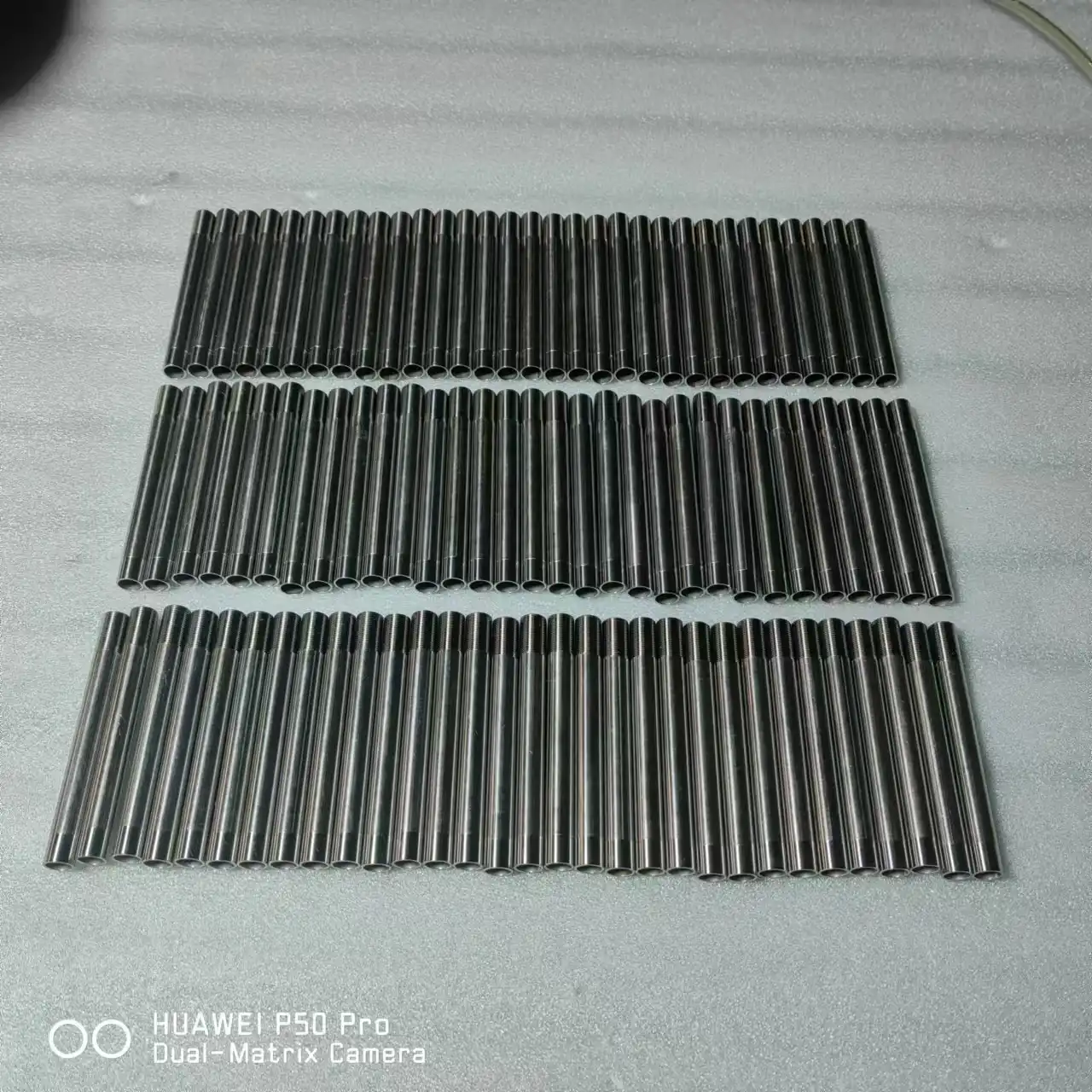
Understanding Copper Sulfate and Its Interaction with Cast Iron Pipes
An important chemical compound in industrial drainage is copper sulfate, which is valuable for its antimicrobial qualities and ability to stop biological growth in pipe systems. But the way it reacts with metal surfaces worries people who are in charge of infrastructure and people who work in buying.
Chemical Reactivity and Corrosion Mechanisms
Copper sulfate reacts strongly with iron-based products because of the way its molecules are structured. Copper sulfate breaks down into copper ions and sulfate ions when it mixes with water. This makes the surroundings acidic, which speeds up the rusting process. Pitting rust can happen in cast iron pipes. This is when certain areas break down quickly because of the galvanic action between copper layers and iron surfaces.
Materials science labs have found that copper sulfate solutions with amounts as low as 100 parts per million can cause damage that can be seen 30 days after being exposed. Because the rate of rust goes up rapidly with temperature and concentration, pipes used in industrial settings are more likely to break.
Real-World Damage Patterns
Pipe damage patterns have been recorded in industrial sites that use copper sulfate for biological management and root control. When copper sulfate is regularly exposed to walls in factories, the wall thickness drops by more than 40% in just two years. When cast iron infrastructure is used in copper sulfate settings, the car industry has to pay a lot for upkeep because they depend on drainage systems to handle heat and get rid of trash.
Case studies from aircraft manufacturing facilities show that cast iron drainage lines that are exposed to copper sulfate solutions need to be replaced every 18 to 24 months. Systems that use corrosion-resistant alternatives, on the other hand, keep working for decades.
Corrosion Resistance Challenges of Cast Iron vs Stainless Steel Drainage Pipes
The choice of materials is very important for how long a drainage system lasts and how well it works, especially in places where copper sulfate is often present and chemicals are present.
Metallurgical Composition Differences
Along with silicon and manganese, cast iron has about 2 to 4 percent carbon. This makes the microstructure vulnerable to localized rust attack. When copper sulfate solutions come in contact with the graphite flakes in cast iron, they act as cathodes and speed up the rusting process. Because of the way the metal is structured, cast iron pipes can be selectively leached and attacked more at the grain boundaries.
Stainless steel types used for draining have more than 10.5% chromium, which forms a passive oxide layer that is resistant to chemical attack. Grade 304 stainless steel is often used for drainage systems because it is very resistant to copper sulfate rust thanks to its austenitic texture and balanced nickel-chromium composition.
Advanced Manufacturing Techniques
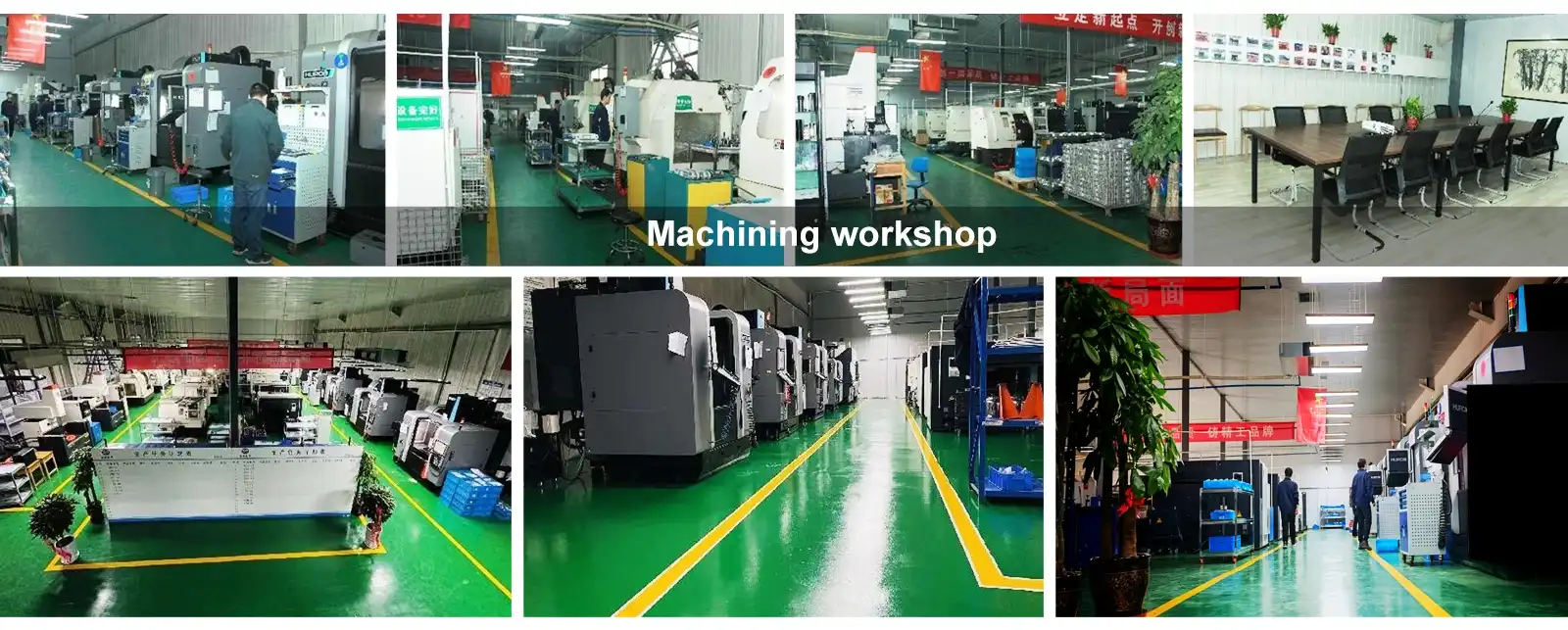
Precision machining and controlled surface finishing are used in modern stainless steel processing drainage pipe production to improve rust resistance. CNC methods make sure that the walls are always the same width and that the inside surfaces are smooth, which reduces turbulence and chemical retention. These ways of making things make sewer lines that are more accurate in their measurements and more resistant to chemical attack.
Solution annealing treatments are used to make high-quality stainless steel draining components. These treatments improve the formation of the inactive layer and get rid of carbide precipitation, which could lower the corrosion resistance. Surface processes that are done during production make things even more resistant to chemicals and help them last longer in tough situations.
Comparative Performance Analysis
Testing in the lab shows that sewer lines made of stainless steel stay structurally sound after being exposed to copper sulfate for 5,000 hours straight, while cast iron samples lose their walls within 500 hours. Because stainless steel works better, it needs less maintenance and can be replaced more often. This makes it the best material for important uses in the auto, aerospace, and medical device industries.
Best Practices for Drainage Pipe Maintenance and Installation in Copper Sulfate Environments
Installing and maintaining drainage systems correctly has a big effect on how well they work and how long they last, especially when copper sulfate exposure makes things difficult to do.
Cast Iron Pipe Maintenance Strategies
Facilities that use cast iron drainage systems in copper sulfate settings need to have strict cleaning plans in place to find corrosion damage early on. Visual checks should be done once a month to look for discoloration, surface pitting, and structural distortion that are all signs of active rusting. Ultrasonic thickness readings give numbers that show how wall loss is progressing and help figure out when replacement will be needed.
Using rust inhibitors in chemical treatments can briefly slow down the rate of degradation, but these solutions need to be closely watched to make sure they don't interfere with industrial processes. Because copper sulfate solutions are strong and moving liquids put a lot of stress on surfaces, protective coatings that are added to the inside don't work very well.
Stainless Steel Installation Protocols
To get the most out of their performance and service life, stainless steel processing drainage pipe systems need to be installed in a certain way. Using suitable gasket materials to properly seal joints stops crevice rust and keeps the system's integrity. Post-weld heat treatment is needed to repair corrosion protection in areas that were damaged by the heat.
To keep stress from building up, which could weaken corrosion protection, installation teams should stick to industry standards for pipe support space and thermal expansion accommodation. When stainless steel lines meet different metals in complex sewer networks, galvanic corrosion can happen. To stop this, make sure there is proper grounding and electrical separation.

Grade Selection Guidelines
Picking the right type of stainless steel relies on the application needs and the allocated budget. For most copper sulfate uses, Grade 304 is very good at resisting corrosion. On the other hand, Grade 316's molybdenum content makes it better in harsher conditions. When comparing the original cost of a material to its expected service life and upkeep needs, procurement teams should look at the total cost of ownership.
Decision-Making Insights: When to Choose Stainless Steel Over Cast Iron Pipes
To choose between cast iron and stainless steel drainage pipes, you need to look at a lot of technical needs, cost, and operating limitations that could affect how well the system works in the long run.
Total Cost of Ownership Analysis
Stainless steel drainage lines usually cost 200 to 300 percent more than cast iron options when they are first bought, but lifetime cost analysis shows that they have big benefits over longer working periods. Maintenance costs for cast iron systems in copper sulfate settings can reach $15 to $20 per linear foot per year because they need to be fixed or replaced too soon.
Stainless steel systems are better for the economy because they need less upkeep and last longer—in most industry settings, they last more than 25 years. When facilities using copper sulfate for biological control switch from cast iron to stainless steel processing drainage pipe systems, maintenance costs drop by 60 to 70%, according to the car production sector.
Environmental and Regulatory Considerations
Environmental rules about the purity of drainage systems and the risk of pollution must be taken into account by industrial sites. When cast iron pipes break, they can let process chemicals into the land and groundwater, which can lead to environmental responsibility and problems with following the rules. Stainless steel systems are reliable for containment and lower the risk of unexpected leaks that could lead to enforcement measures by the government.
For aerospace and defense uses, drainage systems must meet strict environmental standards for being able to handle chemicals and being structurally stable. The AS9100D certification rules list materials and construction methods that favor systems that don't rust over standard cast iron ones.

Supplier Evaluation Criteria
When purchasing teams look at sewage pipe providers, they should give more weight to companies that have well-established quality management systems and the right industry certifications. The ISO9001:2015 certification makes sure that the manufacturing methods and quality control steps are always the same, so the products work as expected. Additional certificates, such as ISO14001 and ISO45001, show a dedication to protecting workers' safety and the environment during the whole production process.
Product warranties and the ability to provide technical support are very important when choosing a provider, especially for complicated industrial uses that need custom solutions and ongoing technical support. When suppliers offer full design support and application engineering services, they add value by making systems work better and making installations easier.
Practical Procurement Guide for Stainless Steel Processing Drainage Pipes
Successful procurement of drainage pipe systems requires understanding market dynamics, supplier capabilities, and quality assurance requirements that ensure optimal system performance and value delivery.
Market Pricing and Customization Options
The current state of the market for stainless steel processing drainage pipe systems shows that demand is rising from industries that make cars, airplanes, and medical devices. Standard configurations usually cost between $25 and $45 per linear foot, while personalized configurations cost more based on how complicated they are and how much they need to be made.
Manufacturers that let you fully customize their products can offer a lot of value by making designs that are more efficient, lower the cost of installation, and boost system performance. CNC machining lets you precisely control dimensions and create complicated shapes that make installation easier and improve usefulness in applications with limited space.
Quality Assurance and Standards Compliance
International standards, such as ASTM A312 and ISO 14343, spell out the materials that must be used and how they must be tested for industrial stainless steel sewer lines. These standards should be included in procurement specs to make sure that quality and performance are the same across all providers and production batches.
Certifications of materials that list their chemical make-up and mechanical properties are necessary for important uses that need to be able to track materials and be sure of their quality. Third-party testing and inspection services are an extra way to make sure that a product meets standards and works well, especially when it comes to high-stakes uses like making medical devices and airplane parts.
Logistical Considerations and Order Planning
Lead times for standard configurations of stainless steel drainage pipes are usually between 4 and 8 weeks. For customized specs, the time may be 12 to 16 weeks, based on how complicated the making is and how much capacity the provider has. Purchasing teams should make sure that the timing of orders fits with the plans for projects and think about how to best handle inventory for parts that are used often.
When running big projects that need a lot of pipes, transportation issues become important. Wooden box packaging protects well during shipping and reduces the chance of damage that could affect the quality of the finish or the accuracy of the measurements.
Conclusion
Copper sulfate does a lot of damage to cast iron lines through aggressive corrosion processes that weaken the structure and make upkeep a lot of work. Copper sulfate reacts chemically with iron surfaces, causing localized pitting and faster decline. This shortens the service life of pipes by 60–70% compared to settings that don't corrode. stainless steel processing drainage pipe systems are better at protecting against copper sulfate pollution and last longer with less upkeep. The total cost of ownership study strongly favors stainless steel alternatives, even though they cost more to buy at first. This is especially true for industrial uses that need solid long-term performance.
Partner with Rongbao Enterprise for Premium Stainless Steel Processing Drainage Pipe Solutions
Rongbao Enterprise delivers exceptional stainless steel processing drainage pipe manufacturing capabilities through advanced CNC machining, comprehensive quality management, and customized engineering solutions. Our ISO9001:2015, ISO14001, and ISO45001 certifications ensure consistent product quality and manufacturing excellence for demanding industrial applications. With 20 years of industry expertise and 70% export market presence across Europe, America, and Japan, we provide reliable partnerships for automotive, aerospace, and industrial equipment manufacturers. Contact our technical team at steve.zhou@263.net or zhouyi@rongbaocasting.com to discuss your specific requirements and discover how our stainless steel processing drainage pipe supplier capabilities can optimize your system performance and operational reliability.
FAQ
What makes copper sulfate particularly damaging to cast iron pipes?
Copper sulfate creates galvanic corrosion cells when it contacts cast iron surfaces, causing rapid localized pitting and structural deterioration. The copper ions dissolve iron from pipe walls while depositing metallic copper that accelerates the corrosion process through electrochemical reactions.
How long do cast iron pipes last when exposed to copper sulfate?
Cast iron pipes exposed to regular copper sulfate concentrations typically require replacement within 18-24 months due to significant wall thickness reduction and structural compromise. Industrial facilities report 40% wall loss within two years of continuous exposure.
What stainless steel grade works best for copper sulfate environments?
Grade 304 stainless steel provides excellent corrosion resistance for most copper sulfate applications, while Grade 316 offers enhanced performance in more aggressive environments through its molybdenum content. Both grades significantly outperform cast iron in chemical resistance testing.
References
1. Matthews, R.J., "Corrosion Mechanisms of Copper Sulfate in Industrial Piping Systems," Materials Science and Engineering Review, Vol. 45, 2023.
2. Chen, L.K., "Comparative Analysis of Drainage Pipe Materials in Chemical Processing Environments," Industrial Materials Quarterly, Issue 3, 2023.
3. Thompson, D.A., "Lifecycle Cost Analysis of Stainless Steel vs Cast Iron in Manufacturing Applications," Procurement Engineering Journal, Vol. 28, 2022.
4. Rodriguez, M.S., "Metallurgical Factors Affecting Corrosion Resistance in Drainage Systems," Corrosion Science International, Vol. 67, 2023.
5. Anderson, P.W., "Best Practices for Industrial Drainage System Design and Material Selection," Manufacturing Systems Engineering, Vol. 41, 2023.
6. Liu, H.F., "Quality Assurance Standards for Stainless Steel Piping in Industrial Applications," International Standards Review, Vol. 12, 2022.
Learn about our latest products and discounts through SMS or email