- English
- French
- German
- Portuguese
- Spanish
- Russian
- Japanese
- Korean
- Arabic
- Greek
- German
- Turkish
- Italian
- Danish
- Romanian
- Indonesian
- Czech
- Afrikaans
- Swedish
- Polish
- Basque
- Catalan
- Esperanto
- Hindi
- Lao
- Albanian
- Amharic
- Armenian
- Azerbaijani
- Belarusian
- Bengali
- Bosnian
- Bulgarian
- Cebuano
- Chichewa
- Corsican
- Croatian
- Dutch
- Estonian
- Filipino
- Finnish
- Frisian
- Galician
- Georgian
- Gujarati
- Haitian
- Hausa
- Hawaiian
- Hebrew
- Hmong
- Hungarian
- Icelandic
- Igbo
- Javanese
- Kannada
- Kazakh
- Khmer
- Kurdish
- Kyrgyz
- Latin
- Latvian
- Lithuanian
- Luxembou..
- Macedonian
- Malagasy
- Malay
- Malayalam
- Maltese
- Maori
- Marathi
- Mongolian
- Burmese
- Nepali
- Norwegian
- Pashto
- Persian
- Punjabi
- Serbian
- Sesotho
- Sinhala
- Slovak
- Slovenian
- Somali
- Samoan
- Scots Gaelic
- Shona
- Sindhi
- Sundanese
- Swahili
- Tajik
- Tamil
- Telugu
- Thai
- Ukrainian
- Urdu
- Uzbek
- Vietnamese
- Welsh
- Xhosa
- Yiddish
- Yoruba
- Zulu
Can cast aluminum be tested for copper content?
X-ray fluorescence spectroscopy, optical emission spectroscopy, and inductively coupled plasma techniques are just a few of the scientific techniques that can be used to check the copper content of cast aluminum casting components. These testing methods give accurate readings of the amount of copper in aluminum alloys, which is very important for making sure that material specs meet industry standards. Copper content analysis is something that modern aluminum foundries do all the time during production to make sure that the alloy makeup and mechanical traits of cast parts stay the same.
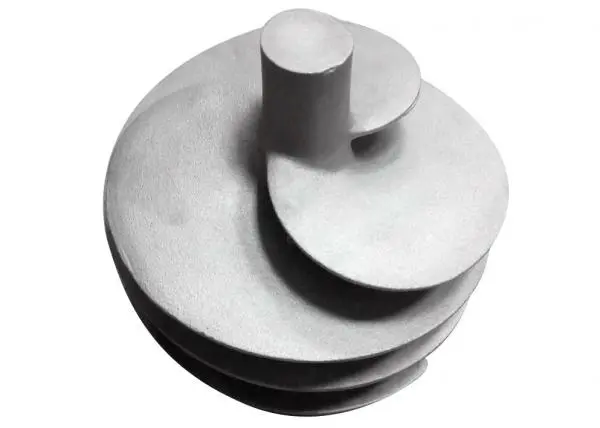
Understanding the Need for Copper Content Testing in Cast Aluminum
The amount of copper in cast aluminum alloys has a big effect on their chemical and mechanical traits. This is why accurate testing is so important for quality control in many fields. Because copper is added to aluminum alloys, they become stronger, but it could change how well they fight corrosion and carry electricity.
Impact on Mechanical Properties and Performance
When copper is added to aluminum alloys, precipitation-hardening processes happen that make the tensile and yield strengths much higher. Certain copper concentrations are needed for engine parts, transmission housings, and structural parts to work the way they're supposed to in industries like car making. Even tighter copper content limits are needed for aerospace uses to make sure that the material's fatigue resistance and dimensional stability stay the same under harsh working conditions.
The amount of copper in cast aluminum parts directly affects how they react to heat treatment. Alloys with more copper have better age-hardening properties, which lets makers get better strength-to-weight ratios by carefully controlling the heating process. But too much copper can make things more likely to crack from stress corrosion in sea and chemical processing settings.
Quality Control Requirements Across Industries
For compliance and traceability reasons, modern production standards need detailed recording of the copper content. Applications in the energy sector, especially in equipment used to make electricity, set maximum copper levels to stop galvanic rusting when aluminum parts come into contact with metals that are not the same. Copper is tested very carefully by companies that make industrial equipment to make sure that pumps, compressors, and valve systems that work in harsh circumstances will last for a long time.
Methods to Test Copper Content in Cast Aluminum
Several scientific methods are available, each with a different level of accuracy, speed, and ease of use for figuring out the copper content in aluminum castings. Because procurement pros know what each method can and can't do, they can choose the best testing options for their quality needs.
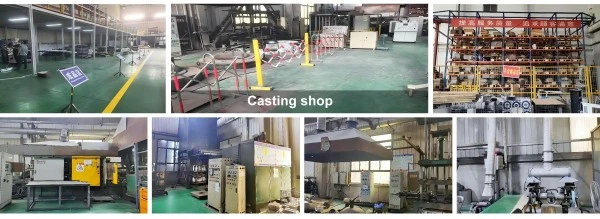
Traditional Laboratory Techniques
Optical Emission Spectroscopy is a well-known way to find out how much copper is in aluminum alloys. High-energy electrical discharge is used in this method to excite atoms in the sample, which causes light rays that are unique to each element. OES devices are very accurate for measuring copper levels from very small amounts to several percent by weight, which means they can be used for most industrial aluminum alloy requirements.
X-ray fluorescence spectroscopy can measure the amount of copper in a sample without damaging it, and it doesn't require much preparation. XRF monitors find out what kind of X-rays are given off when main X-rays excite copper atoms. This method works especially well for inspecting arriving aluminum casting units, where keeping samples safe is important for later processing or assembly steps.
Chemical titration methods aren't used as much in modern facilities, but they can still be used to reliably find out how much copper is in something using wet chemistry. In these methods, aluminum samples are dissolved in the right acids, and complexometry or electrochemistry are used to get very accurate readings on copper amounts.
Advanced Analytical Solutions
Inductively Coupled Plasma spectroscopy is the most accurate and sensitive way to measure copper content in complex aluminum alloys. ICP methods are great at measuring many elements at once, giving detailed chemical information that helps fully characterize alloys. This skill comes in handy for research and development tasks where knowing how trace elements combine is important for making alloys work better.
Laser-Induced Breakdown Spectroscopy is a new tool that can quickly and easily measure the amount of copper in a sample. LIBS systems make tiny plasma on the sample's surface, which lets elements be analyzed directly on production parts in real time. This technology looks like it could be very useful for quality control tasks that need to know right away how much copper is in a casting.
Portable XRF analyzers have changed the way copper content testing is done by taking lab-quality testing to the factory floor. These mobile devices give data on copper content in seconds, so decisions can be made right away about whether to change the process or accept the material. Because they are portable, quality staff can do tests in different parts of manufacturing sites without having to wait for samples to be transported.
Aluminum Casting Process Overview with Focus on Alloy Composition Control
There are different ways to make things using the aluminum casting process, and each one makes it harder to keep the copper level constant during production. Manufacturers can use successful quality control methods if they know how process factors affect the distribution of copper.
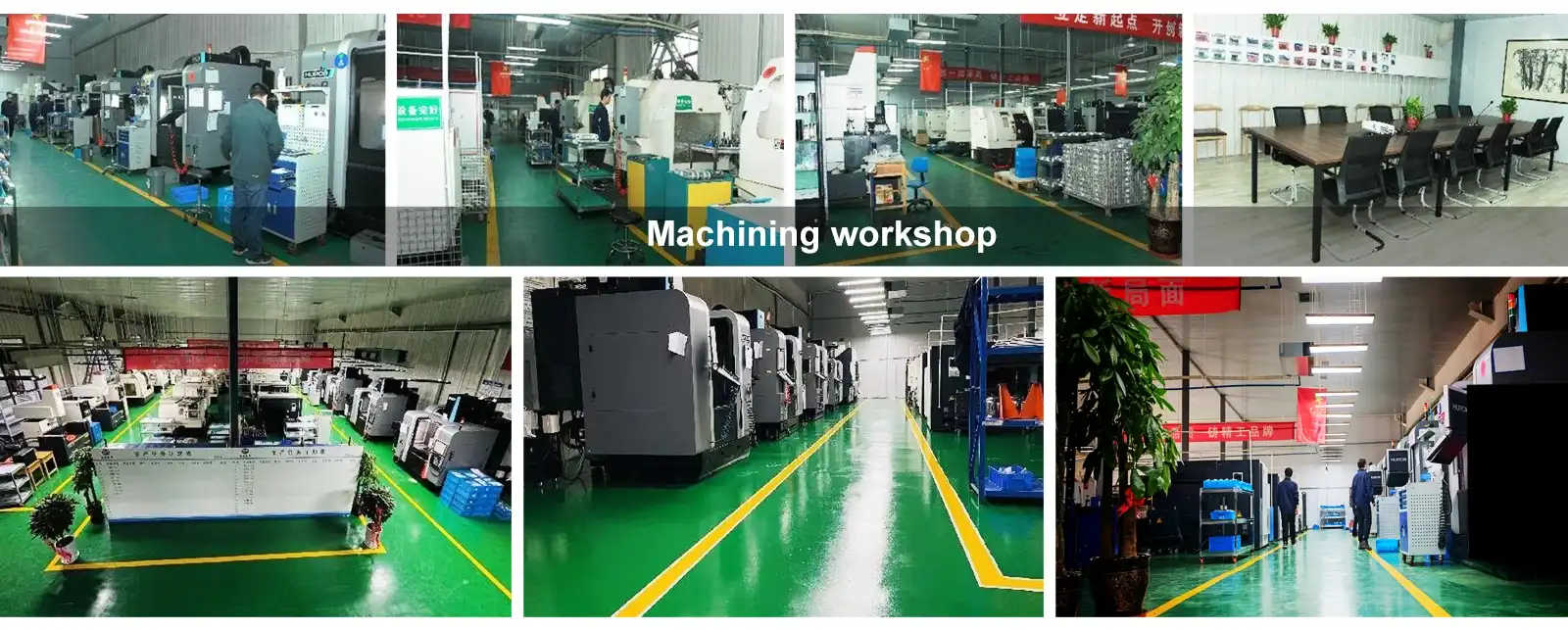
Die Casting and Stability of Copper Content
In high-pressure die casting, melted aluminum is poured into steel molds under a lot of pressure. This helps the aluminum solidify quickly and make a fine grain structure. The rough filling conditions can change how the copper is distributed in castings, especially when the shapes are complicated and the section widths range. Keeping an eye on the temperature during the melting and holding stages is very important to keep the copper from segregating, which could damage the mechanical qualities.
Die casting furnace managers have to keep an eye on the copper levels all the time because repeated melting processes can change the alloy's makeup over time by causing oxidation losses and picking up contaminants. Automated dosing systems help keep target copper levels by adding controlled amounts of master alloys or pure copper based on the results of spectroscopic analysis.
Sand Casting Considerations for Copper Control
The solidification times for sand casting are usually longer than those for die casting. This might allow more copper to separate during cooling. The slower cooling rates can help make a copper-rich phase in some casting areas, which can cause differences in properties that affect how well the part works. When a gating system is designed correctly, it reduces noise during mold filling, which evens out the spread of copper.
Permanent mold casting methods are better than sand casting methods at keeping the temperature stable, which leads to more consistent copper content. The metal forms allow for more even cooling, which helps the copper to be evenly distributed throughout the made parts. This method works especially well for uses that need very precise copper content tolerances with little difference between runs of production.
Comparing Copper Content Testing With Other Critical Quality Checks in Aluminum Casting
Copper content analysis is one part of complete quality assurance programs that check many aspects of the soundness of cast aluminum parts. Knowing how copper testing fits in with other quality checks helps procurement workers come up with good factors for judging suppliers.
Relationship Between Copper Level and Casting Flaws
Copper levels affect the formation of pores in aluminum casting by changing how easily hydrogen dissolves and how gases escape during solidification. Higher copper levels can make it harder for hydrogen to dissolve in liquid aluminum, which could lead to more microporosity forming if the right degassing steps aren't taken. Quality control programs need to find a mix between ways to increase copper content and ways to stop pores from forming.
Due to changes in how solids solidify and how they feed during cooling, flaws related to shrinkage are linked to copper content. For alloys with a lot of copper, the gating and risering designs may need to be changed to account for the different shrinking trends. To make sure that the quality is fully checked, testing methods should check both the accuracy of the copper content and the agreement with the dimensions.
Adding Mechanical Property Testing to the Mix
Tensile strength and hardness tests show that the amount of copper in cast aluminum parts does affect how well they work mechanically. The relationship between the amount of copper that was measured and the strength that was achieved helps make sure that the heat treatment worked right and that the metal always performed the same way. Combining chemistry analysis with mechanical testing is a good way to make sure that quality assurance programs are following all the rules.
When copper-containing aluminum metals are used in repeated loading situations, fatigue testing becomes even more important. The amount of copper in a material directly affects how easily cracks start and spread. Knowing the exact makeup is important for figuring out how long something will last in service. To make sure long-term dependability, thorough testing programs check both the accuracy of the copper content and how it reacts to wear and tear.

Procurement Insights: Selecting Reliable Aluminum Casting Suppliers with Strong Copper Content Testing
If you choose wholesalers who have shown they can analyze copper content, you can be sure that the quality of your products will stay the same and there will be fewer risks in the supply chain when material specifications change. The testing equipment's abilities, the quality of the system's implementation, and the availability of expert help resources should all be part of the evaluation factors.
Supplier Quality System Assessment
ISO 9001 certification is basic proof that a quality management system is in place, while industry-specific certifications like IATF 16949 for car uses show that process control is better. Suppliers who have a lot of different quality standards usually have stricter testing methods and record-keeping systems in place to meet tracking requirements.
Testing tools calibration methods and lab approval status show that the provider is dedicated to accurate and consistent measurements. Companies that make aluminum casting components and have labs that are ISO/IEC 17025 certified show that they know how to do analytical testing and how to figure out how unclear a measurement is. These credentials give people faith in the accuracy of copper content analyses and their ability to follow the rules.
Technical Capability Evaluation
The technical skills of the supplier should include more than one way to test for copper content so that they can adapt to different production needs and shipping plans. Facilities with both lab-grade tools and portable testers can handle a wide range of testing situations, from checking arriving materials to certifying finished products.
Implementing process control includes more than just testing tools; it also includes real-time tracking systems that keep track of the copper content during production. Expert sellers use statistical process control to find patterns in the amount of copper in the product and fix problems before they get too high. This proactive method cuts down on quality problems and delays in delivery.
Being able to give full test reports and certificates of analysis shows that the provider cares about quality openness and customer support. In-depth reports should include a list of the testing methods used, the error levels for each measurement, and information on how the samples were sourced, which helps with quality assurance tasks later on.
Conclusion
Copper content testing in aluminum casting is an important quality control step that has a direct effect on the performance, stability, and service life of parts used in a wide range of industries. Modern analytical methods give producers a variety of testing choices, from quick, portable analysis to full laboratory evaluation. This lets them keep quality high throughout the whole production process. When copper content testing is combined with other quality checks, it makes full evaluation procedures that make sure all specifications are met and performance risks are kept to a minimum in tough situations.
Partner with Rongbao Enterprise for Superior Aluminum Casting Solutions
Rongbao Enterprise delivers comprehensive aluminum casting solutions with advanced copper content testing capabilities that ensure consistent quality and performance across all industrial applications. Our ISO 9001, ISO 14001, and ISO 45001 certified facilities combine state-of-the-art analytical equipment with 20 years of manufacturing expertise to provide reliable copper content analysis and superior cast aluminum components. Contact our technical team at steve.zhou@263.net or zhouyi@rongbaocasting.com to discuss your specific requirements and discover how our aluminum casting manufacturer capabilities can optimize your supply chain performance.
FAQ
How does the amount of copper have on how well made metal resists corrosion?
Adding copper to aluminum alloys can make them less resistant to corrosion in some places, like the sea climate and chemical processes. Higher amounts of copper make galvanic rusting more likely to happen when aluminum parts touch metals that are not the same. But the right metal design and protective layers can lessen these effects while still letting the copper add strength.
What is the best rate of checking for copper content when making aluminum castings?
How often you test relies on how much you're making, how complicated the metal is, and what quality standards you have. In high-volume operations, tests are usually done on every heat or group. In low-volume operations, random sampling may be used. For important uses like aircraft parts, every casting lot needs to be tested to make sure it meets the requirements and can be tracked.
What are the rules for checking the copper percentage of aluminum castings?
Standardized methods for optical emission spectroscopy study of aluminum alloys are given by ASTM E1251 and E1447. X-ray fluorescence techniques are covered by ASTM E572. ISO 14707 sets the standards for surface chemical analysis, and AMS specifications and other industry-specific standards set the limits for copper content in aircraft uses.
References
1. Davis, J.R. "Aluminum and Aluminum Alloys: ASM Specialty Handbook." ASM International Materials Park, 2019.
2. Campbell, John. "Complete Casting Handbook: Metal Casting Processes, Metallurgy, Techniques and Design." Butterworth-Heinemann, 2020.
3. Mondolfo, L.F. "Aluminum Alloys: Structure and Properties of Aluminum Casting Alloys." London Metallurgia Publications, 2018.
4. Kaufman, J.G. and Rooy, E.L. "Aluminum Alloy Castings: Properties, Processes, and Applications." ASM International, 2021.
5. Sigworth, Geoffrey K. "Fundamentals of Solidification in Aluminum Castings." International Journal of Metalcasting, 2017.
6. Totten, George E. "Handbook of Aluminum: Volume 1: Physical Metallurgy and Processes." Marcel Dekker Publications, 2019.
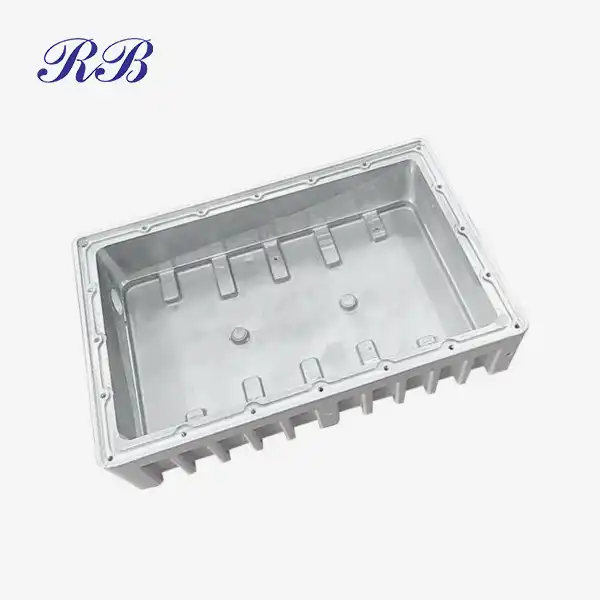
_1751078338779.webp)
Learn about our latest products and discounts through SMS or email