- English
- French
- German
- Portuguese
- Spanish
- Russian
- Japanese
- Korean
- Arabic
- Greek
- German
- Turkish
- Italian
- Danish
- Romanian
- Indonesian
- Czech
- Afrikaans
- Swedish
- Polish
- Basque
- Catalan
- Esperanto
- Hindi
- Lao
- Albanian
- Amharic
- Armenian
- Azerbaijani
- Belarusian
- Bengali
- Bosnian
- Bulgarian
- Cebuano
- Chichewa
- Corsican
- Croatian
- Dutch
- Estonian
- Filipino
- Finnish
- Frisian
- Galician
- Georgian
- Gujarati
- Haitian
- Hausa
- Hawaiian
- Hebrew
- Hmong
- Hungarian
- Icelandic
- Igbo
- Javanese
- Kannada
- Kazakh
- Khmer
- Kurdish
- Kyrgyz
- Latin
- Latvian
- Lithuanian
- Luxembou..
- Macedonian
- Malagasy
- Malay
- Malayalam
- Maltese
- Maori
- Marathi
- Mongolian
- Burmese
- Nepali
- Norwegian
- Pashto
- Persian
- Punjabi
- Serbian
- Sesotho
- Sinhala
- Slovak
- Slovenian
- Somali
- Samoan
- Scots Gaelic
- Shona
- Sindhi
- Sundanese
- Swahili
- Tajik
- Tamil
- Telugu
- Thai
- Ukrainian
- Urdu
- Uzbek
- Vietnamese
- Welsh
- Xhosa
- Yiddish
- Yoruba
- Zulu
Investment Casting vs Sand Casting: Pros, Cons & Key Differences
Picking the right method for making metal can have a direct effect on your profits, the quality of your products, and the dependability of your supply chain. When you're looking for parts for car systems, big machinery, or high-precision aerospace parts, knowing the main differences between investment casting and sand casting is more than just a technical detail. Investment casting is very useful for high-performance uses because it gives very accurate measurements and a smooth surface finish for complicated shapes. On the other hand, sand casting is the best way to make big, simple parts because it is flexible and costs less. The choice depends on finding the right balance between the need for accuracy, the amount of work that needs to be done, the requirements for the materials used, and the total cost of ownership. You also need to make sure that your provider can regularly meet delivery dates and quality standards.
Understanding Investment Casting and Sand Casting
What Is Investment Casting?
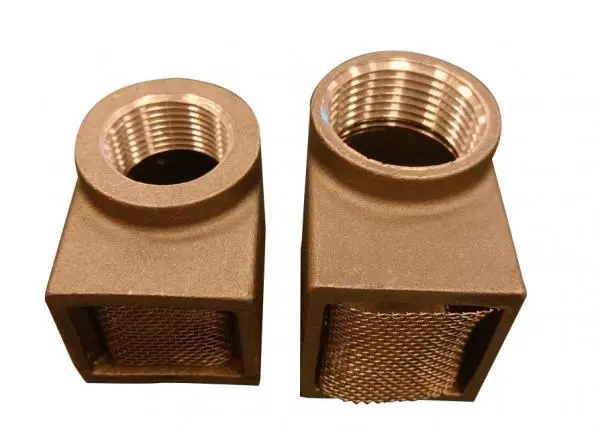
Investment casting, which is also known as "lost-wax casting," is a complex way to make things. A wax design is covered with a ceramic slurry to make a model. The wax melts away when the pottery hardens, leaving a hole that liquid metal fills. This method has been around for thousands of years, but it has changed a lot with the help of new materials and machines. Today, foundries use lost-wax casting to make turbine blades, medical implants, and transmission parts for cars that need to be very precise (often within ±0.005 inches) and have smooth surfaces so that they don't need to be machined again. High-performance metals like titanium, cobalt-chrome, and stainless steel grades that can handle high temperatures and harsh conditions can be used in this process.
What Is Sand Casting?
Sand casting is still the most common way to cast metal around the world, making up about 70% of all metal castings made. To make a cast, a design, usually made of metal or wood, is pressed into sand that has been mixed with glue-like substances. When molten metal flows into this hole, it hardens, and the sand breaks away to show the final part. This method works well for big parts with measurement errors between ±0.030 and ±0.060 inches, such as engine blocks, pump housings, and construction equipment parts. Foundries have a lot of options because sand casting can be used on a wide range of materials, such as aluminum alloys, gray iron, and ductile iron. Sand casting is great for testing and small to medium-sized production runs because it is easy to do and doesn't cost much to make the tools.
Key Differences Between Investment Casting and Sand Casting
Process Complexity and Precision
Investment casting has many steps, including making a design, building a shell, dewaxing, firing, pouring, and taking off the shell. These steps add to the wait time but produce very accurate parts. The ceramic shell can show fine features, walls as thin as 0.040 inches, and complicated interior pathways that sand molds would not be able to do. Sand casting makes production easier by reducing the number of steps needed. This speeds up the process, but the larger sand particles make it harder to see small details. Sand-cast parts usually have a surface roughness of 200 to 400 microinches Ra, while investment-cast parts usually have a surface roughness of 63 to 125 microinches Ra. This difference is very important when parts need to fit with seals or bearings or look good without requiring a lot of cleaning.

Material Compatibility and Performance
Both methods can be used for a wide range of alloys, but investment casting is the only way to make aerospace-grade superalloys and medical-grade stainless steels that need exact control over the microstructure. Rapid solidification in clay walls lowers porosity and raises their mechanical qualities. When slightly higher porosity levels are okay, sand casting works best with ferrous metals and aluminum alloys. This is especially true in structural uses that value cost over end material performance. When purchasing managers look at different sources, they should check that they offer metallurgical testing such as tensile strength, hardness, and non-destructive testing (NDT) like X-ray or ultrasonic inspection to make sure that the material specs match the functional needs.
Production Volume and Lead Times
Investing in investment casting tools like wax injection molds, ceramic slurry systems, and furnace infrastructure requires a big initial investment. This means that it can only be used for medium to high production runs, usually more than 500 units per year. Due to pattern development and shell improvement, lead times for the first test often go over 8 to 12 weeks. Sand casting is a cost-effective way to make things, even for small orders of less than 100 units, and wait times are as short as 4 to 6 weeks. Supply chain managers have to think about how tooling amortization affects per-part price throughout the lifecycle of a product and balance that with current procurement needs and long-term volume forecasts.
Cost Considerations
Depending on how complicated the part is, lost-wax casting tools can cost up to $20,000, while sand casting models can cost up to $5,000. However, investment-cast parts lower costs further down the line because they need less cutting, have tighter tolerances that eliminate the need for assembly changes, and have better surface quality that eliminates the need for coating or finishing. Sand-cast parts often need big cutting allowances—up to 3–5 mm per surface—and extra finishing steps, which raises the total cost of ownership. Instead of just looking at unit price, procurement workers should do a total cost study that includes tooling, per-part price, secondary operations, scrap rates, and quality-related costs.
How to Choose Between Investment Casting and Sand Casting – A Decision Support Framework?
Define Your Project Requirements
First, write down the part's useful performance standards, how complicated it is, how accurate the measurements must be, and how the surface should be finished. Technical engineers should check to see if the design features (like thin walls, internal passages, and undercuts) need the accuracy of lost-wax casting or if sand casting is good enough. Volume forecasts have a big impact on the choice of method. For example, sand casting is often the best choice for annual quantities below 500 units, unless the need for precision forces an investment option. Specifications of the materials are just as important. For example, aerospace-grade titanium or medical stainless steel naturally point toward investment casting, while gray iron structure parts work perfectly with sand casting.

Balance Cost Versus Quality
Purchasing managers are always under pressure to keep quality standards high while cutting costs. Do a full cost analysis that takes into account the wear and tear on tools, the price of each part, secondary activities, scrap rates, and guarantee costs. Investment casting may have higher unit costs at first, but it will save you money in the long run because it requires less work, produces more parts, and keeps them in good shape for longer. Sand casting saves money on tools and part prices right away, but costs later on from machining limits and possible quality problems can cancel out the benefits. Ask providers for specific quotes that break down all of their costs so that you can easily compare them.
Evaluate Supply Chain Dynamics
Choosing a casting method is often limited by the amount of time that is available, especially for new products or repair parts that support current production lines. The production stages for sand casting are shorter than those for lost-wax casting (8–12 weeks vs. 4-6 weeks), which gives you more options when time is tight. But its better batch stability makes it easier to check parts as they come in and keeps production from being interrupted by rejected parts to a minimum. Supply chain managers should look at how much a supplier can do, what other suppliers they can use, and how to keep an inventory that balances the risks of wait times with the costs of having it. Certification standards, such as ISO 9001, IATF 16949 for car uses, or AS9100 for aircraft, make it even harder to choose a seller, which shows how important thorough audits are.
Verify Supplier Expertise and Quality Systems
Supplier skills have a direct effect on the success of a project. Technical checks should look at how complex the equipment is, how the process is controlled, and the infrastructure for metal tests. Suppliers should show how they use statistical process control (SPC), modern nondestructive testing (NDT) tools like X-rays and computed tomography, and clean rooms for aircraft uses. Modern shaping tools, the right way to prepare the sand, and measuring tools for sizes, like coordinate measuring machines (CMM), are all needed in sand casting facilities. Quality engineers have to look at things like the number of defects, how quickly corrected actions are taken, and efforts to keep making things better. Reputable investment casting makers stick to strict quality standards, making sure that their high prices are justified.
Real-World Applications and Case Studies
Aerospace and Medical Precision Components
Aerospace companies use investment casting a lot for parts like rotor blades, structural support, and fuel system parts that need to be light and resistant to high temperatures. One of the biggest companies that makes airplane engines said that their products were 30% lighter than made options and had better creep resistance at temperatures over 1,500°F. Investment-cast stainless steel and cobalt-chrome alloys are used by companies that make medical devices for orthopedic implants, surgical tools, and oral replacements that need to be biocompatible and fit the body perfectly. The finish on the as-cast surface meets FDA standards without requiring a lot of cleaning. This lowers the cost of production and the risk of contamination.
Automotive and Industrial Heavy Components
Sand casting is used by automotive foundries to make millions of engine blocks, transmission housings, and suspension parts every year, while combining cost with longevity. A big company that makes industrial vehicles cut costs by 15% by moving from fabricated steel to sand-cast ductile iron for the housings of the rear axles. This kept the structure strong while making production easier. Manufacturers of construction equipment use sand casting to make big pump housings and hydraulic parts that weigh 200 to 800 pounds. They do this by taking advantage of the metal's good damping properties and its ability to be cast in a variety of sizes. For these uses, durability and low cost are more important than accuracy, so sand casting is the best option.
Emerging Hybrid Manufacturing Trends
Modern foundries now use both traditional casting and additive manufacturing to speed up the development of prototypes and make it possible to make cores with complex shapes. Three-dimensional printing makes wax models for lost-wax casting or sand cores for sand casting, so low-volume production doesn't have to pay for expensive tools. This mixed method lets you validate the design in weeks instead of months, which helps with rapid product development processes. Supply chain workers who keep an eye on new technologies in manufacturing should see suppliers who invest in these technologies as partners who can change to changing needs and keep their competitive edge.
Conclusion
To choose between investment casting and sand casting, you need to carefully weigh the needs for accuracy, the amount of work that needs to be done, the requirements for the materials, and the total cost of ownership. Investment casting is the best way to go when precise dimensions, a smooth surface, and complicated shapes are important. This is especially true in aerospace, medicine, and high-performance car uses. Sand casting is the most popular method for making big, strong parts with wider tolerances that are also cost-effective. It is used a lot in building, heavy machinery, and general industrial equipment. A good procurement strategy includes carefully evaluating suppliers, being clear about costs, and making sure that technical needs are met by production capabilities. This way, you can be sure that the casting you choose meets both short-term project needs and long-term competitive placement.
FAQ
What drives cost differences between investment casting and sand casting?
Because wax injection molds and clay shell systems are used, investment casting patterns cost $5,000 to $20,000 to make, while sand casting patterns cost $1,000 to $5,000. But as more parts are made, the cost of each one goes down because the tooling is amortized over many production runs. Investment-cast parts don't need much cutting, which lowers the costs of secondary operations. Sand-cast parts, on the other hand, often need a lot of material removed, which raises the total cost. Choosing the right material also affects the price. For example, rare alloys that can be used for investment casting are more expensive than common metallic metals that are used for sand casting.
Can investment casting remain economical for high-volume production?
Of course. Once the prices of the tools are spread out over production numbers of more than 1,000 units per year, investment casting often offers competitive pricing per part while still producing high-quality parts. Investment casting is used in hundreds of thousands of pieces every year for automotive uses like turbocharger housings and gearbox parts. Total ownership costs are kept low by not having to do as much machining, having less scrap, and getting uniform quality. This means that investment casting can be cheaply done even at high numbers when accuracy and performance support it.
What defects should quality engineers watch for in investment casting?
Some common flaws in investment casting are holes caused by trapped gases during solidification, shrinkage gaps in thick parts where the metal wasn't fed properly, and surface flaws caused by ceramic shell cracking. Changes in size can happen if wax patterns get warped or if clay shells grow in different ways when they are fired. Reliable providers use strict process controls, such as vacuum pouring, controlled cooling rates, and automatic shell building, to cut down on mistakes. As part of quality control, an X-ray, a detailed CMM measurement, and a metallurgical study should be done to make sure that the microstructure and dynamic traits meet the requirements.
Partner with Rongbao Enterprise for Precision Casting Solutions
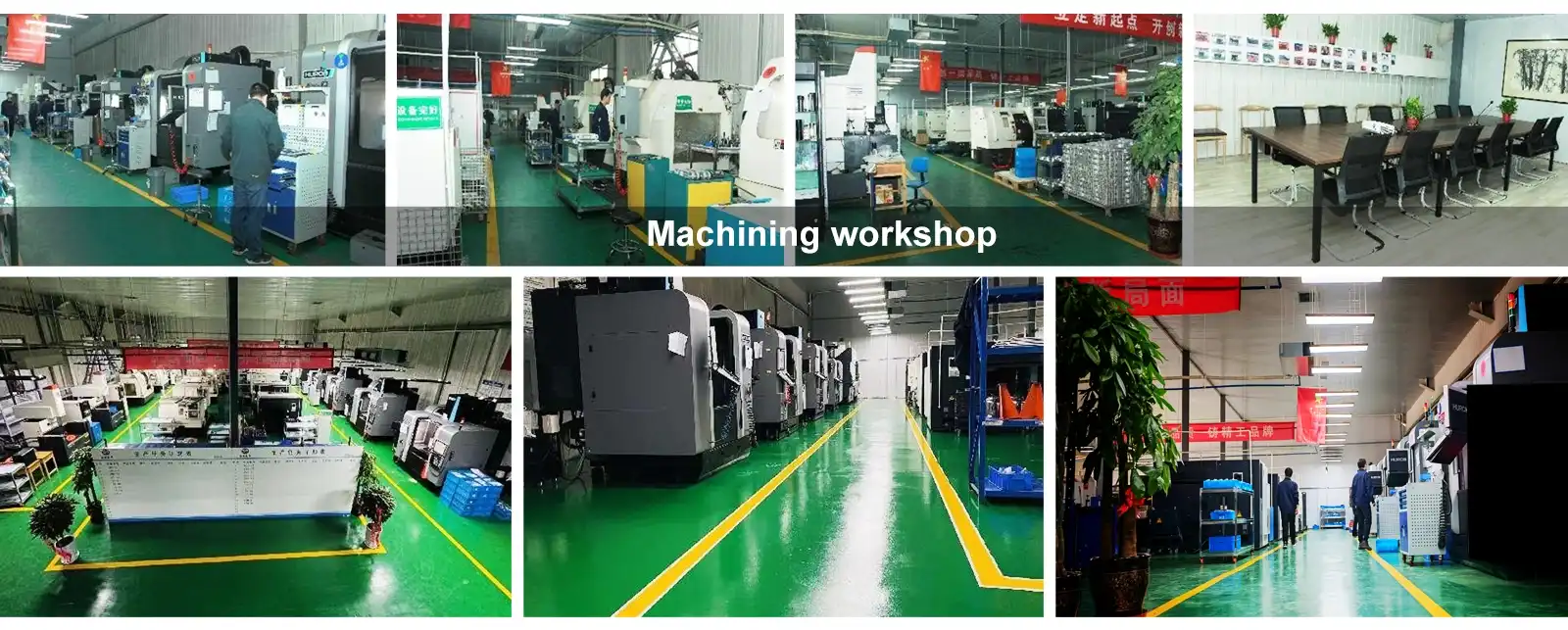
Rongbao Enterprise has been a leader in casting for 20 years, and they serve customers in the automobile, building equipment, and industrial machinery markets in Japan, Europe, and the United States. We can make things using high-pressure die casting, low-pressure casting, gravity casting, and precision milling. We are certified by ISO 9001, ISO 14001, and ISO 45001 to make sure quality and compliance are always met. We offer one-stop solutions from mold development to finished components, backed by full-chain quality control and a large-scale production capacity of more than 14,000 square meters. Our 70% export volume shows that we are known internationally. Whether you need high-precision investment casting parts or low-cost sand-cast kits, our technical team can help you design for manufacture, which means they can make your specs work better for production. Talk to our purchasing experts at steve.zhou@263.net or zhouyi@rongbaocasting.com about your project needs and find out why top OEMs choose Rongbao Enterprise as their investment casting factory partner.
References
1. Campbell, J. (2015). Complete Casting Handbook: Metal Casting Processes, Techniques and Design. Butterworth-Heinemann.
2. Beeley, P. R., & Smart, R. F. (2013). Investment Casting: Fundamentals and Practice. Institute of Materials, Minerals and Mining.
3. Brown, J. R. (2018). Foseco Ferrous Foundryman's Handbook. Elsevier Science & Technology.
4. ASM International Handbook Committee. (2016). ASM Handbook Volume 15: Casting. ASM International.
5. Stefanescu, D. M. (2019). Science and Engineering of Casting Solidification. Springer International Publishing.
6. Clegg, A. J., & Das, A. A. (2020). Precision Casting Processes: Technology and Applications. Woodhead Publishing.
Learn about our latest products and discounts through SMS or email