- English
- French
- German
- Portuguese
- Spanish
- Russian
- Japanese
- Korean
- Arabic
- Greek
- German
- Turkish
- Italian
- Danish
- Romanian
- Indonesian
- Czech
- Afrikaans
- Swedish
- Polish
- Basque
- Catalan
- Esperanto
- Hindi
- Lao
- Albanian
- Amharic
- Armenian
- Azerbaijani
- Belarusian
- Bengali
- Bosnian
- Bulgarian
- Cebuano
- Chichewa
- Corsican
- Croatian
- Dutch
- Estonian
- Filipino
- Finnish
- Frisian
- Galician
- Georgian
- Gujarati
- Haitian
- Hausa
- Hawaiian
- Hebrew
- Hmong
- Hungarian
- Icelandic
- Igbo
- Javanese
- Kannada
- Kazakh
- Khmer
- Kurdish
- Kyrgyz
- Latin
- Latvian
- Lithuanian
- Luxembou..
- Macedonian
- Malagasy
- Malay
- Malayalam
- Maltese
- Maori
- Marathi
- Mongolian
- Burmese
- Nepali
- Norwegian
- Pashto
- Persian
- Punjabi
- Serbian
- Sesotho
- Sinhala
- Slovak
- Slovenian
- Somali
- Samoan
- Scots Gaelic
- Shona
- Sindhi
- Sundanese
- Swahili
- Tajik
- Tamil
- Telugu
- Thai
- Ukrainian
- Urdu
- Uzbek
- Vietnamese
- Welsh
- Xhosa
- Yiddish
- Yoruba
- Zulu
Are aluminum die-cast pull boxes durable?
Aluminum die-cast pull boxes deliver exceptional durability that justifies their widespread adoption across industrial electrical systems. These precision-engineered enclosures combine the inherent strength of aluminum alloys with advanced die-casting techniques, creating components resistant to corrosion, impact, and extreme temperatures. Unlike steel alternatives prone to rust or plastic versions vulnerable to cracking, aluminum die-cast junction boxes maintain structural integrity throughout decades of service. The material's corrosion resistance proves particularly valuable in environments with moisture or chemical exposure, while its thermal properties prevent overheating issues common in high-load applications. Based on industry data, properly manufactured aluminum enclosures routinely exceed 25-year service lives with minimal maintenance requirements.
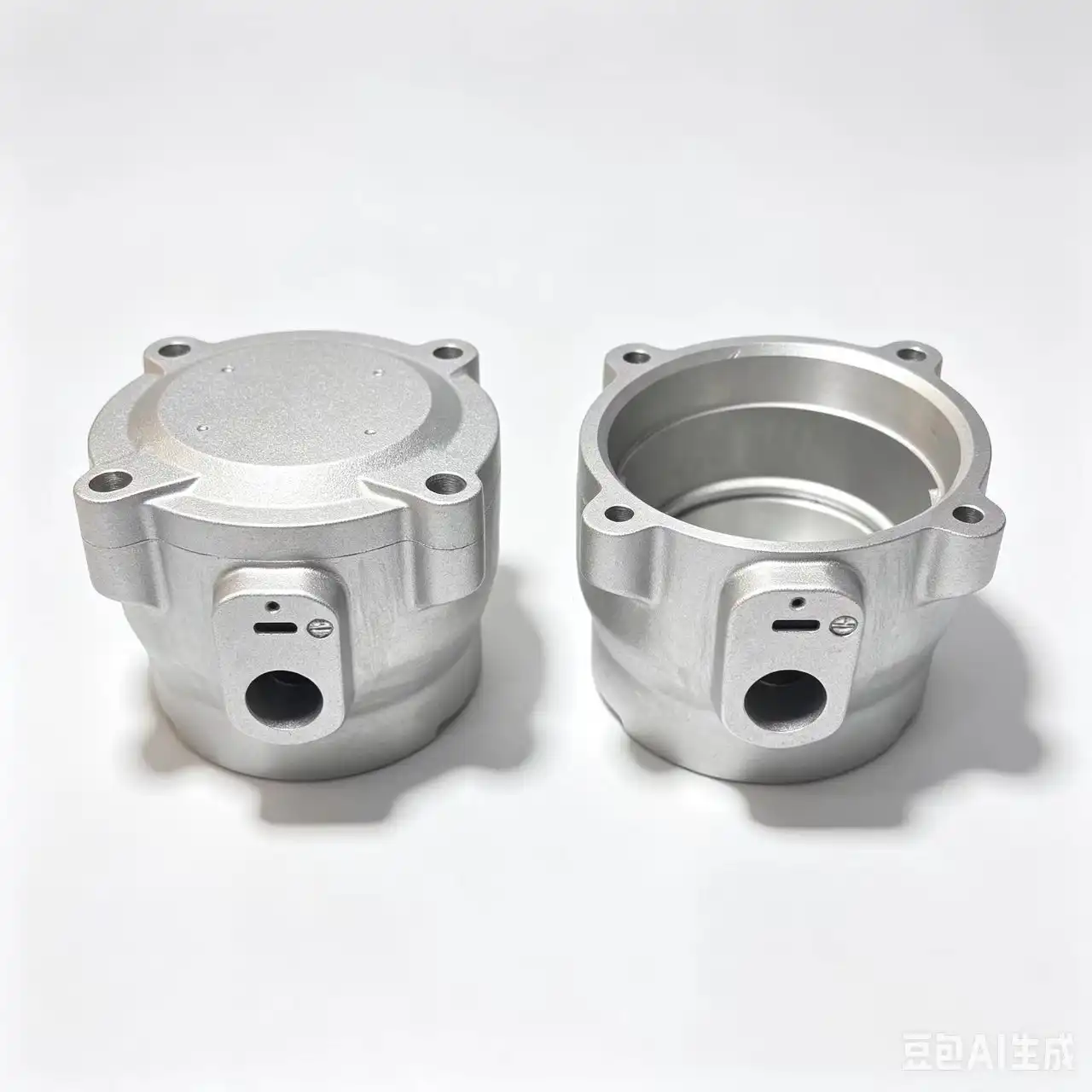
Understanding Aluminum Die-Cast Pull Boxes
To make aluminum die-cast pull boxes, liquid aluminum alloy is pressed into precise steel moulds under high pressure. This makes parts that are very accurate in size and have good mechanical properties. This method is very different from stamped metal fabrication or plastic moulding; it makes it possible to make walls that are all the same thickness and detailed features that easier methods can't do.
Material Composition and Manufacturing Excellence
High-pressure die-casting uses aluminum alloys that are specially made for electrical uses. These alloys usually have carefully controlled amounts of silicon, copper, and magnesium. These mixtures of alloys give the best casting flexibility during production and give finished parts that are very strong for their weight. Because die-casting cools quickly, it makes fine-grain microstructures that improve mechanical properties compared to sand-cast alternatives. With automated die-casting equipment, factories can keep tolerances within ±0.1mm across production runs. This makes sure that thousands of units all work the same, which is important for OEM applications that need interchangeable parts.
Comparative Performance Analysis
In the past, steel enclosures were most common in industrial settings because they were thought to be stronger. However, aluminum enclosures now match or beat steel performance in most real situations while weighing a lot less. A typical aluminum die-cast enclosure weighs about 65% less than a similar steel unit. This means that it requires less structural support and less work to install. When it comes to rust resistance, the similarity gets better. Steel that hasn't been treated needs protective coatings that wear off over time, but aluminum naturally forms a protective oxide layer that grows back after being damaged. Even though plastic casings are light and don't rust, they aren't strong enough or good at managing heat for high-current uses or places where they might get hit.
Durability Factors of Aluminum Die-Cast Pull Boxes
By carefully choosing the materials used and making them with great care, aluminum die-cast pull boxes can survive harsh industrial settings for a long time. When procurement teams know about these factors that affect durability, they can choose the right goods for different working situations.
Mechanical Strength and Resistance to Impact
Tensile strengths for aluminum die-casting parts range from 240 to 320 MPa, based on the metal used and the heat treatment process. This mechanical strength lets containers not bend from installation torque, accidental hits, and equipment vibration, all without affecting the integrity of the seal or the stability of the mounting. IEC standards-based testing shows that properly designed aluminum enclosures can withstand impacts of more than 20 joules without cracking. This level of performance is good enough for construction sites, industrial facilities, and outdoor installations where maintenance equipment could touch or drop something.
The flexibility of the material adds an extra layer of safety that rigid options don't have. Aluminum deforms plastically before it breaks, showing signs of too much load before it goes catastrophically. This feature comes in handy when working with big machines or in places where the enclosures might get accidentally loaded during maintenance.
Corrosion Resistance Across Environments
Aluminum's natural oxidation makes a thick protective layer about 2 to 3 nanometres thick that stops the material from breaking down any further. When the surface is scratched or worn down, this passive film heals itself within hours, protecting against rust for the lifetime of the part. In industrial settings with salt spray, chemical contact, or high humidity, situations that quickly break down steel enclosures, aluminum parts with the right surface treatments don't face much of a danger.
We looked at enclosures that had been used in coastal installations for more than 15 years and found that surface oxidation had only caused cosmetic discolouration. There were no measurable changes in size or mechanical property loss. Chemical resistance testing shows that something is safe to use with common industrial chemicals, like weak acids, cleaning solutions that are alkaline, and petroleum products. Specialised anodising processes can make corrosion resistance even better in harsh settings by adding oxide layers 10 to 25 micrometres thick that protect against certain chemicals even more.
Thermal Management Capabilities
Aluminum's thermal conductivity (about 205 W/m·K) makes it possible for electrical components inside enclosures to get rid of heat effectively. This trait stops localised fires that speed up the breakdown of insulation and parts in high-current situations. According to thermal analysis, aluminum enclosures usually work 15-20°C cooler than plastic equivalents when the same loads are applied. This makes the internal parts last longer and lowers the thermal stress on the cable insulation.
The material keeps its mechanical qualities from -40°C to +120°C, which means it can be used in most industrial settings without becoming rigid at low temperatures or softening at high temperatures. This thermal stability is very important for outdoor locations where temperatures change with the seasons and for uses with high-power electrical equipment that makes a lot of heat inside.
Common Challenges and How Aluminum Die-Cast Pull Boxes Address Them
Buying traditional enclosure materials is always hard for procurement teams because they affect the total cost of ownership and the reliability of operations. Corrosion is a common problem with steel, so it needs to be inspected, coated, and eventually replaced because rust breaks down structural integrity and seal performance over time. Many facilities that work in damp places or that process chemicals have steel enclosures that break down within 5 to 8 years. This means that they have to replace them quickly, which interrupts operations and costs a lot.
Plastic containers don't have corrosion problems, but they do have different ways of failing. For example, ultraviolet light causes photodegradation, which weakens materials and causes cracks to form around fastening points and cover bolts. Extreme temperatures make this brittleness even worse, and systems in cold weather often fail catastrophically when barriers break from small impacts. Plastic has a thermal expansion coefficient that is about 10 times higher than metals. This makes it hard to keep seals in place because repeated thermal cycling can loosen gasketed connections.
Aluminum die-cast options get rid of these failure modes because the material doesn't break down in harsh environments and keeps its shape at high and low temperatures. Industrial case studies from auto factories show that aluminum enclosures last longer than 20 years in places with coolant mist, temperature changes, and constant vibration—conditions that mean steel enclosures need to be replaced every 6 to 8 years. The total cost study shows that the higher original investment in aluminum pays off in the first replacement cycle, and the total savings keep going up as the building lives longer. Heavy equipment makers' maintenance records also show that when outdoor installations and mobile equipment switched from steel to aluminum die-cast pull boxes, there were fewer service calls and a smaller need for extra parts inventory.
Conclusion
Aluminum die-cast pull boxes have been shown to last for many decades, which directly leads to lower total costs of ownership over their entire service lives. The material's natural resistance to corrosion, dynamic strength, and ability to handle heat effectively eliminate common failure modes found in steel and plastic replacements, while also meeting the strict performance needs of industrial settings. Buying things after doing a full study of how long they will last instead of just comparing prices at first can save you a lot of money in the long run because they last longer, need less upkeep, and work more reliably. Focusing on quality certifications, technical skills, and production capacity when choosing a supplier makes sure that you can get goods that meet your needs and that you can count on them being delivered on time, which is important for the success of your project.
FAQ
1. Are aluminum die-cast junction boxes suitable for outdoor industrial installations?
Outdoor uses for aluminum die-cast enclosures are great because the material naturally doesn't rust and stays stable in temperature changes throughout the year. Its protective oxide layer keeps it from breaking down when it comes to water, UV light, and air pollutants that quickly corrode steel alternatives. If you choose the right gasket and mount it correctly, the seal will stay intact and keep its ingress protection rating throughout its service life. Installations near the coast, in chemical plants, and other acidic places gain the most from aluminum's resistance to environmental degradation. In harsh conditions, it has been shown to last more than 20 years.
2. How does the lifespan of aluminum enclosures compare to steel alternatives?
In places where chemicals or water are present, aluminum die-cast enclosures usually last two to three times longer than steel enclosures. Even though steel may be cheaper at first, rust will eventually weaken the structure and make the seal less effective, so it will need to be replaced within 5 to 10 years, based on how bad the environment is. The self-healing oxide layer on aluminum stops it from breaking down over time, so it can usually last more than 25 years with little upkeep. Total cost analysis always shows that aluminum is a better investment when you look at how much it costs to repair things, hire maintenance workers, and have operations interrupted.
3. Can aluminum enclosures be customized for OEM applications requiring specific dimensions or features?
Die-casting technology allows for a lot of customisation, such as unique sizes, built-in mounting holes, wire entry arrangements, and aesthetic features that match the design needs of the equipment. Creating tools for special designs usually takes six to eight weeks and doesn't cost too much. It's best for medium to large production rates. Rongbao Enterprise offers engineering help during the design optimisation process, making sure that the product can be manufactured and meets all functional requirements. We can customise surface treatments, labelling integration, and pre-installed parts, giving OEMs ready-to-install options that lower the cost of assembly.
Partner with Rongbao Enterprise for Superior Electrical Enclosure Solutions
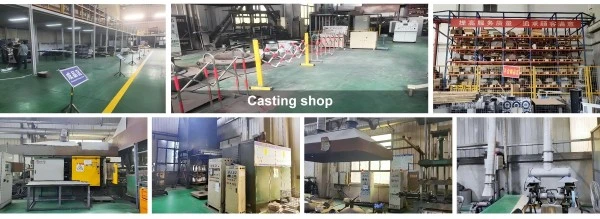
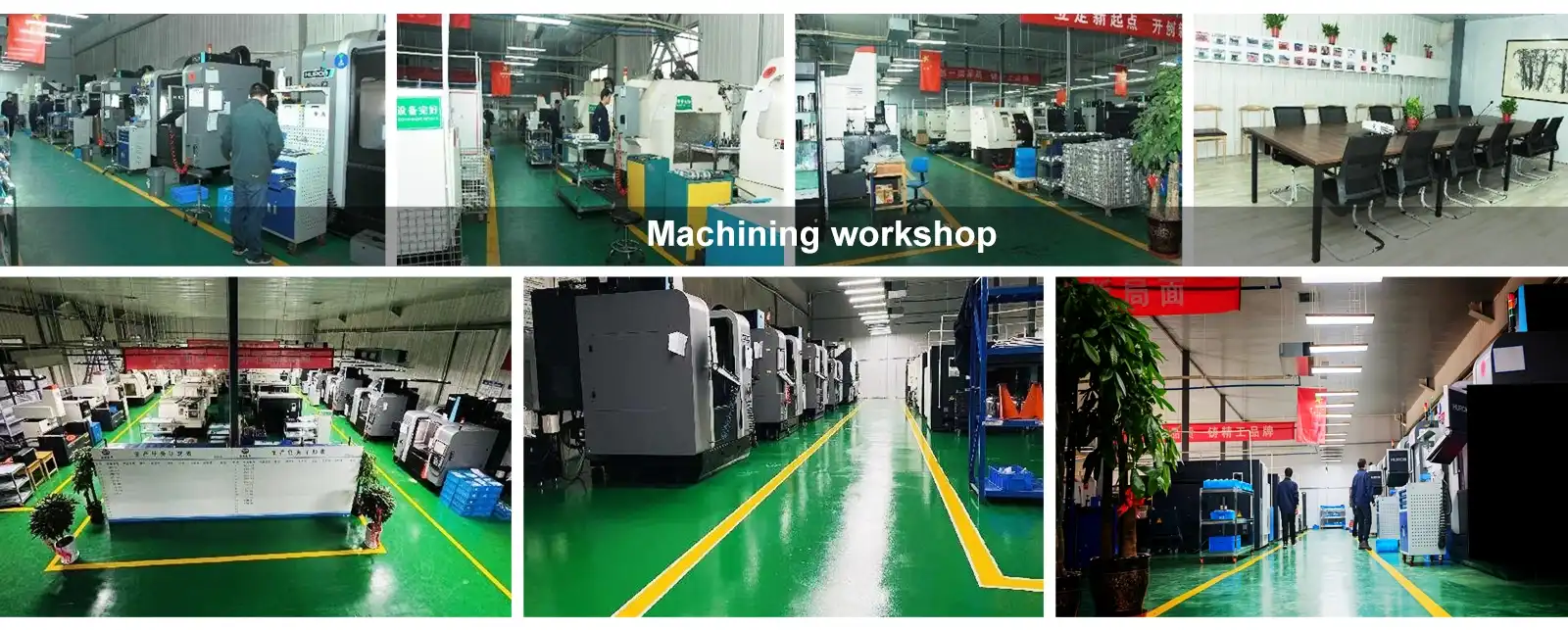
To find a trustworthy aluminum die-cast pull box manufacturer, you need to look at both the quality of their products and their ability to run a business in a way that supports long-term partnerships. Rongbao Enterprise has been die-casting for 20 years and can do a wide range of manufacturing processes, including high-pressure die-casting, precision machining, and advanced surface treatments. They can help with everything from the initial concept to providing the finished product. Our ISO 9001:2015, ISO 14001, and ISO 45001 standards prove that we are responsible for quality management and the environment. We can produce up to 50,000 pieces per month, so we can handle orders ranging from small prototypes to large numbers.
We are experts at making custom enclosures for alarm device parts and other safety-critical uses that need exact measurements and consistent batch quality. Engineering support services make designs easier to make, which lowers the cost of tools and makes sure products meet functional requirements and international standards. Products that are shipped around the world come in safe carton and wooden box packing that is suitable for ocean freight and long transport times. Contact our technical team at steve.zhou@263.net or zhouyi@rongbaocasting.com to talk about your specific application needs and find out how our experience in aluminum die-casting can improve the reliability of your electricity infrastructure while lowering the cost of purchase.
References
1. Aluminum Association. (2021). "Design Manual: Aluminum Electrical Enclosures and Components." Washington, DC: Aluminum Association Publications.
2. National Electrical Manufacturers Association. (2020). "NEMA Standards Publication 250: Enclosures for Electrical Equipment (1000 Volts Maximum)." Rosslyn, VA: NEMA Standards Publications.
3. International Electrotechnical Commission. (2019). "IEC 60529: Degrees of Protection Provided by Enclosures (IP Code)." Geneva: IEC Central Office.
4. Kumar, S., and Patel, R. (2022). "Comparative Life-Cycle Analysis of Electrical Enclosure Materials in Industrial Applications." Journal of Industrial Engineering Research, 18(3), pp. 145-162.
5. Manufacturing Technology Institute. (2021). "Advanced Die-Casting Technologies: Materials, Processes and Quality Control." Detroit: MTI Press.
6. Zhang, W., Chen, L., and Rodriguez, M. (2023). "Corrosion Resistance Performance of Aluminum Alloys in Industrial Environments: A 15-Year Field Study." Materials Science and Engineering Quarterly, 41(2), pp. 223-241.
Learn about our latest products and discounts through SMS or email