- English
- French
- German
- Portuguese
- Spanish
- Russian
- Japanese
- Korean
- Arabic
- Greek
- German
- Turkish
- Italian
- Danish
- Romanian
- Indonesian
- Czech
- Afrikaans
- Swedish
- Polish
- Basque
- Catalan
- Esperanto
- Hindi
- Lao
- Albanian
- Amharic
- Armenian
- Azerbaijani
- Belarusian
- Bengali
- Bosnian
- Bulgarian
- Cebuano
- Chichewa
- Corsican
- Croatian
- Dutch
- Estonian
- Filipino
- Finnish
- Frisian
- Galician
- Georgian
- Gujarati
- Haitian
- Hausa
- Hawaiian
- Hebrew
- Hmong
- Hungarian
- Icelandic
- Igbo
- Javanese
- Kannada
- Kazakh
- Khmer
- Kurdish
- Kyrgyz
- Latin
- Latvian
- Lithuanian
- Luxembou..
- Macedonian
- Malagasy
- Malay
- Malayalam
- Maltese
- Maori
- Marathi
- Mongolian
- Burmese
- Nepali
- Norwegian
- Pashto
- Persian
- Punjabi
- Serbian
- Sesotho
- Sinhala
- Slovak
- Slovenian
- Somali
- Samoan
- Scots Gaelic
- Shona
- Sindhi
- Sundanese
- Swahili
- Tajik
- Tamil
- Telugu
- Thai
- Ukrainian
- Urdu
- Uzbek
- Vietnamese
- Welsh
- Xhosa
- Yiddish
- Yoruba
- Zulu
What Are Casting Coupling Flange Parts?
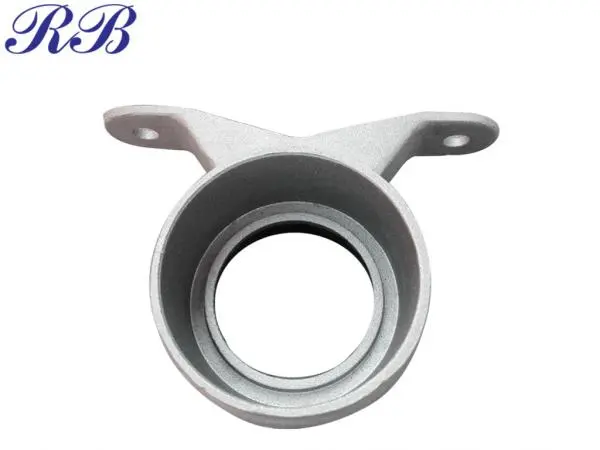
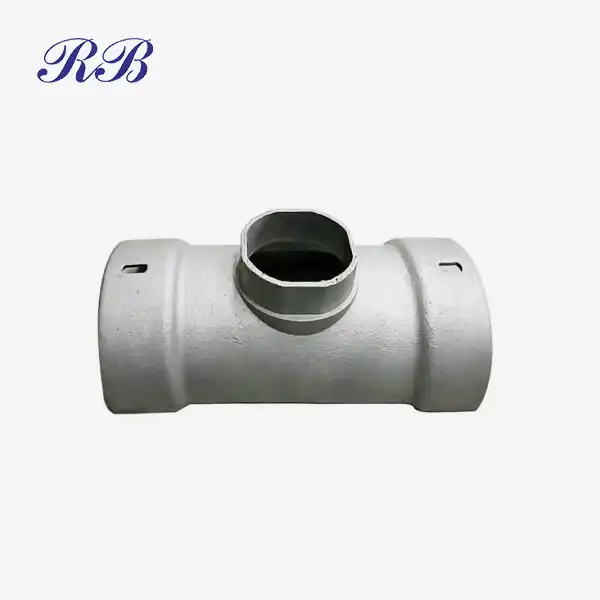
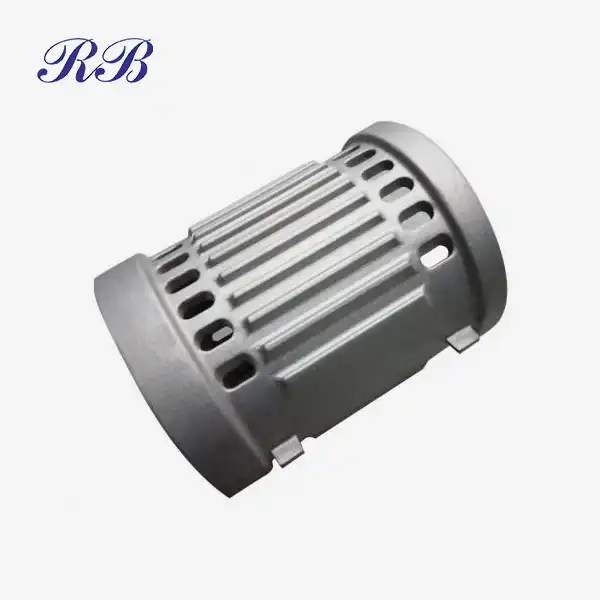
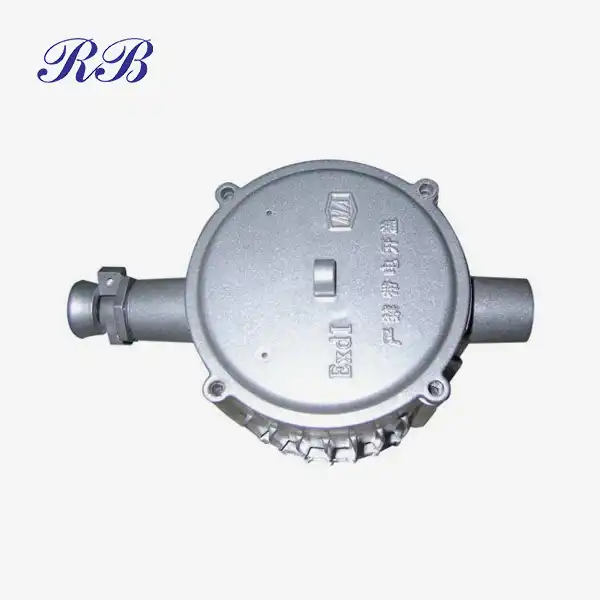
Casting coupling flange parts play an irreplaceable role in industrial pipeline transmission and mechanical assembly. Various connectors connect shafts, pipelines and production equipment to maintain stable system operation. Plant maintenance staff, procurement managers and design engineers need to master the definition, production logic and selection standards of core flange connectors to reduce equipment failure risk and cut long-term operating costs. This article sorts out complete industry knowledge from basic definition, manufacturing technology and purchasing selection, and provides reliable supplier guidance for industrial users.
Definition & Core Performance Standards of Flange Connectors
To choose suitable industrial connecting accessories, we first clarify the basic composition and quality judgment basis of casting coupling flange parts. This chapter explains its production definition, and lists measurable quality indicators that distinguish high-standard products from inferior parts.
Core Concept of Industrial Flange Coupling Connectors
This type of metal connecting accessory is manufactured through metal casting technology. It connects two sets of independent pipelines or mechanical equipment. The flange structure reserves bolt holes for locking assembly. Users can disassemble the product quickly during daily maintenance. Welded joints cannot be split conveniently, so cast flange couplings have wider applicability in equipment that needs regular inspection.
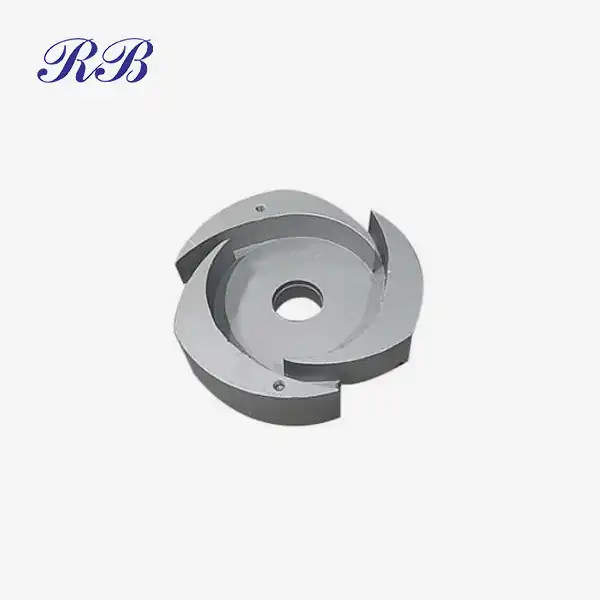
The word “casting” refers to the forming method of the product, not its connection function. Workers pour high-temperature molten metal into pre-made molds. After cooling and solidification, the metal forms a complete flange coupling blank. Casting technology allows complex special-shaped structures. Many special transmission equipment can only use customized products to meet assembly demands.
Key Quality Characteristics of Qualified Cast Connectors
Dimensional accuracy is the first standard for qualified products. The butt joint surface of two matching flanges must fit completely. Tiny dimensional errors will lead to medium leakage or shaft vibration during operation. Manufacturers use coordinate measuring instruments to detect sizes accurately to avoid assembly failure.
Smooth surface treatment is another essential feature. Rough surface will form stress concentration points under load. High-quality cast flange couplings go through shot blasting to remove surface oxide layers. Flat sealing surfaces cooperate with gaskets to realize airtight and liquid-tight connection.
Stable raw material consistency ensures uniform structural strength. Each batch of raw metal needs component inspection. Unstable material hardness will cause fatigue fracture under long-term cyclic load. Professional factories use ultrasonic and X-ray non-destructive testing to check internal pores and cracks inside casting coupling flange parts.
Common Structural Design of Standard Flange Couplings
Most standard products adopt flat installation surfaces with uniformly distributed bolt holes. Manufacturers strictly control bolt circle diameter, hole spacing and hole diameter according to industrial standards. Partial products add convex tables or grooves to fix sealing O-rings.
For high-torque rotating equipment, flange couplings will add anti-rotation positioning pins. Positioning pins limit relative displacement between two connected flanges. This structural design greatly improves the operation stability in wind power, water treatment and chemical production lines.
After mastering the basic definition and quality standards of flange connectors, buyers need to understand mature manufacturing processes. Different casting and post-processing methods directly determine the service life and mechanical performance of finished products. The next chapter introduces the complete production flow with low-pressure casting as the core forming process.
Complete Manufacturing Process of Cast Flange Couplings
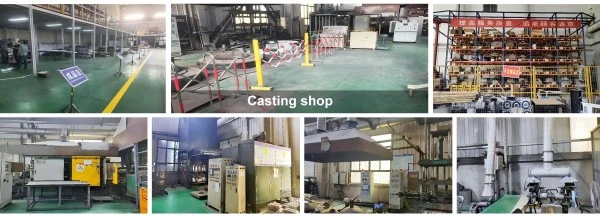
The whole production workflow includes mold making, metal forming casting, post-processing finishing and heat treatment. Each step affects the final quality of finished connectors. Low-pressure casting is the mainstream high-end forming process for modern industrial flange products.
Pattern & Mold Production for Cast Flange Products
Mold making is the starting link of all flange coupling production. Craftsmen design molds according to engineering drawings. They reserve shrinkage space for metal cooling deformation. Early wooden molds are replaced by aluminum composite molds now. Aluminum molds keep stable size for mass production of casting coupling flange parts.
Small-batch customized products use disposable sand molds. Large-scale standardized flange couplings use permanent metal molds. Permanent molds have higher initial investment, but they effectively reduce dimensional deviation in long-term continuous production.
Low-Pressure Casting Forming Technology
Low-pressure casting is the preferred process for high-performance industrial connectors. The equipment uses stable air pressure to push molten metal into the upper mold cavity from bottom to top. Gravity casting will produce turbulent metal flow, which mixes gas and oxide into blanks and forms internal defects.
Slow and controllable filling speed realizes directional solidification of metal blanks. Impurities and tiny pores gather at the reserved process excess material. Workers cut excess parts in later processing. The finished workpieces have dense internal structure and strong bearing capacity.
Factories strictly control the temperature of molten metal and preheat the mold. Too fast cooling will crack complex-shaped workpieces. Too slow cooling leads to coarse internal metal grains and reduces overall strength. Professional foundries set exclusive temperature curves for each specification of flange couplings.
Post-Casting Finishing & CNC Precision Machining
Just demolded blanks have residual molding sand and oxide skin. Shot blasting treatment sprays tiny steel beads at high speed to clean the surface of raw castings. This process also forms compressive stress on the surface to enhance anti-fatigue performance of finished flange couplings.
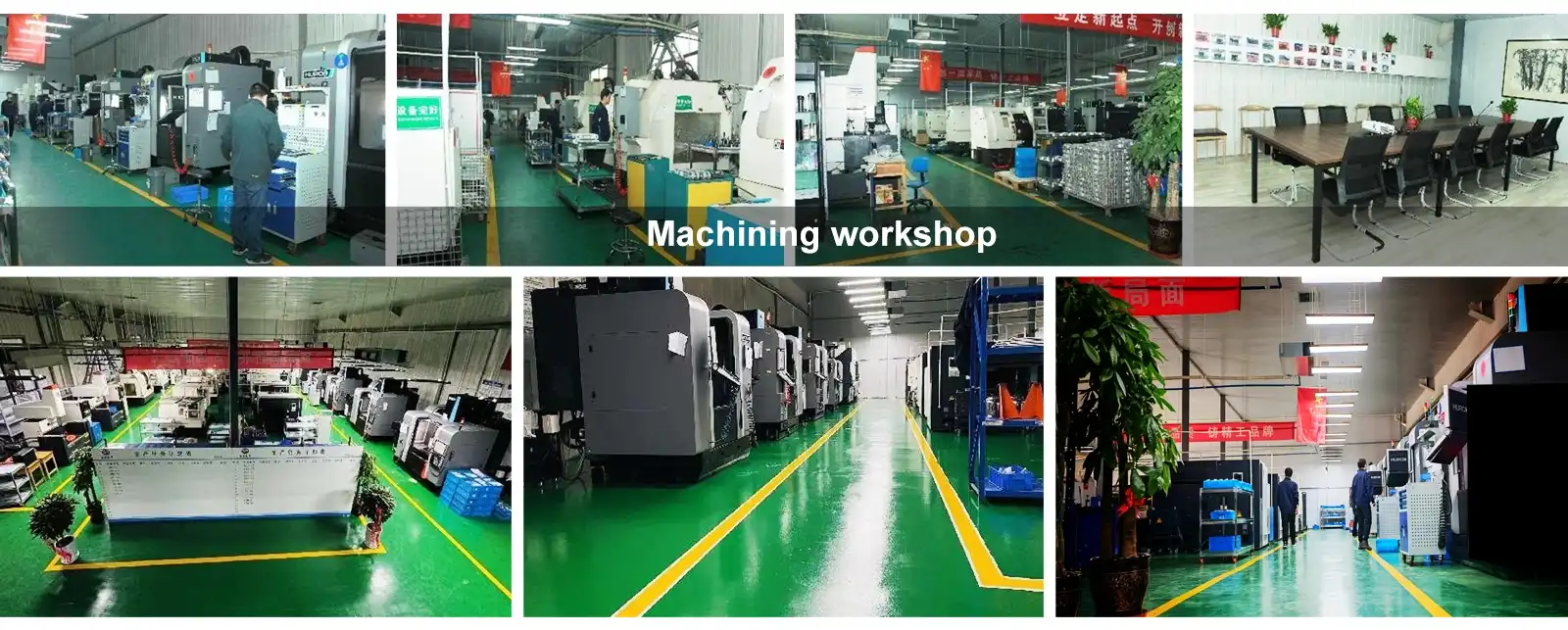
CNC machining is the core finishing step. Casting only forms rough blanks. Workers use numerical control equipment to process butt sealing surfaces and bolt holes. The processing precision reaches micron level. Automated machine tools complete multiple processing steps without moving workpieces, ensuring consistent dimensional tolerance of all batches of casting coupling flange parts.
Heat Treatment to Optimize Mechanical Performance
Heat treatment eliminates internal residual stress generated during casting and machining of metal connectors. Aluminum alloy flange couplings adopt solution aging treatment to improve tensile strength. Steel products carry out quenching and tempering to adjust surface hardness.
Each heat treatment link records fixed temperature and time parameters. Manufacturers archive all heat treatment data of finished products. When users have quality problems after delivery, factories can trace the whole production process of each batch quickly.
Stable production technology guarantees basic performance of cast flange couplings. But users still need targeted selection according to actual working conditions. Improper product matching will cause frequent equipment maintenance and increase long-term comprehensive cost. The third chapter sorts out systematic selection rules and professional supplier solutions for industrial flange connectors.
Scientific Selection Guide & Reliable Supplier Service
Engineers and procurement staff need to combine working conditions, dimensional matching and total life cycle cost to select suitable flange couplings. Qualified manufacturers can provide standard and customized products, and deliver complete quality inspection reports.
Core Factors for Selecting Industrial Flange Connectors
First, analyze the actual application environment of target equipment. Confirm the working temperature range, corrosive medium and cyclic load of the system. If the pipeline transports chemical corrosive liquid, buyers need to select anti-corrosion alloy flange couplings. Wind turbine transmission shafts need products with strong anti-fatigue performance.
Dimensional matching must be checked in advance. The bolt hole distribution of flange couplings needs to be completely consistent with supporting equipment. Small size deviation will cause uneven stress during operation. Standard specifications cover most conventional equipment. Special mechanical equipment needs customized casting coupling flange parts with unique sizes.
Calculate the total ownership cost comprehensively. Low-priced inferior products crack and leak within a short service cycle. The cost of shutdown maintenance and replacement far exceeds the procurement cost of high-quality flange couplings. Professional purchasers prioritize long service life products to control overall operating expenditure.
OEM & ODM Customization for Special Working Conditions
Many special industrial equipment cannot use standard flange couplings. Suppliers provide OEM and ODM customization services for personalized industrial connectors. OEM mode produces products completely according to drawings provided by customers.
ODM service adds factory professional design support. The supplier’s engineering team optimizes the structure based on customer working conditions. The customization process includes 3D drawing confirmation, prototype trial production and performance test. After passing the verification, mass production of flange couplings can start.
Buyers need to evaluate the factory’s production capacity before customization. Small workshops only support small-batch trial orders. Large-scale manufacturers have complete production lines to supply thousands of workpieces per month and guarantee stable delivery cycles.
FAQs
Q1: What is the core difference between casting and machining for producing flange couplings?
Casting forms the integral blank of complex-shaped workpieces by pouring molten metal into molds. Machining cuts excess metal from solid metal raw materials to obtain target sizes.
Casting technology reduces production cost for large-volume and complex-structure flange couplings. Machining achieves ultra-high precision for key sealing surfaces. Most industrial connectors adopt combined technology: casting rough blank + CNC precision finishing, which is the standard production route for casting coupling flange parts.
Q2: How to choose the right metal material for flange couplings?
First judge the operating environment of target equipment. High-corrosion chemical pipelines select stainless steel flange couplings. Low-load water treatment equipment uses aluminum alloy products. Heavy-load transmission shafts adopt ductile iron workpieces.
Then evaluate mechanical loads including static pressure and cyclic fatigue stress. Finally balance raw material cost and expected service life. Professional manufacturers can recommend matching materials according to various industrial application scenarios.
Q3: What quality certifications should flange coupling suppliers hold?
ISO 9001:2015 proves standardized quality management for metal casting production. IATF 16949 certification is required for products used in automobile equipment. ASME certification applies to flange couplings for pressure vessels.
ISO 14001 environmental certification and ISO 45001 safety certification reflect standardized factory operation. Buyers can ask suppliers to provide certification documents and third-party test reports before cooperation.
Q4: What hidden costs will inferior flange couplings bring to production lines?
Inferior cast workpieces have internal pores and uneven sizes. They cause pipeline leakage and equipment vibration failure in use. Factories need to stop production to replace defective connectors, resulting in order delay penalty fees.
Emergency air freight for replacement parts increases logistics expenditure. Damaged matching shafts and pipelines caused by broken flange couplings also generate extra replacement costs. Choosing high-quality cast connectors can effectively avoid all hidden downstream losses.
Q5: Can Rongbao Enterprise provide customized small-batch flange couplings?
Yes. Rongbao Enterprise supports small-batch prototype trial production and mass standardized supply of all flange coupling products. The technical team completes 3D modeling and structural optimization of non-standard workpieces according to customer drawings. The factory arranges exclusive production schedules for small customized orders to guarantee delivery time.
Trusted Supplier: Rongbao Enterprise
Rongbao Enterprise, located in Xi’an China, focuses on manufacturing high-precision industrial flange couplings for global industrial customers. The factory adopts mature low-pressure casting technology to produce defect-free metal connecting components. Full-process CNC machining equipment ensures all sizes meet international industrial standards.
The factory builds a complete quality control system. Every batch of finished workpieces passes shot blasting finishing, dimensional detection and non-destructive internal flaw inspection. The product range covers standard flange couplings and fully customized special connectors for chemical, water treatment, wind power and machinery manufacturing industries. All customized orders are supported with full inspection reports for casting coupling flange parts.

If your project needs stable, long-life flange couplings, contact Rongbao Enterprise’s engineering team for professional technical consultation. Prepare your equipment working condition parameters, required size specifications and purchase quantity. The team will send accurate quotation and delivery schedule within one working day.
Two exclusive contact channels are available for inquiries: Steve Zhou steve.zhou@263.net and Zhou Yi zhouyi@rongbaocasting.com. You can put forward demands for free prototype testing, drawing optimization and factory video inspection. The team provides one-stop service from design, casting to finished processing of all flange coupling products.
Reference
- Li, H., & Wang, L. (2021). Optimization of Flange Coupling Design Parameters for Industrial Applications. International Journal of Advanced Manufacturing Technology, 115(7), 2145-2162.
- Clark, M. S. (2020). Stress Analysis of Rotating Coupling Flanges Under Combined Loading. ASME International Mechanical Engineering Congress & Exposition Technical Papers.
- Zhang, T., & Liu, J. (2022). Mechanical Properties of Low Pressure Cast Aluminum Alloys for Flange Components. Materials Science and Engineering: A, 836, 142789.
- Brown, R. K. (2019). Material Selection for Corrosive Service in Chemical Processing Equipment. Chemical Engineering Journal, 374, 121963.
- Nguyen, V. H. (2023). Reliability Analysis of Mechanical Components in Wind Turbine Systems. Renewable Energy Journal, 201, 115687.
- Chen, Y. (2022). Total Cost of Ownership Model for Cast Metal Mechanical Connectors. Journal of Manufacturing Systems, 64, 389-401.
Learn about our latest products and discounts through SMS or email