- English
- French
- German
- Portuguese
- Spanish
- Russian
- Japanese
- Korean
- Arabic
- Greek
- German
- Turkish
- Italian
- Danish
- Romanian
- Indonesian
- Czech
- Afrikaans
- Swedish
- Polish
- Basque
- Catalan
- Esperanto
- Hindi
- Lao
- Albanian
- Amharic
- Armenian
- Azerbaijani
- Belarusian
- Bengali
- Bosnian
- Bulgarian
- Cebuano
- Chichewa
- Corsican
- Croatian
- Dutch
- Estonian
- Filipino
- Finnish
- Frisian
- Galician
- Georgian
- Gujarati
- Haitian
- Hausa
- Hawaiian
- Hebrew
- Hmong
- Hungarian
- Icelandic
- Igbo
- Javanese
- Kannada
- Kazakh
- Khmer
- Kurdish
- Kyrgyz
- Latin
- Latvian
- Lithuanian
- Luxembou..
- Macedonian
- Malagasy
- Malay
- Malayalam
- Maltese
- Maori
- Marathi
- Mongolian
- Burmese
- Nepali
- Norwegian
- Pashto
- Persian
- Punjabi
- Serbian
- Sesotho
- Sinhala
- Slovak
- Slovenian
- Somali
- Samoan
- Scots Gaelic
- Shona
- Sindhi
- Sundanese
- Swahili
- Tajik
- Tamil
- Telugu
- Thai
- Ukrainian
- Urdu
- Uzbek
- Vietnamese
- Welsh
- Xhosa
- Yiddish
- Yoruba
- Zulu
Cast Impeller: Working Principles, Benefits, and Key Selection Tips
A cast impeller serves as the rotating core component of centrifugal pumps. Manufacturers craft this part through precision metal casting, balancing optimized fluid dynamics and long-term structural durability. This complete guide unpacks operational logic, practical industrial advantages, and actionable purchasing advice for this critical pump component. It simplifies overly complex technical language, splits lengthy sentences for easy reading, and helps procurement managers and mechanical engineers make rational decisions to boost pump efficiency and stable running performance.
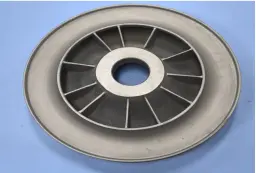
Working Mechanism & Industrial Value of Cast Impeller
Every industrial fluid transfer pump relies on a rotating component to convert motor power into fluid thrust. Before exploring all advantages and limitations of this part, we first break down its core definition, mainstream casting processes, and real production pain points that a cast impeller can fully resolve for factories across all sectors.
Definition and Working Logic
A cast impeller is a rotary pump part manufactured via integrated metal casting techniques. Its core function is transferring rotational mechanical energy from pump motors into kinetic energy for liquid media. Compared with fully machined wheel parts, this casting-based component delivers far more consistent material texture when produced in medium to large batches. When the pump drive shaft spins, curved blades on the wheel generate steady centrifugal force. Liquid flows inward from the central hub of the impeller and accelerates toward the outer rim. This movement directly raises fluid pressure, supporting continuous liquid delivery in automotive, chemical, construction and energy equipment systems. Three mainstream molding crafts are used to produce the wheel: gravity casting, low-pressure casting and high-pressure die casting. Each process matches different order volumes, dimensional tolerance standards and metal materials. Cast molding unlocks complex curved blade geometries that would bring extremely high labor and material costs if produced by traditional full machining.
Main Casting Production Processes
Low-pressure casting remains the top manufacturing choice for high-performance pump wheels. Slow pressure-guided mold filling minimizes internal pores and hidden structural flaws inside each finished unit. This process creates smooth internal flow channels and dense metal grain structure inside every finished cast impeller. Gravity casting suits small prototype batches well. It cuts upfront mold investment but leaves surface burrs and minor internal looseness on finished parts. Shot blasting and X-ray non-destructive inspection become mandatory steps to meet delivery quality standards for the wheel. High-pressure die casting has narrow applicable scenarios. Rapid mold filling easily traps tiny air bubbles within metal, shortening the service lifespan of a impeller working under sustained high fluid pressure. Factories only use this method for low-stress cooling pump prototypes with low safety requirements. After casting molding, workers complete shot blasting surface finishing for every unit. The treatment removes oxidation layers and tiny casting blemishes, cutting fluid turbulence and extending the overall service cycle of the wheel.
Practical Industrial Problems Solved
Factory purchasing teams and technical engineers face three persistent production hurdles, and a well-made cast impeller delivers targeted fixes for all three common pain points. First, fully machined pump wheels carry steep unit pricing and long production lead times. Intricate curved blades require hours of repeated CNC cutting work, inflating total costs for bulk orders. Mold-based casting reduces raw material waste and shortens overall production cycles, enabling fast delivery for large-scale factory orders of the wheel. Second, inconsistent batch quality disrupts long-term equipment operation. Manual CNC machining easily creates minor dimensional gaps between individual parts. Standardized casting lines and ISO-certified quality control lock unified specifications across every production batch of an impeller, stabilizing its corrosion resistance and hydraulic performance in continuous operation. Third, harsh operating environments demand corrosion-resistant rotating pump parts. A356 aluminum alloy variants stand up to weak acid, clean water and hydraulic oil erosion, slashing routine maintenance work compared to standard iron pump wheels. Thin-wall custom flow channels on the wheel further optimize liquid movement and lower long-term pump energy consumption.
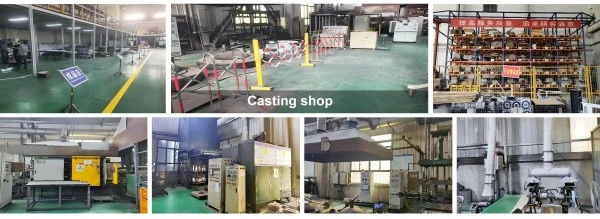
Advantages, Manufacturing Standards & Limitations of Cast Impeller
Now that we have covered how this casting pump wheel operates and its unique industrial value, we analyze its core production benchmarks, competitive strengths and inherent constraints. This balanced breakdown helps readers judge whether a cast impeller matches their unique equipment operating conditions and production demands.
Core Manufacturing Standards of High-Quality Pump Wheel
Material selection shapes the full lifespan and performance of each pump wheel. A356 aluminum alloy acts as the primary raw material for general industrial models. It strikes an ideal balance between lightweight design, tensile strength and basic anti-corrosion performance, fitting automotive cooling pumps, construction hydraulic equipment and general fluid transport machinery. Secondary precision machining optimizes assembly fit between the wheel and pump housing. CNC equipment trims blade edges and central shaft bores to tight dimensional tolerances. Dynamic balance testing is another non-negotiable quality step for every finished cast impeller. Unbalanced rotating bodies trigger violent vibration during high-speed operation. Calibration equipment eliminates uneven weight distribution, protecting pump bearings and cutting unexpected breakdown risks. Controlled heat treatment refines internal metal structure of the wheel. Regulated heating and cooling cycles release internal casting stress, boosting fatigue resistance and locking in stable dimensions under continuous high-speed rotation. Full-spectrum inspection protocols guarantee reliable finished goods. Manufacturers run X-ray non-destructive scans to detect hidden internal defects, paired with dimensional sampling and surface roughness testing for every production lot of the cast impeller.
Key Competitive Benefits
Cost control tops the list of advantages for medium and large batch orders. Integrated mold forming eliminates repeated CNC cutting steps, trimming labor and raw material spending. Bulk purchases of a cast impeller deliver far greater total cost savings compared to fully machined wheel alternatives. Design flexibility stands as another major upside of this casting component. Custom molds support irregular blade arcs, ultra-thin internal flow channels and multi-stage liquid passages. Engineers tailor wheel geometry to hit precise flow rate and head pressure targets, a level of customization impractical for pure machining workflows. Scalable production adapts to growing business demands. Professional foundries handle small prototype samples and annual bulk runs of thousands of units alike. Stable factory output guarantees steady supply chains for equipment manufacturers with long-term order plans for the impeller. Slow, controlled solidification during casting creates fine internal metal grains. This refined structure boosts wear and fatigue resistance, lowering part replacement frequency and slashing post-installation maintenance expenses for all equipment fitted with this wheel. Reputable manufacturers hold complete international management system certifications, including ISO9001 quality, ISO14001 environmental and ISO45001 workplace safety standards. These credentials simplify global supply chain compliance reviews for cross-border buyers sourcing the cast impeller.
Objective Limitations & Matching Selection Notes
Casting-produced pump wheels cannot fit every industrial working condition. Buyers must weigh inherent drawbacks before finalizing purchasing decisions for a cast impeller. First, extreme chemical media degrade standard aluminum casting units. Strong acid, concentrated alkali and high-temperature corrosive fluids quickly erode A356 alloy. For these harsh scenarios, teams must select stainless steel variants or add specialized anti-corrosion coating to each wheel surface. Second, tiny prototype batches carry steep upfront mold expenses. Custom geometry requires unique mold tooling, a one-time cost that cannot be evenly distributed across a small number of finished parts. Trial orders under 100 pieces typically lean toward fully machined wheels instead of casting-based units. Third, design tweaks after mold completion trigger extra fees. Adjusting blade curvature or channel width post-mold creation requires costly mold rework or full tool replacement. Early CFD fluid simulation and design validation drastically reduce costly mid-production revisions for every order of a cast impeller. Fourth, ultra-precise sealing contact surfaces demand secondary grinding. Casting naturally leaves minor surface unevenness. Wheels built for high-pressure sealed pump assemblies require extra precision finishing to meet strict tolerance benchmarks set for industrial impeller products.

Application Scenarios, Selection Guide & Professional Supplier Cooperation Plan of Cast Impeller
We have detailed the operating principles, strengths and limitations of this casting pump wheel in previous chapters. Next, we map its applicable industrial sectors, outline step-by-step purchasing guidelines and share formal supplier collaboration solutions. This chapter directly answers readers’ core question: how to pick a perfectly matched cast impeller for your centrifugal pump equipment.
Main Target Industries & Application Scenes
The automotive sector forms the largest downstream market for this casting pump component. Engine cooling water pumps and hydraulic brake assemblies widely adopt A356 aluminum wheels. Mass production demands, strict cost ceilings and lightweight design priorities align perfectly with the production advantages of a cast impeller. Construction and heavy machinery install these wheels within hydraulic oil circuits and cooling circulation systems. The rigid casting metal structure withstands constant vibration and dusty, rugged job site environments, extending the service life of each impeller installed on heavy-duty equipment. General industrial equipment makers integrate the wheel into circulation pumps, compressors and fluid conveyance lines. Custom molded geometries adjust pump flow and pressure to match unique factory production line requirements for every custom cast impeller order. Energy sector hardware relies on ultra-durable casting pump wheels. Wind turbine cooling loops, oil and gas liquid transfer pumps all require consistent, failure-resistant rotating parts to avoid costly full-system shutdowns caused by damaged cast impeller units. Aerospace fluid control systems also deploy custom molded wheels. Casting unlocks lightweight, complex internal channel designs, while multi-layer strict quality checks ensure every impeller meets aviation-grade safety standards for high-end fluid equipment.
Systematic Key Selection Tips
Start material matching by analyzing on-site working media when sourcing a cast impeller. Clean water and light hydraulic oil pair well with standard A356 aluminum units. Strong corrosive chemical transport needs stainless steel casting variants, while ultra-high temperature operating environments require heat-resistant specialty alloy wheels. Evaluate annual order volume to lock in optimal manufacturing craft for your impeller. Small prototype runs rely on machined pump wheels, while medium and mass orders above 200 units benefit most from low-pressure casting to cut total project expenditure. Align pump performance parameters to customize wheel geometry for your cast impeller. Engineers adjust blade angles, channel width and wall thickness according to required flow rate and discharge pressure. CFD fluid simulation validates hydraulic efficiency before manufacturers open formal production molds for the wheel. Audit supplier quality control infrastructure during vendor selection for a impeller. Qualified foundries must own X-ray scanning equipment, dynamic balance calibration machines and full ISO certification packages. Rigorous inspection workflows prevent defective casting wheels from entering customer production lines. Plan secondary processing needs during early supplier negotiations. Any cast impeller unit requiring precision assembly fits or enhanced rust resistance needs pre-confirmed CNC machining and shot blasting service packages from the manufacturer.

Conclusion
For medium and large batch centrifugal pump projects, a properly engineered cast impeller remains the most balanced rotating component choice on the market. Advanced metal casting crafts deliver flexible custom geometry, controlled production costs and stable long-term operational performance for every impeller. Standard A356 aluminum versions suit most conventional industrial liquid transport workflows without extra modification. Two core limiting factors require careful evaluation before placing orders for a cast impeller: high upfront mold costs for tiny batches and material performance limits under extreme corrosive fluids. Buyers can eliminate costly procurement errors by cross-referencing order quantity, working medium chemical makeup and pump performance targets when selecting their casting wheel. Long-term operational reliability of each unit hinges entirely on supplier technical capacity. Foundries with complete casting, secondary machining and full inspection workflows consistently deliver defect-free finished impeller. Businesses with sustained bulk procurement needs should partner with fully certified professional casting manufacturers to lock stable supply chains and smooth equipment operation.
FAQs
Q1: What primary raw materials produce reliable casting pump wheels?
A1: A356 aluminum alloy ranks as the most widely used material for standard cast impeller units. It balances casting workability, low weight and moderate corrosion resistance. Stainless steel wheels fit chemical anti-corrosion pipelines, while heat-resistant specialty alloys serve high-temperature fluid machinery. Final material selection for each cast impeller depends on site liquid chemistry, operating temperature and mechanical load demands.
Q2: How does a casting pump wheel compare to fully machined wheel performance?
A2: Under mass production schedules, a cast impeller delivers superior overall hydraulic efficiency. Mold-molded smooth curved blades reduce internal fluid turbulence. Machined alternatives offer tighter raw dimensional tolerances for ultra-precision low-volume equipment. For most medium and large-scale industrial applications, a cast impeller holds clear cost and design customization advantages.
Q3: What inspection steps guarantee consistent quality for molded pump wheels?
A3: Four core quality checks apply to every finished cast impeller. First, full dimensional measurement to verify spec compliance. Second, X-ray non-destructive scanning to eliminate hidden internal casting flaws. Third, metal composition sampling verification. Fourth, dynamic balance calibration and surface roughness assessment. All inspection steps follow standardized ISO manufacturing rules to keep uniform quality across every batch of the cast impeller.
Reliable Supplier Cooperation
Rongbao Enterprise specializes in custom molded pump wheels built through precision casting. The firm holds 20 years of industry experience, with an ISO9001:2015 certified Xi’an production base equipped with mature low-pressure casting assembly lines for every cast impeller project. The factory’s monthly output hits 5,000 finished wheels, delivering full one-stop service covering early CFD design, custom mold development, casting molding, CNC precision finishing and anti-corrosion surface treatment. Its products serve automotive, construction, energy and general industrial manufacturers year-round. If you hold custom pump wheel development plans, or want complimentary material matching analysis and pump performance optimization reports for your impeller, reach out to our technical sales team without delay. Primary Contact Email: steve.zhou@263.net Secondary Contact Email: zhouyi@rongbaocasting.com Our engineering team will analyze your site operating conditions, deliver tailored structural optimization suggestions for your impeller, and share free product samples plus full factory qualification documentation for your internal review.
References
1. Anderson, J.K. (2023). Advanced Casting Technologies for Precision Impeller Manufacturing. Journal of Manufacturing Engineering, Vol. 45, No. 3, pp. 234-251.
2. Chen, L.M. & Rodriguez, P. (2022). Comparative Analysis of Cast vs. Machined Impeller Performance in Industrial Applications. International Pump Technology Review, Issue 12, pp. 78-92.
3. Thompson, R.S. (2023). Material Selection Criteria for High-Performance Cast Impeller. Materials Engineering Quarterly, Vol. 28, No. 2, pp. 156-171.
4. Williams, D.A. & Kumar, S. (2022). Quality Control Methodologies in Precision Casting Operations. Manufacturing Quality Standards Journal, Vol. 19, No. 4, pp. 445-462.
5. European Casting Association (2023). Best Practices for Low-Pressure Casting of Aluminum Components. Technical Bulletin ECA-2023-07, pp. 1-28.
6. Martinez, F.J. (2023). Cost-Benefit Analysis of Cast Impeller in High-Volume Manufacturing. Industrial Engineering Economics Review, Vol. 31, No. 1, pp. 89-104.
Learn about our latest products and discounts through SMS or email