- English
- French
- German
- Portuguese
- Spanish
- Russian
- Japanese
- Korean
- Arabic
- Greek
- German
- Turkish
- Italian
- Danish
- Romanian
- Indonesian
- Czech
- Afrikaans
- Swedish
- Polish
- Basque
- Catalan
- Esperanto
- Hindi
- Lao
- Albanian
- Amharic
- Armenian
- Azerbaijani
- Belarusian
- Bengali
- Bosnian
- Bulgarian
- Cebuano
- Chichewa
- Corsican
- Croatian
- Dutch
- Estonian
- Filipino
- Finnish
- Frisian
- Galician
- Georgian
- Gujarati
- Haitian
- Hausa
- Hawaiian
- Hebrew
- Hmong
- Hungarian
- Icelandic
- Igbo
- Javanese
- Kannada
- Kazakh
- Khmer
- Kurdish
- Kyrgyz
- Latin
- Latvian
- Lithuanian
- Luxembou..
- Macedonian
- Malagasy
- Malay
- Malayalam
- Maltese
- Maori
- Marathi
- Mongolian
- Burmese
- Nepali
- Norwegian
- Pashto
- Persian
- Punjabi
- Serbian
- Sesotho
- Sinhala
- Slovak
- Slovenian
- Somali
- Samoan
- Scots Gaelic
- Shona
- Sindhi
- Sundanese
- Swahili
- Tajik
- Tamil
- Telugu
- Thai
- Ukrainian
- Urdu
- Uzbek
- Vietnamese
- Welsh
- Xhosa
- Yiddish
- Yoruba
- Zulu
High-Performance Cast Impellers Testing Standards
High-performance cast impellers serve as the beating heart of critical industrial equipment, from high-speed rail cooling systems to wind turbine assemblies. Testing standards for these components establish rigorous benchmarks ensuring each aluminum cast impeller meets exacting performance thresholds before entering service. These protocols evaluate structural integrity, dimensional precision, material properties, and operational reliability—particularly vital for applications where impellers face extreme rotational speeds and cyclical stress. International frameworks such as ISO 9001 quality management, ASTM material specifications, and API pump standards guide manufacturers in validating that each impeller will perform consistently across thousands of operating hours, minimizing catastrophic failures and unplanned downtime in mission-critical systems.
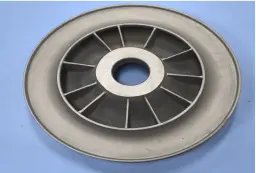
Testing Standards for Cast Impellers
The Purpose of Testing Standards
There are testing guidelines to help connect what was planned during creation with what actually happens during use. When buying teams ask for a 15 kg aluminum alloy cast impeller for high-speed train use, they need to know that the part will be able to handle vibrations, changes in temperature, and corrosive conditions for the whole time it's in use. Standards turn vague requirements for quality into criteria that can be measured. A properly tested impeller is checked at several stages: the chemical makeup of the raw material (A356 aluminum alloy) is checked to make sure it meets the requirements; the casting process is controlled to make sure the molds are filled correctly; and the heat treatment protocols make sure the T6 temper meets the desired mechanical properties. This methodical technique finds problems early on, stopping failures in the field that could damage expensive equipment and put people at risk.
Key International Testing Benchmarks
Several well-known groups set the rules for tests that are used in the making of impellers. Having ISO 9001:2015 certification shows that a company has consistent quality management systems that keep track of everything from the standards of suppliers to records of the final review. The ASTM guidelines explain how to test the tensile strength, yield strength, elongation, and hardness of a material. These tests show that low-pressure casting methods make aluminum impellers with a regular mechanical structure that are free of holes and other impurities. API standards include rules for spinning machinery that deal with things like balance limits, surface finish requirements, and hydraulic performance standards. Manufacturers that sell to customers all over the world often try to get more than one approval. This is because train transit officials in different parts of the world may use different standards to qualify suppliers.
Categories of Essential Impeller Tests
There are four main types of tests that make up quality validation. Tensile strength, impact resistance, and wear endurance are all measured by mechanical testing. This is especially important for parts that are put through millions of stress cycles. Coordinate measuring tools are used for dimensional checking to make sure that CNC-machined parts match model tolerances to the nearest micron. This keeps the assembly from interfering with the work and lowers vibration. X-ray radiography is used in non-destructive testing to find flaws in the casting that can't be seen from the outside. Microscopy and spectrography are used in metallurgical analysis to look at the structure of the grains, how well the heat treatment worked, and the composition of the alloy. When used together, these methods paint a full picture of quality that gives buying workers peace of mind that their investment will pay off.
Core Testing Procedures and Their Impact on Quality
Mechanical and Metallurgical Validation
The integrity of a material starts at the microscopic level. Metallurgical testing looks at aluminum alloy samples from cast impellers using an optical microscope to see the structure of the grains. The as-cast material changes when it goes through the right T6 heat treatment, which brings out hardening steps that raise the tensile strength to 240 MPa or higher. Standardized samples are stretched until they break, and the ultimate strength, yield point, and elongation percentage are measured by tensile testing machines. These numbers have a direct effect on how a turbine works when it is under working loads. Using the Brinell or Rockwell methods to test the hardness of a casting quickly confirms that the heat treatment cycles have achieved the desired properties across the whole casting. When low-pressure casting methods are used on big impellers, the structures are denser and more regular than when gravity casting is used. This is because the structures have fewer holes, which could cause fatigue cracks to form during service.
Dimensional Accuracy Verification
Geometric accuracy is what sets good casts apart from great ones. Coordinate measuring tools check important measurements like blade angles, hub diameters, bore concentricity, and general balance after shot blasting removes surface scale and CNC milling makes the final features. Deviations of a few hundredths of a millimeter can cause vibrations that wear out bearings faster and make the system less effective. Dynamic balance equipment spins impellers at their working speeds to find problems with the way mass is distributed. Then, technicians take away small amounts of material from areas that are too heavy. This creates balance grades that can be used in high-speed uses. Because of this focus on accuracy, companies that care about quality invest in climate-controlled machine facilities. These facilities keep the temperature stable so that measurement mistakes caused by thermal expansion don't happen.
Non-Destructive Testing for Hidden Defects
X-ray radiography can show things that a visual study can't. As molten aluminum hardens in molds, gas porosity or shrinkage cavities can form inside. These can't be seen from the outside but can fail catastrophically under fatigue loading. X-rays are used in industrial imaging equipment to make pictures of impellers that show differences in density. Trained workers check films against acceptance standards and throw away casts whose porosity levels are too high. Ultrasonic testing is a different method that uses sound waves to find breaks in the ground. These non-destructive techniques keep end users from getting parts that have hidden flaws that might look fine at first glance but break down quickly when they're used. Manufacturers who have ISO 9001 certification keep written NDT processes and trained workers on hand to make sure that these important quality gates are always used.
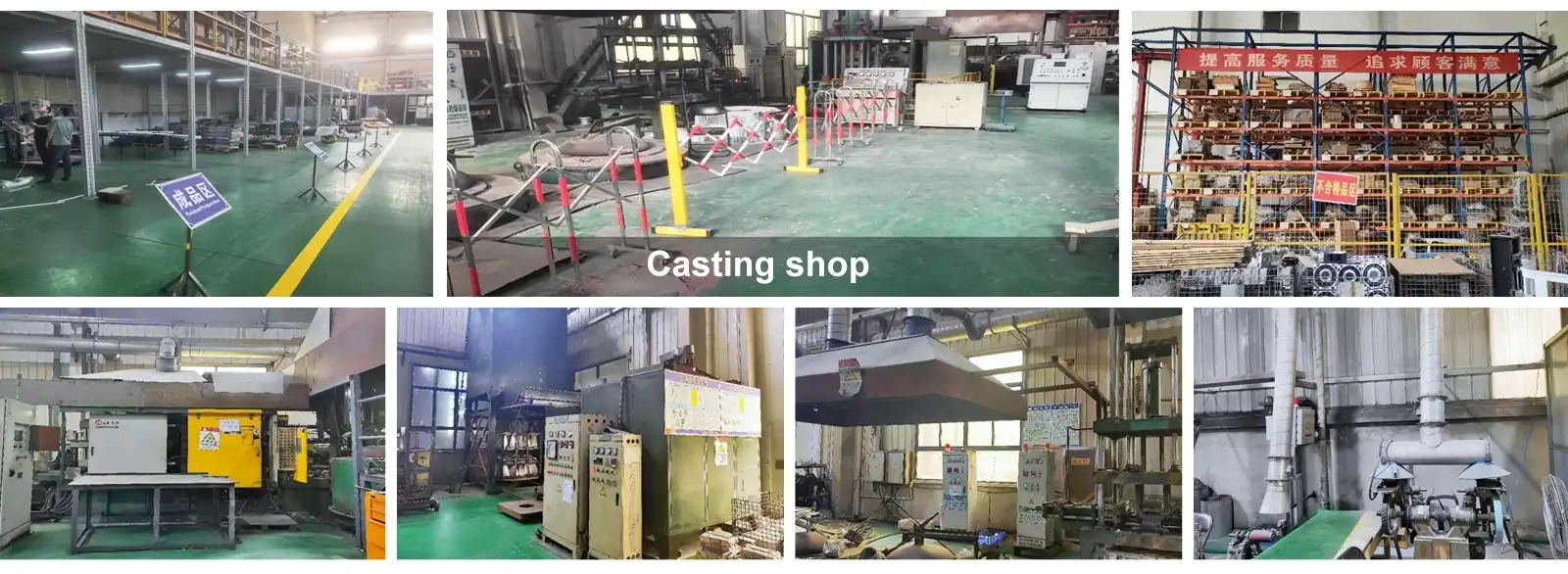
Comparison of Testing Standards Across Different Cast Impeller Types
Material-Specific Testing Requirements
When it comes to validation, aluminum alloys like A356 need different methods than cast iron or stainless steel alternatives. Aluminum is great for transportation uses where reducing mass saves energy because it is lighter and better at conducting heat. It is important to make sure that the right heat treatment was done because aluminum's mechanical qualities come mostly from precipitation strengthening and not from its carbon content. For stainless steel cast impellers used in pumping applications that are likely to rust, they need to be tested for corrosion resistance using salt spray or immersion in aggressive media. Different tests are done on cast iron parts to check the graphite structure and matrix hardness. When choosing materials, procurement teams need to keep in mind that testing gets harder and costs more as performance needs rise. A normal gray iron turbine might only need basic measurements, but an aerospace-grade aluminum part is tested thoroughly at every stage of production.
Application-Specific Performance Standards
High-speed rail impellers are put under different kinds of stress than wind turbine or marine pump parts. For rail applications, high fatigue resistance is needed because the cooling system impellers work all the time, even when the temperature changes and the rails shake. As part of testing, accelerated fatigue cycling is used to simulate years of operational loads in a short amount of time. Parts of wind turbines need to be tested to make sure they work well in a wide range of temperatures and in the outdoors. Erosion resistance testing is done on slurry pump impellers used in mining by bombarding sample casts with rough particles. In addition to basic quality standards, these specialty tests make sure that parts meet the specific needs of the area where they will be used. Manufacturers with a wide range of experience in different industries know these application-specific details and make sure that their testing procedures are tailored to the exact working conditions their customers will face.
Regulatory Compliance Across Global Markets
International trade makes licensing more difficult. In Europe, train officials may require TÜV approval that shows compliance with EN standards, while customers in North America use ASTM standards. Asian markets are adopting ISO frameworks more and more, but they may add their own requirements on top of them. Manufacturers with customers all over the world have more than one certification because they know that one quality system can meet the requirements of many regulatory bodies if it is properly documented. The ISO 14001 standards for environmental management and the ISO 45001 standards for workplace health and safety work with the ISO 9001 quality systems to solve issues other than product performance. These certifications give procurement workers peace of mind that sellers will do a good job and meet technical requirements. Keeping up with multiple certifications costs money, but it shows that a company wants to serve international markets with consistent quality no matter where they go
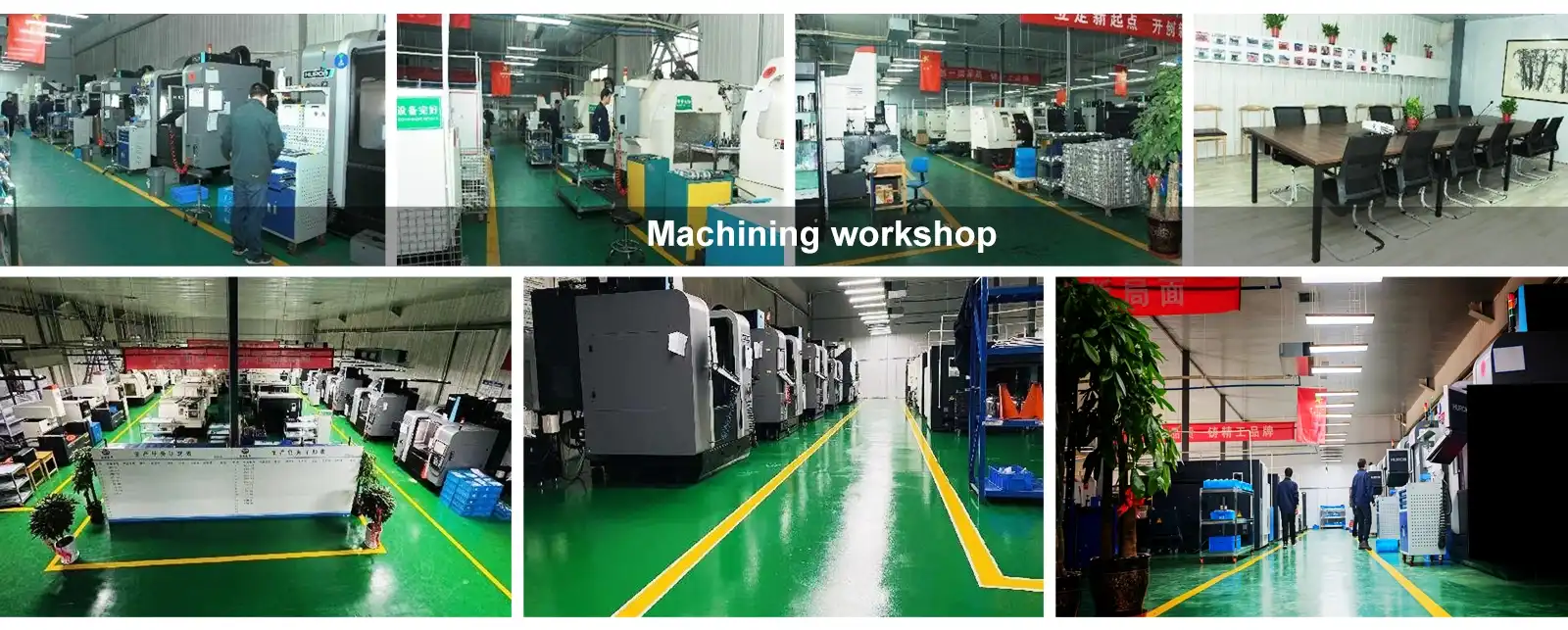
How to Choose a Certified Cast Impeller Supplier That Meets Testing Standards?
Evaluating Manufacturing Certifications
Checking qualifications is the first step in choosing a supplier. Ask for copies of the most recent ISO 9001:2015 certificates and look them over to see which organizations issued them and what they cover. When you can, go to factories and look at the testing tools and methods for yourself. Testing tools in good labs should be properly adjusted and have up-to-date certificates of calibration that can be tracked back to national standards. Check quality manuals and inspection procedures to see if the steps written down match how things are actually done. Manufacturers that make 5,000 cast impellers a year using well-known methods show a level of production stability that new companies can't match. Relevant experience can be seen in work related to rail transit, wind energy, and industrial pumping. Suppliers that give customized specs and OEM/ODM services go above and beyond just supplying parts; they also help improve designs so they can be manufactured while keeping performance high.
Production Capabilities and Capacity
When starting up production programs, capacity is important. A seller with a lot of low-pressure casting tools can handle big orders without having to rush deliveries. Finishing wait times depend on how much CNC machining can do, especially for complicated shapes that need processes on more than one axis. The ability to package valuable castings in wooden crates keeps them safe during international shipping, preventing damage that could happen with poor packaging. Suppliers in well-known manufacturing areas like Xi'an can easily get to raw materials and specific services thanks to well-developed supply chains. With a production capacity of 5,000 pieces per year, it's clear that serious industrial customers should invest in equipment and train the staff. These operating skills set craft shops apart from manufacturing partners that can support long-term production relationships.
Quality Assurance Transparency
Suppliers you can trust are happy to talk about quality. Ask for sample inspection reports that include real testing data, such as measurements of dimensions and lengths and widths, mechanical properties, and NDT results. Manufacturers who are open about their practices provide paperwork that connects finished impellers to records of the materials used and the processes they went thru. Talk about quality hold points where customer service reps can see products being tested or inspected before they are shipped. Make the guarantee terms and steps for dealing with goods that don't meet the requirements clear. Suppliers who are sure of their processes welcome scrutiny because they know that customers who are well-informed become loyal partners. This level of openness builds trust during the evaluation phase, which sets the stage for a long-term partnership that works well.
Conclusion
Aluminum cast impeller casting goes from being an art to a science when strict testing standards are used to make sure that parts meet high performance standards in a wide range of uses. Manufacturers make sure that each impeller will work reliably for as long as it's supposed to by testing it mechanically, checking its dimensions, looking at it without damaging it, and analyzing its metal. By understanding these standards, buying teams can choose suppliers more wisely, lowering the risks of component breakdowns and improving the performance of equipment. As more and more industries, from rail transit to green energy, need higher levels of reliability, testing methods are always changing to include digital technologies and data analytics that make quality assurance work better. Partnering with certified makers who are committed to ongoing improvement sets equipment builders up for success in global markets that are very competitive.
FAQ
What tests are most critical for ensuring cast impeller reliability?
X-rays and tests of mechanical properties are two of the most important validations. Tensile testing confirms that the aluminum alloy reaches the required strength after being heated, which is directly related to how well it resists fatigue under operational loads. X-rays can find internal porosity that can't be seen from the outside. These are flaws that could cause cracks that lead to catastrophic failure. Verification of the accuracy of the dimensions stops problems with assembly and too much vibration. These tests cover the main types of failure that affect the reliability of cast impellers.
How often should impellers undergo testing throughout their lifecycle?
For initial approval, samples from the first production runs must be thoroughly tested. Plans for sampling are used in ongoing production that are based on batch sizes and how important the parts are. For example, high-reliability uses may test every piece, while lower-risk uses can use statistical sampling. How often an in-service inspection is done depends on the operating conditions. Checks need to be done more often in harsh environments. Manufacturers usually suggest an eye check at regular maintenance times, followed by more in-depth testing if damage or wear is seen.
Do testing standards vary based on impeller application?
Of course. For rail transit impellers, wear testing that simulates millions of stress cycles is needed, and for chemical processes, corrosion resistance proof is very important. Erosion resistance against gritty slurries is tested in mining. Wind energy parts are tested in a variety of environments with a range of temperatures. Standards change based on practical facts to make sure that parts can withstand the circumstances they are used in. Talking to suppliers about the specifics of the application helps make sure that the right testing methods are used.
Partner With Rongbao Enterprise for Certified Aluminum Impellers
At Rongbao Enterprise, we make high-performance aluminum cast impellers that meet international testing standards. These are used in high-speed rail cooling systems and other demanding situations. Our low-pressure casting method makes 15 kg A356 aluminum parts with great mechanical qualities that have been proven by strict testing procedures. We follow strict quality controls from the time we receive materials until the final inspection. We are certified to ISO 9001:2015, ISO 14001, and ISO 45001 standards. Our Xi'an facility uses advanced CNC machining and shot blasting to treat the surface of the impellers, making them perfectly sized and ready to be installed right away. We are a reliable cast impeller supplier for OEMs who need consistent quality and reliable delivery. Each year, we can make more than 5,000 customized impellers. To talk about your project needs, email steve.zhou@263.net or zhouyi@rongbaocasting.com. Visit rongbaocasting.com to see all of the things we can make and learn how our testing procedures make sure that your applications get the reliable performance they need.
References
- American Society for Testing and Materials. (2021). Standard Test Methods for Tension Testing of Metallic Materials. ASTM International, West Conshohocken, PA.
- International Organization for Standardization. (2015). Quality Management Systems: Requirements. ISO 9001:2015, Geneva, Switzerland.
- Campbell, J. (2015). Complete Casting Handbook: Metal Casting Processes, Metallurgy, Techniques and Design (2nd ed.). Butterworth-Heinemann, Oxford, UK.
- American Petroleum Institute. (2019). Centrifugal Pumps for Petroleum, Petrochemical and Natural Gas Industries. API Standard 610, Washington, DC.
- Kaufman, J. G., & Rooy, E. L. (2004). Aluminum Alloy Castings: Properties, Processes, and Applications. ASM International, Materials Park, OH.
- Makhlouf, M. M., & Guthy, H. V. (2001). The aluminum-silicon eutectic reaction: Mechanisms and crystallography. Journal of Light Metals, 1(4), 199-218.
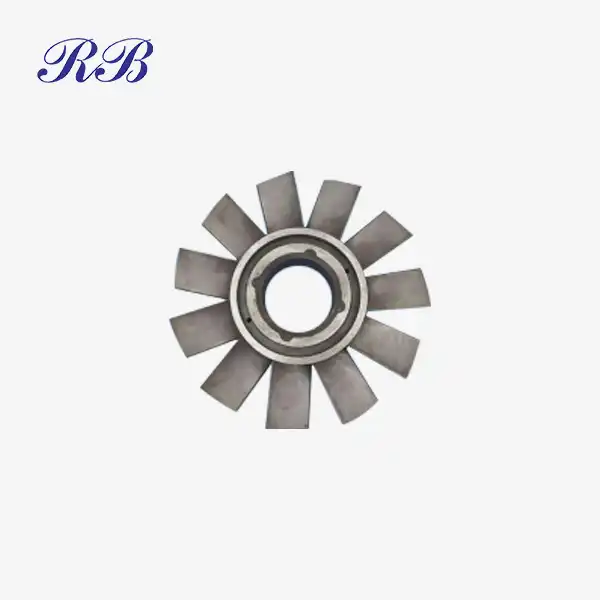
Learn about our latest products and discounts through SMS or email