- English
- French
- German
- Portuguese
- Spanish
- Russian
- Japanese
- Korean
- Arabic
- Greek
- German
- Turkish
- Italian
- Danish
- Romanian
- Indonesian
- Czech
- Afrikaans
- Swedish
- Polish
- Basque
- Catalan
- Esperanto
- Hindi
- Lao
- Albanian
- Amharic
- Armenian
- Azerbaijani
- Belarusian
- Bengali
- Bosnian
- Bulgarian
- Cebuano
- Chichewa
- Corsican
- Croatian
- Dutch
- Estonian
- Filipino
- Finnish
- Frisian
- Galician
- Georgian
- Gujarati
- Haitian
- Hausa
- Hawaiian
- Hebrew
- Hmong
- Hungarian
- Icelandic
- Igbo
- Javanese
- Kannada
- Kazakh
- Khmer
- Kurdish
- Kyrgyz
- Latin
- Latvian
- Lithuanian
- Luxembou..
- Macedonian
- Malagasy
- Malay
- Malayalam
- Maltese
- Maori
- Marathi
- Mongolian
- Burmese
- Nepali
- Norwegian
- Pashto
- Persian
- Punjabi
- Serbian
- Sesotho
- Sinhala
- Slovak
- Slovenian
- Somali
- Samoan
- Scots Gaelic
- Shona
- Sindhi
- Sundanese
- Swahili
- Tajik
- Tamil
- Telugu
- Thai
- Ukrainian
- Urdu
- Uzbek
- Vietnamese
- Welsh
- Xhosa
- Yiddish
- Yoruba
- Zulu
What are aluminium die casting components?
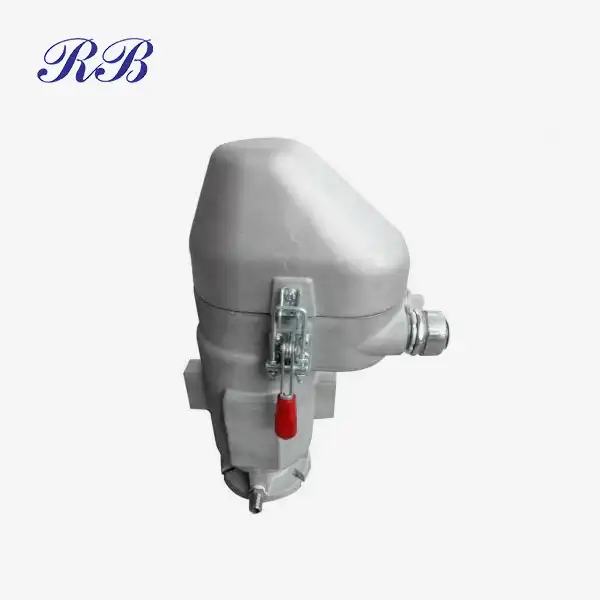
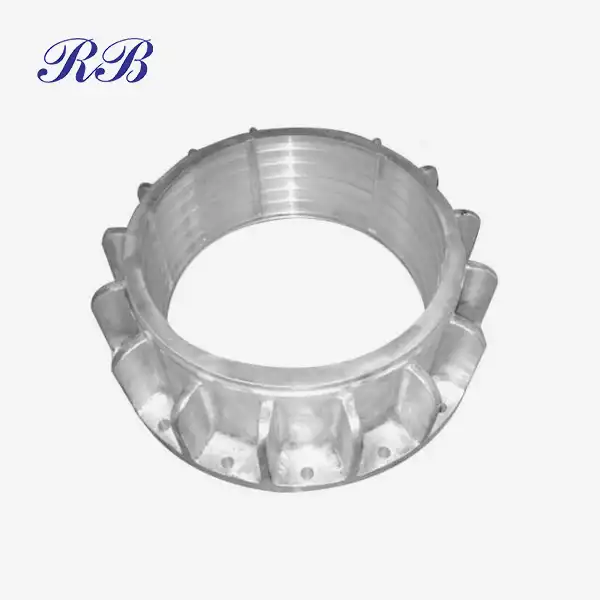
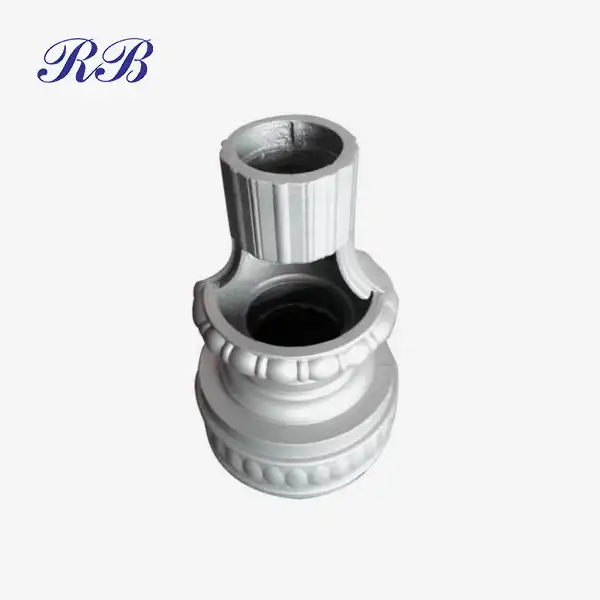
Aluminum die casting parts are very precise metal parts made by pouring molten aluminum alloy into steel molds under very high pressure. This innovative way of making things makes parts that are light, strong, and very precise in size, with smooth surfaces. These precision-engineered parts are used in a wide range of industries, from automobile housings to aerospace components, where strength-to-weight ratio and dependability are always the most important factors.
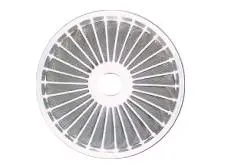
Understanding the Aluminum Die Casting Process and Core Technology
One of the most advanced ways to shape metal in production is by die casting. During manufacture, molten aluminum alloy is heated to more than 1,200°F before being injected into steel molds that have been precisely machined. The pressure in these molds can be anywhere from 1,500 to 25,000 PSI. This high-pressure setting makes sure that the mold cavity is completely filled, which gets rid of air pockets and makes parts with better mechanical qualities.
There are two main ways to make aluminum die castings. High-pressure die casting uses very high injection rates and very high pressures. This makes it perfect for thin-walled parts that need very tight tolerances. Low-pressure aluminum casting uses regulated pressure, usually approximately 0.7 bar, and the holding furnace is below the casting. This process lets molten metal flow up through risers, keeping the pressure up until the metal hardens. Any extra material goes back into the furnace to be reused, which makes the most of the material.
Modern die casting machines include advanced control systems that keep an eye on temperature, pressure, and time settings during each cycle. These automated technologies make sure that the quality stays high while keeping production speeds for smaller parts at over 200 pieces per hour. Manufacturers can keep tolerances within ±0.002 inches consistently because computer-controlled procedures are so precise.
Advanced alloy compositions make the performance of components better. A380 aluminum alloy, which has silicon and copper added to it, is very easy to cast and has a lot of mechanical strength. A383 fills dies better for intricate shapes, whereas A360 is better at resisting corrosion when used outside. Each choice of alloy relies on the needs of the application, the circumstances in the environment, and the performance standards.
Critical Problems Aluminum Die Casting Components Solve in Modern Manufacturing
Aluminum die casting parts are great at coming up with new ideas to solve problems in manufacturing across many sectors. In the automobile and aerospace industries, weight loss is still a top priority since every ounce affects fuel economy and performance. Steel parts that are made the old-fashioned way are typically too heavy to meet contemporary efficiency criteria. Aluminum parts, on the other hand, are just as strong but weigh 65% less.
Conventional manufacturing processes have trouble with complex geometric constraints. Die casting makes it feasible to make complex geometries with built-in mounting features, internal cooling channels, and thin wall sections that would be hard to make via machining or fabrication. This feature cuts down on assembly stages, parts counts, and possible failure areas in important applications.
Manufacturers look for ways to make things more efficiently because of cost concerns. Die casting has great per-unit economics for medium to high-volume manufacturing runs, even though the initial tooling costs seem hefty. The technique cuts down on the number of machining steps needed, cuts down on material waste, and makes it possible to automate production cycles, which saves a lot of money on labor.
Many industrial processes, especially those that need a lot of accuracy, have trouble keeping the quality of their products the same. The regulated environment of die casting makes sure that the same outcomes happen again and over again throughout thousands of manufacturing cycles. There are only little differences in size, the surface finishes are always of high quality, and the mechanical qualities keep within tight ranges of specifications. This level of dependability is very important for safety parts in cars, medical device housings, and aerospace applications where failure can have serious repercussions.
Manufacturers who rely on more than one source for parts face risks because of the complexity of the supply chain. Die casting makes it possible to combine several characteristics into one part, which lowers the number of suppliers needed and makes it easier to buy things. Parts that used to need to be put together from several pieces may now be cast as single pieces. This makes them more reliable and makes it easier to keep track of inventories.
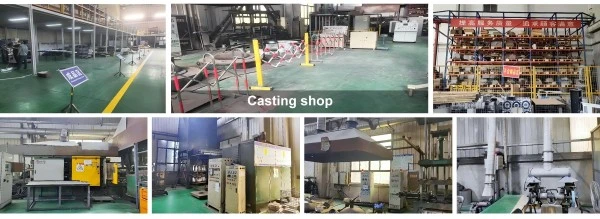
Key Advantages That Make Aluminum Die Casting Components Superior
Aluminum die casting parts have several benefits that make them popular in tough sectors. The incredible strength-to-weight ratio is better than that of most other materials, which makes designs that were not conceivable before possible now. Aluminum's inherent characteristics, which are improved by the die casting process, give it tensile strengths of more than 48,000 PSI while keeping its weight far lower than that of steel.
Thermal management skills are very important in today's applications. Aluminum's thermal conductivity is around four times better than that of steel, which makes it good for dissipating heat in electrical housings, engine parts, and power tools. This feature is especially useful in electric vehicles, because cooling the battery and managing the heat of the power electronics directly affect performance and safety.
Corrosion-resistant characteristics keep parts safe under tough conditions. Aluminum naturally generates an oxide coating that protects it from future corrosion. Specialized surface treatments can make this protection even stronger. Parts that are exposed to maritime conditions, road salt, or industrial chemicals stay strong for a long time without protective coatings.
Die casting is a good choice for mass production since it is more efficient. The time it takes to complete a cycle can be anything from 30 seconds to a few minutes, depending on the size and complexity of the parts. Manufacturers can fulfill tight delivery deadlines while keeping costs low since they can quickly make things and don't have to do any post-processing.
Design flexibility lets engineers make the most of how components work. Features like bosses, ribs, and mounting points are included right into castings, so there is no need for further procedures. Thin wall sections, which can't be made using conventional methods, use less material while yet keeping the structure strong. Complex internal geometries make it possible to increase functionality, which in turn improves the performance of the whole system.
The quality of the surface finish satisfies high standards for both looks and function. As-cast surfaces frequently do away with finishing steps, and different treatments can provide surfaces a certain look or performance. This feature is useful in consumer items where looks are important or in technical applications that need certain surface qualities.
Understanding Potential Limitations and Manufacturing Considerations
Aluminum die casting parts have a lot of benefits, but they also have certain drawbacks that need to be carefully thought about when making design and purchasing decisions. The expenditures of initial tooling are big investments, especially for complicated shapes that need advanced mold designs. Because of these expenditures, die casting is only cost-effective for manufacturing runs of more than a few thousand pieces a year.
Some geometric options are limited by design limitations. To allow parts to be ejected from molds, draft angles of 1 to 3 degrees must be used. You need to be very careful when dealing with wall thickness changes to avoid problems like porosity or sink marks. Minimum wall thicknesses, which range from 0.040 to 0.080 inches depending on the alloy and part size, may not work for all uses.
Limitations on materials effect how parts are chosen. Aluminum alloys are great for many uses, but they aren't as strong as hardened steels or as heat-resistant as superalloys. Most die casting alloys can only be used at temperatures below 400°F, which limits their use in high-temperature settings.
Even with process controls, surface porosity can happen, especially in thick sections or shapes that are hard to understand. Modern technologies have made this problem less common, but applications that demand total pressure integrity may need extra sealing or different ways of making things. These possibilities must be taken into consideration by quality control methods when they check incoming goods.
Because of the tools needed, lead times for beginning manufacturing are longer than those for several other procedures. Depending on how complicated the mold is, it might take 8 to 16 weeks to design, make, and test it. This schedule must be taken into account while planning a project, especially when launching a new product with a set date for entering the market.
Size limits make it impossible for components to be as big as they could be. Die casting machines can only hold a certain amount of pressure and shot, which limits the size of the parts they can make. Very big parts may need different methods or design changes to work with the equipment that is available.
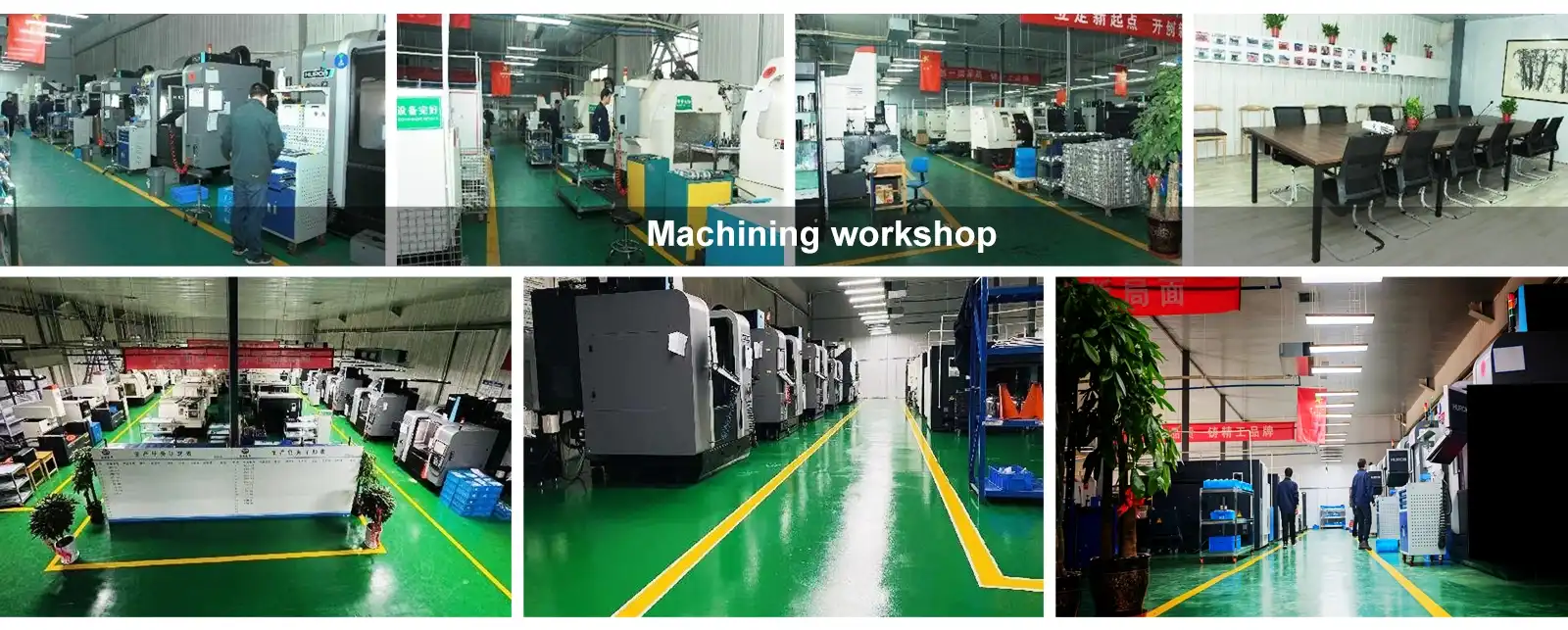
Aluminum Die Casting Components vs. Alternative Manufacturing Methods
When you compare aluminum die casting to other ways of making things, you can see that each has its own pros and cons that affect your choice. Machined aluminum parts have better surface finishes and tighter tolerances, but they need a lot more material and take longer to make. Die casting makes forms that are almost ready to use, which cuts down on the need for machining while still meeting the tolerances needed for most uses.
Sand casting costs less for tools and lets you make things in a wider range of sizes, but also makes surfaces that are rougher and tolerances that are looser. Die casting's better dimensional precision and surface quality typically mean that sand cast parts don't need any further work. Die casting is more better for bulk applications since it has higher production rates.
Fabricated aluminum assemblies provide you more design options, but they also add more joints and possible failure sites. Die casting makes solid constructions that don't need welding, fastening, or other quality issues. The benefits of the structural stability of cast parts frequently exceed the design limitations of the casting process.
Plastic injection molding is cheaper and makes great surface finishes, but it can't match aluminum's strength, thermal characteristics, or stability in size. Even though die casting costs more, it is better for applications that need metal qualities. In tough service conditions, the long-lasting benefits of aluminum frequently make the investment worth it.
Forged aluminum parts have better mechanical qualities, but they need a lot of machining and cost more to make. Die casting is a good choice for most applications since it is strong enough, costs less, and can be made faster. It relies on the exact strength needs and the amount of manufacturing.
Investment casting makes great surface finishes and complicated shapes, but it takes a much longer to make things. Die casting may be automated, which lets you make more parts at a cheaper cost per unit. This makes it the best choice when time and economy are more important than the final surface quality.
Target Industries and Ideal Applications for Aluminum Die Casting Components
Automotive and commercial vehicle industries represent the largest consumers of aluminum die casting components. Engine blocks, transmission housings, brake components, and structural elements benefit from aluminum's weight savings and thermal properties. Automotive suppliers particularly value the process's ability to maintain tight tolerances essential for proper fit and function in critical applications.
The shift toward electric vehicles creates new opportunities for die casting components. Battery housings, motor housings, and thermal management components require aluminum's excellent thermal conductivity and lightweight properties. These applications often demand complex internal geometries for cooling channels that die casting readily accommodates.
Construction and heavy machinery sectors utilize die casting for hydraulic components, pump housings, and structural elements. The process's ability to create integrated mounting features and complex internal passages proves valuable in these applications. Durability requirements in harsh environments favor aluminum's corrosion resistance and mechanical properties.
General industrial equipment applications span pumps, valves, compressors, and machine tools. These components often require pressure integrity, dimensional stability, and long service lives that die casting aluminum delivers reliably. The process economics align well with the medium to high volumes typical in industrial markets.
Energy and power equipment sectors increasingly specify aluminum die casting components for wind turbine components, electrical housings, and power transmission equipment. The combination of electrical conductivity, corrosion resistance, and mechanical strength makes aluminum ideal for outdoor electrical applications.
Aerospace applications, while demanding the highest quality standards, benefit from aluminum die casting's weight savings and design flexibility. Components such as housings, brackets, and structural elements must meet stringent certification requirements while delivering reliable performance in demanding environments.
Electronics and telecommunications industries utilize die casting for heat sinks, equipment housings, and mounting hardware. The excellent thermal conductivity enables effective cooling of power electronics, while electromagnetic shielding properties protect sensitive circuits from interference.

Partner with Rongbao Enterprise for Superior Aluminum Die Casting Solutions
Rongbao Enterprise stands as your trusted aluminum die casting components manufacturer, delivering precision-engineered solutions that exceed industry standards. Our comprehensive manufacturing capabilities span high-pressure and low-pressure die casting processes, supported by advanced automation and rigorous quality control systems. With ISO9001, ISO14001, and ISO45001 certifications, we ensure consistent quality and compliance with global requirements. Our 20 years of industry experience and 70% export volume to Europe, America, and Japan demonstrate our commitment to excellence. Whether you need automotive components, industrial housings, or custom solutions, our team provides complete support from design optimization through finished product delivery. Ready to discuss your aluminum die casting requirements? Contact us at steve.zhou@263.net and zhouyi@rongbaocasting.com to explore how our expertise can enhance your next project.
Conclusion
Aluminum die casting components represent a mature, reliable manufacturing solution that continues evolving with advancing technology and changing industry requirements. The combination of lightweight properties, design flexibility, and production efficiency makes these components essential across automotive, industrial, and emerging sectors. While initial tooling investments require careful consideration, the long-term benefits of consistent quality, rapid production, and design integration capabilities justify the investment for appropriate applications. As industries pursue sustainability goals and performance optimization, aluminum die casting components will remain crucial enablers of innovation and efficiency.
FAQs
Q1: What dimensional tolerances can aluminum die casting components achieve?
A: Aluminum die casting typically achieves dimensional tolerances of ±0.003 to ±0.005 inches for most features, with some critical dimensions reaching ±0.002 inches. These tolerances depend on component size, geometry complexity, and specific process parameters. Tighter tolerances may require secondary machining operations.
Q2: How do minimum order quantities affect aluminum die casting economics?
A: Die casting becomes economically attractive at quantities exceeding 1,000-5,000 pieces annually, depending on component complexity. While tooling costs remain fixed, per-unit costs decrease significantly with volume increases. Most suppliers prefer quantities above 10,000 pieces annually for optimal pricing.
Q3: What surface treatments are available for aluminum die casting components?
A: Common surface treatments include anodizing, powder coating, electroplating, and chemical conversion coatings. Each treatment provides specific benefits such as enhanced corrosion resistance, improved appearance, or modified surface properties. Treatment selection depends on application requirements and environmental conditions.
References
- Smith, J.R., "Advanced Die Casting Technologies and Applications," Metal Forming Institute Press, 2023.
- Anderson, M.K., "Aluminum Alloys in Automotive Manufacturing: Properties and Processing," Automotive Engineering Journal, Vol. 45, 2023.
- Chen, L.W., "Quality Control Systems in Modern Die Casting Operations," Manufacturing Technology Review, 2022.
- Thompson, R.B., "Comparative Analysis of Metal Forming Processes for Automotive Components," SAE International Technical Papers, 2023.
- Williams, D.A., "Thermal Management Applications of Aluminum Die Castings in Electric Vehicles," Electric Vehicle Technology Magazine, 2023.
- Martinez, P.J., "Cost Analysis and Economics of High-Volume Die Casting Production," Industrial Manufacturing Economics, 2022.
Learn about our latest products and discounts through SMS or email