- English
- French
- German
- Portuguese
- Spanish
- Russian
- Japanese
- Korean
- Arabic
- Greek
- German
- Turkish
- Italian
- Danish
- Romanian
- Indonesian
- Czech
- Afrikaans
- Swedish
- Polish
- Basque
- Catalan
- Esperanto
- Hindi
- Lao
- Albanian
- Amharic
- Armenian
- Azerbaijani
- Belarusian
- Bengali
- Bosnian
- Bulgarian
- Cebuano
- Chichewa
- Corsican
- Croatian
- Dutch
- Estonian
- Filipino
- Finnish
- Frisian
- Galician
- Georgian
- Gujarati
- Haitian
- Hausa
- Hawaiian
- Hebrew
- Hmong
- Hungarian
- Icelandic
- Igbo
- Javanese
- Kannada
- Kazakh
- Khmer
- Kurdish
- Kyrgyz
- Latin
- Latvian
- Lithuanian
- Luxembou..
- Macedonian
- Malagasy
- Malay
- Malayalam
- Maltese
- Maori
- Marathi
- Mongolian
- Burmese
- Nepali
- Norwegian
- Pashto
- Persian
- Punjabi
- Serbian
- Sesotho
- Sinhala
- Slovak
- Slovenian
- Somali
- Samoan
- Scots Gaelic
- Shona
- Sindhi
- Sundanese
- Swahili
- Tajik
- Tamil
- Telugu
- Thai
- Ukrainian
- Urdu
- Uzbek
- Vietnamese
- Welsh
- Xhosa
- Yiddish
- Yoruba
- Zulu
Tips and Tricks for Effective Casting in Product Design
To be good at casting product design, you need to know how to plan for material flow, mold shape, and production limits. To make a good casting product, you need to find the right balance between usefulness and manufacturability. This means using the right wall thickness, draft angles, and parting lines. These basic rules stop typical problems and make sure that manufacturing is cost-effective in the automotive, aerospace, and industrial fields.

Understanding the Fundamentals of Metal Casting Design
When you cast metal, you carefully design the parts so that they fit together perfectly. To start the casting process, you need to know how materials work and how they behave after they solidify. Different alloys shrink at different rates, therefore pattern creation and mold design need to take this into account.
Uniform wall thickness stops various cooling rates that might create deformation and tension inside the object. Most uses call for a thickness of 3 to 12 mm, however this might vary by industry. Parts for cars frequently need thinner sections to cut down on weight, whereas parts for big machines need strong cross-sections to last.
Draft angles make it easier to take patterns out of molds without breaking them. The standard draft angles are between 1 and 3 degrees. Sand casting can handle higher angles than precision die casting can. Complex shapes may need different draft angles in different parts of the component, therefore thorough study is needed during the design optimization process.
Essential Design Principles for Superior Castings
Fillet radii get rid of sharp edges that put stress on the material and slow down its flow. Internal corners usually have a 2:1 ratio of bigger radii to smaller ones. This method lowers the number of casting faults and makes the mechanical qualities better while the product is in use.
The placement of the parting line has a big effect on the finish of the surface and the machining needs. Strategic placing cuts down on flash formation and the work that needs to be done after casting. To get the correct shapes, complex parts may need more than one separating line or sophisticated molding procedures.
Gating system design controls molten metal flow into cavity spaces. Proper gate sizing prevents turbulence while ensuring complete filling before solidification begins. Runner systems distribute material evenly across multiple cavities in high-volume production scenarios.
Material Selection Strategies for Different Applications
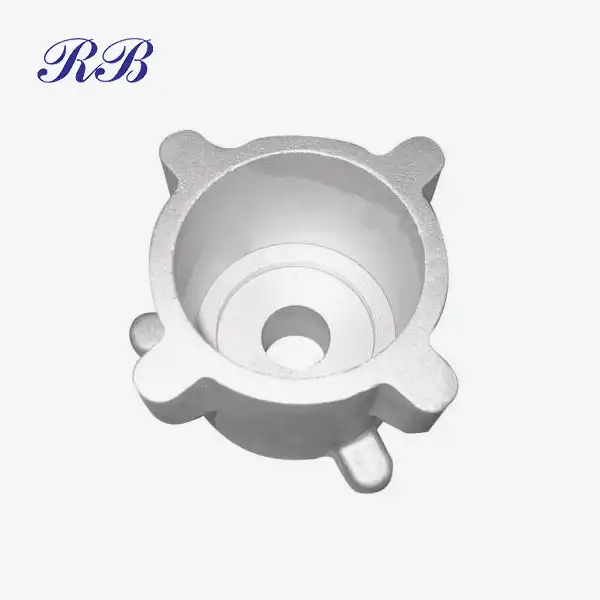
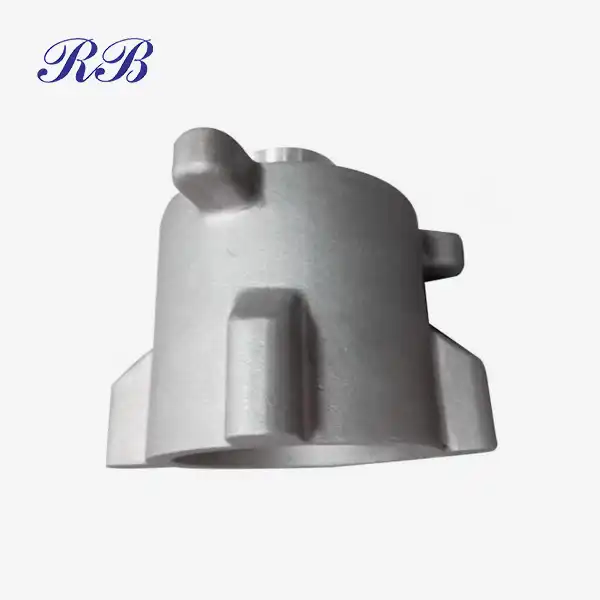
Aluminum alloys are the most common materials used in cars and planes because they are very strong and light. A356 is a common grade for structural parts, and A380 is a common grade for die casting. Each alloy has its own benefits when it comes to corrosion resistance, machinability, and thermal qualities.
Cast iron is still widely used in the making of heavy machinery and industrial equipment. Gray iron is great for dampening, and ductile iron is great at tensile strength. The circumstances of use and the performance needs of each application determine the choice of materials.
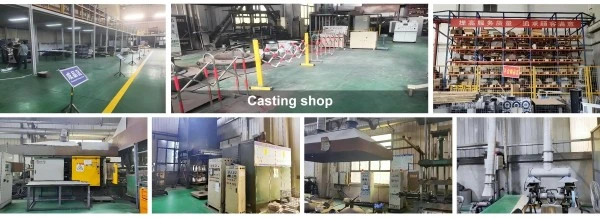
Steel castings are used in tough situations where they need to be strong and able to handle high temperatures. Investment casting makes parts that are almost the right form and have a great surface polish. Sand casting, on the other hand, can handle larger portions at a lesser cost. Manufacturing engineering teams look at the pros and cons of accuracy and speed of manufacturing.
Optimizing Design for Manufacturing Efficiency
Casting product design for Manufacturing (DFM) principles reduces production costs while maintaining quality standards. Simplified geometries decrease mold complexity and manufacturing time. Strategic feature placement minimizes secondary operations and assembly requirements.
Prototype creation validates design concepts before full production commitment. Rapid prototyping techniques enable quick iteration cycles, reducing development time and costs. 3D printing creates physical models for fit and function testing, while casting simulation software predicts potential defects.
Foundry technology continues advancing with automated systems and process monitoring. Real-time thermal analysis prevents casting defects through precise temperature control. Quality control systems integrate statistical process control with non-destructive testing methods.
Advanced Techniques for Complex Geometries
Lost-wax investment casting produces intricate details impossible through conventional methods. This process accommodates thin walls, internal passages, and complex surface textures. Aerospace components often require this precision level for optimal performance characteristics.
Multi-slide die casting enables undercuts and side actions without secondary operations. Automated systems coordinate multiple tooling movements, creating complex geometries in single operations. This approach reduces assembly requirements while improving dimensional accuracy.
Insert molding combines dissimilar materials within single components. Metal inserts provide reinforcement or functionality while cast material surrounds them completely. Careful design prevents differential thermal expansion issues during service conditions.
Quality Control and Defect Prevention
Casting defects arise from improper design or process parameters. Porosity results from trapped gases or insufficient feeding during solidification. Strategic riser placement ensures adequate material supply to compensate for shrinkage effects.
Surface finish requirements influence molding method selection. Sand casting produces rougher surfaces requiring machining, while die casting achieves superior finish directly from molds. Post-casting treatments like shot blasting or chemical etching modify surface characteristics.
Dimensional accuracy depends on pattern precision and shrinkage compensation. Machining allowances accommodate casting variations while meeting final specifications. Coordinate measuring machines verify conformance to engineering drawings and tolerance requirements.
Industry-Specific Considerations and Standards
Automotive applications demand IATF 16949 certification and stringent quality systems. Components undergo extensive testing including fatigue analysis and crash safety evaluation. Lightweight design drives thin-wall casting development with advanced aluminum alloys.
Construction equipment requires robust designs withstanding harsh operating environments. Hydraulic components endure high pressures and temperature cycling. Casting product design incorporates generous safety factors while optimizing material distribution.
Energy sector applications face extreme service conditions requiring specialized materials and designs. Wind turbine components experience variable loading while nuclear applications demand radiation resistance. Compliance with industry-specific codes ensures safe operation throughout service life.

Transform Your Casting Product Design with Rongbao Enterprise
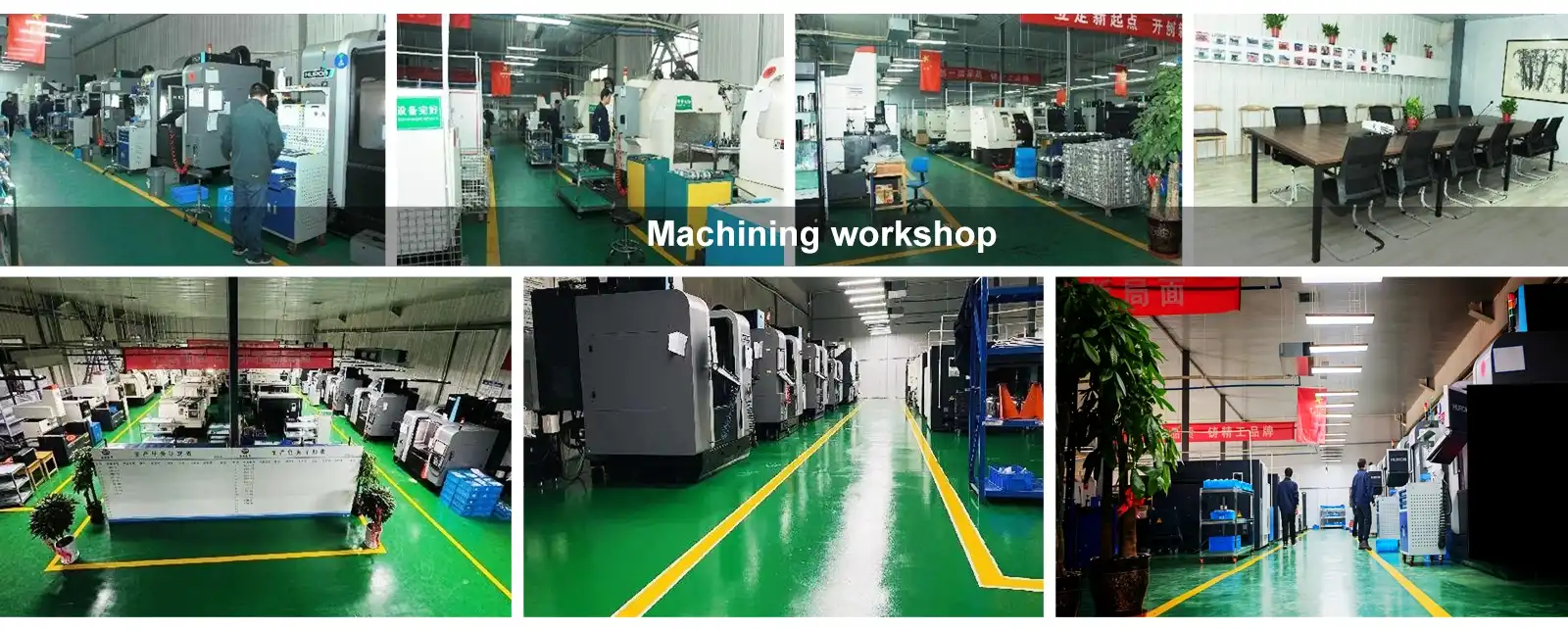
Rongbao Enterprise delivers comprehensive casting product design solutions backed by two decades of manufacturing excellence. Our ISO-certified facilities provide complete services from initial concept through finished components. With 70% export volume to global markets, we understand diverse industry requirements and quality standards.
Contact steve.zhou@263.net or zhouyi@rongbaocasting.com to discuss your next project with our experienced engineering team who specialize in optimizing designs for superior manufacturability and performance.
Conclusion
Effective casting product design balances multiple engineering considerations including material properties, manufacturing constraints, and performance requirements. Success depends on understanding fundamental principles while applying industry-specific knowledge to optimize designs. Collaborative partnerships between design teams and experienced casting suppliers ensure projects achieve technical objectives while meeting cost and schedule targets. Continuous improvement through advanced simulation tools and process monitoring delivers consistent quality across production volumes.
References
- Campbell, John. Complete Casting Handbook: Metal Casting Processes, Metallurgy, Techniques and Design. 2nd Edition. Butterworth-Heinemann, 2015.
- Monroe, Raymond W. and Beckermann, Christoph. "Development of a Method for Predicting Casting Quality in Steel Foundries." American Foundry Society Transactions, Vol. 123, 2015.
- Stefanescu, Doru Michael. Science and Engineering of Casting Solidification. 3rd Edition. Springer International Publishing, 2017.
- ASM International Handbook Committee. ASM Handbook Volume 15: Casting. ASM International Materials Information Society, 2018.
- Blair, Martin and Stevens, Thomas L. Steel Castings Handbook. 6th Edition. Steel Founders Society of America, 2016.
- Jolly, Mark R. and Katgerman, Laurens. "Modeling of Defects in Aluminum Cast Products." Progress in Materials Science, Journal of Materials Processing Technology, Vol. 87, 2019.
Learn about our latest products and discounts through SMS or email