- English
- French
- German
- Portuguese
- Spanish
- Russian
- Japanese
- Korean
- Arabic
- Greek
- German
- Turkish
- Italian
- Danish
- Romanian
- Indonesian
- Czech
- Afrikaans
- Swedish
- Polish
- Basque
- Catalan
- Esperanto
- Hindi
- Lao
- Albanian
- Amharic
- Armenian
- Azerbaijani
- Belarusian
- Bengali
- Bosnian
- Bulgarian
- Cebuano
- Chichewa
- Corsican
- Croatian
- Dutch
- Estonian
- Filipino
- Finnish
- Frisian
- Galician
- Georgian
- Gujarati
- Haitian
- Hausa
- Hawaiian
- Hebrew
- Hmong
- Hungarian
- Icelandic
- Igbo
- Javanese
- Kannada
- Kazakh
- Khmer
- Kurdish
- Kyrgyz
- Latin
- Latvian
- Lithuanian
- Luxembou..
- Macedonian
- Malagasy
- Malay
- Malayalam
- Maltese
- Maori
- Marathi
- Mongolian
- Burmese
- Nepali
- Norwegian
- Pashto
- Persian
- Punjabi
- Serbian
- Sesotho
- Sinhala
- Slovak
- Slovenian
- Somali
- Samoan
- Scots Gaelic
- Shona
- Sindhi
- Sundanese
- Swahili
- Tajik
- Tamil
- Telugu
- Thai
- Ukrainian
- Urdu
- Uzbek
- Vietnamese
- Welsh
- Xhosa
- Yiddish
- Yoruba
- Zulu
Use of Coupling Flange
Modern manufacturing demands high precision for every joint. The casting coupling flange part is common in many industries. You can find them in power plants and water systems. They are also used in heavy machinery and vehicles. The design must be perfect to avoid any leaks. A small gap can lead to huge energy losses. Therefore, choosing a quality flange is not just a choice. It is a necessity for safe and efficient operations.
Many people wonder why casting is the preferred method. Casting allows for very complex shapes and designs. It creates a solid piece that can handle extreme stress. A casting coupling flange made this way is very durable. It resists vibrations that might break other types of connectors. This durability makes it a favorite for long-term industrial projects. Reliability starts with the way we make the metal part.
Understanding the Mechanics of the Casting Coupling Flange Part
The main job of a flange is to provide a secure seal. It uses bolts to pull two surfaces together tightly. A casting coupling flange part must have a very flat surface. This prevents air or liquid from escaping the system. If the surface is rough, the seal will likely fail. High-quality casting ensures that the base shape is very accurate. This reduces the amount of work needed later in the shop.
Internal Integrity and Metal Grain Structure
When we cast a part, the metal cools in a specific way. This cooling process creates a strong internal grain structure. A coupling flange part benefits from this uniform density. It means the part does not have weak spots inside. Traditional machining can sometimes leave hidden flaws in the metal. Casting fills every corner of the mold evenly. This creates a part that performs well under constant pressure.
Different alloys can change how the flange behaves. Some metals are better at resisting heat or rust. The casting coupling flange often uses aluminum or steel alloys. These materials are chosen based on the environment of the machine. If the part is near salt water, it needs extra protection. If it is in a hot engine, it must stay strong. Casting allows us to mix the perfect metal for each job.
The Importance of Precision Alignment
Alignment is the biggest challenge in any mechanical connection. Even a tiny tilt can cause a shaft to wobble. A casting coupling flange part helps keep everything straight. The holes for the bolts must be in the exact right spot. This ensures that the weight is spread out evenly. Good casting makes it easier to achieve this perfect balance. It saves time during the assembly of the final machine.
Enhancing System Reliability in Fluid Management Applications
Fluid management involves moving liquids through complex paths. This is common in city water systems and irrigation. A casting coupling flange part is essential for these channels. It keeps the pipes connected even when the water pressure rises. If a flange fails, it can cause a massive flood. High-quality parts prevent these disasters from happening. They provide a safe path for the fluid to travel.
Managing Pressure and Preventing Leaks
Pressure is always pushing against the walls of a pipe. The flange must be the strongest point in the system. A casting coupling flange is designed to handle these forces. It has a thick wall that does not bend easily. This rigidity keeps the gasket in place between the two flanges. A steady seal means the pump does not have to work as hard. This saves electricity and lowers the cost of the operation.
Engineers also look at how the flange reacts to temperature changes. Metal expands when it gets hot and shrinks when it cools. A coupling flange part handles this movement very well. It does not crack or lose its shape over time. This is very important for systems that run for many years. You want a part that you can install and then forget about. Reliability is the true value of a well-made cast component.

Custom Solutions for Complex Channels
Every fluid system has a different layout. Some need tight turns while others need long straight runs. The casting coupling flange part can be customized for these needs. Casting molds can be made in almost any shape imaginable. This allows designers to create parts that fit into small spaces. It also allows for the integration of other features like sensors. Custom parts make the whole system more modern and effective.
How to Choose High-Performance Components for Complex Industrial Needs?
Selecting the right supplier is the first step in any project. You need a partner who understands the science of metal. A high-quality casting coupling flange part requires careful planning. The supplier must check the chemical mix of the metal. They must also monitor the temperature of the furnace. These small details determine if the part will succeed or fail. Expertise in the foundry is the key to a good product.
Evaluating Quality Control and Certifications
You should always ask about the testing process of the parts. A casting coupling flange should go through several checks. Visual inspections can find surface cracks or small holes. Pressure tests ensure that the flange can handle the workload. Looking for international certifications is also a smart move. These certificates show that the factory follows strict global rules. It gives you confidence in the safety of the parts you buy.
Testing for hardness is another common step in quality control. The metal must be tough enough to resist wear and tear. A casting coupling flange part that is too soft will deform. If it is too brittle, it might snap under a sudden load. Finding the perfect balance of hardness is an art form. Experienced casters know how to achieve this every single time. This level of quality is what keeps industrial machines running smoothly.
The Role of Advanced Finishing Techniques
The work does not stop once the metal leaves the mold. Finishing turns a raw casting into a precision tool. A coupling flange part often undergoes CNC machining. This process creates the exact dimensions needed for a tight fit. It ensures that the bolt holes are perfectly round and smooth. After machining, the part might get a surface treatment. These steps protect the metal and make it look professional.
Shot blasting is a popular way to clean the surface. It uses small particles to remove any scale or rough spots. This leaves the casting coupling flange part with a very clean finish. A smooth surface is easier to paint or coat if needed. It also makes the part safer for workers to handle during assembly. Every step in the process adds more value to the final product. Quality parts are the result of hard work and attention to detail.

Casting Coupling Flange Part Supplier: Rongbao Enterprise
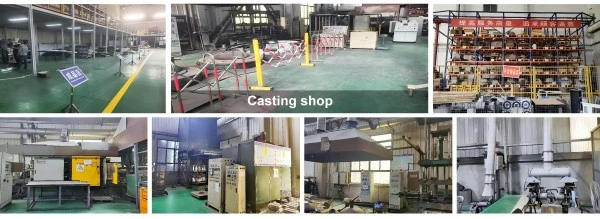
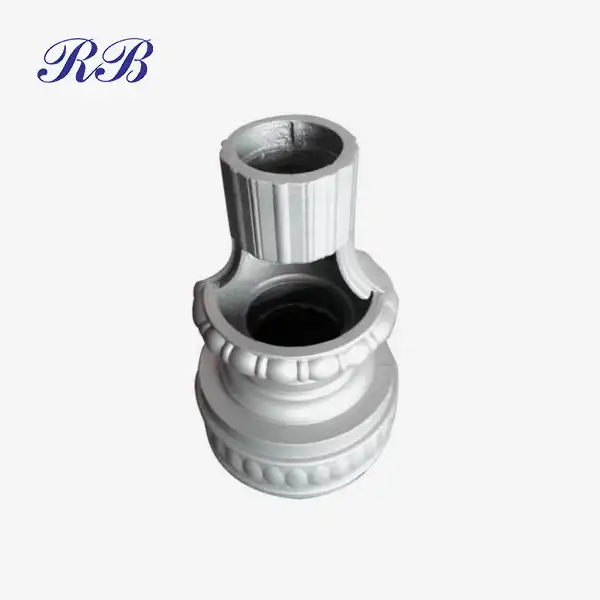
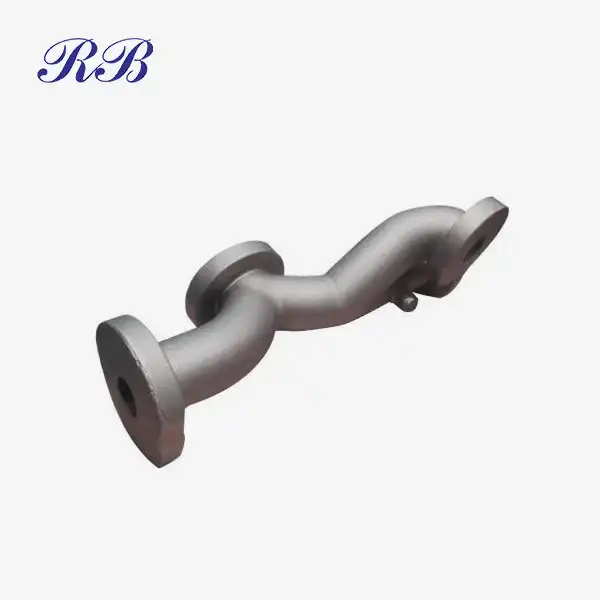
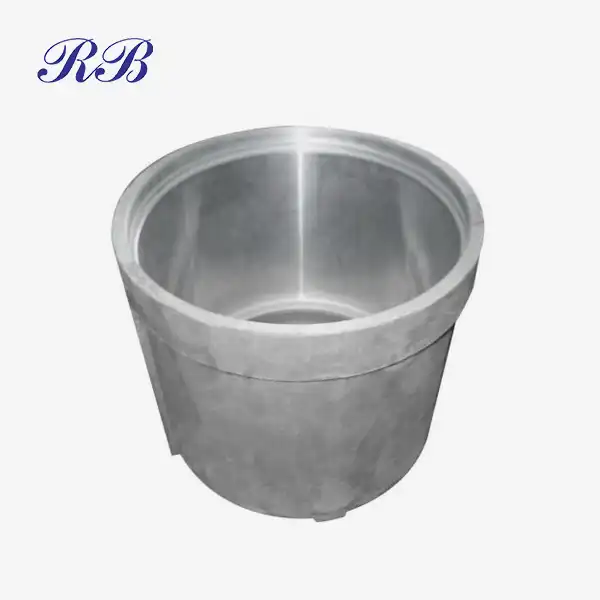
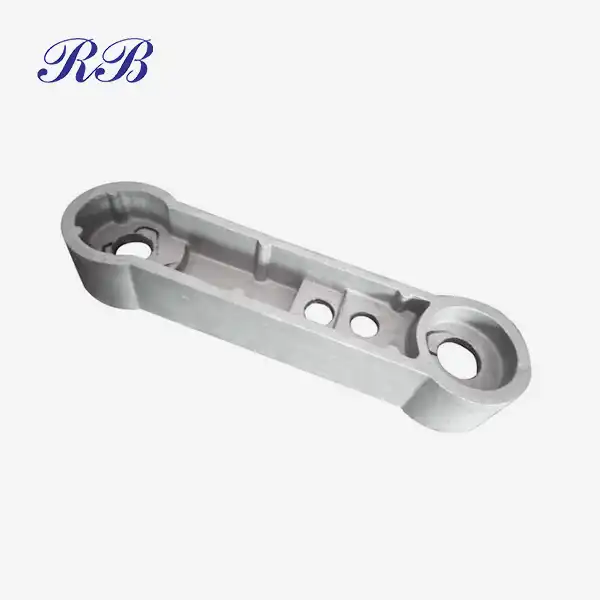
Rongbao Enterprise is a premier manufacturer of high-quality metal components. We specialize in the casting coupling flange part for various industrial uses. Our primary application for this product is the water drop channel. We use premium ZL101A material to ensure excellent corrosion resistance. Each part has a weight of approximately 0.38kg, making it light but durable. We utilize low pressure casting to achieve a superior internal structure.
Our commitment to quality is shown through our many certifications. We hold ISO9001:2015, ISO14001, and ISO45001 standards. This ensures that every casting coupling flange part meets high global expectations. We provide expert CNC machining for all our components. Our shot blasting surface treatment gives each part a clean and professional look. We offer full OEM/ODM services for all customized projects.
Located in Xi'an, China, we serve customers all around the world. Our production capacity is approximately 5000 pieces to meet large orders. We ship our products in high-quality wooden box packaging for maximum safety. We can create any custom specification to fit your unique needs. Our team is dedicated to providing the best service in the industry. We invite you to contact us for your next project.
For inquiries and orders, please email us at steve.zhou@263.net or zhouyi@rongbaocasting.com. We look forward to working with you soon.
FAQs
Q1: Why is low pressure casting used for these parts?
A: Low pressure casting allows the metal to flow slowly into the mold. This reduces air bubbles and creates a much denser part. It is perfect for items that need to be airtight and very strong. This method ensures that the casting coupling flange part is reliable for critical tasks.
Q2: Can the flange be customized for special pipe sizes?
A: Yes, we can create custom molds for any specification. Whether you need a unique diameter or a special bolt pattern, we can help. A casting coupling flange part can be tailored to fit your specific machine perfectly. We work closely with your design team to meet your goals.
Q3: What material is best for water channel applications?
A: Aluminum alloys like ZL101A are excellent for water channels. They are lightweight and resist corrosion very well. This material helps the casting coupling flange part last a long time in wet environments. It also provides the strength needed to handle the weight of the water.
Q4: How does CNC machining improve the cast part?
A: Casting gives the part its general shape, but CNC adds precision. It allows us to reach tolerances that casting alone cannot achieve. A casting coupling flange part that is machined will fit perfectly with other components. This prevents leaks and ensures the system remains stable during use.
References
- American Society of Mechanical Engineers (ASME). "Standards for Pipe Flanges and Flanged Fittings."
- Elsevier Science. "Journal of Materials Processing: Low Pressure Die Casting Techniques."
- International Organization for Standardization. "ISO 9001:2015 Quality Management Systems Requirements."
- ASM International. "Properties and Selection: Aluminum Alloys and Castings."
- Foundry Management & Technology. "Best Practices for Modern Aluminum Casting Operations."
Learn about our latest products and discounts through SMS or email