- English
- French
- German
- Portuguese
- Spanish
- Russian
- Japanese
- Korean
- Arabic
- Greek
- German
- Turkish
- Italian
- Danish
- Romanian
- Indonesian
- Czech
- Afrikaans
- Swedish
- Polish
- Basque
- Catalan
- Esperanto
- Hindi
- Lao
- Albanian
- Amharic
- Armenian
- Azerbaijani
- Belarusian
- Bengali
- Bosnian
- Bulgarian
- Cebuano
- Chichewa
- Corsican
- Croatian
- Dutch
- Estonian
- Filipino
- Finnish
- Frisian
- Galician
- Georgian
- Gujarati
- Haitian
- Hausa
- Hawaiian
- Hebrew
- Hmong
- Hungarian
- Icelandic
- Igbo
- Javanese
- Kannada
- Kazakh
- Khmer
- Kurdish
- Kyrgyz
- Latin
- Latvian
- Lithuanian
- Luxembou..
- Macedonian
- Malagasy
- Malay
- Malayalam
- Maltese
- Maori
- Marathi
- Mongolian
- Burmese
- Nepali
- Norwegian
- Pashto
- Persian
- Punjabi
- Serbian
- Sesotho
- Sinhala
- Slovak
- Slovenian
- Somali
- Samoan
- Scots Gaelic
- Shona
- Sindhi
- Sundanese
- Swahili
- Tajik
- Tamil
- Telugu
- Thai
- Ukrainian
- Urdu
- Uzbek
- Vietnamese
- Welsh
- Xhosa
- Yiddish
- Yoruba
- Zulu
Understanding the Investment Casting Process
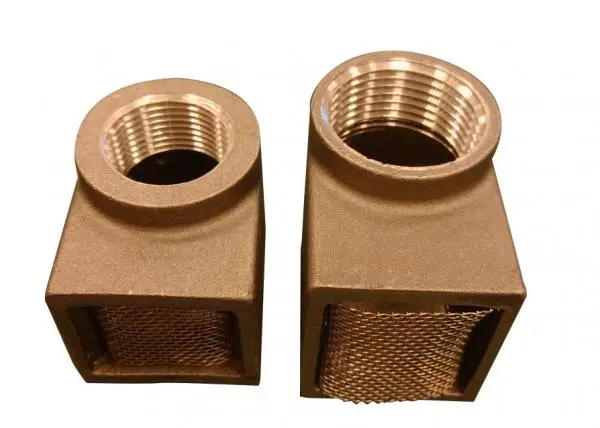
Investment casting makes precise metal parts by putting ceramic material around a wax design, melting the wax to make a hole, and then pouring liquid metal into the hole. This process is very old, but it is always being improved. It makes it possible to get very accurate measurements and finishes on the outside of complex shapes that are hard to make with other methods. This method is used in aircraft, automobile, energy, and medical devices, among other fields, when the function of a part needs to be both complex and reliable without requiring a lot of secondary machining.
Understanding the Investment Casting Process
Investment casting is different from other ways of making things because it can copy small features and complicated internal passageways. In sand casting, the surface quality is limited by disposable sand molds, and in die casting, only lower-melting-point metals can be used. This process, on the other hand, can use high-performance materials while keeping tight standards. This method works especially well for making parts with undercuts, thin walls, or complicated shapes that would need more than one process to make with standard machining.
The process of making something starts with making a plan, then moves on to building the shell, and ends with filling and finishing the metal. Each step is important for making sure the end part is accurate and whole.
Pattern Creation and Assembly
Wax designs are what the whole process is built on. Manufacturers use precise metal or steel molds to insert wax, which makes exact copies of the final part that is wanted. Pattern material choice depends on how many are being made and how complicated the design is. For example, softer waxes work better for small details, while harder blends can handle being handled during assembly. Several patterns connect to a central wax tube, making a tree-like structure that improves metal flow and makes the forge more efficient during later steps.
Shell Building and Dewaxing
To make a ceramic shell, the pattern assembly is repeatedly dipped into a liquid ceramic mix and then covered with fine refractory sand. This cycle keeps going until the shell is thick enough, which is usually between six and eight layers for most uses. Once it is fully dry, the piece is put into an autoclave or oven. The heat melts the wax and drains it, leaving a hollow clay cavity. Care must be taken to keep the temperature just right during this step so that the shell doesn't crack and all the wax is removed. If any pattern material is left over, it could affect the final casting.
Metal Pouring and Solidification
When liquid metal comes into the hole, thermal shock is lessened by heating the ceramic shell to temperatures between 1,500°F and 2,000°F first. The superheated metal, which could be made of stainless steel, aluminum, cobalt-chrome, or other special materials, flows into the shell with the help of gravity or a vacuum. Internal pressures and microstructural flaws can be avoided by controlling the cooling. The time it takes to solidify depends on the mass of the parts and the qualities of the metal. This has a direct effect on the mechanical properties and the stability of the dimensions.
Finishing and Inspection
Once it has cooled, the ceramic shell can be taken off by chemical breakdown or mechanical shaking. Cutting or grinding processes remove the parts from the gating system. Depending on the purpose, surface finishing may include shot peening, polishing, or applying a coating. Coordinate measuring tools are used to make sure that measurements are accurate and that standards are met. Tolerances are usually between ±0.005 and ±0.015 inches, but tighter controls can be used for important tasks. Before they are shipped, both harmful and nondestructive testing methods are used to confirm the qualities of the materials.
Advantages and Applications of Investment Casting in B2B Procurement
This method has strong benefits for manufacturing workers who are looking at different ways to source parts. The process gives clear competitive benefits that directly address buying objectives like lowering costs, maintaining quality, and making sure the supply chain is reliable.
Complex shapes come out fully made, without the need for putting together sub-components or a lot of cutting. This merging cuts down on the number of parts needed, makes managing inventory easier, and gets rid of any possible weak spots in the assembly. When you combine precise measurements with high-quality surface finishes (often 125 microinches or better), you can cut down on secondary processes, which in turn cuts down on manufacturing time and costs. Aluminum alloys are useful for light-weight uses, stainless steel types are good at resisting corrosion, and superalloys are used in places with very high temperatures.
Industry Applications and Real-World Use Cases
This process is used by aerospace companies to make rotor blades, structural brackets, and control parts that need to be light and reliable. Automotive makers make turbocharger housings, gearbox parts, and specialized engine parts that need to be very accurate and able to withstand high temperatures and mechanical stresses. Valve bodies, pump impellers, and equipment housings that can handle toxic fluids and high pressures are used in the energy industry. Medical device companies use the process to make surgery tools and implantable parts that need to be made of biocompatible materials and meet strict quality standards.
Cast parts are used in hydraulic systems, power transmission units, and wear-resistant tools in the building and heavy machinery industries. For these uses, the material is strong, the dimensions can be repeated, and parts weighing from ounces to hundreds of pounds can be made without having to change the tools.
Comparative Analysis with Alternative Manufacturing Methods
When buying teams look at different ways to make things, they consider many things. Sand casting has lower prices for tools, but the surfaces are rougher and the tolerances are bigger, so more work needs to be done on them. Die casting can make a lot of things quickly, but it limits the types of materials that can be used and the shapes that can be made. Forging makes things very strong, but it can only make forms with fairly simple patterns. When solid stock is used for conventional cutting, material is wasted and wait times for complex shapes get longer. Additive manufacturing makes fast testing possible, but it has problems with scaling up production and making sure that materials always have the same properties.
When it comes to medium- to high-volume production, investment casting is a great option because it combines complexity, material performance, and precise dimensions. Initial expenses in tools are higher than for sand casting, but unit costs go down a lot when more than 500 pieces are made. For new projects, the lead time is usually eight to twelve weeks, which includes pattern tooling and process approval. Once the process is set, production runs can start in four to six weeks.
Quality Control and Common Challenges in Investment Casting
Consistently high quality output needs structured care throughout production. Both buyers and sellers can set fair goals and work together more effectively if they know about possible defects, what causes them, and how to avoid them.
Typical Defects and Prevention Strategies
When gases get caught during solidification or when shrinking makes holes, you get porosity. For important uses, vacuum-assisted filling, controlled pouring temperatures, and the right design of gates are all ways to keep this from happening. Inclusions, which are foreign bits inside the casting, come from the breakdown of the clay shell or a contaminated alloy. Shell strength tests that are very strict and clean metal handling practices help keep this from happening. Misruns happen when the metal doesn't fill the hole all the way. This can happen if the filling temperature is too low, there isn't enough air flow, or the gates aren't set up correctly. These risks are cut down a lot by optimizing process parameters and using computer simulations during the development stages.
Surface flaws like rough spots or differences in size are often caused by problems with the design or the way the shell was built. Repeatability is ensured by standardized methods and statistical process tracking. Cracking that happens when things cool down is caused by leftover stress from differences in temperature, which can be fixed by controlling the rate of solidification and the heat treatment methods.
Quality Control Methodologies and Testing Protocols
Visual inspection is the first step in a thorough inspection. Next, precision measuring tools are used to confirm the dimensions. Nondestructive testing methods show whether an internal structure is sound without damaging it. Porosity, inclusions, and shrinking holes can all be seen on an X-ray. Ultrasonic screening finds flaws below the surface in important load-bearing parts. Magnetic particle methods and liquid penetrant methods, in that order, show where surfaces break in ferromagnetic and nonferromagnetic materials.
Solution annealing, aging, or stress relieving are all types of heat treatment that improve the mechanical qualities and physical stability of a material. Tensile strength, yield properties, and elongation are checked against standards by mechanical tests. Chemical testing proves that the alloy's makeup meets requirements. Documentation packages that come with orders make it possible to fully track them, which helps with quality control and makes it easier to find the root cause of problems in the field.

Trusted Industry Leaders in Investment Casting
Working with well-known makers has real benefits that go beyond just being able to make things. Recognized providers in your field have a track record of success, advanced technology, and a stable business structure that lowers the risks of buying from them and improves the performance of your products.
Companies like Purdue Products, MetalTek, and Zollern have built their names over decades by consistently delivering high-quality products and coming up with new ideas in investment casting. These companies are always putting money into new tools, improving processes, and teaching their employees, all of which lead to better products. Their experience covers a wide range of businesses and applications, which makes them a useful design team during the development of components.
Established sellers keep their supply chain networks strong, which makes sure that materials are always available and prices stay stable. Their quality systems are regularly checked by outside auditors to make sure they meet world standards. Stable finances allow for long-term program promises without the chance of sudden business interruptions. When problems come up, technical tools like metallurgists, process engineers, and quality specialists are ready to help.
Besides these big players, there are also specialized foundries that serve specific market groups and offer more specialized knowledge. Regional manufacturers with strong roots in the car industry know how to handle the unique needs of the sector when it comes to approval processes for production parts, just-in-time delivery standards, and the need to cut costs. Aerospace-focused providers have to deal with the strict process controls and material tracking requirements that come with flight-critical applications.
Conclusion
Investment casting is a complicated process that balances technical difficulty with production efficiency to make precise metal parts. Procurement professionals can make smart buying choices if they know how the process works, from making the wax outline to building the ceramic shell to pouring the metal and finishing it. The method has strong benefits in geometric complexity, accuracy in dimensions, and material flexibility that make it suitable for demanding uses in the energy, automotive, aircraft, and industry sectors. Quality control methods, such as strict checking procedures and design improvement guidelines, make sure that the end product always meets strict requirements. To do a good job of procuring things, you need to look at sellers' credentials, ability, technical know-how, and location, as well as their usual lead times and pricing structures. When you work with well-known manufacturers, you can protect your supply chain and get access to ongoing process changes that will help your program succeed in the long run.
FAQ
What kinds of metals work best for investment casting?
The process can work with a wide range of materials, such as aluminum alloys for lightweight uses, stainless steel grades that don't rust, carbon steels that are strong and don't cost a lot, and special alloys like cobalt-chrome, titanium, and nickel-based superalloys for harsh conditions. The choice of material is based on the needed technical properties, the working conditions, and the available budget. Talking to casting metallurgists during the planning process makes sure that the best alloy standard is used.
How does investment casting compare to 3D printing for precision components?
Additive manufacturing works great for testing because it has short wait times and doesn't require you to buy any tools. But investment casting has better material qualities, better surface finishes, and lower unit costs when more than a few hundred pieces need to be made. The two methods work well together: 3D printing quickly checks plans for accuracy, and investment casting makes it cheap to make parts that meet strict performance standards for ongoing supply.
What lead times should buyers expect for custom investment casting orders?
New programs usually take eight to twelve weeks, which includes making pattern tools and making sure the process works. Once the specs and quality standards are approved, established production runs are carried out within four to six weeks. However, there are fees for using rush services that can meet pressing needs on short notice. Clear communication during the planning phase makes sure that realistic output goals are set, which helps keep projects on schedule.
Partner with Rongbao Enterprise for Investment Casting Excellence
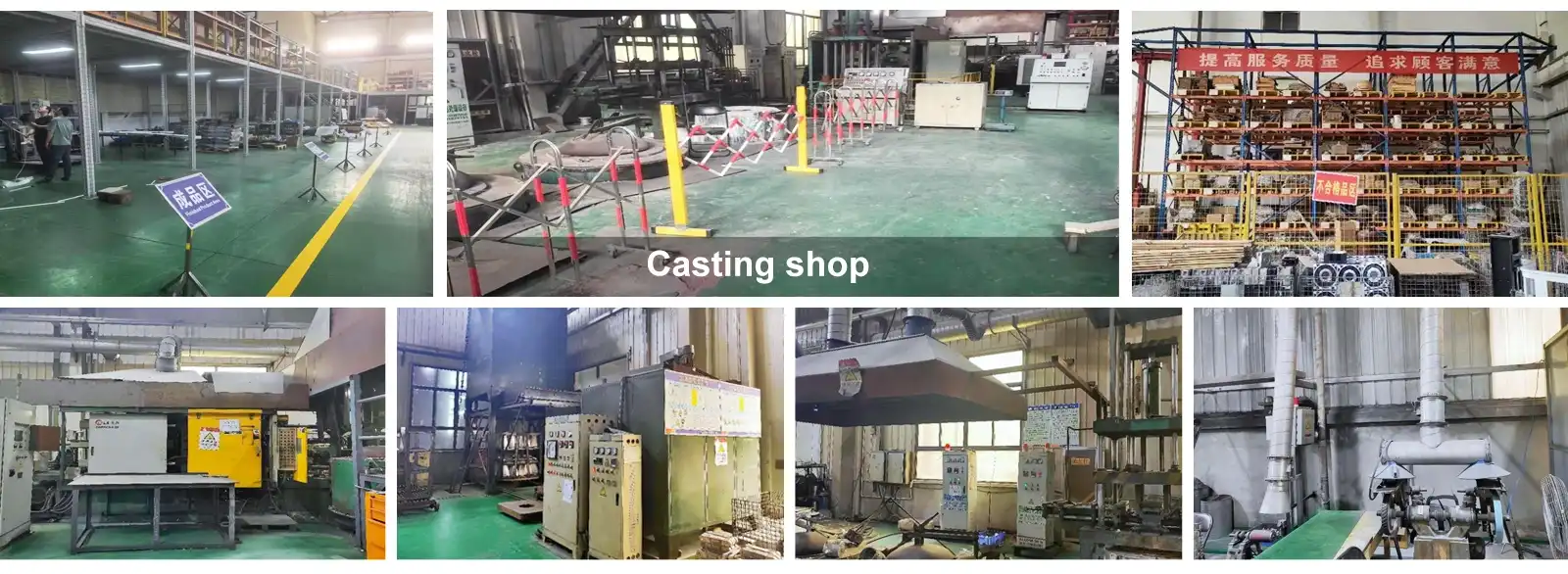
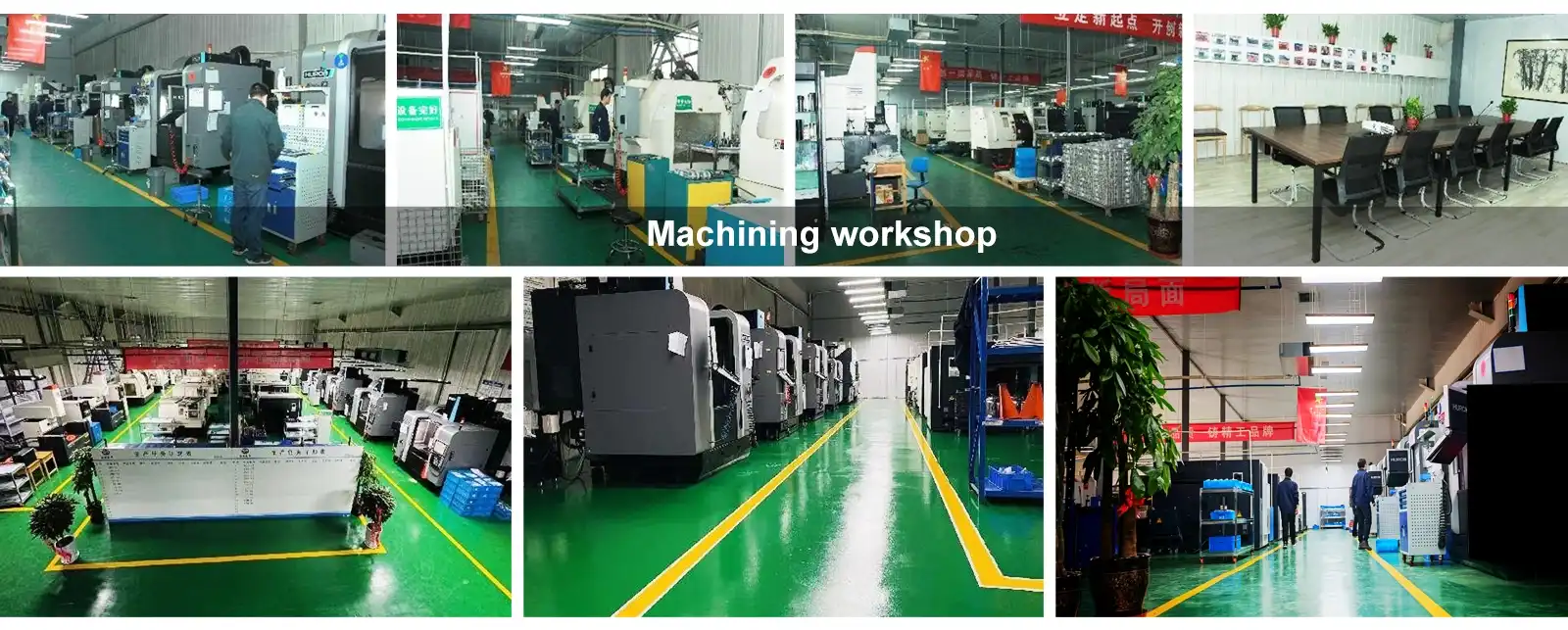
To find providers of precision cast parts, you need ones that are both technically skilled and reliable in their operations. For 20 years, Rongbao Enterprise has been helping buying workers who want to work together in a way that is quality, consistent, and quick. Our unified production method includes full process control, from pattern making to casting, machining, inspection, and surface treatment. This makes cooperation easier and guarantees accurate measurements and material integrity.
Our systems provide the traceability and quality documents needed for uses in the automotive, aircraft, industrial equipment, and energy sectors. They are certified to meet the requirements of ISO 9001, ISO 14001, and ISO 45001 standards. Modern facilities that can scale up production support both concept development and high-volume projects, and deliveries are always on time more than 95% of the time. As a well-known investment casting seller with a lot of foreign experience, we know what the needs of the global market are and keep communication clear to help you reach your procurement goals.
Get in touch with our team right away to talk about the parts you need and how our all-in-one manufacturing solutions can help you improve your supply chain. For mechanical help and project quotes, email Steve Zhou at steve.zhou@263.net or zhouyi@rongbaocasting.com. You can find out more about what we can do at rongbaocasting.com and how working with Rongbao Enterprise can help you get the quality parts your projects need.
References
1. Investment Casting Institute. (2023). Precision Casting Processes: Technical Standards and Best Practices. American Foundry Society Publications.
2. Campbell, J. (2022). Complete Casting Handbook: Metal Casting Processes, Metallurgy, Techniques and Design (3rd ed.). Butterworth-Heinemann.
3. Davis, J.R. (Ed.). (2021). ASM Specialty Handbook: Cast Irons and Steel Castings. ASM International.
4. Beeley, P.R., & Smart, R.F. (2020). Investment Casting: Technology and Applications in Modern Manufacturing. Institute of Materials Publishing.
5. Sahoo, M., & Sahu, S. (2022). Principles of Metal Casting (4th ed.). McGraw-Hill Education.
6. International Journal of Metalcasting. (2023). "Advances in Ceramic Shell Technology for Precision Investment Casting." Vol. 17, Issue 2, pp. 145-162.
_1751078338779.webp)
Learn about our latest products and discounts through SMS or email