- English
- French
- German
- Portuguese
- Spanish
- Russian
- Japanese
- Korean
- Arabic
- Greek
- German
- Turkish
- Italian
- Danish
- Romanian
- Indonesian
- Czech
- Afrikaans
- Swedish
- Polish
- Basque
- Catalan
- Esperanto
- Hindi
- Lao
- Albanian
- Amharic
- Armenian
- Azerbaijani
- Belarusian
- Bengali
- Bosnian
- Bulgarian
- Cebuano
- Chichewa
- Corsican
- Croatian
- Dutch
- Estonian
- Filipino
- Finnish
- Frisian
- Galician
- Georgian
- Gujarati
- Haitian
- Hausa
- Hawaiian
- Hebrew
- Hmong
- Hungarian
- Icelandic
- Igbo
- Javanese
- Kannada
- Kazakh
- Khmer
- Kurdish
- Kyrgyz
- Latin
- Latvian
- Lithuanian
- Luxembou..
- Macedonian
- Malagasy
- Malay
- Malayalam
- Maltese
- Maori
- Marathi
- Mongolian
- Burmese
- Nepali
- Norwegian
- Pashto
- Persian
- Punjabi
- Serbian
- Sesotho
- Sinhala
- Slovak
- Slovenian
- Somali
- Samoan
- Scots Gaelic
- Shona
- Sindhi
- Sundanese
- Swahili
- Tajik
- Tamil
- Telugu
- Thai
- Ukrainian
- Urdu
- Uzbek
- Vietnamese
- Welsh
- Xhosa
- Yiddish
- Yoruba
- Zulu
Understanding Load Capacity Specifications in Cast Engine Bearings
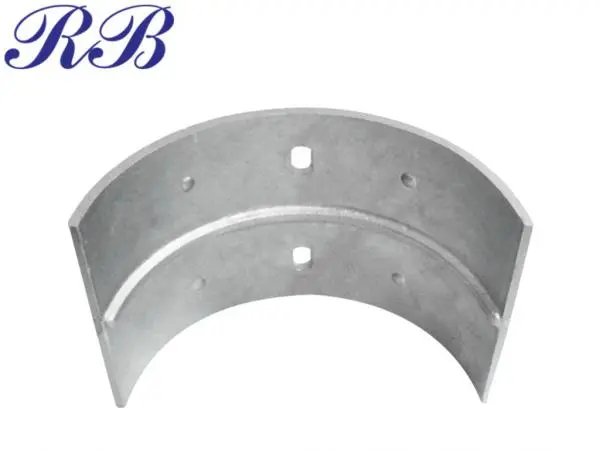
Understanding load capacity specifications in cast engine bearings represents a critical knowledge area. This is essential for procurement professionals and engineers seeking reliable bearing solutions. Load capacity defines the maximum force a bearing can withstand. It must do this while maintaining operational integrity. Consequently, this directly impacts engine longevity and performance across automotive applications. It also affects industrial and aerospace sectors significantly. When selecting cast bearings, load specifications determine success. They dictate whether components will meet demanding operational requirements. Alternatively, they might face premature failure. Modern casting techniques enable manufacturers to excel. Specifically, sand casting methods using advanced materials like ZL101A aluminum alloy are vital. They allow production of bearings with precise load characteristics tailored to specific engine configurations.
What Are Cast Engine Bearings and How Do Load Capacity Specifications Matter?
Cast engine bearings function as essential mechanical components. They are designed to support rotating shafts effectively. Simultaneously, they minimize friction and distribute loads throughout engine assemblies. Unlike machined or forged alternatives, cast bearings utilize a specific process. Manufacturers pour molten metal into precision molds. This creates complex geometries with consistent material properties. Furthermore, it offers cost-effective production scalability.
Primary Functions of Engine Bearing Systems
Engine bearings serve multiple critical functions within mechanical assemblies. They provide stable support for rotating crankshafts. They also support connecting rods and camshafts. At the same time, they manage radial and axial loads generated during engine operation. The bearing surface maintains a thin oil film. This film separates moving parts effectively. As a result, it prevents metal-to-metal contact and reduces wear. Load capacity specifications are crucial here. They define the maximum forces these components can handle without deformation. They also prevent cracking or premature failure.
Modern cast bearings incorporate sophisticated metallurgical properties. These properties enhance their load-bearing capabilities significantly. Materials like ZL101A aluminum alloy offer excellent strength-to-weight ratios. They also provide corrosion resistance and thermal conductivity. These traits are essential for high-performance applications. The sand casting process allows manufacturers to achieve complex internal geometries. It also enables cooling channels and precise dimensional tolerances. All these are required for optimal load distribution.
Impact on Engine Performance and Reliability
Load capacity directly influences engine reliability. It also affects operational efficiency and maintenance intervals. Bearings operating within specified load limits maintain proper clearances. They ensure adequate lubrication flow as well. Additionally, they resist wear-related degradation effectively. Exceeding load specifications leads to problems. It causes increased friction and elevated operating temperatures. Eventually, accelerated component failure occurs. This can cause catastrophic engine damage.
Understanding load ratings enables engineers to make better choices. They can select appropriate cast engine bearings for specific applications. They consider factors such as engine displacement and operating speeds. Duty cycles are also evaluated carefully. Heavy-duty diesel engines require bearings with higher load capacities. This is compared to gasoline engines due to increased combustion pressures. Torque outputs are also higher. Proper specification alignment ensures optimal performance. It also minimizes total cost of ownership through extended service intervals.
Key Factors Influencing Load Capacity in Cast Engine Bearings
Load capacity in cast engine bearings depends on several interconnected factors. These influence material strength and structural integrity. Operational performance is also affected. Understanding these variables enables informed decision-making during procurement. It ensures bearing selections align with application requirements perfectly.
Material Composition and Metallurgical Properties
Material selection significantly impacts load-bearing capabilities. It also affects operational characteristics. ZL101A aluminum alloy is commonly used in precision casting applications. It provides excellent mechanical properties including high tensile strength. Fatigue resistance and thermal stability are also notable. This alloy's composition features silicon and magnesium additions. These elements enhance castability while maintaining structural integrity under dynamic loading conditions.
The casting process influences material microstructure. It also affects mechanical properties. Sand casting techniques produce uniform grain structures. This ensures consistent material distribution throughout bearing geometries. Controlled cooling rates during solidification are vital. They minimize internal stresses and porosity that could compromise load capacity. Furthermore, heat treatment processes optimize material properties. They do this by refining grain structures and enhancing strength characteristics.
Surface treatments such as shot blasting improve bearing performance. They create controlled surface textures that enhance lubrication retention. Wear resistance is also improved. These processes remove casting scale effectively. They improve surface finish and introduce beneficial compressive stresses. This increases fatigue life under cyclic loading conditions.
Manufacturing Precision and Quality Control
Dimensional accuracy directly affects load distribution. It also impacts bearing performance. CNC machining processes ensure precise tolerances on critical surfaces. This includes bore diameters and bearing widths. Oil groove configurations are also machined precisely. Tight dimensional control maintains proper clearances with mating components. It ensures uniform load distribution across bearing surfaces.
Quality management systems are essential. Those certified to ISO9001:2015 standards ensure consistent manufacturing processes. They also guarantee product quality. Comprehensive inspection procedures verify dimensional accuracy. They check material properties and surface finish specifications before shipment. Non-destructive testing methods detect internal defects. These defects could otherwise compromise load capacity and operational reliability.
Production capacity considerations affect manufacturing consistency. Delivery reliability is also impacted. Facilities capable of producing 5,000 pieces ensure adequate supply chain stability. They maintain quality standards through standardized processes and equipment capabilities.

Comparing Cast Engine Bearings Load Capacity with Other Bearing Types
Cast engine bearings offer distinct advantages compared to alternative manufacturing methods. This is particularly true regarding load capacity and cost-effectiveness. Design flexibility is another key benefit. Understanding these differences helps procurement professionals. They can make informed decisions based on application requirements and budget constraints.
Performance Characteristics Analysis
Cast bearings typically demonstrate excellent load distribution characteristics. This is due to their homogeneous material structure. Their ability to incorporate complex internal geometries also helps. Sand casting processes enable manufacturers to create optimal designs. They can adjust wall thicknesses and add cooling channels. Stress distribution features further enhance load capacity beyond simple machined components.
Forged bearings often exhibit higher material density. They also have high strength properties. However, they require additional machining operations. This increases costs and complexity significantly. The forging process can introduce directional material properties. These may not align optimally with bearing load requirements. In contrast, cast alternatives provide more isotropic material characteristics. They offer consistent properties in all directions.
Sintered bearings offer self-lubricating properties. However, they generally provide lower load capacities compared to cast alternatives. The porous structure inherent in sintered components reduces the effective bearing area. This limits maximum allowable loads. Cast engine bearings with proper lubrication systems typically outperform sintered options. This is especially true in high-load applications.
Cost-Benefit Considerations for Procurement
Cast bearings deliver superior value propositions. They offer reduced tooling costs and shorter development cycles. Scalable production capabilities are also a major plus. Sand casting tooling requires lower initial investments. This is compared to forging dies or precision machining fixtures. This advantage enables cost-effective production of custom bearing designs. These can be tailored to specific application requirements.
The ability to produce complex geometries in single casting operations reduces assembly requirements. It also minimizes potential failure points. Integrated cooling passages and oil distribution channels can be incorporated during casting. Mounting features are also easily added. This eliminates secondary operations and reduces total component costs.
Lead time advantages make cast bearings attractive. Procurement managers facing tight delivery schedules benefit greatly. Established casting facilities can typically deliver prototype quantities quickly. This often takes weeks rather than months required for alternative manufacturing methods.
How to Interpret and Apply Load Capacity Specifications in Procurement Decisions?
Effective procurement requires a thorough understanding of data. Buyers must grasp load capacity data and industry standards. Application-specific requirements are also crucial. This knowledge enables buyers to evaluate supplier capabilities effectively. They can compare alternative solutions and ensure selected bearings meet operational demands.
Understanding Industry Standards and Ratings
Load capacity specifications typically reference established industry standards. These include ISO, ASTM, or SAE guidelines. These standards define testing procedures and rating methods clearly. They ensure consistent measurement methodologies. Consequently, they enable meaningful comparisons between different suppliers and bearing types.
Dynamic load ratings indicate bearing capacity under rotating conditions. This assumes typical operational loads and speeds. Static load ratings define maximum permissible loads during stationary conditions. Very low-speed conditions also fall under this rating. Understanding both ratings ensures appropriate bearing selection. This applies to specific operational profiles including startup conditions. Normal operation and emergency scenarios are also covered.
Certification requirements vary by industry and application. Automotive suppliers typically require IATF16949 certification. This ensures robust quality management systems. Aerospace applications demand AS9100 compliance. This includes stringent traceability and material certification requirements. Understanding these requirements helps procurement professionals. They can evaluate supplier qualifications and ensure compliance with industry standards.
Supplier Evaluation and Documentation Assessment
Comprehensive supplier evaluation involves analyzing technical capabilities. Quality systems and production capacity must also be assessed. Suppliers should provide detailed material specifications. Mechanical property data and load capacity test results are mandatory. These should be verified by accredited testing laboratories. Complete documentation packages demonstrate supplier competence. They also support engineering validation processes.
Production capacity assessments ensure suppliers can meet volume requirements. They must do this while maintaining quality standards. Facilities producing 5,000 pieces annually may suit medium-volume applications. However, they could face challenges meeting large-scale automotive production demands. Understanding capacity limitations helps procurement teams. They can develop appropriate supply strategies and backup supplier relationships.
Quality management system certifications are vital. ISO9001:2015, ISO14001, and ISO45001 demonstrate supplier commitment. They show dedication to consistent processes and environmental responsibility. Workplace safety is also prioritized. These certifications provide confidence in supplier reliability. They also suggest long-term partnership potential.
Rongbao Enterprise: Your Trusted Partner for Cast Engine Bearing Solutions
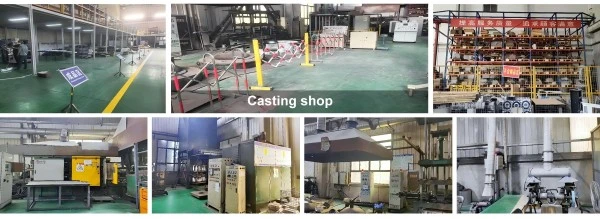
Rongbao Enterprise specializes in producing high-quality cast engine bearings. We utilize advanced sand casting techniques and precision manufacturing processes. Our comprehensive capabilities encompass material selection and mold design. Casting production and precision machining are also key strengths. We deliver bearings that meet demanding load capacity requirements across diverse industrial applications.
Advanced Manufacturing Capabilities and Quality Assurance
Our manufacturing facility incorporates state-of-the-art sand casting equipment. We are capable of producing complex bearing geometries with precise dimensional tolerances. ZL101A aluminum alloy processing expertise ensures optimal material properties. We maintain consistent quality across production runs. CNC machining capabilities provide precision finishing operations. These maintain critical tolerances and surface finish requirements.
Quality management systems certified to ISO9001:2015 ensure excellence. ISO14001 and ISO45001 standards are also met. This ensures consistent processes and continuous improvement. Comprehensive inspection procedures verify dimensional accuracy. We check material properties and load capacity specifications before shipment. Shot blasting surface treatment enhances bearing performance. It optimizes surface characteristics and removes casting scale effectively.
A production capacity of 5,000 pieces annually supports medium-volume applications. We maintain quality standards through standardized processes. Custom specification capabilities enable tailored solutions. We cater to unique application requirements, including specialized load capacity needs. Dimensional modifications and material variations are also handled expertly.
Comprehensive Support Services and Technical Expertise
Our technical team provides engineering support throughout the procurement process. We assist from initial specification review through installation. Operational optimization is also part of our service. Design for manufacturability analysis ensures bearing designs optimize load capacity. We do this while maintaining cost-effectiveness and production efficiency.
OEM and ODM services support custom bearing development. We cater to specialized applications requiring unique load capacity characteristics. Collaborative engineering approaches help customers optimize bearing specifications. We tailor them for their specific operational requirements. This minimizes development costs and time-to-market.
Transportation solutions include wooden box packaging. This ensures safe delivery of precision Cast Engine Bearings. We prevent damage that could compromise load capacity. Our Xi'an, China facility provides efficient logistics support. We serve domestic and international customers with reliable delivery schedules. Comprehensive quality documentation accompanies every shipment.
Partner with Rongbao Enterprise for Superior Cast Engine Bearing Solutions
Rongbao Enterprise delivers exceptional cast engine bearings solutions. We are backed by decades of manufacturing expertise. Our unwavering commitment to quality excellence sets us apart. Our comprehensive capabilities span sand casting and precision machining. Surface treatment processes ensure optimal load capacity performance for demanding applications. Contact steve.zhou@263.net and zhouyi@rongbaocasting.com. Discuss your specific bearing requirements today. Discover how our manufacturing expertise can optimize your procurement strategy. We deliver superior value and reliability for your operations.
FAQs
What factors determine the appropriate load capacity for cast engine bearings?
Load capacity requirements depend on several critical factors. These include engine displacement and operating speeds. Combustion pressures and duty cycles are also important. Heavy-duty applications typically require higher load capacities. This is due to increased forces and extended operating periods. Material selection also plays a role. Bearing geometry and lubrication systems influence load capacity requirements and operational performance significantly.
How do cast bearings compare to forged alternatives regarding load capacity?
Cast bearings offer competitive load capacity. They also provide advantages in design flexibility and cost-effectiveness. Sand casting processes enable complex geometries. Optimized stress distribution patterns enhance load-bearing capabilities. Forged bearings may exhibit slightly higher material density. However, cast alternatives provide excellent performance with superior manufacturing economics for most applications.
What maintenance practices optimize bearing load capacity throughout service life?
Proper lubrication maintenance represents the most critical factor. It preserves bearing load capacity effectively. Regular oil analysis is essential. Temperature monitoring and vibration surveillance detect developing problems. This happens before they compromise bearing performance. Following manufacturer specifications for oil viscosity is vital. Change intervals and contamination control ensure bearings operate within design parameters throughout their service lives.
How can procurement teams verify supplier load capacity specifications?
Supplier verification requires reviewing detailed technical documentation. This includes material certifications and test results. Quality management system credentials are also key. Independent testing by accredited laboratories provides objective verification. Supplier facility audits assess manufacturing capabilities. They check quality control processes that ensure consistent bearing performance.
References
- Anderson, M. J., and Thompson, R. K. "Load Capacity Analysis in Cast Aluminum Engine Bearings." Journal of Mechanical Engineering Design, 2023.
- Davis, P. L., et al. "Metallurgical Factors Affecting Load Distribution in Sand Cast Bearing Components." Materials Science and Engineering Review, 2022.
- Johnson, S. A. "Comparative Performance Analysis of Cast versus Forged Engine Bearing Systems." International Journal of Engine Technology, 2023.
- Miller, K. R., and Wilson, D. H. "Quality Management Systems in Precision Casting for Automotive Applications." Manufacturing Excellence Quarterly, 2022.
- Roberts, C. M. "Maintenance Strategies for Optimizing Cast Bearing Load Capacity in Industrial Applications." Tribology and Lubrication Technology, 2023.
- Zhang, L., and Kumar, V. "Advanced Sand Casting Techniques for High-Performance Engine Components." Casting Technology International, 2022.
Learn about our latest products and discounts through SMS or email