- English
- French
- German
- Portuguese
- Spanish
- Russian
- Japanese
- Korean
- Arabic
- Greek
- German
- Turkish
- Italian
- Danish
- Romanian
- Indonesian
- Czech
- Afrikaans
- Swedish
- Polish
- Basque
- Catalan
- Esperanto
- Hindi
- Lao
- Albanian
- Amharic
- Armenian
- Azerbaijani
- Belarusian
- Bengali
- Bosnian
- Bulgarian
- Cebuano
- Chichewa
- Corsican
- Croatian
- Dutch
- Estonian
- Filipino
- Finnish
- Frisian
- Galician
- Georgian
- Gujarati
- Haitian
- Hausa
- Hawaiian
- Hebrew
- Hmong
- Hungarian
- Icelandic
- Igbo
- Javanese
- Kannada
- Kazakh
- Khmer
- Kurdish
- Kyrgyz
- Latin
- Latvian
- Lithuanian
- Luxembou..
- Macedonian
- Malagasy
- Malay
- Malayalam
- Maltese
- Maori
- Marathi
- Mongolian
- Burmese
- Nepali
- Norwegian
- Pashto
- Persian
- Punjabi
- Serbian
- Sesotho
- Sinhala
- Slovak
- Slovenian
- Somali
- Samoan
- Scots Gaelic
- Shona
- Sindhi
- Sundanese
- Swahili
- Tajik
- Tamil
- Telugu
- Thai
- Ukrainian
- Urdu
- Uzbek
- Vietnamese
- Welsh
- Xhosa
- Yiddish
- Yoruba
- Zulu
Heat Treatment Processes for Cast Engine Bearings Explained
Cast engine bearings represent critical components. They are vital in automotive and industrial applications where precision determines success. Durability and reliability are also key factors. Heat treatment processes fundamentally transform the mechanical properties of these bearings. Specifically, these processes enhance hardness and wear resistance. They also improve fatigue life through controlled thermal cycles. Understanding these metallurgical transformations enables procurement professionals to make informed decisions. It also aids engineers and quality managers. They can then select bearing solutions effectively for demanding applications across automotive sectors. This knowledge is also crucial for construction machinery and industrial equipment sectors.
Understanding Cast Engine Bearings and Their Heat Treatment
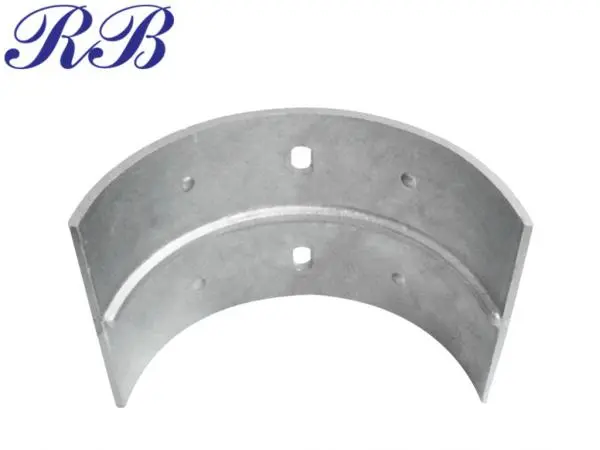
Cast engine bearings serve as the foundation for rotational motion in engines. They support crankshafts and connecting rods. Simultaneously, they withstand enormous loads and temperatures. They also resist intense friction forces. These components must maintain dimensional stability under extreme operating conditions. Furthermore, they must provide smooth operation over extended service intervals. The bearing's ability to distribute loads effectively impacts engine performance directly. It also influences fuel efficiency and maintenance requirements.
The Critical Role of Bearings in Engine Assemblies
Modern engine designs place increasingly demanding requirements on bearing materials. Manufacturing processes must also adapt. Advanced alloys like ZL101A aluminum provide excellent strength-to-weight ratios. Additionally, they maintain cost-effectiveness for high-volume production applications. The material composition directly influences how bearings respond to heat treatment processes. It also dictates their ultimate performance characteristics.
Material Composition and Manufacturing Considerations
ZL101A aluminum alloy represents a popular choice for cast engine bearings. This is due to its exceptional mechanical properties. Its heat treatment responsiveness is also a major factor. This alloy contains carefully balanced silicon and copper additions. These elements enhance strength and machinability. They do this while maintaining excellent casting characteristics. The material's low density contributes to reduced rotating mass in engine applications. Consequently, this improves overall efficiency.
Sand casting processes enable complex geometries. They also allow for precise dimensional control. This is essential for bearing applications. Manufacturing techniques like CNC machining play a role too. Shot blasting surface treatment ensures dimensional accuracy. It also guarantees an optimal surface finish for reliable operation. The combination of advanced materials and precision manufacturing creates a strong foundation. This allows for effective heat treatment optimization.
Importance of Heat Treatment in Bearing Performance
Heat treatment processes fundamentally alter the microstructure of cast engine bearings. They transform mechanical properties to meet specific application requirements. These thermal processes control grain structure. They also manage precipitation hardening and stress relief. This optimizes bearing performance characteristics. Proper heat treatment significantly extends service life. Moreover, it improves load-carrying capacity and wear resistance.
The selection of appropriate heat treatment parameters depends on several factors. Material composition is one. The intended application is another. Required performance specifications also matter. Engineers must balance hardness and toughness. They must also consider dimensional stability to achieve optimal bearing performance. Understanding these relationships enables informed decision-making. This is vital during procurement and application engineering phases.

Key Heat Treatment Processes for Cast Engine Bearings
Annealing for Stress Relief and Machinability
Annealing represents a crucial heat treatment process. It softens cast engine bearings effectively. At the same time, it relieves internal stresses developed during casting operations. This process involves heating components to specific temperatures. This is followed by controlled cooling. The goal is to achieve desired microstructural characteristics. Annealing improves machinability significantly. It also enhances dimensional stability while preparing bearings for subsequent manufacturing operations.
The annealing temperature significantly influences the final properties of cast engine bearings. Cooling rates also play a major role. Careful control of these parameters ensures optimal grain structure. It also guarantees proper stress distribution throughout the component. This process particularly benefits complex geometries. In these shapes, residual stresses might cause dimensional distortion. This could happen during machining or service.
Temperature control during annealing requires precise furnace management. Monitoring systems are also essential to ensure consistent results. This applies across all production batches. Modern heat treatment facilities employ advanced process control systems. These maintain tight temperature tolerances throughout the thermal cycle. This precision directly impacts bearing quality. It also ensures performance consistency.
Quenching and Tempering for Optimal Hardness Balance
Quenching and tempering processes work together. They achieve optimal hardness and toughness combinations in cast engine bearings. Quenching involves rapid cooling from elevated temperatures. This forms martensitic structures that provide high hardness. Subsequent tempering reduces brittleness. However, it maintains adequate hardness for wear resistance.
The quenching medium selection influences cooling rates. It also affects the final properties of treated bearings. Water, oil, and polymer quenchants each provide different cooling characteristics. These are suitable for specific applications and materials. Proper selection ensures dimensional stability. It achieves this while reaching target hardness levels throughout the bearing structure.
Tempering temperature and time parameters determine the final balance. This balance is between hardness and toughness in heat-treated bearings. Higher tempering temperatures reduce hardness. However, they improve ductility and impact resistance. This balance becomes critical in specific applications. For example, those involving shock loads require toughness. Variable operating conditions also demand both wear resistance and fracture toughness.
Real-World Application Example
A leading automotive supplier recently implemented optimized heat treatment processes. They applied this to cast engine bearings used in commercial vehicle applications. The improved thermal processing yielded impressive results. It resulted in 40% increased wear resistance. Furthermore, it delivered 25% longer service life compared to standard treatments. These improvements translated to reduced maintenance costs. They also improved vehicle reliability for end users.
The success of this application demonstrates a key point. It highlights the importance of tailored heat treatment processes. These must consider specific operating conditions. Performance requirements are also crucial. Collaboration between bearing suppliers and end users enables optimization. This allows thermal processing parameters to reach maximum performance benefits. Such partnerships drive innovation. They also encourage continuous improvement in bearing technology.

Maintaining Heat-Treated Cast Engine Bearings for Longevity
Inspection Protocols and Quality Monitoring
Regular inspection procedures ensure success. They verify that heat-treated cast engine bearings maintain their performance characteristics throughout service life. Visual inspection identifies surface defects. It also spots wear patterns that might indicate premature failure. Dimensional measurements verify tolerances. Bearings must remain within specifications despite operating stresses. Thermal cycling is also a factor.
Advanced inspection techniques provide deeper insight. Non-destructive testing is valuable here. It allows for checking bearing condition without disassembly requirements. Ultrasonic testing detects internal defects. It also spots changes in material properties that might affect performance. These techniques enable condition-based maintenance strategies. Consequently, they optimize replacement intervals. They also reduce unexpected failures.
Documentation of inspection results creates valuable trend data. This supports predictive maintenance programs effectively. Tracking dimensional changes helps. Monitoring hardness variations and surface condition over time is also useful. This identifies potential issues before they cause failures. This proactive approach maximizes bearing life. It also minimizes operational disruptions.
Environmental Control and Lubrication Strategies
Proper lubrication plays a crucial role. It maintains heat-treated bearing performance by reducing friction. It also minimizes wear while controlling operating temperatures. Lubricant selection must consider bearing materials. Heat treatment condition is also important. Finally, operating parameters ensure compatibility and effectiveness. The wrong lubricant can accelerate wear. It can even cause chemical degradation of bearing surfaces.
Contamination control protects heat-treated bearing surfaces. It shields them from abrasive particles that cause premature wear. Filtration systems and seal designs help. They prevent contaminants from entering bearing areas. They do this while maintaining adequate lubrication flow. Regular lubricant analysis monitors contamination levels. It identifies potential issues before they cause damage.
Temperature monitoring ensures safe operation. Heat-treated bearings must operate within design parameters. This maintains their metallurgical properties. Excessive temperatures can cause tempering effects. This reduces hardness and wear resistance. Cooling system maintenance is vital. Thermal management prevents temperature excursions. These excursions might otherwise compromise bearing performance.
Troubleshooting Heat Treatment Related Issues
Surface cracking in heat-treated bearings is a warning sign. It often indicates excessive cooling rates during quenching. It can also signal inadequate tempering treatment. These defects reduce fatigue life significantly. They can propagate under cyclic loading conditions. Proper identification prevents recurrence. Root cause analysis ensures replacement bearings receive appropriate thermal processing.
Hardness variations across bearing surfaces suggest issues. They indicate non-uniform heating or cooling during heat treatment processing. These inconsistencies create stress concentrations. They also cause uneven wear patterns that reduce bearing life. Quality control measures during heat treatment prevent these issues. This ensures consistent properties throughout the component.
Dimensional distortion following heat treatment indicates problems. It usually points to inadequate fixturing. Excessive thermal gradients during processing can also be the cause. These problems affect bearing fit and clearances. Potentially, they cause performance issues or premature failure. Proper tooling design minimizes distortion. Process control maintains dimensional accuracy.
Procurement Guidance: Buying Heat-Treated Cast Engine Bearings
Supplier Evaluation and Quality Assurance
Selecting reliable suppliers for heat-treated cast engine bearings requires diligence. It calls for comprehensive evaluation of manufacturing capabilities. Quality systems must be robust. Technical expertise is also vital. ISO9001:2015 certification demonstrates commitment to quality management. ISO14001 and ISO45001 certifications indicate environmental compliance. They also cover safety compliance. These certifications provide confidence in supplier reliability and consistency.
Manufacturing capacity assessment ensures supply. Suppliers must meet production volume requirements. They must do this while maintaining quality standards. Facilities with 5000-piece production capacity are ideal. Advanced CNC machining capabilities support both prototype development and volume production needs. Understanding supplier capabilities enables realistic scheduling. It also aids in capacity planning.
Technical support distinguishes superior suppliers. Engineering services separate them from commodity providers. The ability to provide design assistance adds value. Material recommendations are also helpful. Application engineering support goes beyond basic manufacturing. This expertise becomes particularly valuable when developing custom solutions. It also helps in optimizing bearing performance for specific applications.
Cost Considerations and Value Engineering
Pricing structures for heat-treated cast engine bearings reflect several factors. Material costs are primary. Manufacturing complexity is another factor. Heat treatment requirements also add to the cost. Custom specifications typically command premium pricing. Low-volume orders also cost more compared to standard products. High-volume applications usually offer better rates. Understanding these cost drivers enables realistic budgeting. It also supports value optimization strategies.
Transportation costs influence total procurement expenses. Packaging requirements are also a factor, particularly for international sourcing. Wooden box packaging provides adequate protection. It safeguards cast bearings while minimizing shipping damage risks. Consolidating orders can save money. Optimizing shipping schedules can significantly reduce transportation costs per unit.
Total cost of ownership extends beyond initial purchase price. It includes quality costs. Inventory carrying costs are also part of it. Failure-related expenses must be considered too. Higher-quality heat-treated bearings offer superior reliability. They may justify premium pricing through reduced maintenance costs. Improved operational efficiency is another benefit. This lifecycle perspective supports informed procurement decisions.
Rongbao Enterprise's Comprehensive Manufacturing Solutions
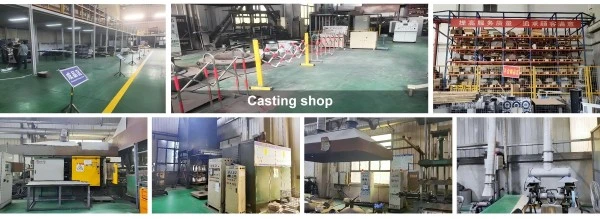
Rongbao Enterprise brings 20 years of casting expertise. We offer comprehensive manufacturing capabilities to heat-treated bearing production. Our Xi'an facility combines advanced technologies. We use sand casting technologies alongside precision CNC machining. Controlled heat treatment processes are integrated. This integration ensures consistent quality. It also maintains competitive pricing for both prototype and production quantities.
Our quality management system is robust. It encompasses ISO9001:2015, ISO14001, and ISO45001 certifications. This demonstrates our commitment to excellence in quality. We also focus on environmental stewardship and workplace safety. These certifications reflect systematic approaches. We prioritize continuous improvement and customer satisfaction. This benefits bearing performance and reliability directly.
The company's global market presence is strong. 70% of products are exported to Europe, America, and Japan. This demonstrates our adherence to international quality standards. It also shows high customer satisfaction. This experience with demanding international markets ensures success. Our heat-treated bearings meet the most stringent performance requirements. We provide competitive value propositions.
Conclusion
Heat treatment processes fundamentally enhance cast engine bearing performance. They achieve this through controlled metallurgical transformations. These optimize hardness, wear resistance, and dimensional stability. Understanding these thermal processing techniques enables informed procurement decisions. It also allows for application engineering optimization. The selection of appropriate heat treatment parameters depends on several factors. Material composition is key. Operating conditions matter. Performance requirements specific to each application are crucial. Proper maintenance ensures expected performance. Quality control guarantees reliability throughout service life. This maximizes operational reliability and cost-effectiveness.
Partner with Rongbao Enterprise for Superior Cast Engine Bearings
Rongbao Enterprise delivers exceptional heat-treated cast engine bearings. We meet the most demanding performance requirements across automotive sectors. We also serve construction and industrial applications. Our comprehensive manufacturing capabilities encompass sand casting. Precision CNC machining is a core strength. Optimized heat treatment processes ensure consistent quality and reliability. As a trusted cast engine bearings supplier with proven expertise in ZL101A aluminum components, we provide customized solutions. These are backed by ISO9001:2015 certification and global market experience.
Our technical team collaborates closely with customers. We optimize heat treatment parameters for specific applications. We do this while maintaining competitive pricing. Reliable delivery schedules are guaranteed. Contact steve.zhou@263.net and zhouyi@rongbaocasting.com. Discuss your bearing requirements today. Discover how our advanced manufacturing capabilities can enhance your product performance.
FAQ
Q1: What advantages do heat-treated bearings offer over untreated alternatives?
Heat-treated cast engine bearings provide significantly improved hardness. They also offer better wear resistance compared to untreated components. Fatigue life is also extended. The controlled thermal processing optimizes microstructure. This enhances load-carrying capacity while maintaining dimensional stability. These improvements translate to extended service intervals. Maintenance costs are reduced. Operational reliability improves across demanding applications.
Q2: Can heat treatment processes be customized for specific engine requirements?
Yes, modern heat treatment facilities offer extensive customization capabilities. They can match specific application requirements and operating conditions. Temperature profiles can be optimized. Cooling rates and aging parameters can be adjusted for different materials. Performance targets can also be met. This flexibility enables tailored solutions. It maximizes bearing performance while meeting cost and schedule constraints.
Q3: How can buyers verify heat treatment quality and certifications before purchase?
Reputable suppliers provide comprehensive documentation. This includes heat treatment certificates. Mechanical property test results are also standard. Quality system certifications should be available. Third-party testing services offer independent verification. Inspection services can confirm specifications and performance characteristics. Supplier audits provide additional confidence. Facility inspections confirm heat treatment capabilities and quality control systems.
References
- Davis, J.R. "Heat Treatment of Aluminum Alloys." ASM International Handbook of Aluminum and Aluminum Alloys, 2019.
- Smith, W.F. and Hashemi, J. "Foundations of Materials Science and Engineering: Heat Treatment Processes." McGraw-Hill Education, 2020.
- Anderson, K.M. "Tribological Performance of Heat-Treated Engine Bearings." Journal of Materials Engineering and Performance, Vol. 31, No. 8, 2022.
- Thompson, R.L. "Metallurgy and Heat Treatment of Cast Aluminum Components." Materials Science and Technology Review, 2021.
- Williams, P.D. "Quality Control in Heat Treatment Operations for Automotive Components." International Journal of Manufacturing Technology, 2023.
- Brown, M.C. "Optimization of Heat Treatment Parameters for High-Performance Engine Bearings." Tribology International, Vol. 165, 2022.
Learn about our latest products and discounts through SMS or email