- English
- French
- German
- Portuguese
- Spanish
- Russian
- Japanese
- Korean
- Arabic
- Greek
- German
- Turkish
- Italian
- Danish
- Romanian
- Indonesian
- Czech
- Afrikaans
- Swedish
- Polish
- Basque
- Catalan
- Esperanto
- Hindi
- Lao
- Albanian
- Amharic
- Armenian
- Azerbaijani
- Belarusian
- Bengali
- Bosnian
- Bulgarian
- Cebuano
- Chichewa
- Corsican
- Croatian
- Dutch
- Estonian
- Filipino
- Finnish
- Frisian
- Galician
- Georgian
- Gujarati
- Haitian
- Hausa
- Hawaiian
- Hebrew
- Hmong
- Hungarian
- Icelandic
- Igbo
- Javanese
- Kannada
- Kazakh
- Khmer
- Kurdish
- Kyrgyz
- Latin
- Latvian
- Lithuanian
- Luxembou..
- Macedonian
- Malagasy
- Malay
- Malayalam
- Maltese
- Maori
- Marathi
- Mongolian
- Burmese
- Nepali
- Norwegian
- Pashto
- Persian
- Punjabi
- Serbian
- Sesotho
- Sinhala
- Slovak
- Slovenian
- Somali
- Samoan
- Scots Gaelic
- Shona
- Sindhi
- Sundanese
- Swahili
- Tajik
- Tamil
- Telugu
- Thai
- Ukrainian
- Urdu
- Uzbek
- Vietnamese
- Welsh
- Xhosa
- Yiddish
- Yoruba
- Zulu
How much slope for stainless steel processing drainage pipe?
Assuring correct flow and avoiding clogs are two of the most important functions of the slope of the stainless steel processing drainage pipes in an efficient drainage system. The ideal slope for stainless steel drainage pipes must be understood when constructing plumbing systems for homes or for food processing facilities. In this detailed tutorial, we'll look at the elements that affect these specs and the suggested slopes for different uses.
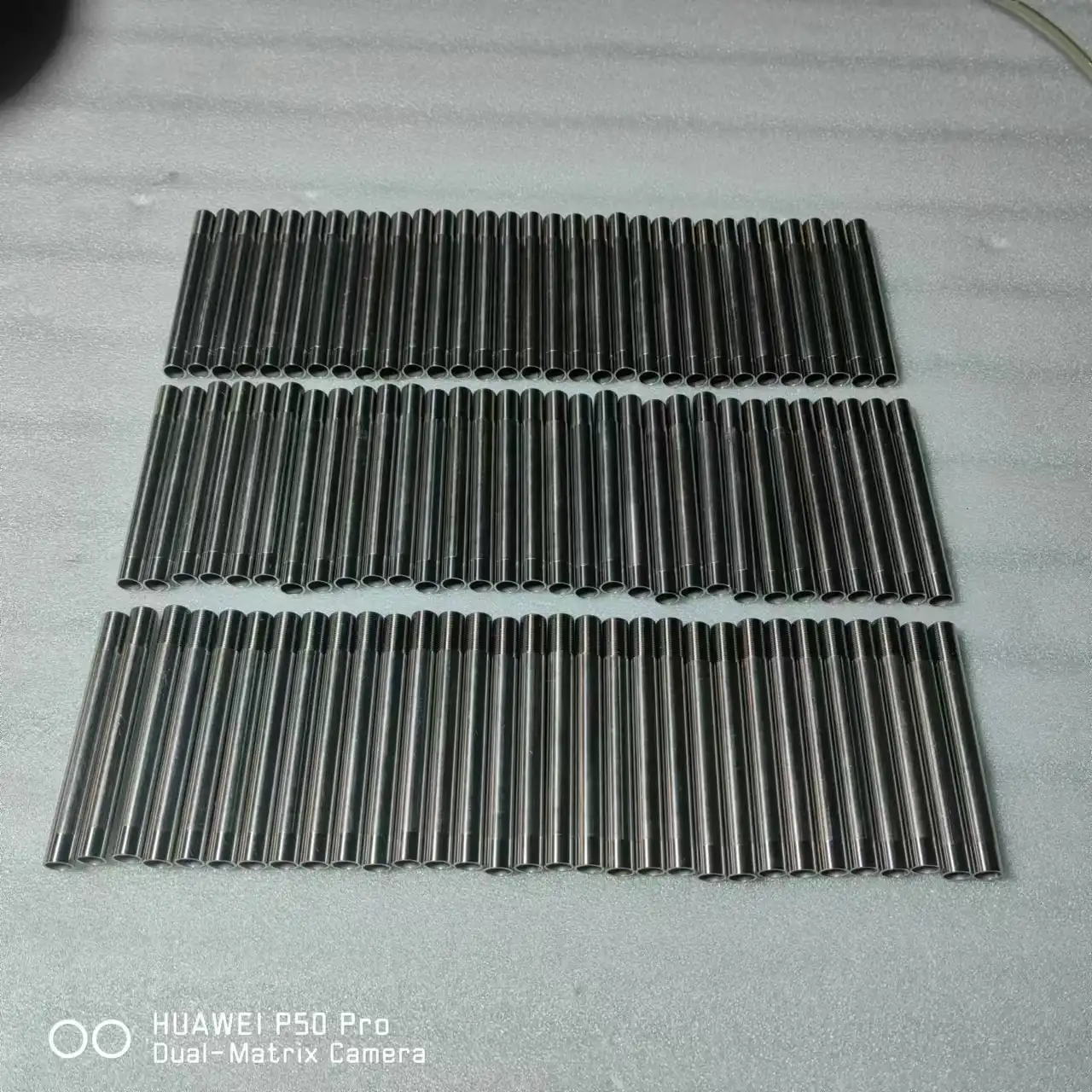
Residential drainage (small-diameter pipes)
In most cases, a higher slope is preferred for residential applications with smaller diameter stainless steel processing drainage pipes, as opposed to larger commercial or industrial situations. Reason being, correct flow of domestic wastewater need a higher gravity force due to the higher solids content.
According to the International Plumbing Code (IPC), horizontal drainage pipes with a diameter of 3 inches or less must have a slope of at least 1/4 inch per foot, or 2% slope. At least one eighth of an inch per foot (1% slope) is required for pipes that are four inches in diameter or more. In order to get the most out of home drainage pipes, however, many plumbers advise a little steeper angle of 1/4 inch each foot.
It's important to note that while a steeper slope can improve flow, excessive slope can lead to problems such as:
Joint separation of pipes is more likely to occur.
Possibility of sewage gas escape
The pipe may not be able to clean itself as well if there is less water running through it.
You need to find the sweet spot between the right slope and proper installation if you want your stainless steel processing drainage pipes to last and work well.
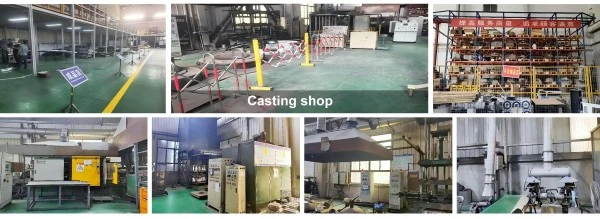
Food and pharmaceutical facility drainage
Healthcare and food processing facilities prioritize cleanliness and sanitation above everything else. Because they are long-lasting, corrosion-proof, and simple to clean, processing drainage pipes made of stainless steel are quite popular. These applications may have more stringent slope requirements than residential areas because to the inclusion of chemical drainage and the swift and complete evacuation of liquids.
The ideal gradient for food processing plant stainless steel processing drainage pipes made of stainless steel typically ranges from one percent to two percent, depending on the specific use and regional regulations. The FDA has mandated that all plant drainage pipes have a minimum slope of 1%, which is equal to 1/8 inch per foot. Because bacteria may flourish in stagnant water, this is necessary.
Designing slopes with a somewhat greater gradient is common in pharmaceutical plants due to the very strict hygiene regulations. For quick drainage and minimal contamination, a typical slope suggestion is 1/4 inch per foot (2% slope).
It should be mentioned that drainage systems in the food and pharmaceutical industries often include elements like:
Curved edges and seamless transitions to avoid product buildup
Grates that may be removed for simple cleaning and inspection
Careful planning of drain locations to maximize efficiency and reduce pooling
A clean and efficient drainage system that satisfies industrial and regulatory requirements is the result of these design features combined with the correct slope.

Compliance with industry standards
Researching the local building rules and industry requirements is vital prior to installing stainless steel processing drainage pipes. This will help establish the correct slope.Compliance with health, public safety, and environmental requirements is ensured by strictly adhering to these standards throughout the design and construction of drainage systems.
As part of its scope, ASME A112.6.3 provides design, material, and performance guidelines for floor and trench drains.
Sanitary drainage systems designed for food processing equipment must comply with NSF/ANSI 3-A 14159-1.
Plumbing and Mechanical Officials' International Association (IAPMO): Provides guidelines for the design and installation of plumbing systems.
Local construction regulations have certain requirements: While some may be more regionally focused than others, the vast majority include both federal and state mandates with additional local restrictions.
Additionally, by maintaining your drainage system in accordance with these rules, you will protect your investment and avoid costly repairs that may be triggered by regulatory violations, saving you money. Employ a licenced plumber who is current on all relevant industry norms and regulations. before building the drainage pipes for the stainless steel processing, review your drawings.
Regular inspection and maintenance are essential for keeping your drainage system in compliance and ensuring it operates at its best. Maintenance include cleaning and inspecting slopes on a regular basis as well as addressing immediate issues like as corrosion or joint separation.
FAQ
1. Can I increase the slope of my stainless steel processing drainage pipe to improve flow?
A: While it may seem logical that a steeper slope would improve flow, increasing the slope beyond recommended standards can actually lead to problems. Excessive slope can cause liquids to flow too quickly, leaving behind solid materials and potentially leading to clogs. It's best to adhere to industry-standard slopes unless a professional plumber recommends otherwise based on your specific situation.
2. How do I measure the slope of my existing drainage pipes?
A: To measure the slope of existing pipes, you can use a level and a tape measure. Place the level on top of the pipe and measure the vertical drop over a horizontal distance (typically 1 foot). For example, if the vertical drop is 1/4 inch over 1 foot, your slope is 1/4 inch per foot or 2%. For more precise measurements, especially in commercial or industrial settings, consider using a laser level or consulting with a professional plumber.
3. Are there any special considerations for outdoor stainless steel processing drainage pipes?
A: Outdoor drainage pipes may require additional considerations due to exposure to weather and temperature fluctuations. Ensure that the pipes are properly insulated to prevent freezing in cold climates. Additionally, outdoor pipes may benefit from a slightly steeper slope (up to 1/4 inch per foot) to account for potential debris accumulation and to maintain proper flow during heavy rainfall events.
Stainless Steel Processing Drainage Pipe Supplier: Rongbao Enterprise
Because of our extensive experience in the industry, Rongbao Enterprise is proud to provide the best stainless steel processing drainage pipes. Rongbao offers tailored solutions supported by a commitment to excellence and innovation to meet the unique demands of industries as varied as food processing, pharmaceuticals, and home applications.
Precision processing and casting of aluminum alloys have been Rongbao Enterprise's specialties since the company's founding in 2003. All things stainless steel, including high-quality drainage pipes, are within their area of expertise. Certifications to worldwide quality and environmental protection standards, including ISO9001:2015, ISO14001, and ISO45001, are among the many accolades conferred upon Rongbao's products.
Rongbao Enterprise provides the following stainless steel processing drainage pipes to customers who are looking for durable products with the best possible slope designs:
Designed specifically to address your unique drainage needs
An excellent corrosion-and wear-resistant material made of high-quality stainless steel 304
Accurate dimensions and flawless surfaces achieved by precise CNC machining
Thorough procedures for quality control to guarantee dependability and consistency
The ability to adapt production to meet the needs of both big and small orders
To learn more about Rongbao's stainless steel processing drainage pipe solutions or to request a quote, contact their expert team at steve.zhou@263.net or zhouyi@rongbaocasting.com. Their knowledgeable staff can help you determine the optimal slope and specifications for your drainage system, ensuring compliance with industry standards and maximum efficiency for your application.
References
1. International Plumbing Code (IPC). (2021). International Code Council.
2. Food and Drug Administration. (2020). Current Good Manufacturing Practice, Hazard Analysis, and Risk-Based Preventive Controls for Human Food.
3. ASME A112.6.3-2019. (2019). Floor and Trench Drains. American Society of Mechanical Engineers.
4. NSF/ANSI 3-A 14159-1-2014. (2014). Hygiene Requirements for the Design of Meat and Poultry Processing Equipment. NSF International.
5. IAPMO. (2021). Uniform Plumbing Code. International Association of Plumbing and Mechanical Officials.
Learn about our latest products and discounts through SMS or email