- English
- French
- German
- Portuguese
- Spanish
- Russian
- Japanese
- Korean
- Arabic
- Greek
- German
- Turkish
- Italian
- Danish
- Romanian
- Indonesian
- Czech
- Afrikaans
- Swedish
- Polish
- Basque
- Catalan
- Esperanto
- Hindi
- Lao
- Albanian
- Amharic
- Armenian
- Azerbaijani
- Belarusian
- Bengali
- Bosnian
- Bulgarian
- Cebuano
- Chichewa
- Corsican
- Croatian
- Dutch
- Estonian
- Filipino
- Finnish
- Frisian
- Galician
- Georgian
- Gujarati
- Haitian
- Hausa
- Hawaiian
- Hebrew
- Hmong
- Hungarian
- Icelandic
- Igbo
- Javanese
- Kannada
- Kazakh
- Khmer
- Kurdish
- Kyrgyz
- Latin
- Latvian
- Lithuanian
- Luxembou..
- Macedonian
- Malagasy
- Malay
- Malayalam
- Maltese
- Maori
- Marathi
- Mongolian
- Burmese
- Nepali
- Norwegian
- Pashto
- Persian
- Punjabi
- Serbian
- Sesotho
- Sinhala
- Slovak
- Slovenian
- Somali
- Samoan
- Scots Gaelic
- Shona
- Sindhi
- Sundanese
- Swahili
- Tajik
- Tamil
- Telugu
- Thai
- Ukrainian
- Urdu
- Uzbek
- Vietnamese
- Welsh
- Xhosa
- Yiddish
- Yoruba
- Zulu
Top Casting Connecting Frame Manufacturers for Global Buyer
When looking for metal parts for important industrial uses, choosing dependable casting connecting frame suppliers is what makes or breaks the whole production line. When it comes to car powertrains, robotic systems, and heavy machinery, where accuracy in measurements and material consistency are essential, these structural elements are the backbone of parts. Global procurement teams are under more and more pressure to find the best balance between cutting costs and maintaining quality while navigating the complicated supply chain. This guide cuts through the clutter by looking at tried-and-true manufacturers, breaking down the selection factors that matter, and giving you the tools you need to get relationships that give you an immediate competitive edge.
Understanding Casting Connecting Frame Components and Their Critical Role in Global Supply Chains
Defining Casting Connecting Frames and Their Industrial Applications
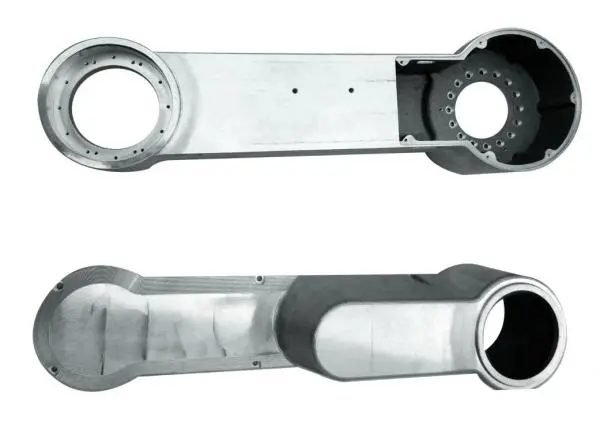
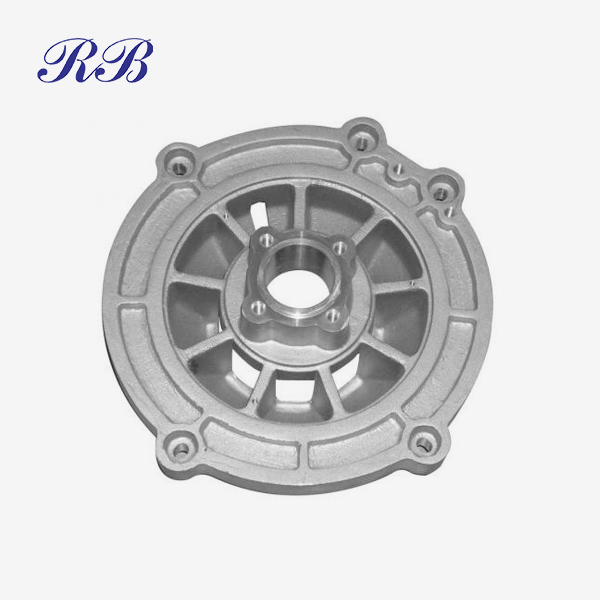
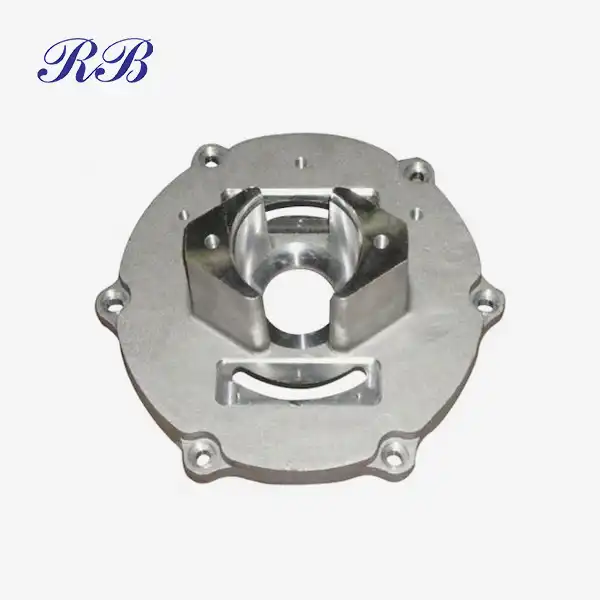
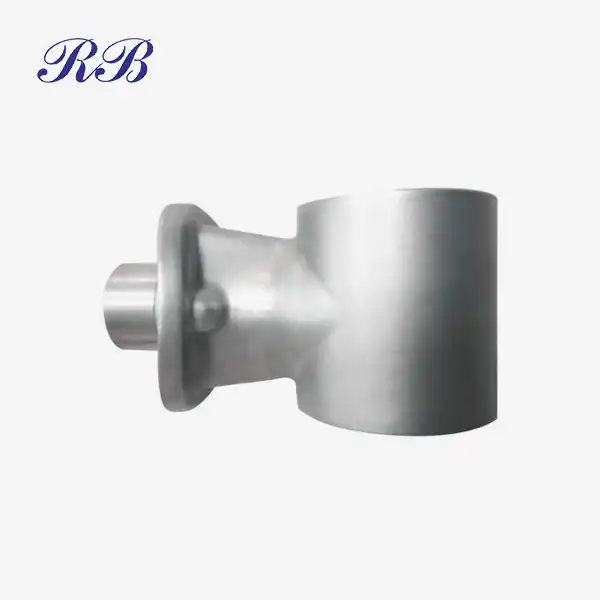
Casting connecting frames are structural links that hold weight and connect different mechanical systems into working units that work together. Cast frames have better strength-to-weight ratios than stamped or welded alternatives because the material is distributed more evenly during the solidification process. These parts hold industrial robot support arms in place, keep commercial vehicle drivetrain assemblies in place, and strengthen hydraulic pump housings in places where vibration resistance is important. The casting method lets you make complex shapes with built-in fixing features that cut down on assembly steps. This is a huge benefit when your engineering team is trying to make machinery that is small without losing structural performance.
Different materials are used for different tasks. The 9.5 kg weight range of the aluminium alloy A356 makes it the most popular choice for robotics and automation. Its rigidity is balanced with a manageable inertia for quick movements. Ductile iron is used for building equipment that needs to be resistant to impact, and special steel types are used for high-temperature energy uses. Each choice of material has a direct effect on the choice of casting technique and the needs for post-processing.
Quality's Impact on Product Longevity and Safety Standards
A casting connecting frame with internal holes makes stress concentration places that cause cracks to spread when loaded and unloaded repeatedly, turning a $200 part into a $50,000 production downtime event. Quality problems in the connecting frames weaken the structure of the whole system. When robotic arms have small deflections because the frame castings aren't up to par, placing mistakes build up over thousands of cycles, which lowers the accuracy of welding jobs in cars or systems that handle semiconductors.
When A356 aluminium is cast using gravity casting methods, the grain structures are uniform and meet ISO9001:2015 metallurgical standards. This controlled solidification stops holes from forming from shrinking and makes sure that the mechanical traits are the same from batch to batch. Shot blasting removes residual stresses and makes anchor patterns for protective coatings. This makes castings 40% more durable in corrosive environments than castings that haven't been treated.

Common Global Sourcing Challenges and Supply Chain Considerations
When purchasing goods from other countries, procurement managers always complain about three problems: unpredictable lead times, differences in size between batches, and not being able to see what the production state is. A European car supplier recently had four-week delays because their Asian provider's quality check found porosity problems after pouring. This shows why validating the process up front is more important than quoting lead times. Transportation logistics make things more difficult; castings that aren't properly packed get damaged during shipping and can't be fixed by machining, which is why international freight standards require wooden boxes for packaging.
Language barriers aren't the only ones that make it hard to communicate. To meet technical requirements, tolerance callouts, heat treatment procedures, and NDT requirements must be carefully interpreted. When suppliers don't offer CNC machining, buyers have to coordinate secondary operations with different suppliers. This adds to the work of coordination and quality control.
Top Casting Connecting Frame Manufacturers for Global Buyers
To find manufacturers who can deliver consistent quality on a large scale, you have to look at more than just what they say on their marketing materials. Certifications that prove process control, production capacity that meets your volume needs, and proven knowledge in your unique material and geometry needs are some of the most important selection factors for a casting connecting frame provider.
Rongbao Enterprise – Full-Process Manufacturing Excellence
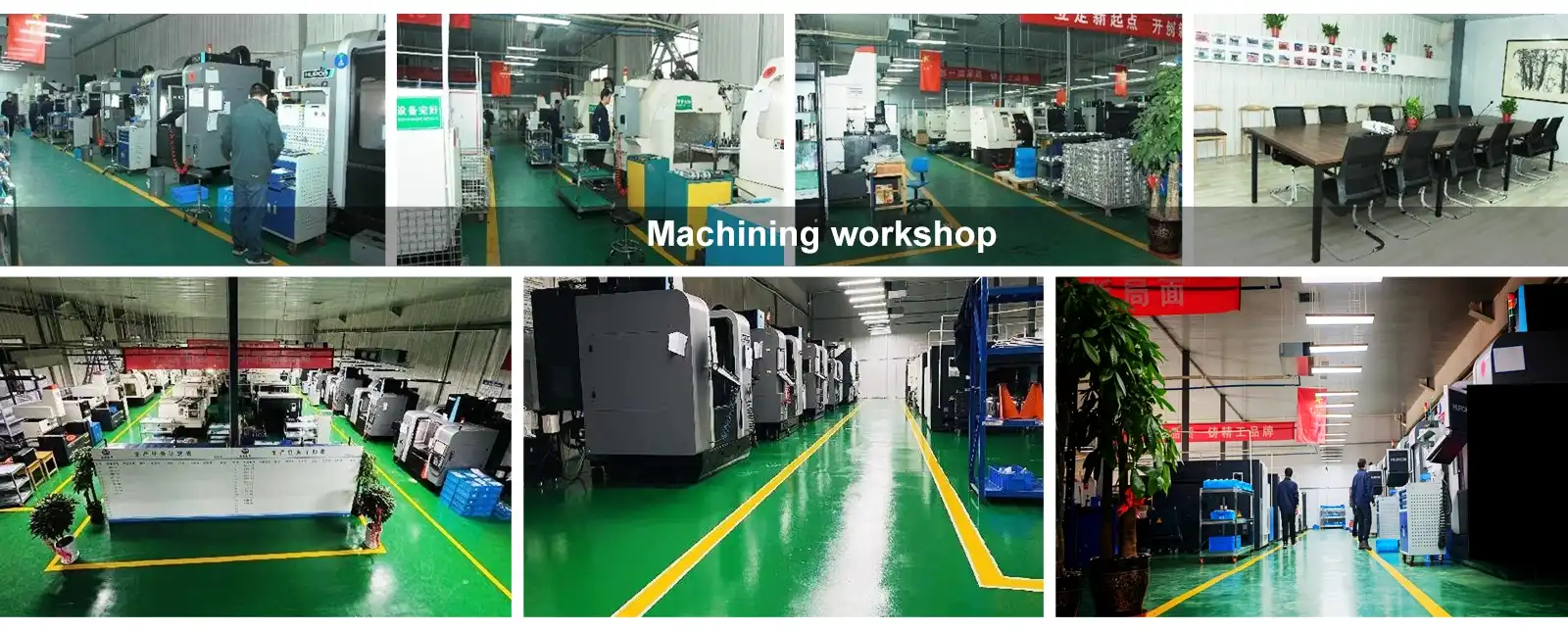
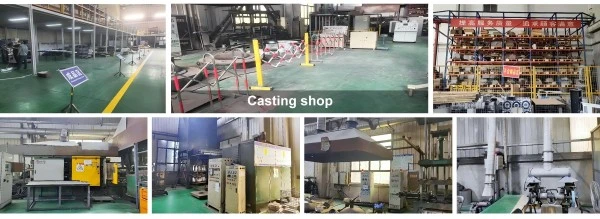
Rongbao Enterprise is based in Xi'an, China, and has been casting aluminium and ferrous metals for twenty years. Their facility does gravity casting, low-pressure die casting, and high-pressure die casting all in one place, so they don't have to deal with the problems that come with coordinating with different vendors. The business has ISO9001:2015, ISO14001, and ISO45001 certifications, which show that it follows the standard rules for quality management, protecting the environment, and worker safety that big companies need. Since 70% of their sales go to markets in Europe, the United States, and Japan, their production methods are more in line with international standards than with those in their own region.
They can make up to 5,000 pieces based on unique requirements, so they can handle both small runs of prototypes and large-scale production. The whole process includes making the mould, casting the parts, using CNC machines to make features with very tight tolerances, and finishing them with shot blasting. This process gives you ready-to-install parts that don't need any extra work. This all-in-one method works especially well for OEMs making industrial robot support arms with A356 aluminium frames that weigh 9.5 kg and need to be perfectly balanced between rigidity and flexibility.
Evaluation Criteria Across Leading Global Suppliers
Besides Rongbao, there are other specialised foundries around the world that focus on different areas of expertise. European companies that have NADCAP certifications are great at making low-volume, ultra-high-precision aerospace parts. North American companies use technology to make more than 50,000 cars a year while still following IATF16949 standards. Asian foundries are cheaper for making medium-precision industrial equipment, and they can help with iterative design refinement by providing responsive engineering support.
Quality assurance tells the difference between contenders and pretenders. Not just approval marks, but also proof that statistical process control was used. Check the defect rates of related parts—reliable makers share PPM data and responses to corrective actions. Logistical reliability is more than just the percentage of on-time deliveries. Look into buffer stock policies, alternative shipping routes when ports are busy, and how quickly people respond to messages when there are problems with production.
Whether a seller becomes a strategic partner or a transactional provider depends on how flexible they are with customisation. Can they make changes to the plan in the middle of the run without having to pay huge tooling fees? Do engineering teams suggest ways to make things easier to make when they're quoting? When your product development cycles get shorter and your market windows get smaller, these things that make you different matter.
How to Choose the Right Casting Connecting Frame Manufacturer
Identifying Your Specific Project Requirements and Technical Specifications
Start by making full dimensional documentation that includes 3D CAD models, GD&T callouts, and material specifications that use international standards like EN or ASTM. Quotes for vague needs for a casting connecting frame vary by 300% in cost, and production start dates are pushed back by weeks. Include yearly volume estimates that take into account seasonal changes. For example, a seller that is best at 10,000-unit runs will waste your time and money on prototypes of 500 pieces, and smaller foundries won't be able to meet your needs as you grow.
Different businesses have very different regulatory compliance needs. Automotive Tier-1 suppliers need entries that are in line with IATF16949 and PPAP. A lot of the time, parts used in the energy sector need to be able to trace their materials back to mill licenses and witness testing procedures. By making these non-negotiables clear during the RFQ phase, buyers can avoid costly surprises in the middle of a project when they find out that the vendor they chose doesn't have the right credentials.
Core Selection Metrics: Quality Assurance, Lead Times, and Scalability
Protocols for quality assurance include more than just inspecting new products when they come in. They also include process capability studies and systems for continuous improvement. Ask producers for Cpk values for important measurements; those that get 1.67 or higher show that they have process control margins that can handle normal variation without making defects. Ask about NDT capabilities; X-ray testing can find internal porosity that can't be seen with measurement gauges but is disastrous when the structure is loaded.
To do a lead time analysis, you have to break down the times given into parts like mould making, casting, heat treatment, machining, and inspection holds. A trustworthy manufacturer that gives week-by-week milestone plans shows openness that is missing from sellers that give single-number estimates. Scalability assessment looks into how well equipment is being used. Foundries that are running at more than 85% capacity don't have enough extra capacity for your pressing orders, and facilities that aren't being used may have financial problems that could hurt the long-term viability of the relationship.
After-sales support differentiates transactional suppliers from collaborative partners. When field failures occur, does the manufacturer dispatch metallurgists to conduct root cause analysis, or do they deflect responsibility? Warranty terms reveal confidence in process capability—extended coverage suggests robust quality systems, while restrictive clauses indicate underlying concerns.
Balancing Cost Versus Quality: Practical Decision-Making Framework
When you figure out the total cost of ownership, you take into account things that aren't shown in unit prices. A $50 casting that needs $30 of secondary machining and inspection doesn't work as well as a $65 turnkey component. Transportation costs for suppliers far away raise landed costs by 15 to 25 percent and make lead times more vulnerable to delays at the port. Payment terms affect working capital. For example, 30 days net terms from local suppliers are often better than 10% discounts from foreign suppliers who need letters of credit.
Quality costs show up slowly over time in the form of high rejection rates, output delays caused by differences in size, and guarantee claims from failures in the field. A European automaker found that their "cheap" Asian source had a 3% defect rate, which cost them $200,000 a year in sorting labour, faster shipping for new parts, and production line stops, cancelling out the 18% savings they had seen at first. Total program costs went down by 9% when they switched to a qualified provider with a 0.2% defect rate and a 12% higher unit cost. Delivery variability was also eliminated.
Procuring Casting Connecting Frames: Practical Tips and Best Practices
Defining Technical Specifications and Establishing Quality Standards
A successful procurement starts with clear, detailed specifications that leave no room for doubt. Don't just say "high-strength aluminium" when talking about aluminium alloys; instead, look at industry norms like ASTM B85. Clear out the inspection criteria by setting accept/reject limits for each important dimension for every casting connecting frame. Notations like "per drawing" that are too general can lead to disagreements during the receiving inspection. Include requirements for the surface finish, along with Ra values and visible acceptance standards that include photos of porosity or machining marks that are considered acceptable.
Quality agreements should spell out how often inspection equipment needs to be calibrated, how measurements should be taken, and how paperwork should be formatted. Need PPAP or AS9102-style inspection records for the first piece that show measurements, material certifications, and process proof. Set up clear non-conformance procedures that include actions for containment, timelines for root cause analysis, and verification of corrective actions. This will turn quality issues into structured problem-solving sessions instead of finger-pointing ones.

Optimizing Communication and Long-Term Partnership Strategies
Communication rules set up during quoting keep everyone on the same page during production. Set up a single point of contact on both sides who can make technical choices. This will help you avoid email chains that go back and forth between different offices. Instead of reacting to problems with communication during crises, set up regular production status calls at set project milestones. When working with people in different time zones, use asynchronous communication tools that save conversations and choices in ways that can be searched.
Long-term relationships allow for bulk discounts, priority capacity allocation during times of industry growth, and joint efforts to cut costs. Commit to multi-year contracts with tiered pricing based on volume levels. This will give sellers a stable source of income that allows them to make investments in process improvement that benefit both parties. Openly share your predictions and keep them up to date on a regular basis. Manufacturers who manage supplies and schedules based on accurate demand signs will reward your honesty by giving you more options when you need them right away.
Conclusion
To find high-quality casting connecting frame parts, you need to carefully check out the capabilities of manufacturers, communicate clearly, and build strategic partnerships. The makers that were featured have a history of meeting certification requirements, meeting output goals, and producing consistent quality goods. These are important factors that separate trusted sellers from those that cause procurement headaches. Your procurement team can easily find partners who meet your technical needs and business goals by using the selection models and best practices described. As automation, digitalisation, and environmentally friendly manufacturing practices change, buyers who are willing to work with suppliers as partners instead of just as transactional vendors can find opportunities. This will ultimately make you more competitive by improving your supply chain.
FAQ
1. What are typical lead times for custom casting connecting frame orders?
Lead times depend on how complicated the job is and how much is being made. It takes eight to twelve weeks to build a new tool, and another two to three weeks are needed for first-article sampling and approval for a new casting connecting frame. Once approval is given, production runs begin. Each gravity casting cycle makes 5,000 pieces over the course of four to six weeks, based on the complexity of the shape and the need for heat treatment. For repeat orders, lead times are cut down to three to five weeks with established programs and existing tooling. With extra fees, expedited services may cut down on wait times by 30%. Before agreeing to delivery dates that will affect your production schedules, you should always ask for specific milestone schedules during the quote process. This will help you find possible bottlenecks.
2. How can I verify casting quality before full production commitment?
Ask for full first-article inspection records that include measurements, material certifications, and test results for mechanical properties. Ask for a witness to destructive tests that measure tensile strength, hardness, and the structure and number of pores in the metal using metallography. When internal knowledge is limited, third-party inspection services offer neutral confirmation. Pilot production runs of 50 to 100 pieces show problems with the process before it is scaled up to full volumes. Set up hold points that need your approval before moving on to the next stage of production, and stay in charge of the whole qualification process.
Partner with Rongbao Enterprise for Your Casting Connecting Frame Needs
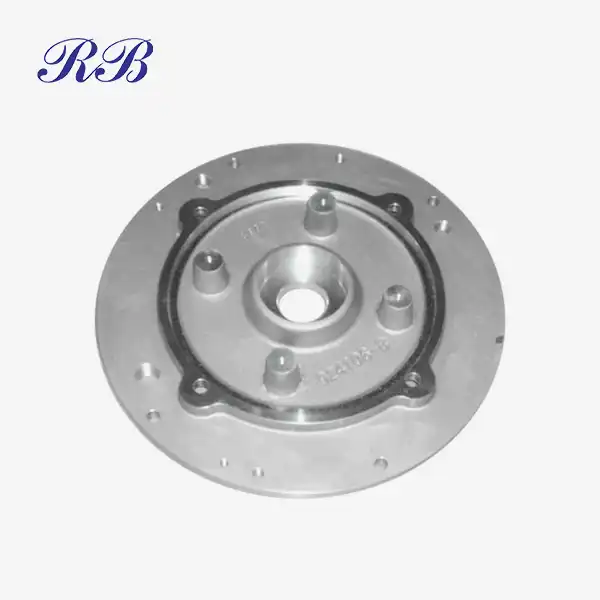
Rongbao Enterprise offers full casting connecting frame production services and has been serving customers around the world for 20 years. Our Xi'an facility has quality systems that are approved by ISO9001:2015, ISO14001, and ISO45001 that combine gravity casting, precision CNC machining, and shot blasting finishing. This makes sure that your industrial robot support arms and structural parts meet the highest standards. With the ability to make up to 5,000 custom pieces per month and 70% of our volume going to tough international markets, we know what your procurement team needs in terms of quality consistency and on-time delivery. Our engineering help makes designs easier to make, and our turnkey method gets rid of the hassle of coordinating with many providers. You can email our team at steve.zhou@263.net or zhouyi@rongbaocasting.com to talk about your needs and get accurate quotes. Find out why top OEMs choose Rongbao Enterprise as their strategic casting connecting frame supplier for projects that need unwavering quality and a quick response. You can see all of our services at rongbaocasting.com, and you can start building a supply chain edge right away.
References
1. Campbell, J. (2015). Complete Casting Handbook: Metal Casting Processes, Metallurgy, Techniques and Design. Butterworth-Heinemann.
2. American Foundry Society. (2018). Aluminum Casting Technology: Principles and Applications for Structural Components. AFS Publications.
3. Davis, J.R. (Ed.). (2021). ASM Specialty Handbook: Aluminum and Aluminum Alloys. ASM International.
4. International Organization for Standardization. (2020). ISO 9001:2015 Quality Management Systems — Requirements for Manufacturing Industries.
5. Mohanty, P.S., & Gruzleski, J.E. (2019). Mechanism of Grain Refinement in Aluminum Casting Alloys: Theory and Practice. Materials Science Forum, Vol. 217-222.
6. Society of Manufacturing Engineers. (2022). Advanced Casting Technologies and Supply Chain Integration in Global Manufacturing. SME Technical Papers.
Learn about our latest products and discounts through SMS or email