- English
- French
- German
- Portuguese
- Spanish
- Russian
- Japanese
- Korean
- Arabic
- Greek
- German
- Turkish
- Italian
- Danish
- Romanian
- Indonesian
- Czech
- Afrikaans
- Swedish
- Polish
- Basque
- Catalan
- Esperanto
- Hindi
- Lao
- Albanian
- Amharic
- Armenian
- Azerbaijani
- Belarusian
- Bengali
- Bosnian
- Bulgarian
- Cebuano
- Chichewa
- Corsican
- Croatian
- Dutch
- Estonian
- Filipino
- Finnish
- Frisian
- Galician
- Georgian
- Gujarati
- Haitian
- Hausa
- Hawaiian
- Hebrew
- Hmong
- Hungarian
- Icelandic
- Igbo
- Javanese
- Kannada
- Kazakh
- Khmer
- Kurdish
- Kyrgyz
- Latin
- Latvian
- Lithuanian
- Luxembou..
- Macedonian
- Malagasy
- Malay
- Malayalam
- Maltese
- Maori
- Marathi
- Mongolian
- Burmese
- Nepali
- Norwegian
- Pashto
- Persian
- Punjabi
- Serbian
- Sesotho
- Sinhala
- Slovak
- Slovenian
- Somali
- Samoan
- Scots Gaelic
- Shona
- Sindhi
- Sundanese
- Swahili
- Tajik
- Tamil
- Telugu
- Thai
- Ukrainian
- Urdu
- Uzbek
- Vietnamese
- Welsh
- Xhosa
- Yiddish
- Yoruba
- Zulu
How to avoid porosity and shrinkage defects in casting connection bracket?
To keep casting connection brackets from having porosity and shrinking problems, you need to use a complete method that includes careful material choice, controlled casting settings, and strict quality control rules. Gas entrapment and improper solidification are to blame for these flaws, which weaken the structure of important parts. By using high-purity alloys like A356 aluminium, controlling pouring temperatures, and working with certified manufacturers who use advanced testing methods, procurement teams can get casting brackets that meet strict industry standards without having to worry about them breaking down early or causing costly production delays.
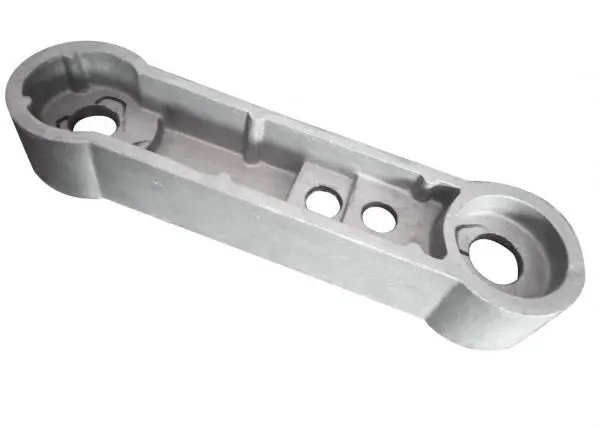
Understanding Porosity and Shrinkage Defects in Casting Connection Brackets
Finding metal parts for industrial robots, heavy machinery, or cars means you have to know what casting defects are and how they happen. Porosity and shrinking are two different problems that are linked and have a direct effect on how well casting connection brackets work and how safe they are to use.
What Porosity Means for Your Components
Porosity shows up as tiny holes spread out in the metal structure. These holes are made when gases get caught during the solidification process. These tiny air gaps make the material less able to hold weight and cause stress concentration points that speed up fatigue failure. When it comes to connection frames that hold up industrial robot arms, where the loads are always changing, even small holes can cause the structure to fall apart during use. The flaw lowers the tensile strength by making breaks in the metal structure. This makes the part less able to handle mechanical stress over time.
How Shrinkage Defects Develop
Shrinkage defects happen when molten metal shrinks as it cools down without getting enough new material to make up for the loss of volume. Shrinkage, on the other hand, usually shows up as localised holes or depressions on the surface in larger parts where cooling happens last. These holes create weak spots inside the part that make it much less strong, especially in parts that weigh 8.9 kg or more and have thermal mass that changes the way they solidify. Because section width and shrinkage risk are linked, design optimisation is very important during the engineering process.
Impact on Industrial Applications
Both types of defects are very dangerous for businesses that use fine metal parts. In automobile uses, vibration and temperature cycles can cause broken brackets to break. When hydraulic forces put stress on parts that are already weak, construction equipment faces similar problems. Zero-defect tolerance is needed in aerospace applications because porosity can cause failure modes that are hard to predict during flight operations. The economic effect goes beyond replacement costs. Production delays, warranty claims, and possible safety events put procurement teams at great risk of losing a lot of money if they don't check for defects when choosing suppliers.
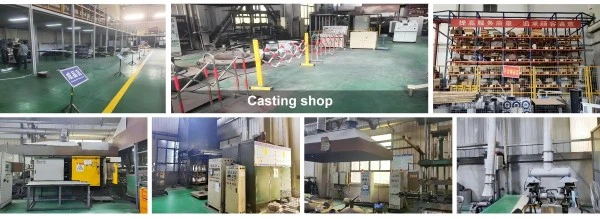
Root Causes of Porosity and Shrinkage in Casting Connection Brackets
Finding out why these problems happen helps buying workers better judge the skills of suppliers. The reasons include the quality of the materials, the accuracy of the equipment, and the control of the process. These are all areas where manufacturing skill is directly linked to product reliability and the structural integrity of casting connection brackets.
Gas Entrapment and Moisture Issues
Most of the time, pores are caused by hydrogen gas dissolving in molten aluminium alloys like A356. When the temperature of the metal drops during solidification, hydrogen solubility drops sharply. This lets gas bubbles form inside the structure of the casting. This problem gets worse when raw materials or mould coats are contaminated with moisture. This causes steam to be generated, which gets stuck in the metal as it hardens. If you don't degas the melt properly before dumping, these gases will stay in the melt, which almost guarantees that pores will form. If a supplier doesn't control the furnace atmosphere properly or uses contaminated scrap material, they add more gas sources that lower the quality of the casting, even if the controls further down the line work.
Inadequate Feeding Systems
Shrinkage flaws happen when there isn't enough molten metal to make up for the shrinkage that happens during solidification. Aluminium alloys shrink by about 6 to 7 percent as they cool, so feeders and risers need to be placed carefully to keep the pressure on the casting as it hardens. When gate systems aren't built well, they don't direct metal flow to the places where it will harden last, leaving empty spaces where metal can't go. The problem gets worse for complicated shapes like robot support arms, where different section thicknesses create more than one solidification front. Manufacturers use trial-and-error methods that often lead to long-term shrinkage problems because they don't have access to computer-aided simulations that can predict temperature differences.
Process Parameter Deviations
For gravity casting to work, the temperature of the pour, the speed of the filling, and the rate of cooling must all be carefully controlled. If the temperature of the pour is too high, it absorbs more gas and puts more stress on the material. If the temperature is too low, it solidifies too quickly and doesn't fill the mould all the way. When filling speeds aren't constant, turbulence happens, which traps air and oxide films inside the casting. Too fast of cooling speeds up production cycles without improving quality, while too slow of cooling speeds up production cycles without improving quality. Manufacturers who don't have written down process parameters or automated temperature monitoring systems get inconsistent results that show up as different patterns of defects across production batches. This makes things difficult for quality engineers who are in charge of managing incoming inspections.
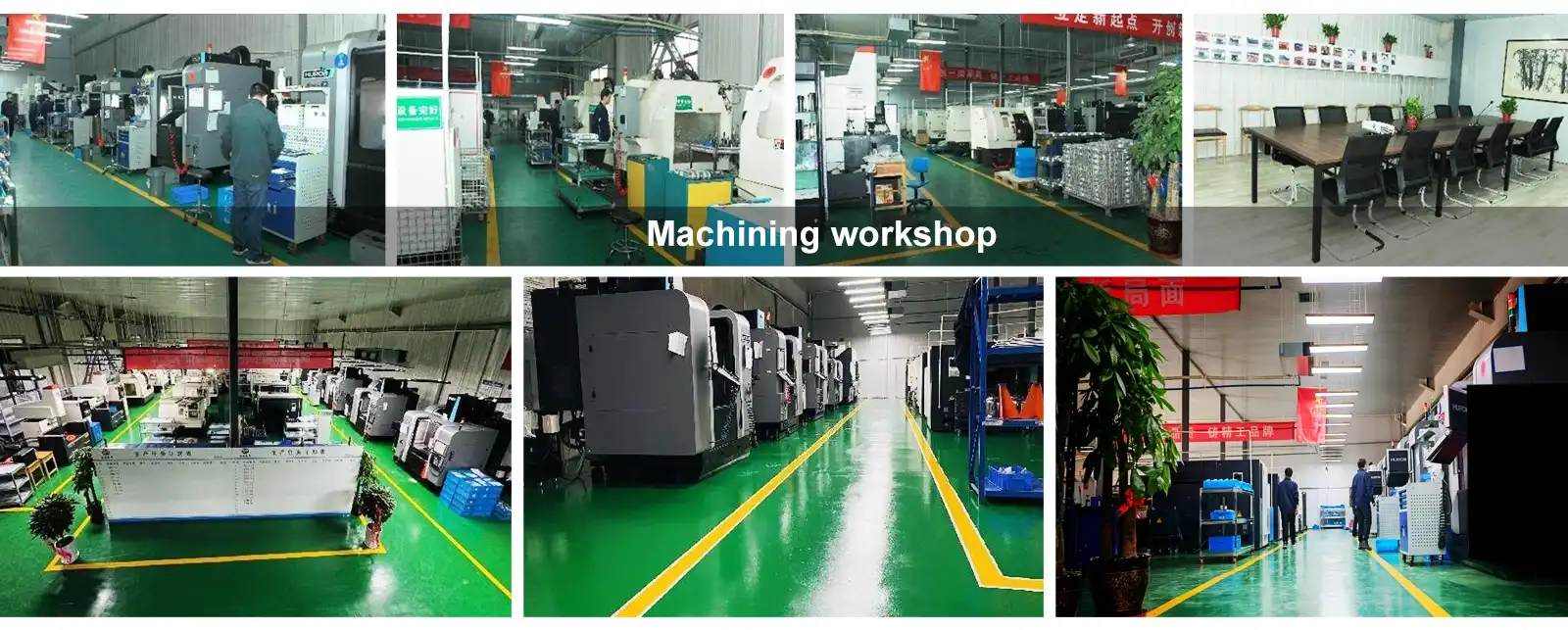
Proven Methods to Prevent Porosity and Shrinkage Defects
To effectively stop defects, you need strategies that include design optimisation, material preparation, and process control all working together. These methods are the best in the business. They were created after decades of studying metals and making things in real life.
Optimizing Mold Design and Gating Systems
Strategic mould design is the key to making casts that don't have any flaws. Engineers have to look at the shape of the part to find possible "hot spots" where shrinkage gathers. They then have to place feeders so that solidification continues in a certain direction, from thin sections to risers. The right form of gates controls the speed of metal flow, reducing the turbulence that holds air. If there are enough vents, gases that are caught can escape instead of getting stuck in the casting. Simulation software like ProCAST or MAGMASOFT can predict how temperatures will spread out and how long it will take for materials to solidify. This lets designers make changes to the designs before they have to start making expensive tools. During the mould development phase, we use these simulation tools to make sure that the casting connection brackets have the best feeding patterns and the lowest risk of defects before they go into production.
Material Quality Control
When properly prepared, high-purity A356 aluminium metal is very easy to cast. When rotating degassers with argon or nitrogen are used to remove air from liquid metal, they get rid of hydrogen to levels below 0.15 ml/100g aluminium. Grain refiners, such as titanium-boron, improve the architecture of solidification, making it less likely that the grain will shrink and become porous. Strict inspection of arriving materials keeps contaminated scrap from getting into the melt, and regular furnace upkeep keeps the refractory from breaking down too much, which can cause inclusions to form. Maintaining approved material tracking shows that suppliers are dedicated to consistent alloy chemistry, which lowers batch-to-batch variation that leads to unpredictable defect patterns. Our rules for getting materials make sure that every heat of A356 meets the requirements set out in ASTM B108, and we have test reports that prove the composition and purity levels.
Process Control and Monitoring
Process-induced defects can be eliminated by keeping a tight grip on the casting parameters. Automated dumping systems make sure that filling rates and temperatures stay the same, so operators don't have to change important steps in the process. During the casting process, real-time temperature tracking makes sure that the metal stays within the best thermal windows. Using insulating sleeves or chill plates to control the cooling process guides the solidification patterns to match the design intent. Statistical process control charts keep track of important parameters over multiple production runs. This lets process drift be quickly found before it causes problems. Programmable logic controllers in our factories control every step of the gravity casting process, from the temperature of the furnace to the application of the mould coating. This makes sure that the results are the same for all 5,000 pieces that are made.

Maintenance and Inspection to Ensure Long-Term Casting Bracket Performance
Making sure that the casting connection brackets are delivered without any problems is only the first step in quality assurance. Regular checks and preventative maintenance protect investments and keep things working reliably throughout the span of a component.
Non-Destructive Testing Methods
Advanced NDT methods find problems inside that can't be seen with the naked eye. By showing changes in density within the casting structure, X-ray radiography shows holes and shrinking voids. Ultrasonic testing finds internal breaks by looking at how sound waves bounce off of surfaces. This gives us information about the size of defects. Magnetic particle and liquid penetrant inspections find flaws that break the surface and weaken the structure. Using these checking methods during incoming quality control helps find and fix any faulty parts before they are put together. This stops problems in the field that lead to warranty claims and unhappy customers. As part of our quality control procedures, we do full NDT screening on production samples and give customers proof that the samples meet the acceptance criteria set during the qualification phase.
Preventive Maintenance Strategies
Casting parts last longer if they are handled properly and the environment is controlled. Protective packaging in wooden boxes stops harm during transport that causes stress buildup or surface damage. Controlled storage conditions keep surface treatments like shot blasting from rusting because they limit corrosion contact. Load monitoring in service makes sure that parts work within their design limits, which stops fatigue from building up from overloading situations. Visual checks done on a regular basis can find early signs of wear and tear before they become too bad to fix. This lets replacements be planned ahead of time, avoiding unplanned downtime. Taking these precautions is a small investment that pays off big time by making equipment more reliable and extending the life of parts.
Conclusion
Metallurgy, process engineering, and quality management skills must all work together to get rid of porosity and shrinkage problems in casting connection brackets. To successfully stop defects, you need to have a well-designed mould, strict control over the materials, exact process parameters, and thorough inspection protocols. Instead of just looking at price, procurement teams should look at sellers' technical skills and quality systems. This is because failures caused by defects cost a lot more than the initial saves from buying something. When made using gravity casting with the right controls, A356 aluminium alloy has great qualities that make it ideal for industrial robot support arms and other similar uses. Working with qualified makers who consistently provide high-quality products, quick technical support, and a dedication to always getting better is the key to a steady supply of parts that meet the strict needs of the industrial world.

FAQ
1. What are typical lead times for custom Casting Connection Brackets?
Depending on the complexity and amount of the order, standard wait times for production are between 4 and 8 weeks. This schedule includes making the mould, getting approval for the samples, and doing full production runs. Rush orders may be able to be filled with faster timing, but this depends on how much can be made at the moment. Our production planning team works closely with customers to set reasonable delivery dates that strike a balance between quality standards and time constraints. This way, we can make sure that 5,000-piece orders are shipped without any problems with inspection procedures.
2. How does porosity affect load-bearing capacity?
Porosity lowers the useful cross-sectional area and makes stress concentration zones that cause cracks to start spreading when the load is cycled. Porosity levels as low as 1% can cut tensile strength by 15-20% and wear life by a huge amount. Porosity is especially dangerous in dynamic uses because the loads that are put on parts that support industrial robot arms change all the time, taking advantage of these weaknesses. Tough quality control that stops pores from forming keeps design safety gaps and prevents failure before it's supposed to.
3. Can broken castings be fixed or reworked?
When the location and severity allow it, minor surface shrinkage can sometimes be fixed by welding in one spot. Internal porosity and deep shrinkage cavities usually make it impossible to recover parts, so they have to be thrown away and replaced. How possible it is to fix something rests on how big the problem is, where it is in relation to key stress points, and what the customer wants. Reputable sellers pay for replacing broken parts instead of trying cheap fixes that hurt the product's long-term dependability. This helps them keep their quality image and customers' trust.
Partner with a Trusted Casting Connection Bracket Manufacturer
With ISO 9001:2015, ISO 14001, and ISO 45001 certifications, Rongbao Enterprise makes sure that their casting connection brackets are free of defects and meet international quality and environmental standards. Gravity casting, precision CNC machining, and shot blasting are just some of the many manufacturing processes we can do. They are all done in-house at our Xi'an facility so that we can keep a close eye on quality throughout production. 70% of our production goes to the tough European, American, and Japanese markets. Because of this, we know how hard it is for buying managers to find parts for industrial robots, heavy machinery, and cars. Our engineering team offers full OEM/ODM customisation support, making designs easier to make and avoiding common mistakes that hurt component performance.
Twenty years of constant growth and development show that we are dedicated to building long-term relationships with our customers based on trust and high-quality professional work. No matter if you need 5,000 A356 aluminium brackets or custom solutions for specific uses, our full-chain manufacturing approach guarantees consistent quality from the first design to the final delivery. Get in touch with our technical team at steve.zhou@263.net or zhouyi@rongbaocasting.com to talk about your casting connection bracket needs and find out how our knowledge of preventing defects can make your product more reliable while lowering its total cost of ownership.
References
1. Campbell, J. (2015). Complete Casting Handbook: Metal Casting Processes, Metallurgy, Techniques and Design. Butterworth-Heinemann, Oxford.
2. Stefanescu, D.M. (2017). "Solidification and Modeling of Cast Alloys under Applied Pressure." Metallurgical and Materials Transactions A, 48(1), 239-261.
3. American Foundry Society. (2018). Aluminum Casting Technology. AFS Technical Publication, Des Plaines, Illinois.
4. ASM International Handbook Committee. (2016). ASM Handbook Volume 15: Casting. ASM International, Materials Park, Ohio.
5. Dispinar, D. and Campbell, J. (2019). "Critical Assessment of Reduced Pressure Test for Aluminum Melt Quality." International Journal of Cast Metals Research, 32(4), 188-195.
6. Zhang, L., Gao, J., and Nkrumah, L. (2020). "Review on Solidification Defects in Aluminum Alloy Castings and Methods for Their Prevention." Materials Today Communications, 24, Article 101154.
Learn about our latest products and discounts through SMS or email