- English
- French
- German
- Portuguese
- Spanish
- Russian
- Japanese
- Korean
- Arabic
- Greek
- German
- Turkish
- Italian
- Danish
- Romanian
- Indonesian
- Czech
- Afrikaans
- Swedish
- Polish
- Basque
- Catalan
- Esperanto
- Hindi
- Lao
- Albanian
- Amharic
- Armenian
- Azerbaijani
- Belarusian
- Bengali
- Bosnian
- Bulgarian
- Cebuano
- Chichewa
- Corsican
- Croatian
- Dutch
- Estonian
- Filipino
- Finnish
- Frisian
- Galician
- Georgian
- Gujarati
- Haitian
- Hausa
- Hawaiian
- Hebrew
- Hmong
- Hungarian
- Icelandic
- Igbo
- Javanese
- Kannada
- Kazakh
- Khmer
- Kurdish
- Kyrgyz
- Latin
- Latvian
- Lithuanian
- Luxembou..
- Macedonian
- Malagasy
- Malay
- Malayalam
- Maltese
- Maori
- Marathi
- Mongolian
- Burmese
- Nepali
- Norwegian
- Pashto
- Persian
- Punjabi
- Serbian
- Sesotho
- Sinhala
- Slovak
- Slovenian
- Somali
- Samoan
- Scots Gaelic
- Shona
- Sindhi
- Sundanese
- Swahili
- Tajik
- Tamil
- Telugu
- Thai
- Ukrainian
- Urdu
- Uzbek
- Vietnamese
- Welsh
- Xhosa
- Yiddish
- Yoruba
- Zulu
Is gravity casting suitable for complex thin-wall aluminum components?
Aluminum gravity casting parts are a tried-and-true way to make things. Molten metal flows naturally into permanent molds without any outside pressure. This method works great for making strong, medium-complexity parts, but it needs to be carefully looked at to see if it can be used for complex thin-wall aluminum structures. More and more, industries from the auto industry to aircraft need lightweight parts with wall widths below 4mm. This makes people wonder if gravity casting can meet these needs. The short answer is complicated: engineers can make fairly complex thin-wall designs work with gravity casting by choosing the right metal, designing the mold, and managing heat well. But parts with very complicated shapes or very thin layers thinner than 2.5 mm often work better with different techniques, such as high-pressure die casting or low-pressure casting, which are better at controlling dimensions and filling molds.
Understanding Aluminum Gravity Casting and Thin-Wall Components
The Gravity Casting Process Fundamentals
For gravity casting, fixed metal molds are used, and liquid aluminum is poured into them only by gravity. In high-pressure die casting, material is injected at 10,000 psi or more. To get uniform fill patterns with this method, the mold needs to be carefully designed and the temperature needs to be controlled. The process makes parts with a smooth surface and consistent dimensions, so it's a good choice for medium- to high-volume production runs of 500 to 50,000 units per year.
Defining Thin-Wall Casting Parameters
Thin-wall aluminum parts usually have pieces that are 4 mm thick or less, but in some cases, the limits are pushed closer to 2 mm. These shapes are often used in places where weight loss has a direct effect on performance, like power supply covers, valve bodies, and heat dissipation housings. The problem gets worse when designs have complicated parts like internal holes, different cross-sections, or points with a small radius that make it hard for metal to move smoothly. For aluminum gravity casting parts, these flow challenges are particularly critical, as the low-pressure filling process relies on proper gating design to avoid cold shuts and porosity in thin-walled sections.
Why Thin-Wall Production Challenges Gravity Methods
There are some physical problems that come up when you try to make thin sections using gravity casting. When molten aluminum hits the surface of a mold, it loses heat quickly and may solidify before it fills all the way through a narrow channel. This early solidification leads to flaws like cold shuts or parts that aren't finished. Because there is no outside pressure, engineers can't make up for less flow like they can with high-pressure systems. To keep results uniform, they have to pay close attention to the pouring temperature, the mold's preheating, and the design of the gates.
Technical Evaluation of Gravity Casting for Complex Thin-Wall Aluminum Parts
Critical Process Parameters Affecting Outcomes
Managing the temperature is the most important factor in the success of thin-wall gravity casting. For aluminum alloys like ADC12 or A356, pouring temperatures between 700°C and 750°C give them the right amount of flexibility without too much oxidation. Preheating the mold to 200–300°C lowers the impact of temperature changes and increases the flow distance before solidification starts. Rates of solidification need to find a balance between fast cooling, which keeps grains from getting coarse, and premature freezing, which leaves gaps in the fills.
How well complex shapes distribute metal depends directly on how well the mold is designed. Gates, risers, and venting channels are placed in a way that moves liquid aluminum through complex pathways while letting out air that is held. Simulation software on computers now lets engineers guess how things will move and find possible problem areas before they make expensive tools. This cuts down on trial-and-error rounds by a large amount.

Comparing Casting Methods for Thin-Wall Applications
The flexibility of sand casting and the accuracy of die casting are both good, but gravity casting is better. Even though sand casting doesn't require a lot of expensive tools, it can't always meet the needs for precise measurements and a smooth surface in thin-wall uses. High-pressure die casting works best for very thin sections and complicated shapes, but it costs a lot of money to buy the hydraulic equipment and hardened steel dies that are needed. For medium-volume production runs requiring consistent mechanical properties and good surface finish, aluminum gravity casting parts offer the ideal compromise—delivering tighter tolerances than sand casting without the prohibitive tooling costs of high-pressure die casting.
Low-pressure casting is a middle-ground option that uses low pressure (0.3 to 1.0 bar) to help mold filling. This makes thin-wall capabilities better than pure gravity methods while keeping tooling costs low. Investment casting can make very fine details and thin sections, but it costs more per piece, so it can only be used for high-value, low-volume parts.
Common Defects and Mitigation Strategies
Porosity is still the main problem with thin-wall gravity castings. It can happen when gas gets trapped or when the material shrinks during solidification. Porosity is less likely to happen when liquid metal is degassed before it is poured and controlled solidification patterns are kept. When two flow fronts meet without properly fusing, this is called a cold stop. This is usually fixed by placing the gates more accurately and raising the filling temperatures.
Dimensional differences between groups make it hard for quality experts to get uniform results. Using statistical process control on important factors such as the temperature of the pour, the chemical makeup of the metal, and the cycle times helps keep things stable. Before parts get to customers, X-ray screening and dimensional CMM verification find any problems. This protects both quality and image.
Design and Material Considerations for Optimal Gravity Casting Outcomes
Aluminum Alloy Selection for Thin-Wall Structures
ADC12 aluminum alloy has become the material of choice for parts that need to be easy to make and have good mechanical qualities. Its silicon presence makes it more fluid, which lets thin parts be filled better while still having good strength. The mechanical qualities and weldability of A356 alloy are better, but it needs more careful thermal control because it is not as fluid as other alloys.
When choosing a material, it's important to think about how different needs can be met at the same time. For example, alloys that focus on strength often sacrifice ease of manufacture for higher silicon content. In places like power supply covers and electronic housings where thermal conductivity is important, the thermal properties of the alloy are just as important as its structural properties.
Design Strategies That Enable Gravity Casting Success
When you keep the width of the walls the same as much as possible, you can avoid big changes in temperature that can cause bending or internal stresses. When changes in thickness are needed, gentle tapers keep flow from getting messed up and hot spots from forming. By adding large radii to corners and intersections, you can help metal flow and lower stress concentrations in finished parts.
Optimizing the gate system is likely the most important design choice. Bottom gating lowers turbulence and oxidation compared to top pours, and using multiple gates can fill complicated shapes at the same time. When risers are placed correctly, they create pools for liquid metal that can cover for solidification shrinkage. This keeps holes from forming in important areas.
Real-World Application Examples
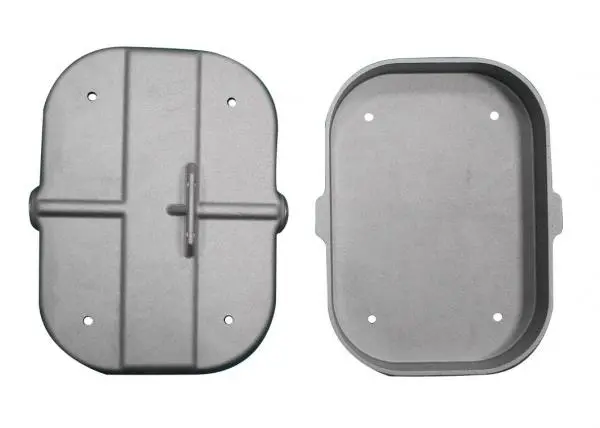
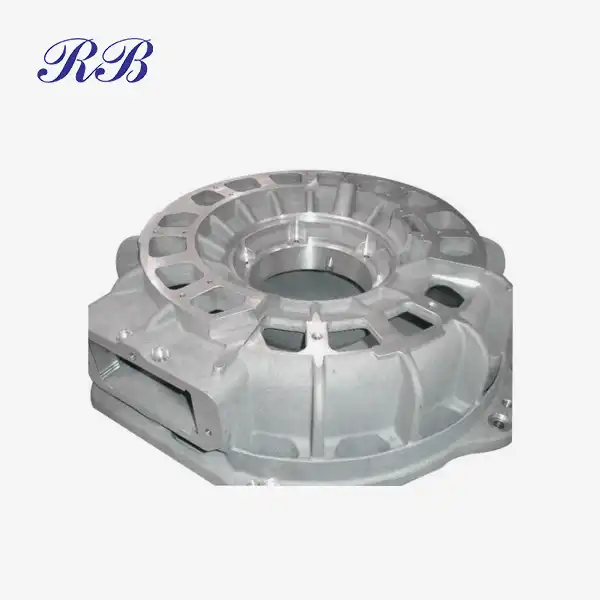
Gravity casting has been used successfully by automakers for gearbox housings that weigh 0.24 kg and have wall sections as thin as 3.5 mm. This method saves money compared to die casting while still meeting structural standards. Electronics manufacturers use ADC12 material for gravity-cast power supply covers because the process gives enough accuracy for fitting features while keeping costs low for 5,000-piece production runs. These uses show that gravity casting can still be used as long as engineering teams make sure that the complexity of the design, the choice of material, and the process's abilities are all right for the part. Across both automotive and electronics applications, aluminum gravity casting parts consistently demonstrate the versatility of this process, offering a reliable balance between dimensional precision and cost efficiency that makes them a preferred choice for mid-volume production scenarios where tooling amortization must be carefully managed.
Future Trends and Considerations in Gravity Casting for Thin-Wall Aluminum Components
Technological Innovations Expanding Process Capabilities
New mold materials with better thermal conductivity and surface coatings make dies last longer and make it easier to control heat extraction. This lets thinner wall shapes be more aggressive by carefully controlling the solidification patterns. Automated pouring systems with closed-loop temperature tracking make it easier for engineers to get the accuracy from batch to batch that they need.
Simulation software keeps getting better by adding more features like temperature stress forecast and microstructure modeling to go beyond just simple flow analysis. With these tools, engineers can virtually improve designs, which cuts down on the cost of real prototypes and raises the rate of first-time-right making. Machine learning algorithms now look at old casting data to guess how likely it is that a defect will happen. This lets process changes be made before quality problems happen.
Sustainability and Economic Advantages
Gravity casting is an environmentally friendly way to make things because aluminum can be recycled over and over again. When recycled content makes up a big part of the charge material, carbon footprints are smaller because much less energy is used per kilogram of cast aluminum than for pure aluminum production. When compared to methods that use disposable molds, the permanent mold method creates less waste, which helps reach lean production goals.
Strategic Decision Framework for Method Selection
Gravity casting works best when the complexity of the part stays moderate, the wall thickness is more than 3 mm, and the production volume is between 1,000 and 50,000 units per year. High-pressure die casting or low-pressure options should be looked at for projects that need tighter tolerances on dimensions than ±0.3mm or parts that are less than 2.5mm thick. To find the most cost-effective way to do something for a certain application, you have to figure out the total cost of ownership, which includes amortizing tools, processing costs per piece, and the need for secondary operations.
Conclusion
Gravity casting is still useful for making moderately complicated thin-wall aluminum parts as long as engineers use the right design rules and choose the right materials. This method isn't as good as high-pressure die casting for making very complicated shapes or very thin sections, but it's a cheap alternative for situations where the wall thickness stays above 3mm and the complexity stays within the limits of the process. To be successful, the design, manufacturing, and buying teams must work together carefully to find the best part geometry, choose the right aluminum alloys, and work with experienced sources who can keep quality systems strong. A thorough analysis should be done before deciding to use gravity casting. This should include weighing technical needs against economic realities and production volume concerns. For applications that meet these criteria, aluminum gravity casting parts offer a compelling balance of cost efficiency and mechanical performance, particularly when the production run falls into the medium-volume range where tooling amortization and per-piece pricing reach an optimal intersection.
FAQ
1. Can gravity casting produce aluminum parts with wall thickness below 3mm?
When the wall thickness is less than 3 mm, gravity casting has a hard time because the heat is lost quickly and the metal solidifies too soon. Even though skilled makers can sometimes make 2.5 mm pieces in the best conditions by using high-fluidity alloys and carefully controlling temperatures, it becomes hard to be consistent. When making parts that need walls that are less than 3 mm thick, high-pressure die casting or low-pressure ways that keep the mold-filling ability even with thin shapes usually work better.
2. How do lead times for gravity casting compare to die casting?
Making a gravity casting mold usually takes 4 to 6 weeks, while making a hardened steel die casting tools takes 8 to 12 weeks. This means that you can get into the market faster. Gravity casting takes 3–8 minutes per piece to make, while die casting only takes 30–90 seconds per piece. This makes it harder to meet project deadlines when making a lot of things. The choice weighs the cost of the original tools and the speed of production against the efficiency of making each piece.
3. What certifications should I verify when selecting a gravity casting supplier?
Getting ISO9001:2015 certification is a basic way to make sure that a quality management system is being used correctly. Automotive providers should also check that they are in line with IATF16949. Safety and environmental certifications like ISO14001 and ISO45001 show that a business is mature and that there is less risk in the supply chain. Industry-specific certifications depend on the needs of the application. For example, aerospace parts may need AS9100, while pressure vessels need specific material certifications and documentation of non-destructive testing.
Partner with Rongbao Enterprise for Your Thin-Wall Aluminum Casting Needs
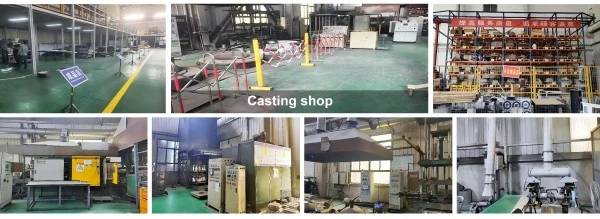
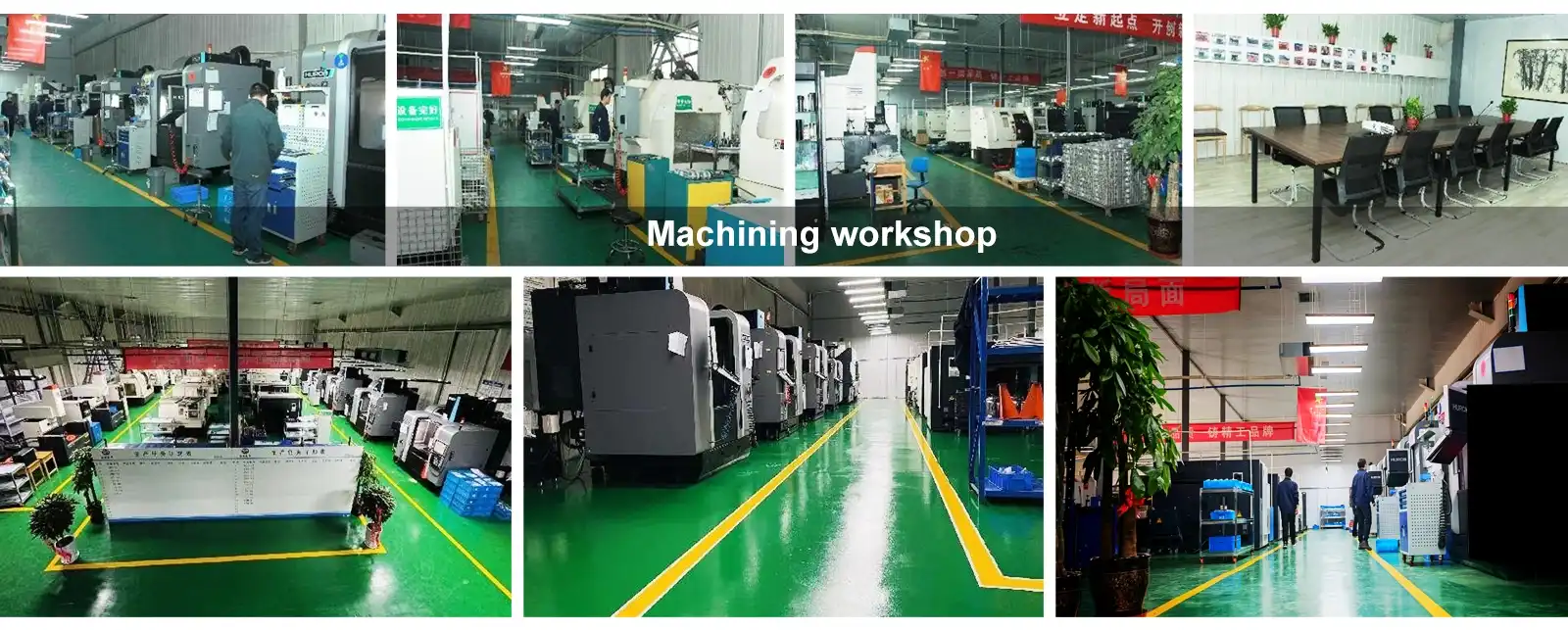
Rongbao Enterprise makes all kinds of aluminum gravity casting parts because it has integrated capabilities that include making molds, casting precisely, CNC machining, and finishing the surface. Our Xi'an facility has ISO9001:2015, ISO14001, and ISO45001 certifications, which means it can make custom orders for up to 5,000 pieces per month and guarantee consistent quality and on-time delivery. As a seller of aluminum gravity casting parts to makers of cars, industrial equipment, and power systems around the world, we know the technical details that make the difference between successful and unsuccessful thin-wall projects. Our engineering team can help you whether you're looking at different ways to make a new part or trying to make your current supply chains work better. They can do this because they have 20 years of experience with casting. Steve Zhou can be reached at steve.zhou@263.net or zhouyi@rongbaocasting.com to talk about your unique needs and get full technical reports that are in line with your procurement goals.
References
1. Campbell, John. Complete Casting Handbook: Metal Casting Processes, Metallurgy, Techniques and Design. Butterworth-Heinemann, 2015.
2. Kaufman, J. Gilbert and Elwin L. Rooy. Aluminum Alloy Castings: Properties, Processes, and Applications. ASM International, 2004.
3. Beeley, Peter R. Foundry Technology. Butterworth-Heinemann, 2001.
4. Flemings, Merton C. Solidification Processing. McGraw-Hill, 1974.
5. American Foundry Society. Aluminum Casting Technology. American Foundry Society Publications, 2013.
6. Zhang, Liang and Brian G. Thomas. "State of the Art in the Control of Inclusions during Steel Ingot Casting." Metallurgical and Materials Transactions B, vol. 37, 2006, pp. 733-761.
_1751078338779.webp)
Learn about our latest products and discounts through SMS or email