- English
- French
- German
- Portuguese
- Spanish
- Russian
- Japanese
- Korean
- Arabic
- Greek
- German
- Turkish
- Italian
- Danish
- Romanian
- Indonesian
- Czech
- Afrikaans
- Swedish
- Polish
- Basque
- Catalan
- Esperanto
- Hindi
- Lao
- Albanian
- Amharic
- Armenian
- Azerbaijani
- Belarusian
- Bengali
- Bosnian
- Bulgarian
- Cebuano
- Chichewa
- Corsican
- Croatian
- Dutch
- Estonian
- Filipino
- Finnish
- Frisian
- Galician
- Georgian
- Gujarati
- Haitian
- Hausa
- Hawaiian
- Hebrew
- Hmong
- Hungarian
- Icelandic
- Igbo
- Javanese
- Kannada
- Kazakh
- Khmer
- Kurdish
- Kyrgyz
- Latin
- Latvian
- Lithuanian
- Luxembou..
- Macedonian
- Malagasy
- Malay
- Malayalam
- Maltese
- Maori
- Marathi
- Mongolian
- Burmese
- Nepali
- Norwegian
- Pashto
- Persian
- Punjabi
- Serbian
- Sesotho
- Sinhala
- Slovak
- Slovenian
- Somali
- Samoan
- Scots Gaelic
- Shona
- Sindhi
- Sundanese
- Swahili
- Tajik
- Tamil
- Telugu
- Thai
- Ukrainian
- Urdu
- Uzbek
- Vietnamese
- Welsh
- Xhosa
- Yiddish
- Yoruba
- Zulu
Titanium Alloy Machined Parts Processing Technology
When developing medical rehabilitation robots or advanced surgical instruments, the precision and biocompatibility of titanium alloy machined parts become non-negotiable. These components are manufactured using sophisticated CNC machining techniques applied to specialized titanium grades, yielding parts with dimensional accuracies reaching CT4-CT6 tolerances. Material selection typically focuses on Ti-6Al-4V and commercially pure titanium grades that pass rigorous biocompatibility testing required for implantable and patient-contact devices. Understanding these processing technologies helps procurement professionals identify manufacturing partners capable of delivering medical-grade precision components that meet FDA and ISO 13485 compliance standards while maintaining strict confidentiality protocols throughout the development cycle.
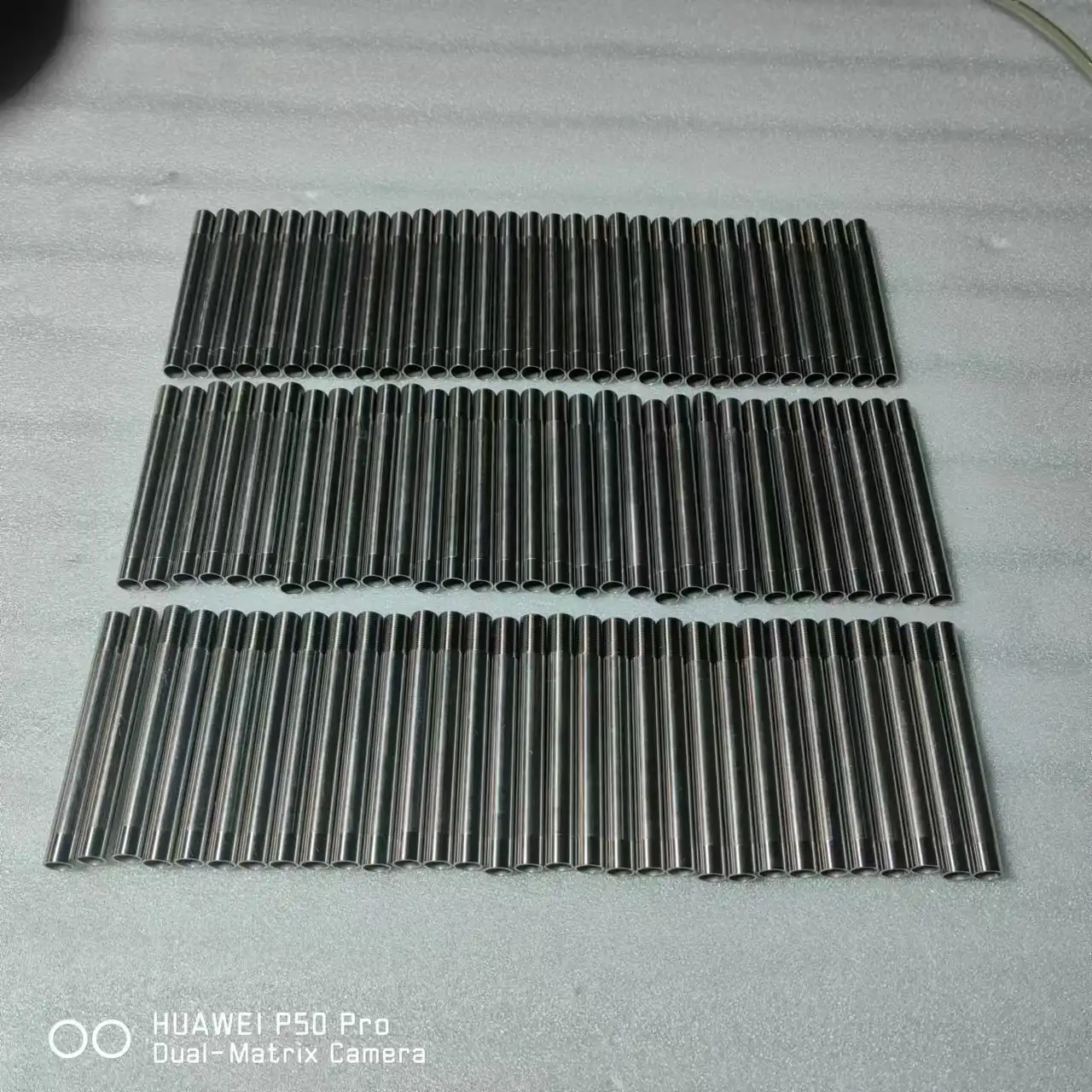
Titanium Alloy Machined Components Properties
Titanium alloys represent a unique class of engineering materials because they have a very high strength-to-weight ratio and are very resistant to corrosion. Ti-6Al-4V (Grade 5) is highly valued in the medical device industry because it is biocompatible and has the right mechanical properties for use in rehabilitation robotics. This alpha-beta alloy has tensile strengths of more than 900 MPa and a density that is about 40% lower than stainless steel options that are often used in medical tools.
When getting titanium alloy machined parts for controlled medical uses, material traceability is very important. Each batch of titanium stock needs to be fully certified, with information on its chemical makeup, history of heat treatment, and mechanical test results. Manufacturers of therapy equipment know that material certificates have a direct effect on how long it takes to register a device and get regulatory approval.
Mechanical Performance Characteristics
Titanium has a value of elasticity that is very close to that of human bone. This means that it doesn't act as a stress shield in medical uses. This quality is very useful in rehabilitation robotics, where actuator housings and structural frames touch the patient's body during therapy sessions. The alloy's resistance to wear under cyclic loading conditions makes sure that the part will work well for a long time, which is usual for medical equipment that is meant to last.
Titanium is better than aluminum metals in sterilization settings because it stays stable at high temperatures. Repeated autoclave cycles at 134°C keep the dimensions of the parts stable. This stops the gradual distortion that can happen with precision assemblies in medical devices that need to be cleaned often.
Biocompatibility and Surface Characteristics
Surface finish quality is important to companies that make medical devices because roughness affects how bacteria stick to surfaces and how tissues respond. Ra values below 0.8 micrometers are found on titanium surfaces that have been machined correctly, meeting the standards for cleaning for parts that come into touch with patients. Passivation methods make steady oxide layers that make things less likely to rust in physiological settings with proteins and chloride ions.
Processing Technologies and Machining Techniques for Titanium Alloy Parts
The fact that titanium doesn't conduct heat well and reacts chemically at high temperatures makes it difficult to machine. The cutting forces create intense heat in small areas near the tool edge. This speeds up the rate of wear and could lead to work hardening, which can affect later machining operations. To deal with these problems, the production process for titanium alloy machined parts needs to be changed in certain ways.
Advanced CNC Machining Methods
When working with titanium, multi-axis CNC machining machines with high-pressure coolant supply methods keep the cutting temperatures at the best levels. Through-spindle coolant at pressures above 1000 psi precisely directs fluid at the cutting edge, stopping thermal damage and removing chips that could damage finished surfaces. When keeping the tight standards that medical therapy equipment needs, this technology comes in very handy.
Tool path strategies have a big effect on the accuracy of the dimensions and the integrity of the surface. Compared to regular slotting operations, trochoidal milling reduces radial engagement, which spreads heat over larger tool sections and makes tools last 300% longer. Climb milling gives surfaces better finishes while preventing burrs from forming, which could affect the accuracy of assembly in medical parts that need to be very precise.
Cutting parameter optimization finds a balance between quality standards and efficiency. When working with titanium, surface speeds are usually between 40 and 80 meters per minute, and feed rates are changed based on the shape of the tool and the depth of the cut. Conservative parameters make tools last longer and stop damage below the surface that could cause fatigue cracks in important structural parts.
Heat Treatment and Material Conditioning
Stress relief annealing gets rid of any leftover stresses that were created during cutting. This keeps parts stable against changes in size that may happen during further processing or service. Manufacturers of medical devices usually define stress release cycles for Ti-6Al-4V parts at temperatures between 480°C and 650°C, followed by controlled cooling rates that stop microstructural changes that aren't wanted.
Solution treating and aging sequences make some titanium alloys stronger and more flexible in the best ways. To keep the surface from oxidizing, which would mean more material needs to be removed during finishing steps and could affect important dimensions in precision medical parts, these thermal cycles need to be carefully controlled in terms of temperature and atmosphere.
Surface Finishing and Quality Enhancement
Shot peening adds good compressive stresses to the top layers of materials, which makes them much more resistant to fatigue in parts that are loaded and unloaded many times, like robotic joint assemblies. The choice of media and processing factors are carefully managed to get the desired surface coverage without making the surface too rough, which could let germs in for medical uses.
Controlled anodic dissolving is used in electropolishing to remove surface material. This results in finishes that are as shiny as a mirror and have Ra values below 0.2 micrometers. This process gets rid of surface flaws and buried particles while making the material more resistant to rust by creating a uniform oxide layer. These very smooth surfaces make cleaning medical therapy devices easier and stop particles from forming while they're working.
Choosing the Right Titanium Alloy Grade and Machining Process
Grade choice has a big effect on both the effectiveness of the parts and the cost of making them. Ti-6Al-4V is mostly used in medical settings because it has been approved by regulators and has a long history of use in patients. However, commercially pure grades are better for shaping certain shapes. When making a purchase decision for titanium alloy machined parts, the cost of the material must be weighed against how hard it is to machine and what mechanical properties are needed.
Comparative Analysis of Common Grades
Commercially pure titanium types (1-4) are better at resisting rust and being compatible with living things. They are also easier to machine than alloyed versions. These types are good for uses that need middling strength and need parts with complicated shapes that are easier to machine. The price of the material is usually 20–30% less than Ti-6Al-4V. This makes it a better choice for cost-effective rehabilitation device parts where strength requirements allow it.
Ti-6Al-4V has a high level of strength, which lets lightweight structure designs be used in load-bearing systems. Because the metal is easy to find and comes from many suppliers, it can be bought in a variety of ways. However, it is more expensive to machine than widely pure grades because tools wear out faster and cutting speeds slow down. Medical device makers are willing to pay this extra cost for uses that need the highest strength-to-weight ratios in small rehabilitation robots.
Machining Best Practices and Defect Prevention
Choosing the right cutting tools has a huge impact on both the quality of the work and the cost of production. Advanced finishes on carbide tools keep the cutting edges sharp and stop the chemical wear that happens when titanium is machined. Positive rake angles in tool shapes lower cutting forces and heat production. This makes tools last longer and gives medical parts better surface finishes.
Managing coolants keeps medical equipment from getting thermal harm that could make their fatigue traits worse. High-flow rates of flood coolant get rid of heat and chips while lubricating the cutting zone. However, high-pressure systems transfer fluid more effectively to enclosed cutting areas during deep pocket milling or drilling operations that are common in repair equipment housings.
Supplier Evaluation Criteria
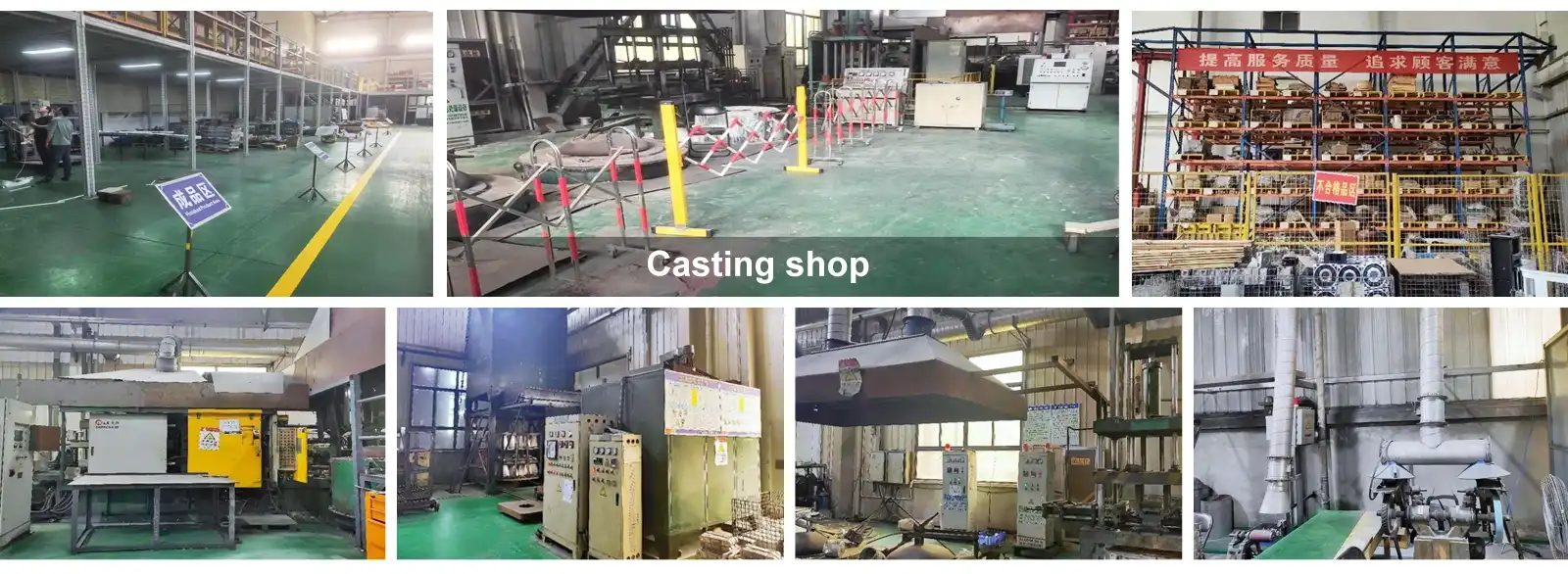
ISO 13485 certification shows that a supplier is dedicated to medical device quality management systems and can keep up with the process controls needed for regulated medical components. This standard calls for written rules for design controls, risk management, and tracking throughout the manufacturing process. This makes sure that parts meet the strict requirements of the medical industry.
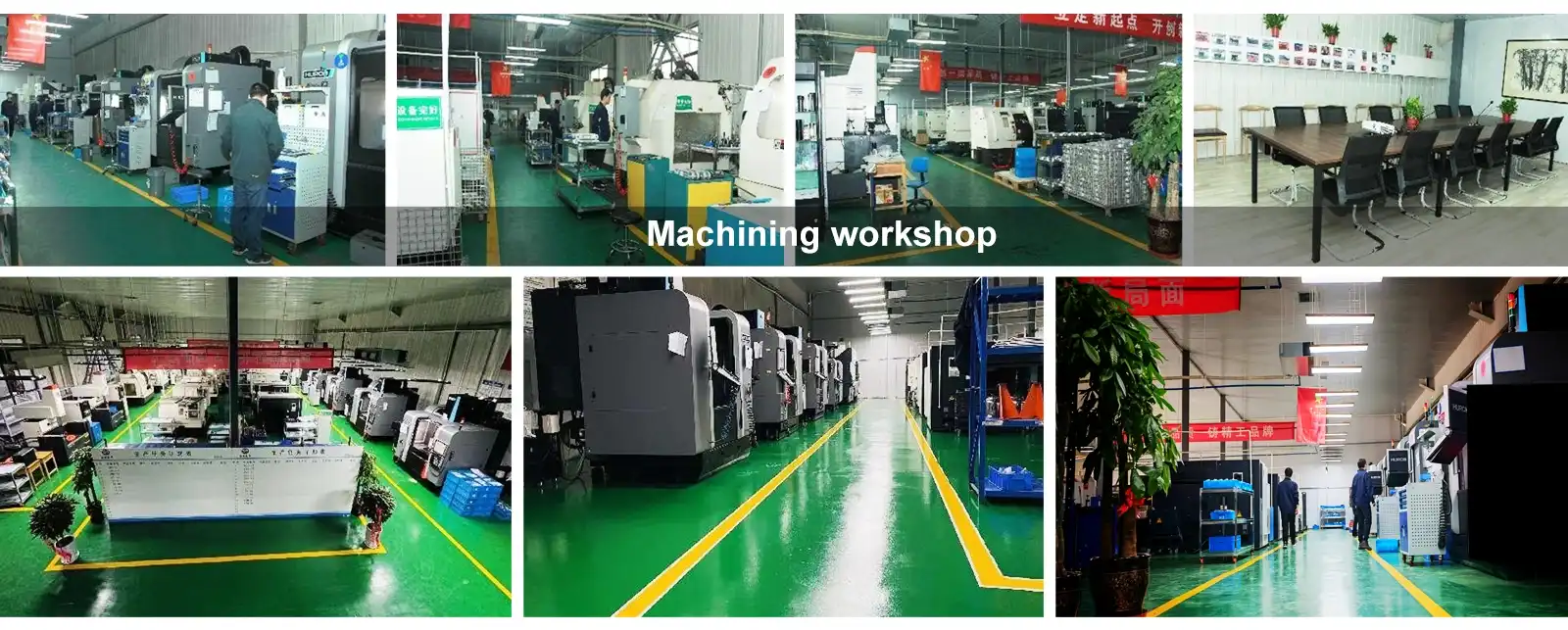
The tolerances and production volumes that can be reached are directly related to the equipment's capabilities. Suppliers who have five-axis machining centers and coordinate measuring machines show that they have the technical know-how to make complex rehabilitation robotics parts. Documented process capability studies also show that they can keep tolerances across production runs.
Confidentiality measures keep secret plans safe while prototypes are being made and tested. Comprehensive non-disclosure agreements and safe data handling practices stop the loss of intellectual property that could hurt the competitive edge of new recovery technologies that are still being developed
Conclusion
Processing methods for titanium alloy machined parts have changed over time to meet the strict needs of medical rehabilitation applications that need biocompatibility, accuracy, and dependability. Material choice, machining capabilities, and quality systems all play a role in determining whether a part is suitable for regulated medical devices. This is something that good procurement strategies take into account. As long as suppliers can show they follow ISO 13485, have advanced CNC capabilities, and offer full privacy protection, we can build the technical foundation for creating new rehabilitation robots that meet regulatory standards and improve patient outcomes.
FAQs
What tolerances can CNC machining achieve with titanium alloys?
When the right tools, fixtures, and process controls are used, modern CNC machining centers can keep titanium alloy machined parts within ±0.01mm to ±0.05mm of tolerance. Applications for medical devices often list the CT4–CT6 tolerance grades that can be met with properly calibrated equipment and documented process capability. For critical measurements that affect how well something works or how it fits together, it may be necessary to do more grinding to get even tighter standards below ±0.005mm.
How do material certificates support medical device registration?
Documentation that shows the tracking of materials gives regulatory bodies clear proof that parts have certain alloy ratios that meet biocompatibility standards. Full mill test reports that show chemical analysis, mechanical properties, and the history of heat treatment show that the material meets the ASTM standards listed in device master records. This paperwork is needed for FDA submissions and ISO 13485 exams that check the rules in the supply chain.
What kind of lead times should procurement teams expect for titanium machined parts?
It usually takes 4-6 weeks to make the first sample parts. This includes reviewing the design, setting the toolpath, and inspecting the first article, which includes checking the dimensions and looking at the surface. Cycle times are cut down to two to three weeks for orders of less than 500 pieces when methods are used over and over again. Complex geometries that need a lot of multi-axis machining or special surface treatments may make timelines longer. This is why involving suppliers early on is so important for keeping development schedules.
Partner with Rongbao Enterprise for Medical-Grade Precision Machining
Rongbao Enterprise offers complete solutions for making titanium alloy machined parts. They are certified by ISO9001:2015, ISO14001, and ISO45001, which show that they are excellent at managing quality, the environment, and safety. When you mix our CNC machining with advanced surface processes like shot blasting, you get parts that meet the exact measurements needed for medical rehabilitation devices. We've been making things for 20 years and have sold them all over the world. Each year, we can make up to 5,000 pieces, so we can meet both prototype development and volume production needs. Our Xi'an center has high-precision tools that can keep CT4-CT6 tolerances, and strict NDA procedures protect your intellectual property during the entire development process. When we get titanium alloy machined parts from a reliable maker for either rehabilitation robots or surgical tools, our technical team is there to help right away, from reviewing the initial design to delivering the finished product in a safe wooden box. Get in touch with our experts at steve.zhou@263.net or zhouyi@rongbaocasting.com to talk about your needs for precision parts and find out how our full-chain manufacturing can help you with medical applications that need reliable, cost-effective solutions. Visit rongbaocasting.com to learn more about all of the services we offer.
References
- Donachie, Matthew J. Titanium: A Technical Guide. ASM International, 2000.
- Ezugwu, E.O., and Wang, Z.M. "Titanium Alloys and Their Machinability: A Review." Journal of Materials Processing Technology, vol. 68, no. 3, 1997, pp. 262-274.
- Peters, M., Kumpfert, J., Ward, C.H., and Leyens, C. "Titanium Alloys for Aerospace Applications." Advanced Engineering Materials, vol. 5, no. 6, 2003, pp. 419-427.
- Boyer, Rodney, Welsch, Gerhard, and Collings, E.W. Materials Properties Handbook: Titanium Alloys. ASM International, 1994.
- Niinomi, Mitsuo. "Mechanical Properties of Biomedical Titanium Alloys." Materials Science and Engineering: A, vol. 243, no. 1-2, 1998, pp. 231-236.
- Trent, Edward M., and Wright, Paul K. Metal Cutting. Butterworth-Heinemann, 2000.
_1751078338779.webp)
Learn about our latest products and discounts through SMS or email