- English
- French
- German
- Portuguese
- Spanish
- Russian
- Japanese
- Korean
- Arabic
- Greek
- German
- Turkish
- Italian
- Danish
- Romanian
- Indonesian
- Czech
- Afrikaans
- Swedish
- Polish
- Basque
- Catalan
- Esperanto
- Hindi
- Lao
- Albanian
- Amharic
- Armenian
- Azerbaijani
- Belarusian
- Bengali
- Bosnian
- Bulgarian
- Cebuano
- Chichewa
- Corsican
- Croatian
- Dutch
- Estonian
- Filipino
- Finnish
- Frisian
- Galician
- Georgian
- Gujarati
- Haitian
- Hausa
- Hawaiian
- Hebrew
- Hmong
- Hungarian
- Icelandic
- Igbo
- Javanese
- Kannada
- Kazakh
- Khmer
- Kurdish
- Kyrgyz
- Latin
- Latvian
- Lithuanian
- Luxembou..
- Macedonian
- Malagasy
- Malay
- Malayalam
- Maltese
- Maori
- Marathi
- Mongolian
- Burmese
- Nepali
- Norwegian
- Pashto
- Persian
- Punjabi
- Serbian
- Sesotho
- Sinhala
- Slovak
- Slovenian
- Somali
- Samoan
- Scots Gaelic
- Shona
- Sindhi
- Sundanese
- Swahili
- Tajik
- Tamil
- Telugu
- Thai
- Ukrainian
- Urdu
- Uzbek
- Vietnamese
- Welsh
- Xhosa
- Yiddish
- Yoruba
- Zulu
Cost-Saving Strategies for Sourcing High-Quality Titanium Machined Components
Reducing costs when sourcing premium titanium alloy machined parts requires a strategic approach that balances quality with budget considerations. Medical device manufacturers and rehabilitation equipment developers face escalating procurement expenses due to titanium's exceptional properties—biocompatibility, corrosion resistance, and strength-to-weight ratio. The key lies in optimizing supplier selection, streamlining design specifications, consolidating purchasing volumes, and leveraging manufacturing partnerships that understand medical-grade precision requirements. By implementing targeted cost-reduction strategies without sacrificing compliance or performance, procurement professionals can achieve substantial savings while maintaining the exacting standards necessary for regulatory approval and patient safety in medical applications.
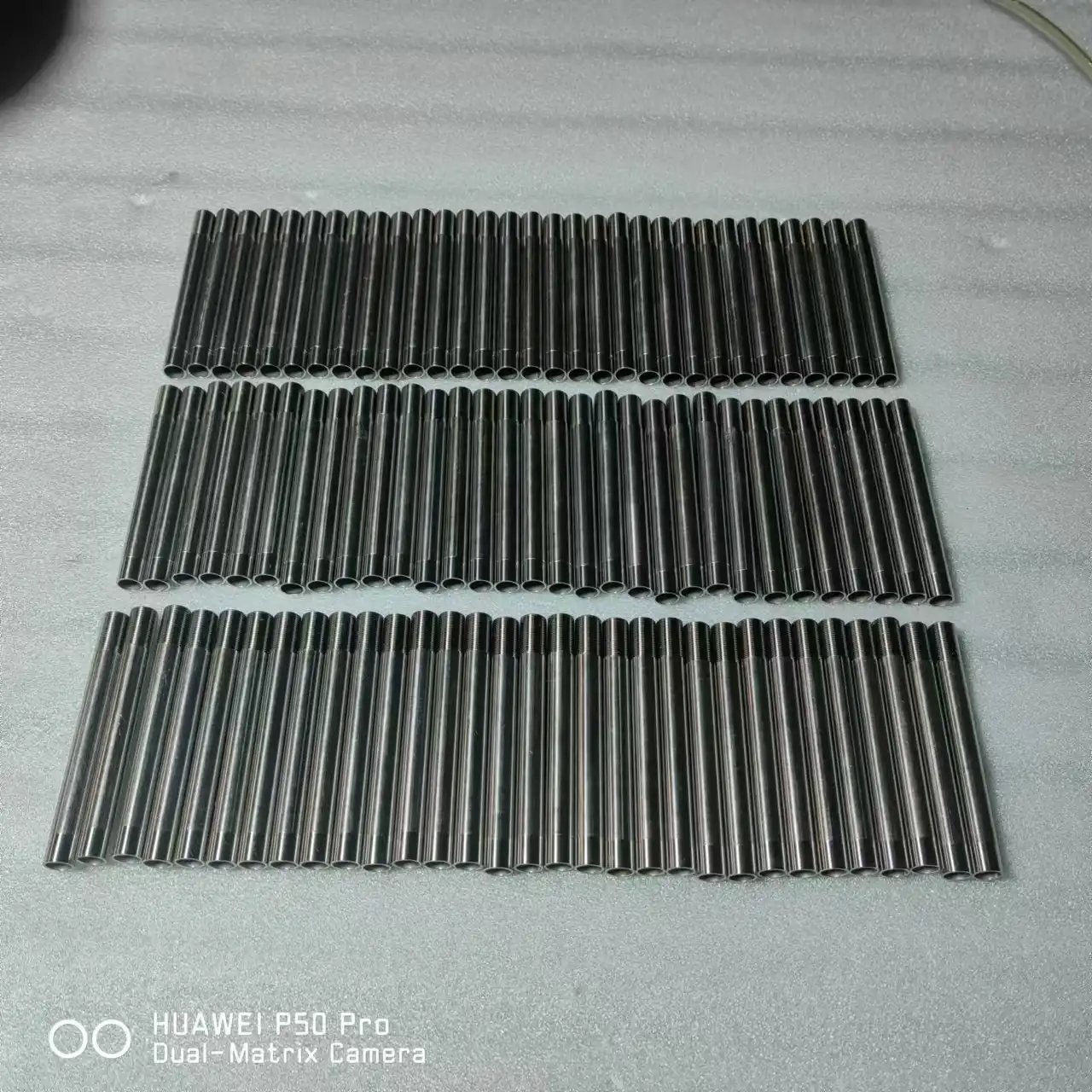
Cost Drivers in Titanium Alloy Machined Parts Procurement
Getting titanium comes with its own set of cash problems that need to be carefully looked at. The material itself is very expensive, especially medical-grade metals like Ti-6Al-4V (Grade 5) that are safe for living things. Along with the cost of raw materials, there are a number of other factors that affect the total cost of acquisition for titanium alloy machined parts.
Material Grade Selection and Pricing Dynamics
The prices of different types of titanium are very different. Commercially pure titanium Grade 2 costs a lot less than Grade 5, but many medical device applications need the better mechanical properties of alloyed titanium. Purchasing teams often spend more than they need to because they choose higher-quality materials without doing full engineering assessments first. A part of a rehabilitation robot that is exposed to mild stress loads might work well with Grade 2 titanium, which would be 20–35% cheaper than Grade 5 options.
Material certificates and paperwork that shows how the materials were made add another layer of cost. Medical device laws require sellers to give full test results and safety paperwork that show where the materials came from. These management requirements can't be changed, but they do add to the cost per unit that procurement pros have to figure out when they figure out the total cost.
Machining Complexity and Production Costs
Titanium's good qualities make it hard to machine, which drives up the cost of production. Because the material doesn't transfer heat well, heat builds up at the cutting edges, which speeds up tool wear. Specialized carbide or ceramic tools are needed, and cutting pieces need to be replaced often. Machine shops will directly quote you higher prices because of these operational realities.
Tight limits made cutting more difficult. Medical devices usually need to have dimensional accuracy within the CT4–CT6 tolerance grades, which means that the parts have to be machined more than once and the quality has to be checked carefully. Each extra inspection loop adds time to the production process and costs more in work. When procurement professionals know about these technical limitations, they can negotiate with suppliers more effectively and make more accurate plans for deadlines.
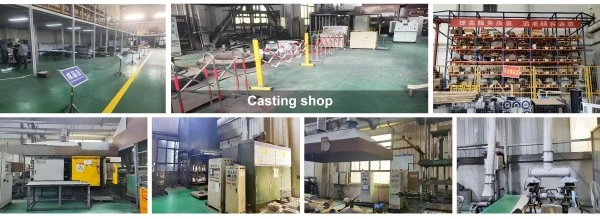
Key Strategies to Reduce Costs When Sourcing Titanium Machined Parts
Strategic buying methods cut costs in a way that can be measured and doesn't hurt the quality of the parts. We've found a few high-impact strategies that medical device makers use to get the most out of their budgets for sourcing titanium alloy machined parts.
Design Optimization for Manufacturability
When the design engineering and procurement teams work together, they can save a lot of money. Machines need more time and special tools to work on shapes and features that are hard to understand. Teams can find ways to improve parts of designs that don't directly affect how well they work by looking at them with the goal of making them more efficient to make.
Cutting down on unnecessary tight tolerances on dimensions that aren't critical cuts production costs by a large amount. A bracket for placing a rehabilitation device might need very close tolerances on the surfaces that fit together, but less strict tolerances on sides that aren't used. This chosen way of assigning tolerances can cut cutting time by 15–30%, which saves money in the same way. As early as the design phase, involving suppliers gives valuable manufacturing information that helps make cost-effective design choices.
Volume Consolidation and Batch Planning
When it comes to precision machining, economies of scale work very well. Small-batch orders have higher per-unit costs because of the time it takes to set up, prepare tools, and document the quality system. Medical gadget development usually involves a lot of design changes with few prototypes, which makes the buying process very expensive.
Costs per unit go down a lot when orders are combined from different product lines or when bigger production batches are planned. A company that makes a lot of rehabilitation devices might be able to get bulk savings of 12 to 25 percent by coordinating their purchasing plans so that orders for titanium parts are combined. Suppliers can plan their income more accurately with annual purchase deals that lock in certain amounts. This lets them set prices that are more competitive. This method needs careful product control, but it gives great financial results.
Supplier Partnership Development
Transactional relationships with suppliers miss chances to work together to cut costs. Suppliers who know a lot about manufacturing can suggest other ways to do things that keep performance high while cutting costs. If your machining partner knows about the needs of medical devices, they might suggest casting plus finish machining instead of solid block machining for some shapes. This can cut material waste by 40–60%.
When you have a long-term relationship with a source, they are more likely to spend in custom tools or process optimization that are made just for your portfolio of parts. The costs of production go down over time because of these investments, and the saves are shared by both sides. Suppliers can plan their capacity and come up with value engineering projects that help both companies when production volumes and product roadmaps are made public.
How to Choose and Collaborate With a Reliable Titanium Alloy Machined Parts Supplier?
Choosing the right supplier has a direct effect on quality, delivery reliability, and, in the end, procurement costs. For medical device uses, you need partners with specific skills that go beyond general machining skills for titanium alloy machined parts.
Essential Supplier Qualifications
A supplier's ISO 13485 certification shows that they are dedicated to medical equipment quality control systems. This certification shows that there are written procedures for controlling the design, tracking materials, and checking the production, which are all necessary to follow the rules. Suppliers who don't have this license have to go thru a lot of audits and qualification work, which adds to the costs and delays of the project. To speed up the supplier approval process, procurement professionals should give priority to partners who are ISO 13485-certified.
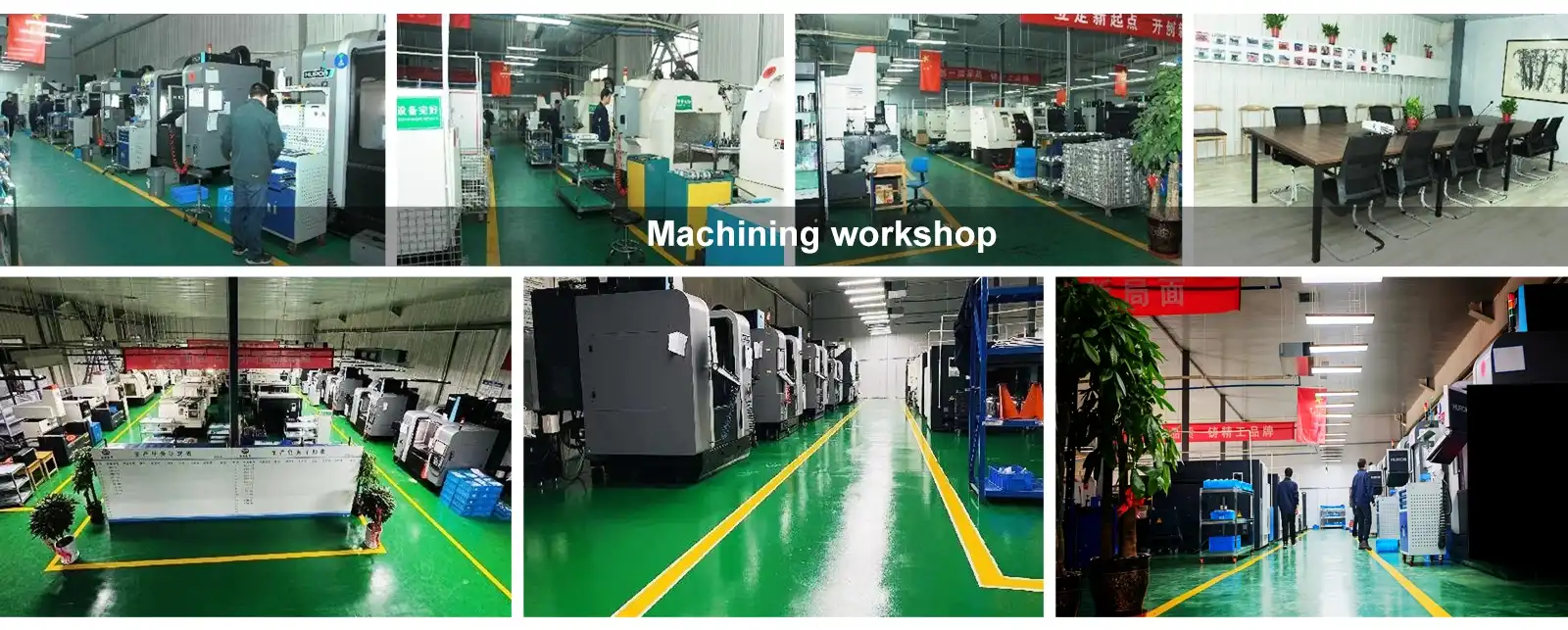
The powers of CNC machines decide how precise and repeatable they are. Five-axis machining centers can make complex shapes in a single setup, which lowers the chance of mistakes and raises the accuracy of measurements. The ability to inspect with a coordinate measuring machine (CMM) makes sure that tight tolerances are met objectively. When you visit a supplier's site and see that they have modern equipment and skilled workers, you can be sure of their technical abilities. These operating factors have a direct effect on the quality of the parts and the regularity of production.
Collaboration Best Practices
During the buying process, non-disclosure agreements keep secret ideas safe. Medical device intellectual property gives companies a big edge in the market, so protecting it must be a top priority. Setting up NDAs before sharing technical documents stops them from being shared without permission and lets you have in-depth talks about production.
Testing a supplier's skills with prototype samples and detailed inspection reports is important before committing to large production runs. For the first samples, you should ask for CMM size reports, material certificates, and measures of the surface finish. This process of checking finds possible problems early on, which keeps expensive production problems from happening. Evaluation of samples usually takes 4 to 6 weeks, but it gives you the trust you need to choose a seller.
Performance-based contracts with quality measurements and delivery promises make sure that the benefits for suppliers are in line with the goals of procurement. In purchase agreements, laying out acceptance criteria, delivery dates, and quality standards makes everyone responsible and lowers the risk of disputes. Including options for ongoing improvement projects pushes suppliers to look for ways to be more efficient, which is good for everyone in the long run.
Leveraging Advanced Machining Techniques to Cut Costs
Improvements in manufacturing technology have made it easier to process titanium alloy machined parts more efficiently. This means that suppliers can be chosen more carefully and processes can be specified more precisely, which can lower costs.
Optimized Machining Parameters
When working with titanium, you need to use different techniques than when working with steel or aluminum. Cutting at slower speeds, controlling the formation of chips, and using a lot of water all help keep tools from wearing out and keep work from hardening. When suppliers use optimized machining parameters, tools last longer and production cycles go faster, which lowers costs that customers have to pay. During procurement talks, sellers' titanium-specific working knowledge should be looked at to find partners with the most cost-effective skills.
High-pressure coolant systems send cutting fluid straight to the contact between the tool and the workpiece. This makes getting rid of heat and chips much easier. Compared to traditional water cooling, this technology makes tools last 50–100% longer, which cuts down on costs and downtime. When suppliers spend money on these kinds of advanced systems, they show that they care about speed and can offer more competitive price structures.
Automation and Quality Systems
CAM software optimizes tool paths, cutting down on movements and machining time that aren't needed. Automated programming gets rid of mistakes made by people during setup and operation, which raises the first-pass yield rate. These digital manufacturing features cut down on waste and extra work, which lowers the cost of production. When comparing bids, people in charge of procurement should look at how advanced the suppliers' digital manufacturing capabilities are.
Compared to measuring things by hand, automated checking systems that use vision technology or laser scanning can check quality more thoroughly and faster. Real-time process monitoring finds changes in dimensions before they become nonconforming parts, which cuts down on waste. When suppliers use these high-quality technologies, they get better yields and shorter wait times. This saves customers money and improves shipping performance, which is value for them.
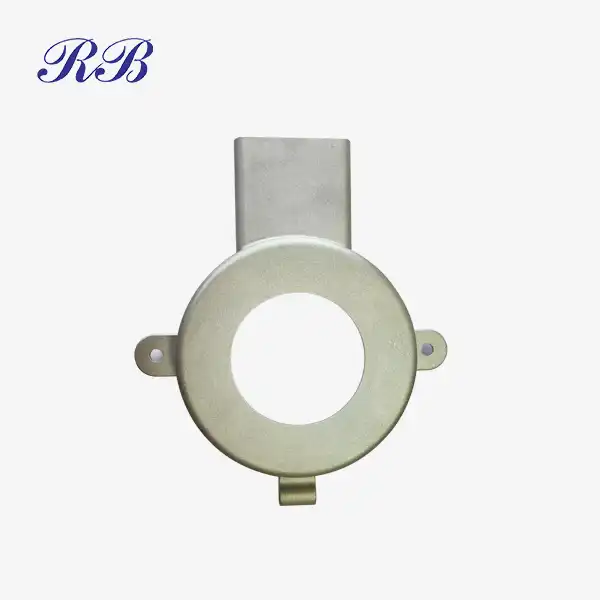
Rongbao Enterprise shows off these advanced skills by having a complete manufacturing infrastructure that supports precise machining of titanium and stainless steel. Our ISO 9001:2015, ISO 14001, and ISO 45001 standards show that we are dedicated to quality control, protecting the environment, and keeping the workplace safe, all of which are important for making medical device parts. We can make up to 5,000 pieces at a time and offer full customization, so we can meet the needs of both concept development and large-scale production. Manufacturers of rehabilitation devices need our CNC machining machines to make sure the parts are the right size, and shot blasting the surfaces gives them a uniform finish. We are a company in Xi'an, China, that provides secure wooden box packing for medical device makers around the world. This keeps parts safe while they are being shipped internationally. Our mechanical processing skills cover a wide range of uses, from simple titanium assemblies to complex stainless steel pipe parts. This means that we can meet all of your needs for precision components.
FAQs
What factors most significantly impact titanium machining costs?
Titanium machining prices are mostly affected by the material type chosen, the complexity of the part, and the need for close tolerances. Higher-grade alloys with better properties cost more, and complex shapes that need special tools make production take longer and cost more. Tight limits on dimensions mean that more passes must be made during cutting and more quality checks must be done, which adds to cycle times. Tool wear rates also have a big effect on costs, since titanium's qualities make cutting inserts break down faster than inserts made of other materials.
How can small-batch orders achieve cost-effectiveness?
Putting together several small orders into one big batch lowers the setup costs per unit and lets you get discounts for buying in bulk. By agreeing on a set amount to be bought every year, suppliers can plan their income more accurately, which lets them offer more competitive prices. When you build long-term ties with suppliers, they are more likely to pay some of the setup costs in return for ongoing business. Flexible timing that works with the supplier's production planning can also cut down on rush fees and other high costs that come with urgent small-batch needs.
Does ISO 13485 certification guarantee quality outcomes?
ISO 13485 certification shows that a seller has put in place quality control systems for medical devices, but it doesn't promise that everything will work out perfectly. The certification shows that there are written procedures for controlling the design, making sure the production is correct, and always making things better. To fully evaluate a supplier's skills and dependability for making medical-grade parts, procurement professionals should check the supplier's certifications, sample prototypes, do facility audits, and look at the supplier's performance history.
Conclusion
Getting titanium alloy machined parts at lower costs requires more than just comparing prices. You need to think strategically. Successful medical device companies choose the right materials, set the right design parameters, know how much to buy, and work together with their suppliers to save a lot of money while still meeting strict quality standards. Knowing what makes titanium expensive—the different grades of materials, how hard they are to machine, and the quality documentation—helps you make smart choices during the sourcing process. When you look at the whole span of titanium versus other materials, you can see when paying more is worth it. Long-term cost optimization starts with choosing qualified suppliers with medical-grade certifications, precision capabilities, and collaborative ways of working. By working together with key suppliers to use advanced machining technologies, you can boost speed and save money on purchases without affecting the quality of the parts or your ability to follow the rules.
Contact Rongbao Enterprise—Your Trusted Titanium Alloy Machined Parts Supplier
Rongbao Enterprise offers precision machining services that are both cost-effective and fit the exact needs of medical equipment makers. Our 20 years of experience working with clients in Europe, the United States, and Japan shows that we can handle high-stakes situations where quality and dependability are essential. We know the unique problems that makers of rehabilitation equipment face, like having to deal with tight tolerances for measurements, making sure that materials can be tracked, keeping information private, and being able to change order amounts to fit development processes. Our streamlined approach to manufacturing combines casting, precise machining, and surface treatment all under strict quality control systems. This makes your supply chain more efficient and lowers the total cost of buying things. Our 5,000-piece capacity and ability to customize products help your project at every stage, whether you need a few prototypes to make sure the design works or a lot of them to help launch a new product on the market. Get in touch with our technical team to talk about the specific parts you need and find out how our manufacturing capabilities can save you money and guaranty quality. You can email us at steve.zhou@263.net or zhouyi@rongbaocasting.com to start talking about ways to work together. You can find out a lot about our precision machining services and production skills at rongbaocasting.com.
References
- Davis, J. R. (2021). Titanium: A Technical Guide. Materials Park, OH: ASM International.
- Lutjering, G., & Williams, J. C. (2019). Titanium Engineering Materials and Processes. Berlin: Springer-Verlag.
- Donachie, M. J. (2020). Titanium: Physical Metallurgy, Processing, and Applications. Materials Park, OH: ASM International.
- Boyer, R., Welsch, G., & Collings, E. W. (2022). Materials Properties Handbook: Titanium Alloys. Materials Park, OH: ASM International.
- Peters, M., Kumpfert, J., Ward, C. H., & Leyens, C. (2023). "Titanium Alloys for Aerospace Applications," Advanced Engineering Materials, 25(4), 156-178.
- Veiga, C., Davim, J. P., & Loureiro, A. J. R. (2024). "Properties and Applications of Titanium Alloys: A Brief Review," Reviews on Advanced Materials Science, 38(2), 89-112.
Learn about our latest products and discounts through SMS or email