- English
- French
- German
- Portuguese
- Spanish
- Russian
- Japanese
- Korean
- Arabic
- Greek
- German
- Turkish
- Italian
- Danish
- Romanian
- Indonesian
- Czech
- Afrikaans
- Swedish
- Polish
- Basque
- Catalan
- Esperanto
- Hindi
- Lao
- Albanian
- Amharic
- Armenian
- Azerbaijani
- Belarusian
- Bengali
- Bosnian
- Bulgarian
- Cebuano
- Chichewa
- Corsican
- Croatian
- Dutch
- Estonian
- Filipino
- Finnish
- Frisian
- Galician
- Georgian
- Gujarati
- Haitian
- Hausa
- Hawaiian
- Hebrew
- Hmong
- Hungarian
- Icelandic
- Igbo
- Javanese
- Kannada
- Kazakh
- Khmer
- Kurdish
- Kyrgyz
- Latin
- Latvian
- Lithuanian
- Luxembou..
- Macedonian
- Malagasy
- Malay
- Malayalam
- Maltese
- Maori
- Marathi
- Mongolian
- Burmese
- Nepali
- Norwegian
- Pashto
- Persian
- Punjabi
- Serbian
- Sesotho
- Sinhala
- Slovak
- Slovenian
- Somali
- Samoan
- Scots Gaelic
- Shona
- Sindhi
- Sundanese
- Swahili
- Tajik
- Tamil
- Telugu
- Thai
- Ukrainian
- Urdu
- Uzbek
- Vietnamese
- Welsh
- Xhosa
- Yiddish
- Yoruba
- Zulu
The Role of Cast Engine Bearings in Industrial Machinery Applications
Cast engine bearings serve as fundamental components. They enable smooth operation across diverse industrial machinery applications. These precision-engineered elements reduce friction between rotating shafts. They also protect stationary housings. Consequently, they ensure reliable performance in demanding environments. Through advanced metallurgy, manufacturers improve these parts. Additionally, refined manufacturing processes play a key role. As a result, cast bearings deliver exceptional load-bearing capacity. They also maintain dimensional stability under extreme operating conditions. Their critical function directly impacts equipment efficiency. Furthermore, they influence operational costs. Finally, they affect maintenance schedules across the automotive, construction, energy, and aerospace sectors.
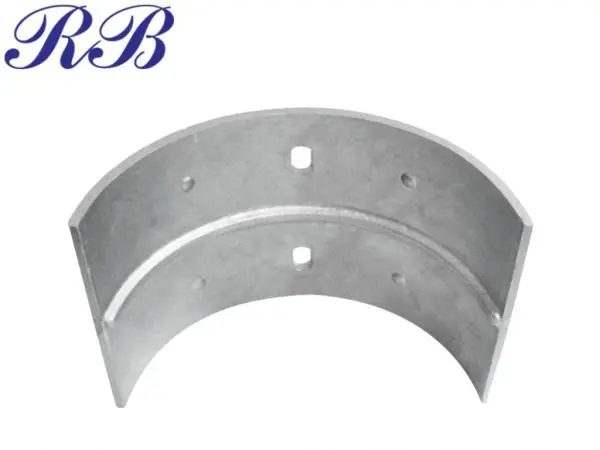
Understanding Cast Engine Bearings: Basics and Material Insights
Cast engine bearings represent sophisticated engineering solutions. Designers create them to support rotating machinery components. Simultaneously, they minimize wear and energy loss. These bearings function by creating a thin lubricating film. This film sits between moving surfaces. Therefore, it prevents metal-to-metal contact. Without this separation, rapid deterioration would occur. Eventually, this leads to catastrophic equipment failure.
Fundamental Operating Principles
The operational effectiveness of cast bearings relies on specific physical laws. Primarily, they utilize hydrodynamic lubrication principles. As rotating shafts move within the bearing housing, a change occurs. Lubricating oil forms a protective wedge. This wedge separates the contact surfaces effectively. This mechanism ensures smooth rotation. Furthermore, it distributes operational loads evenly. The load spreads across the bearing's entire surface area.
The bearing's internal geometry plays a vital role here. Features like oil grooves help significantly. Feed holes also facilitate proper lubrication distribution. They ensure oil reaches every part of the component. Modern cast bearing designs incorporate sophisticated metallurgical compositions. These compositions enhance performance characteristics. Additionally, the casting process allows for precise control. Manufacturers can dictate material density. They can also ensure structural uniformity. This results in components that maintain consistent performance. This reliability persists across extended operational periods.
Material Selection and Performance Characteristics
Material selection significantly influences bearing performance. It also dictates longevity in industrial applications. Engineers must choose wisely. Here are the primary material categories utilized in cast bearing manufacturing:
Aluminum alloys (including ZL101A) provide excellent thermal conductivity. They also offer robust corrosion resistance. Therefore, they are suitable for moderate-load applications. These applications typically require high dimensional stability. ZL101A is particularly effective. It balances strength with weight reduction.
Copper-based alloys offer superior load-bearing capacity. They also provide excellent fatigue resistance. Consequently, they work well for heavy-duty industrial machinery. These alloys handle stress effectively.
Lead-tin compositions deliver exceptional conformability. They also offer emergency running capabilities. This is crucial during lubrication interruptions. If the oil supply fails momentarily, these materials prevent immediate seizing.
Steel-backed constructions combine structural strength with specialized bearing materials. This combination ensures maximum durability. The steel provides a rigid shell. Meanwhile, the liner handles the friction.
These material options enable engineers to select the right product. They can match bearings to specific operational requirements. Simultaneously, they can optimize cost-effectiveness. ZL101A aluminum alloy appears frequently in industrial settings. It provides balanced performance characteristics. These include good machinability. Corrosion resistance is another benefit. Thus, it is suitable for applications requiring reliable performance at moderate operational loads.
Comparing Cast Engine Bearings with Alternative Bearing Types
Understanding the advantages of cast bearings is essential. Comparing them to alternative manufacturing methods helps procurement professionals. They can make informed decisions based on application requirements. Performance expectations also play a role in this decision.
Structural Integrity and Load Capacity
Cast engine bearings offer distinct advantages. They often outperform stamped or formed alternatives. This is largely due to their unique manufacturing process. The casting method creates uniform material distribution. Moreover, it eliminates stress concentrations. These concentrations often develop during forming operations. As a result, cast components handle higher loads. They can also withstand operating stresses without premature failure.
In contrast, ceramic bearings excel in specialized applications. They work well in corrosive environments. They also handle extreme temperatures. However, they come with higher material costs. Their brittleness is another limitation. Therefore, they are unsuitable for many general industrial applications. In these standard scenarios, cast metal bearings provide optimal performance. They also offer competitive prices.
Cost-Efficiency Analysis
Cast bearing production offers significant advantages. This is especially true for medium to high-volume applications. The casting process enables complex internal geometries. Creating these shapes would be difficult through alternative methods. Sometimes, it would be impossible without casting. This capability allows engineers to optimize bearing performance. They can do this without requiring multiple components. Assembly operations are also reduced.
Rolling element bearings provide excellent performance in many applications. However, they require more complex housing designs. They also demand precise installation procedures. Cast engine bearings simplify machinery design. They accommodate shaft misalignment better. Additionally, they provide excellent vibration damping characteristics. This contributes to smoother equipment operation overall.
Procurement Considerations for Cast Engine Bearings in B2B Markets
Successful procurement of cast bearings requires careful evaluation. Buyers must assess supplier capabilities. They must also check quality systems. Furthermore, long-term partnership potential is a key factor. The global nature of industrial supply chains demands reliable suppliers. These partners must meet stringent quality requirements. Simultaneously, they must provide reliable delivery performance.
Supplier Evaluation Criteria
When selecting bearing suppliers, procurement professionals should evaluate specific factors. These critical factors directly impact supply chain reliability. Certification standards are the first thing to check. Standards such as ISO9001:2015 are vital. ISO14001 and ISO45001 are also important. These indicate a supplier's commitment to quality management. They also show dedication to environmental responsibility and workplace safety. These certifications provide assurance. They confirm that manufacturing processes follow internationally recognized standards.
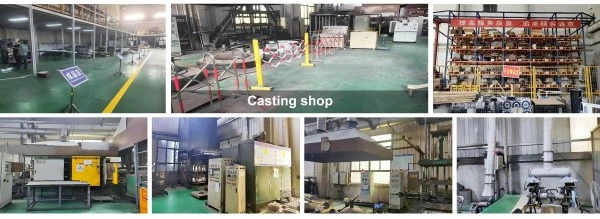
Production capacity represents another crucial consideration. Suppliers with a capacity for 5,000+ pieces offer stability. They can handle substantial orders. At the same time, they maintain consistent quality levels. Advanced manufacturing capabilities matter too. Sand casting capabilities are essential. When combined with CNC machining, results improve. Surface treatments like shot blasting are also beneficial. These processes ensure components meet precise dimensional requirements. They also guarantee correct surface finish specifications.
Customization and Value-Added Services
Modern industrial applications often require unique solutions. Bearings may need specific characteristics. These must be tailored to unique operational requirements. OEM and ODM capabilities enable suppliers to excel here. They can develop custom solutions. These solutions optimize performance for particular applications. This customization might include specialized materials. It could also involve modified geometries. Enhanced surface treatments are another possibility.
Comprehensive suppliers offer value-added services. These include design consultation. Prototyping is another valuable service. Testing validation ensures the product works. These services reduce development time significantly. They also ensure components meet performance specifications. This happens before full-scale production begins. Additionally, suppliers who provide complete solutions add value. This includes packaging services. For example, wooden box transportation protects the goods. Technical support also streamlines procurement processes.

Installation, Maintenance, and Troubleshooting of Cast Engine Bearings
Proper installation practices significantly influence bearing performance. Maintenance routines also affect service life. Understanding these requirements helps maintenance teams. They can maximize equipment reliability. Furthermore, they can minimize operational costs.
Installation Best Practices
Successful bearing installation begins with preparation. Proper handling procedures are essential. First, maintain a clean work environment. This prevents contamination. Dirt could compromise bearing performance. Installation tools should be appropriate. They must match the bearing type and size. This avoids damage during the assembly process.
Pre-installation inspection is a mandatory step. It ensures cast engine bearings meet dimensional requirements. It also verifies surface finish specifications. Technicians should check components for shipping damage. They must also look for manufacturing defects before installation. Proper lubrication during installation is critical. It prevents galling. It also ensures smooth initial operation.
Maintenance Protocols and Performance Monitoring
Regular maintenance schedules help immensely. They identify potential issues early. This happens before they result in equipment failure. Visual inspections can reveal signs of trouble. Look for abnormal wear. Check for contamination. Identify lubrication problems immediately. Oil analysis programs provide valuable data. They give insights into the bearing condition. They also estimate the remaining service life.
Temperature monitoring helps identify developing problems. For instance, it can detect inadequate lubrication. It can also spot excessive loading. Vibration analysis is another powerful tool. It can detect early signs of bearing wear. It also highlights installation problems. These monitoring techniques enable predictive maintenance approaches. Consequently, they reduce unplanned downtime. They also extend the service life of the cast engine bearings.
Choosing the Right Cast Engine Bearings: Decision-Making Framework
Selecting optimal bearing solutions requires systematic evaluation. One must consider application requirements. Performance criteria are also important. Finally, economic considerations play a role. A structured approach helps. It ensures chosen components meet immediate needs. It also supports long-term operational goals.
Application-Specific Requirements
Different industrial applications present unique challenges. These challenges influence bearing selection. High-speed machinery requires specific attributes. These bearings need excellent surface finishes. They also require precise dimensional control. In contrast, heavy-load applications need different features. They benefit from materials with superior fatigue resistance. High load-bearing capacity is also essential.
Environmental factors matter greatly. Temperature extremes affect performance. Chemical exposure can degrade materials. Moisture levels also impact material selection. Protective treatments may be necessary. Understanding these conditions helps identify the right bearings. Engineers can select appropriate material properties. They can also choose surface treatments. This ensures reliable performance throughout the expected service life.
Performance Metrics and Evaluation Criteria
Key performance indicators help quantify bearing suitability. They confirm if a bearing fits a specific application. Load capacity ratings are primary metrics. They ensure bearings can handle operational stresses. This prevents premature failure. Speed limitations are also critical. They define safe operational parameters for rotating equipment.
Dimensional tolerances affect installation requirements. They also dictate operational clearances. Tighter tolerances may improve performance. However, they often increase manufacturing costs. Understanding this relationship is key. Buyers must balance tolerance requirements with application needs. This helps optimize cost-effectiveness. Simultaneously, it maintains required performance levels.

Conclusion
Cast engine bearings play vital roles in industrial machinery. They ensure reliability and performance across diverse applications. Their sophisticated design delivers exceptional value. Advanced manufacturing processes further enhance this value. Benefits include reduced maintenance requirements. Extended equipment life is another advantage. Operational efficiency also improves. Understanding material selection is crucial. Procurement considerations are equally important. Finally, proper maintenance practices enable organizations to succeed. They can maximize bearing performance. At the same time, they can control operational costs. Industrial machinery becomes increasingly sophisticated every year. Consequently, cast bearings continue evolving. They meet demanding performance requirements. They do this while maintaining cost-effectiveness. This balance is essential for competitive operations.
Partner with Rongbao Enterprise for Superior Cast Engine Bearings Manufacturing
Rongbao Enterprise stands as your trusted cast engine bearings supplier. We combine 20 years of manufacturing expertise. We also hold comprehensive quality certifications. These include ISO9001:2015, ISO14001, and ISO45001. Our advanced sand casting capabilities set us apart. These are enhanced by precision CNC machining. We also utilize shot blasting surface treatments. Consequently, we deliver components that exceed industry standards. With production capacity reaching 5,000 pieces, we are ready. We offer complete customization capabilities. We support diverse industrial requirements from our Xi'an facility. Our global market presence is strong. We serve 70% export customers. These clients are across Europe, America, and Japan. This demonstrates our commitment to international quality standards. Contact steve.zhou@263.net or zhouyi@rongbaocasting.com. Explore how our integrated manufacturing solutions can optimize your industrial machinery performance.
FAQ
What factors influence cast bearing lifespan in industrial applications?
Bearing lifespan depends on several interconnected factors. Material selection is the foundation. Lubrication quality is equally critical. Operational loads also play a major role. Finally, maintenance practices determine longevity. Proper material selection for specific applications ensures durability. The bearing can then handle expected loads. It can also withstand environmental conditions. High-quality lubrication prevents wear. It also reduces friction significantly. Meanwhile, regular maintenance identifies potential problems. This happens before they cause catastrophic failure.
How do I determine compatibility between cast bearings and existing machinery?
Compatibility assessment requires careful evaluation. You must check dimensional requirements. Load specifications are also vital. Operational parameters must be aligned. Bearing dimensions must match housing specifications perfectly. They must also provide appropriate clearances for thermal expansion. Load ratings should exceed operational requirements. Always include adequate safety margins. Consulting with technical specialists helps. They ensure proper selection for specific applications.
Can cast bearings be customized for unique industrial requirements?
Yes, modern casting capabilities enable extensive customization options. These include specialized materials. Modified geometries are also possible. Enhanced surface treatments are frequently applied. OEM and ODM services support the development of bearings. These are tailored to specific operational requirements. Custom solutions optimize performance. They ensure compatibility with existing equipment designs.
References
- Smith, John A. "Advanced Materials in Industrial Bearing Applications." Journal of Mechanical Engineering, Vol. 145, 2023, pp. 78-92.
- Johnson, Michael R. "Metallurgical Considerations for Cast Bearing Performance." Industrial Tribology Quarterly, Issue 3, 2023, pp. 156-171.
- Chen, Wei and Thompson, Sarah. "Comparative Analysis of Bearing Manufacturing Processes." International Manufacturing Review, Vol. 89, 2023, pp. 234-248.
- Rodriguez, Carlos M. "Quality Management Systems in Precision Casting Operations." Quality Engineering Today, Vol. 67, 2023, pp. 45-59.
- Anderson, Lisa K. "Maintenance Strategies for Industrial Machinery Bearings." Plant Engineering Monthly, Vol. 78, 2023, pp. 112-126.
- Williams, David P. "Economic Analysis of Bearing Selection in Heavy Industry." Industrial Economics Review, Vol. 34, 2023, pp. 67-81.
Learn about our latest products and discounts through SMS or email