- English
- French
- German
- Portuguese
- Spanish
- Russian
- Japanese
- Korean
- Arabic
- Greek
- German
- Turkish
- Italian
- Danish
- Romanian
- Indonesian
- Czech
- Afrikaans
- Swedish
- Polish
- Basque
- Catalan
- Esperanto
- Hindi
- Lao
- Albanian
- Amharic
- Armenian
- Azerbaijani
- Belarusian
- Bengali
- Bosnian
- Bulgarian
- Cebuano
- Chichewa
- Corsican
- Croatian
- Dutch
- Estonian
- Filipino
- Finnish
- Frisian
- Galician
- Georgian
- Gujarati
- Haitian
- Hausa
- Hawaiian
- Hebrew
- Hmong
- Hungarian
- Icelandic
- Igbo
- Javanese
- Kannada
- Kazakh
- Khmer
- Kurdish
- Kyrgyz
- Latin
- Latvian
- Lithuanian
- Luxembou..
- Macedonian
- Malagasy
- Malay
- Malayalam
- Maltese
- Maori
- Marathi
- Mongolian
- Burmese
- Nepali
- Norwegian
- Pashto
- Persian
- Punjabi
- Serbian
- Sesotho
- Sinhala
- Slovak
- Slovenian
- Somali
- Samoan
- Scots Gaelic
- Shona
- Sindhi
- Sundanese
- Swahili
- Tajik
- Tamil
- Telugu
- Thai
- Ukrainian
- Urdu
- Uzbek
- Vietnamese
- Welsh
- Xhosa
- Yiddish
- Yoruba
- Zulu
How to Specify Valve Body Castings for High-Pressure Applications?
Specifying valve body castings for high-pressure applications requires careful consideration. You must analyze material selection, manufacturing processes, and quality standards. Valve body components must withstand extreme pressures. At the same time, they must maintain structural integrity and operational reliability. Key factors include choosing appropriate alloy materials and implementing proper casting techniques. Furthermore, ensuring compliance with industry certifications is vital. This guarantees performance in demanding environments.
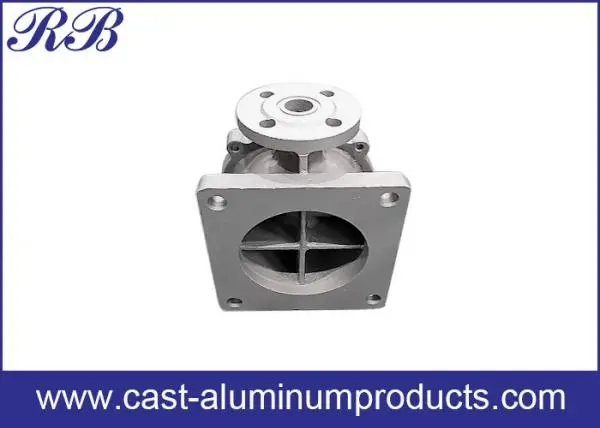
Understanding Valve Body Casting for High-Pressure Applications
Valve body casting represents a critical manufacturing process. It forms the foundation of reliable valve systems. These systems often operate under extreme pressure conditions. Specifically, this specialized casting technique creates robust components. These parts are capable of withstanding intense operational stresses. Additionally, they maintain precise dimensional accuracy and surface quality.
High-pressure environments demand more than standard manufacturing methods. Consequently, the casting process must eliminate internal voids. Even microscopic defects can lead to catastrophic failure. Therefore, engineers prioritize density and uniformity. A high-quality valve body casting ensures the safety of the entire piping system. Moreover, it extends the service life of the machinery. Ultimately, understanding these fundamentals helps buyers make informed decisions.
Material Selection for High-Pressure Performance
Selecting appropriate materials impacts the performance characteristics of cast valve bodies significantly. This is especially true in high-pressure environments. Engineers must balance strength, durability, and cost.
Stainless steel grades offer exceptional corrosion resistance. Additionally, they provide high mechanical strength. This makes them ideal for chemical processing. They are also perfect for marine applications. On the other hand, ductile iron provides superior tensile strength. It also offers excellent impact resistance. Therefore, it is particularly suitable for heavy-duty industrial valve systems.
Aluminum alloy 356 is another popular choice. Manufacturers commonly use it in fire pump connectors. It is also used in similar applications. This alloy delivers excellent casting properties. Furthermore, it combines these with adequate strength-to-weight ratios. This material exhibits good machinability. It also shows strong corrosion resistance. Thus, it is valuable for applications requiring both performance and cost-effectiveness. The material's thermal conductivity is another benefit. It contributes to efficient heat dissipation in high-pressure systems.
Casting Process Technologies
Modern casting techniques enable the production of complex valve body geometries. Simultaneously, they maintain the structural integrity required for high-pressure applications. Different methods offer unique advantages.
Sand casting provides flexibility. It is excellent for large components. It also handles complex internal passages well. In contrast, investment casting delivers a superior surface finish. It also offers high dimensional precision. Therefore, engineers often choose it for critical applications.
Gravity Casting Advantages
Gravity casting processes offer excellent control. Specifically, they manage metal flow and solidification effectively. This control reduces the risk of internal defects. Such defects could otherwise compromise pressure resistance. Consequently, the final product is denser and stronger.
Advanced casting simulation software helps too. It allows engineers to optimize gating systems. It also improves cooling patterns. As a result, this minimizes porosity. It also reduces shrinkage defects. These issues could otherwise lead to failure under pressure.
Criteria for Specifying Valve Body Castings in High-Pressure Applications
Procurement professionals must evaluate multiple technical factors. They must also consider commercial factors. This is crucial when specifying valve body casting components for high-pressure service. These criteria ensure that selected components meet performance requirements. Furthermore, they secure long-term reliability expectations.
Material Properties and Performance Standards
High-pressure applications demand materials with specific mechanical properties. These include tensile strength and yield strength. Fatigue resistance is also critical. The material must demonstrate consistent performance. This must occur across the expected temperature range. Additionally, it must maintain chemical compatibility with the process media.
Corrosion resistance becomes particularly important in aggressive environments. Chemical attacks could weaken the valve body structure over time. Therefore, material certification documentation is mandatory. It should include chemical composition analysis. It must also feature mechanical testing results. Finally, compliance with relevant ASTM or ISO material standards is essential.
Quality Assurance and Testing Requirements
Comprehensive quality control measures ensure success. They verify that cast valve bodies meet specified performance criteria. Non-destructive testing (NDT) methods are vital. For instance, X-ray inspection detects deep flaws. Ultrasonic testing identifies structural inconsistencies. Additionally, magnetic particle inspection finds surface cracks. These methods detect internal defects that could compromise pressure integrity.
Dimensional inspection is another key step. Inspectors use coordinate measuring machines (CMM). This verifies that critical features meet specified tolerances. Subsequently, pressure testing validates the completed valve body. It proves the ability to withstand design pressures. This usually involves appropriate safety margins. Documentation of all testing results provides traceability. It also offers quality assurance for procurement records.
Manufacturing Considerations
Production capacity significantly influences supplier selection. It also impacts project planning. Manufacturing facilities must demonstrate capability. They must produce the required quantities within specified timeframes. Furthermore, they must maintain consistent quality standards.
Minimum order quantities often affect unit pricing. They also influence inventory planning strategies. However, flexibility is key. Suppliers offering production capacities of 5000 pieces or more provide advantages. They allow for both prototype development and full-scale production. This scalability supports project growth.
How to Choose the Right Valve Body Casting Supplier for High-Pressure Applications?
Supplier selection critically impacts product quality. It also affects delivery reliability. Moreover, it defines the total cost of ownership for valve body casting projects. Comprehensive evaluation criteria help identify partners. These partners must be capable of meeting technical requirements. They must also meet commercial objectives.
Certification and Quality Management
Reliable suppliers maintain comprehensive quality management systems. These systems should be certified to international standards. ISO 9001:2015 certification is a must. It demonstrates a commitment to consistent quality management practices. In addition, ISO 14001 certification indicates environmental responsibility. ISO 45001 certification shows workplace safety compliance.
Manufacturing facilities should implement statistical process control methods. They must also maintain detailed quality records. This applies to all production batches. Furthermore, supplier quality audits are necessary. They verify that staff follows documented procedures. They also ensure corrective action systems address quality issues promptly.
Technical Capabilities and Equipment
Advanced manufacturing capabilities enable suppliers to excel. They can handle complex casting requirements. They can also meet tight tolerance specifications. Automated casting equipment provides consistency. It also ensures repeatability. Meanwhile, comprehensive testing facilities ensure quality verification. This occurs throughout the production process.
Surface treatment capabilities are also important. Methods like shot blasting enhance component durability. They also improve appearance. Furthermore, they prepare surfaces for subsequent operations. Integrated CNC machining capabilities are a bonus. They allow suppliers to deliver finished components. These parts are ready for assembly. Consequently, this reduces supply chain complexity.
Geographic and Logistics Considerations
Supplier location affects lead times. It also impacts shipping costs and communication efficiency. However, global sourcing offers benefits. Chinese manufacturers often provide competitive pricing. They also offer comprehensive capabilities. Importantly, they maintain quality standards comparable to other global sources.
Transportation packaging is crucial. Secure wooden boxes protect components. This is vital during international shipping. It also meets customs and handling requirements. Reliable logistics partners ensure predictable delivery schedules. Furthermore, they handle proper documentation for international transactions.
Our Expertise and Offerings in Valve Body Casting
Rongbao Enterprise brings twenty years of specialized experience. We excel in valve body casting for high-pressure applications. We serve clients across the automotive sector. We also support construction machinery and industrial equipment sectors. Our comprehensive manufacturing capabilities span the complete production cycle. This ranges from initial design consultation to final component delivery.
Advanced Manufacturing Technologies
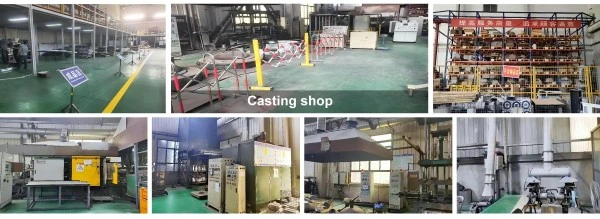
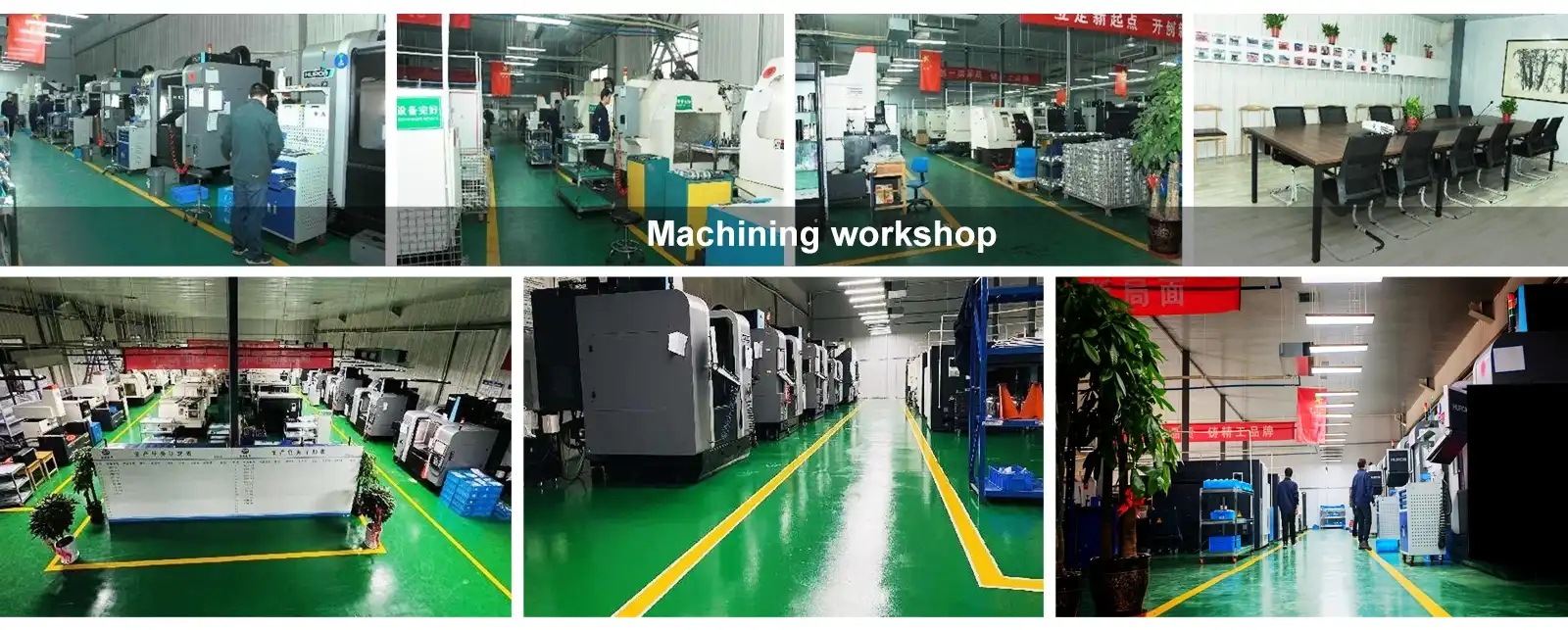
Our production facilities feature state-of-the-art casting equipment. We are capable of handling diverse materials. We also manage complex geometries with ease. We utilize high-pressure die casting and low-pressure die casting. Additionally, we use gravity casting processes. This variety provides flexibility. We can optimize manufacturing methods for specific component requirements.
Precision CNC machining capabilities are a core strength. We ensure that critical dimensions meet specifications. Surface finishes also meet the most demanding standards. Furthermore, our shot blasting facilities provide consistent surface preparation. They ensure high finish quality. Meanwhile, comprehensive testing equipment validates dimensional accuracy. It also verifies material properties.
Quality Assurance and Certifications
We prioritize quality above all else. Our quality management systems are certified to ISO 9001:2015. We also hold ISO 14001 and ISO 45001 certifications. These standards ensure consistent processes. They also drive continuous improvement. Our full-chain quality control system monitors every production stage. This starts from raw material inspection. It continues through to final component verification.
Advanced testing capabilities set us apart. We use non-destructive inspection methods. These provide comprehensive quality validation. Additionally, statistical process control methods track production trends. This enables proactive quality management. As a result, we ensure batch-to-batch consistency.
Customization and Service Capabilities
Our OEM and ODM services provide value. We offer complete customization capabilities. These cater to unique application requirements. Engineering support is also available. This includes design for manufacturability consultation. We also offer material selection guidance. Furthermore, we provide process optimization recommendations.
Our production capacity supports growth. We can handle 5000 pieces or more. This supports both prototype development and full-scale production requirements. Flexible specifications accommodate customer-specific needs. We do this while maintaining cost-effectiveness. We also strictly uphold quality standards.
Conclusion
Specifying valve body casting products for high-pressure applications requires diligence. You need a careful balance of material properties. You must also consider manufacturing processes and quality assurance measures. Success depends on selecting the right suppliers. You should look for partners with proven capabilities in advanced casting technologies. Comprehensive quality systems are also non-negotiable. Furthermore, reliable delivery performance is essential.
Ultimately, the investment in proper specification pays dividends. It leads to improved component reliability. It also results in reduced maintenance costs. Finally, it ensures enhanced system performance throughout the operational lifecycle.
Partner with Rongbao Enterprise for Superior Valve Body Casting Solutions
Rongbao Enterprise delivers comprehensive solutions. We engineer valve body casting products for high-pressure applications. We serve global markets with pride. Our advanced manufacturing capabilities distinguish us. Our certified quality systems protect your interests. Furthermore, our extensive experience makes us a preferred partner. We are the supplier of choice for demanding industrial applications.
Contact our technical team at steve.zhou@263.net and zhouyi@rongbaocasting.com. We are ready to discuss your specific requirements. We will also provide detailed quotations. Our engineering expertise ensures success. Our production capacity guarantees reliable delivery. We provide customized components that meet the most stringent performance standards.
FAQ
Q1: What materials work best for high-pressure valve body castings?
Stainless steel grades are excellent choices. Ductile iron is also highly effective. Both provide excellent strength. They also offer corrosion resistance for demanding applications. Alternatively, Aluminum alloy 356 offers good performance. It works well for moderate pressure applications. It does so while maintaining cost-effectiveness and excellent casting properties.
Q2: How do I evaluate supplier quality and reliability?
First, look for suppliers with ISO 9001:2015 certifications. Check for ISO 14001 and ISO 45001 as well. Next, verify their testing capabilities. Ensure they have X-ray inspection and dimensional measurement equipment. Finally, review customer references. You should also request sample components for evaluation.
Q3: What production lead times should I expect?
Typical lead times range from 4 to 8 weeks. This depends on complexity. It also depends on quantity requirements. However, larger suppliers often perform better. Suppliers with a production capacity of 5000 pieces or more generally offer advantages. They provide more predictable scheduling. They also offer shorter lead times for standard specifications.
Q4: What surface treatment options enhance performance?
Shot blasting provides excellent surface preparation. It removes surface impurities effectively. Additionally, it improves fatigue resistance. Other treatments are available too. Coating or plating may be specified. These choices depend on environmental requirements and service conditions.
References
American Society for Testing and Materials. "Standard Specification for Steel Castings for High-Temperature Service." ASTM International Standards for Materials and Manufacturing.
International Organization for Standardization. "Quality Management Systems Requirements for Automotive Production and Service Organizations." ISO Technical Standards Documentation.
Foundry Industry Association. "High-Pressure Valve Body Design and Manufacturing Guidelines." Industrial Casting Technical Publications.
Society of Automotive Engineers. "Material Specifications for High-Pressure Hydraulic Components." SAE International Technical Papers.
American Foundry Society. "Quality Control Methods for Precision Casting Applications." AFS Research and Technical Publications.
International Association of Classification Societies. "Approval Standards for Marine Valve Components." IACS Technical Requirements and Guidelines.

Learn about our latest products and discounts through SMS or email