- English
- French
- German
- Portuguese
- Spanish
- Russian
- Japanese
- Korean
- Arabic
- Greek
- German
- Turkish
- Italian
- Danish
- Romanian
- Indonesian
- Czech
- Afrikaans
- Swedish
- Polish
- Basque
- Catalan
- Esperanto
- Hindi
- Lao
- Albanian
- Amharic
- Armenian
- Azerbaijani
- Belarusian
- Bengali
- Bosnian
- Bulgarian
- Cebuano
- Chichewa
- Corsican
- Croatian
- Dutch
- Estonian
- Filipino
- Finnish
- Frisian
- Galician
- Georgian
- Gujarati
- Haitian
- Hausa
- Hawaiian
- Hebrew
- Hmong
- Hungarian
- Icelandic
- Igbo
- Javanese
- Kannada
- Kazakh
- Khmer
- Kurdish
- Kyrgyz
- Latin
- Latvian
- Lithuanian
- Luxembou..
- Macedonian
- Malagasy
- Malay
- Malayalam
- Maltese
- Maori
- Marathi
- Mongolian
- Burmese
- Nepali
- Norwegian
- Pashto
- Persian
- Punjabi
- Serbian
- Sesotho
- Sinhala
- Slovak
- Slovenian
- Somali
- Samoan
- Scots Gaelic
- Shona
- Sindhi
- Sundanese
- Swahili
- Tajik
- Tamil
- Telugu
- Thai
- Ukrainian
- Urdu
- Uzbek
- Vietnamese
- Welsh
- Xhosa
- Yiddish
- Yoruba
- Zulu
Pressure Testing Standards for Cast Elbow Pipe Fittings
Pressure testing standards for cast elbow pipe fittings serve as critical benchmarks. These benchmarks define how experts validate these components. Specifically, they ensure the fittings withstand operational stresses in demanding industrial environments. These standards include ASME B16.9, ISO 9001, and API specifications. They ensure reliability, safety, and regulatory compliance across automotive sectors. They also cover construction, energy, and aerospace industries. Understanding these frameworks becomes essential for procurement managers. It is also vital for engineers who must select fittings. These fittings must perform consistently under pressure. Simultaneously, they must meet stringent quality requirements for applications ranging from hydraulic systems to complex pipeline networks.

Understanding Pressure Testing Standards for Cast Elbow Pipe Fittings
Pressure testing standards establish comprehensive protocols. These protocols govern how cast elbow pipe fittings undergo validation. This happens before deployment in critical applications. These standards encompass material specifications and dimensional tolerances. Furthermore, they include performance criteria that ensure consistent quality across global manufacturing operations.
ASME B16.9 and International Compliance Requirements
The American Society of Mechanical Engineers (ASME) B16.9 standard provides detailed specifications. It covers factory-made wrought steel butt-welding fittings. This includes cast elbows used in pressure piping systems. This standard defines dimensional requirements. It also outlines material properties and testing procedures. Manufacturers must follow these to ensure product reliability. Cast elbow pipe fittings manufactured under ASME B16.9 guidelines undergo rigorous pressure testing. Technicians test them at 1.5 times their rated working pressure. They maintain this pressure for specific durations. This verifies structural integrity effectively.
ISO 9001 quality management systems complement ASME standards. They establish systematic approaches to manufacturing consistency. They also drive continuous improvement. Manufacturers certified under ISO 9001 demonstrate their capability. They consistently produce cast elbow pipe fittings that meet customer requirements. Additionally, they meet regulatory standards. This certification provides procurement professionals with confidence. They trust in supplier reliability and quality assurance processes.
API Specifications for Energy Sector Applications
American Petroleum Institute (API) specifications address unique requirements. These apply to cast elbow fittings used in oil, gas, and petrochemical applications. API 5L covers line pipe specifications. Meanwhile, API 6D addresses pipeline valve requirements. These standards ensure that cast elbow components can withstand extreme pressures. They also handle corrosive environments. Furthermore, they manage temperature variations typical in energy sector operations. Compliance with API specifications becomes mandatory. This applies to equipment used in upstream, midstream, and downstream petroleum operations.
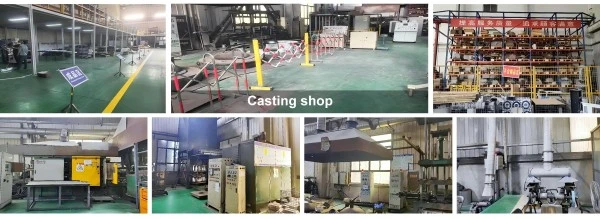
Key Factors Affecting Pressure Testing of Cast Elbow Pipe Fittings
Several interconnected factors significantly influence pressure testing outcomes. They also affect the performance characteristics of cast elbow pipe fittings. Understanding these variables helps procurement teams. It also aids engineers in making informed decisions about component selection. Moreover, it clarifies application suitability.
Material Composition and Metallurgical Properties
Material selection profoundly impacts pressure testing results. It also influences the long-term performance of cast elbow fittings. ZL101A aluminum alloy is a common choice. Engineers use it in water drop channel applications. It offers excellent corrosion resistance. Additionally, it provides lightweight properties. At the same time, it maintains sufficient strength for moderate pressure applications. This aluminum-silicon alloy provides superior castability. It also offers dimensional stability. Consequently, it is ideal for precision components requiring consistent performance.
Ductile iron and stainless steel alternatives offer different benefits. They provide higher pressure ratings. However, they come with increased weight and cost considerations. Carbon steel cast elbows excel in high-pressure applications. Yet, they require protective coatings. These prevent corrosion in aggressive environments. Material choice directly affects pressure capacity. Specifically, tensile strength and yield strength properties determine maximum allowable working pressures. This applies during both testing and operation.
Dimensional Parameters and Design Considerations
Pipe diameter and elbow angle represent critical dimensional parameters. Wall thickness is also vital. These factors influence pressure distribution. They also affect stress concentration within cast elbow pipe fittings. Larger diameter fittings generally require thicker walls. This maintains equivalent pressure ratings. In contrast, sharp radius elbows concentrate stresses more than long radius configurations. Standard elbow angles include 45-degree and 90-degree configurations. However, custom angles are available for specialized applications.
Wall thickness calculations follow established formulas. These account for material properties. They also consider operating pressure and safety factors. Sand casting processes enable precise control. They ensure wall thickness uniformity. This reduces stress concentrations. Otherwise, these concentrations could lead to premature failure during pressure testing. CNC machining capabilities allow manufacturers to achieve tight dimensional tolerances. These are essential for proper fit and pressure containment in critical applications.
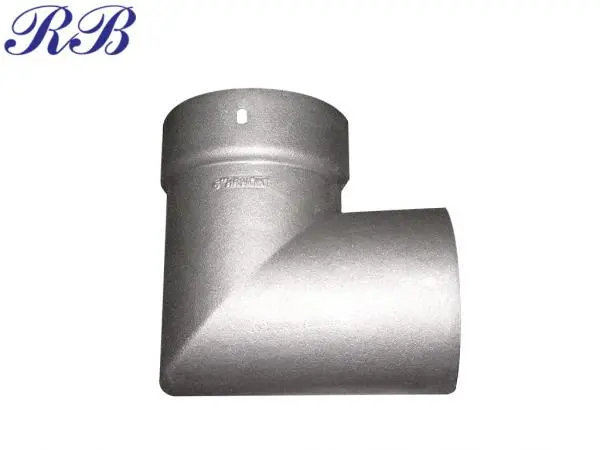
Implementing Pressure Testing: Step-by-Step Procedure for Cast Elbow Pipes
Comprehensive pressure testing procedures ensure safety. They verify that cast elbow pipe fittings meet performance specifications. This must happen before installation in critical applications. These procedures follow standardized protocols. These protocols provide consistent, reliable results across different testing facilities. They also ensure consistency between different operators.
Pre-Testing Inspection and Preparation
Initial inspection procedures examine cast elbow fittings closely. Inspectors look for visible defects. They check dimensional accuracy and surface finish quality. Visual inspection identifies potential stress concentrators. These include porosity, inclusions, or machining marks. Such defects could affect pressure performance. Dimensional verification ensures that fittings meet specified tolerances. This includes checks for diameter, wall thickness, and angular measurements.
Surface preparation involves cleaning internal and external surfaces. This removes any contaminants. Contaminants could interfere with testing accuracy. Shot blasting surface treatment enhances surface finish. Additionally, it reveals any subsurface defects. These might not be visible during the initial inspection. This preparation phase establishes baseline conditions. These conditions are necessary for accurate pressure testing results.
Hydrostatic Testing Protocols
Hydrostatic testing represents the most common pressure testing method. It is the standard for cast elbow pipe fittings due to its safety advantages. It also delivers accurate results. This procedure involves filling the fitting with water. Alternatively, technicians use another suitable test medium. They gradually increase pressure to specified test levels. Test pressure typically ranges from 1.5 to 2.0 times the rated working pressure. This depends on applicable standards and specific application requirements.
Pressure holding periods allow sufficient time. This time is for stress relaxation and leak detection. Periods typically range from 30 seconds to several minutes. This depends on component size and pressure level. Leak detection methods include visual inspection for weepage. Technicians also monitor pressure gauges for pressure drops. Ultrasonic testing checks for internal crack propagation. Documentation requirements capture test parameters and results. They also record any observations relevant to component quality and performance.

Best Practices and Industry Recommendations for Pressure Testing Cast Elbow Pipe Fittings
Industry best practices evolve continuously. This happens as manufacturing technologies advance. Application requirements also become more demanding. Staying current with these recommendations helps procurement professionals. It also assists engineers. They can select suppliers and products that deliver superior performance. Furthermore, they ensure reliability.
Quality Assurance and Supplier Certification
Selecting suppliers with comprehensive quality management systems reduces risks. It minimizes issues associated with inconsistent pressure testing results. It also improves component reliability. ISO9001:2015 certification is key. ISO14001 and ISO45001 are also important. These demonstrate systematic approaches to quality management. They show commitment to environmental responsibility. They also highlight occupational health and safety compliance. These certifications provide assurance. They verify that suppliers maintain consistent processes. They also prove continuous improvement practices are in place.
Regular supplier audits help maintain standards. Performance monitoring is also crucial throughout long-term supply relationships. Suppliers with 20 years of industry experience bring valuable expertise. Established track records in serving automotive markets are a plus. Experience in construction and energy markets adds value too. This expertise helps solve complex procurement challenges. International market presence is another indicator. Activity in Europe, America, and Japan shows capability. It indicates the ability to meet diverse regulatory requirements. It also shows they meet high quality expectations.
Technology Integration and Process Optimization
Advanced manufacturing technologies enable more precise pressure testing. They also improve component performance. Automated testing equipment reduces human error. It also provides detailed data collection. Analysis capabilities are enhanced as well. Integration of NDT (Non-Destructive Testing) methods is beneficial. Methods such as X-ray and ultrasonic testing help. Magnetic particle inspection is another useful tool. These enhance defect detection capabilities beyond traditional pressure testing.
Full-chain quality control systems monitor every production step. This starts from raw material receipt. It continues through finished product delivery. This ensures consistent component quality. These systems enable traceability. They also allow for rapid response to quality issues. This supports continuous improvement initiatives. These initiatives benefit both suppliers and customers. Wooden box packaging protects components during transportation. This maintains dimensional accuracy. It also preserves surface finish quality.
Conclusion
Pressure testing standards for cast elbow pipe fittings provide essential frameworks. These frameworks ensure component reliability. They also guarantee safety across diverse industrial applications. Understanding these standards is vital. Knowledge of factors affecting testing outcomes is also important. Knowing implementation procedures enables informed procurement decisions. These decisions balance performance requirements with cost considerations. Cast elbow pipe fittings manufactured using sand casting processes offer value. Finishing with CNC machining and shot blasting adds to this value. They offer compelling combinations of quality and customization capability. Economic value is also high. Successful implementation requires careful supplier selection. It demands adherence to established testing protocols. Finally, ongoing quality management practices support long-term operational success.
Partner with Rongbao Enterprise for Superior Cast Elbow Pipe Solutions
Rongbao Enterprise delivers exceptional cast elbow pipe fittings. Our products exceed international pressure testing standards. We achieve this through advanced sand casting. Precision CNC machining is also a key part of our process. Comprehensive quality assurance backs everything we do. Our ISO-certified manufacturing facility in Xi'an produces custom components. We use ZL101A aluminum alloy. We also use other high-performance materials. We support production capacities up to 5000 pieces. We provide reliable wooden box packaging for global delivery. Contact steve.zhou@263.net and zhouyi@rongbaocasting.com. Let us discuss your specific requirements. Discover how our 20 years of industry expertise can optimize your procurement strategy.
FAQ
Q1: What is the difference between hydrostatic and pneumatic pressure testing for cast elbow fittings?
Hydrostatic testing uses water or other liquids as the test medium. This provides safer testing conditions. This is due to the incompressible nature of liquids. Pneumatic testing uses air or gas. Gas stores more energy. Therefore, it presents higher safety risks. However, it may be necessary for certain applications. For example, where liquid contamination must be avoided completely.
Q2: How often should cast elbow pipe fittings undergo pressure testing during operation?
Initial pressure testing occurs during manufacturing. It also happens during installation phases. Operational pressure testing schedules depend on application criticality. Environmental conditions also play a role. Regulatory requirements dictate intervals as well. Many industries recommend annual pressure testing for critical applications. Some suggest biennial testing. Less critical systems may extend testing intervals. This is usually based on risk assessment results.
Q3: Can custom cast elbow specifications affect pressure testing requirements?
Yes, custom specifications may require modified testing protocols. These address unique design features. They also cover specific materials or application requirements. Suppliers with OEM/ODM capabilities can develop specific procedures. These application-specific testing procedures ensure component performance. They do so while meeting relevant industry standards. They also satisfy customer specifications.
References
- American Society of Mechanical Engineers. "ASME B16.9-2018: Factory-Made Wrought Buttwelding Fittings." ASME International Standards, 2018.
- International Organization for Standardization. "ISO 9001:2015 Quality Management Systems - Requirements." ISO Publications, 2015.
- American Petroleum Institute. "API Specification 5L: Specification for Line Pipe." API Publishing Services, 2018.
- American Society for Testing and Materials. "ASTM A234/A234M-19: Standard Specification for Piping Fittings of Wrought Carbon Steel and Alloy Steel for Moderate and High Temperature Service." ASTM International, 2019.
- British Standards Institution. "BS EN 10253-2:2007: Butt-welding pipe fittings. Non-alloy and ferritic alloy steels with specific inspection requirements." BSI Standards Publication, 2007.
- China National Standards. "GB/T 12459-2017: Steel butt-welding pipe fittings." Standards Press of China, 2017.
Learn about our latest products and discounts through SMS or email