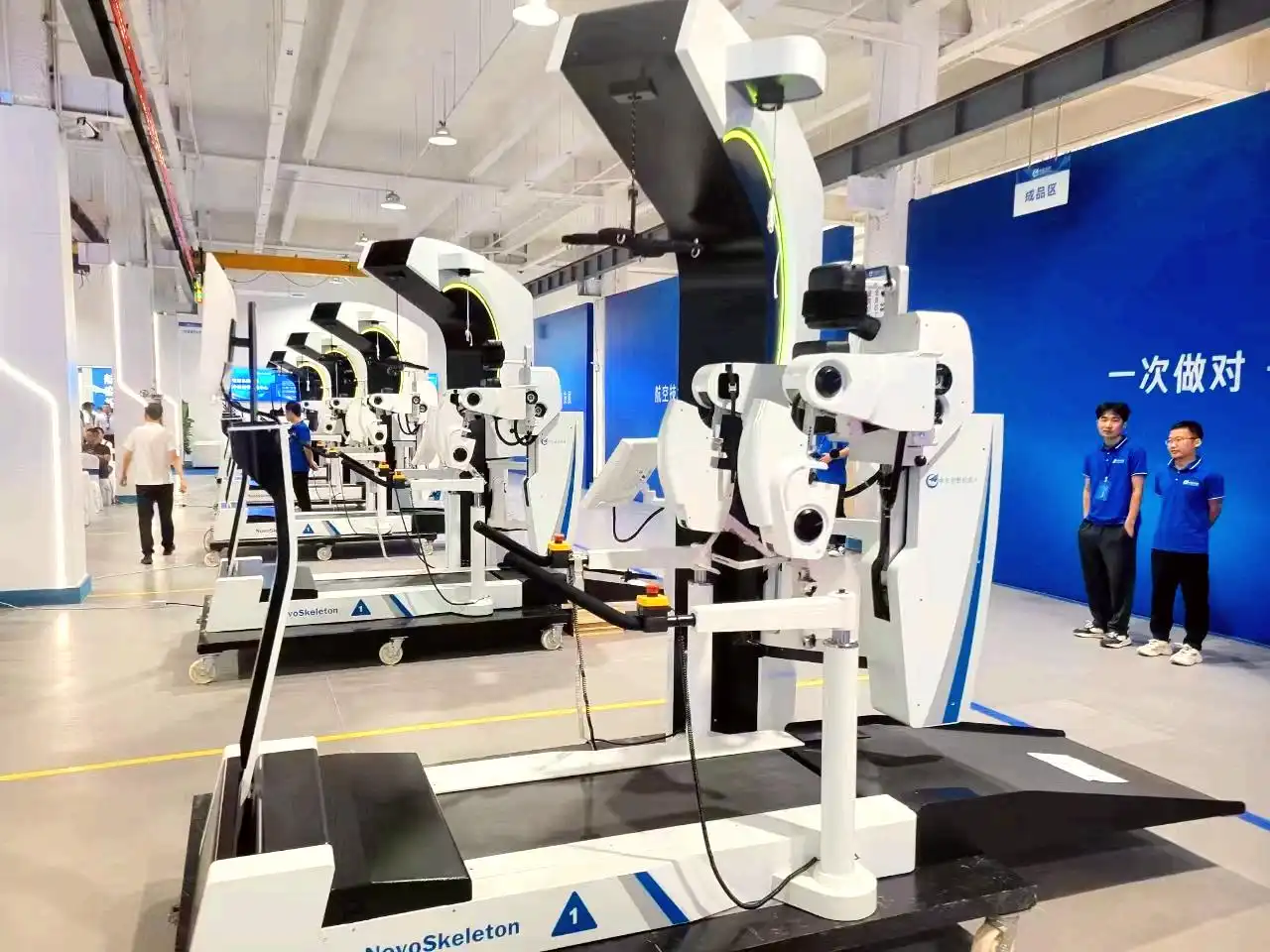
Mechanical Design and Degrees of Freedom (DOF)
Structural Components and Material Selection
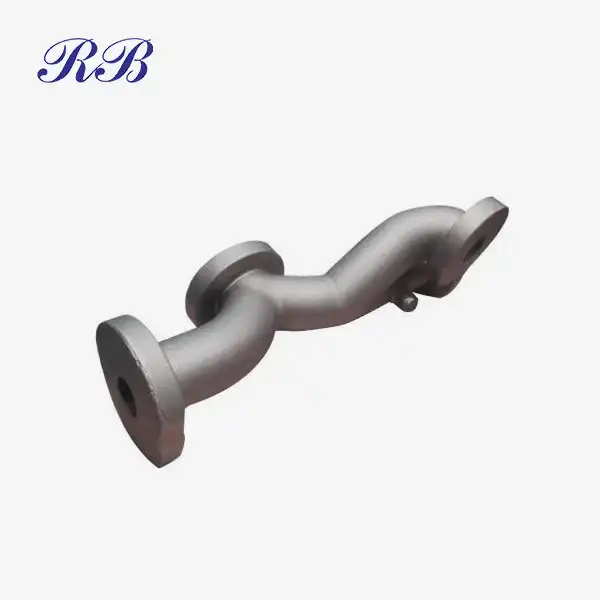
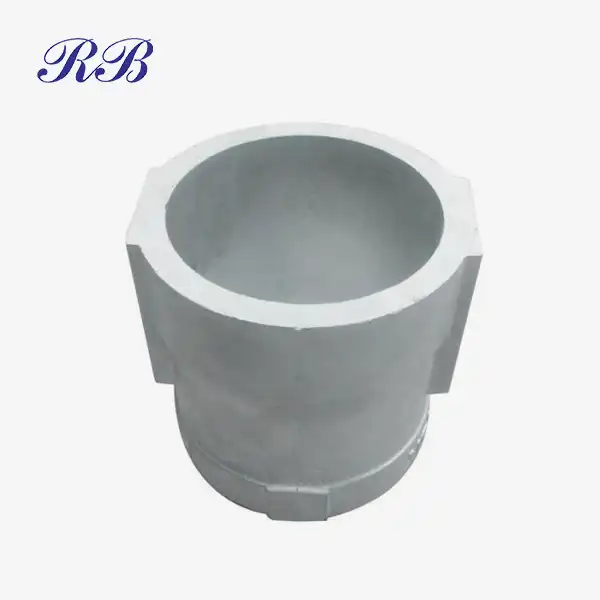
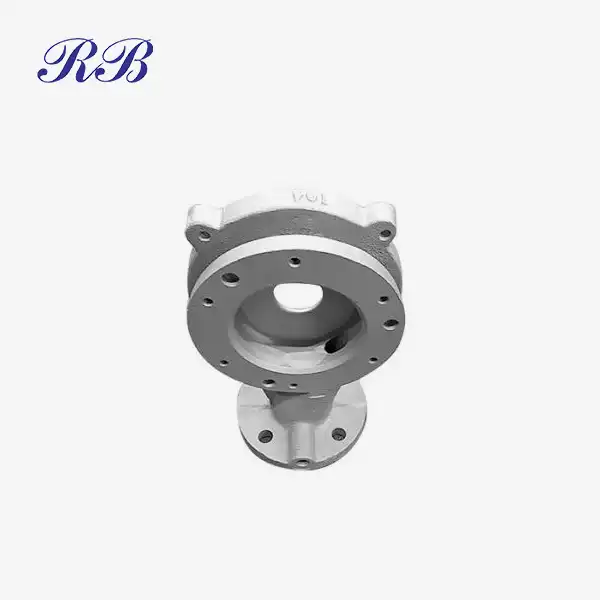
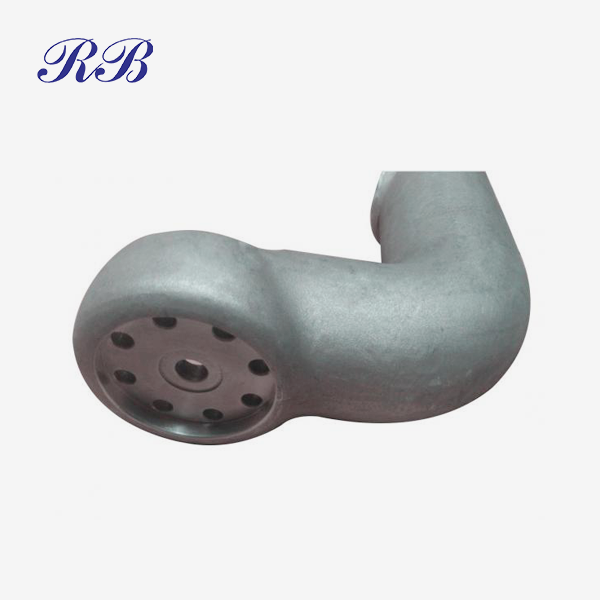
The mechanical design of lower limb rehabilitation robots is a crucial aspect that determines their effectiveness and usability.These robots are often made of lightweight yet durable materials, with aluminum being a common choice because to its high strength-to-weight ratio.Aluminum makes it possible to create a sturdy framework that is manageable for both patients and therapists even after repeated usage.
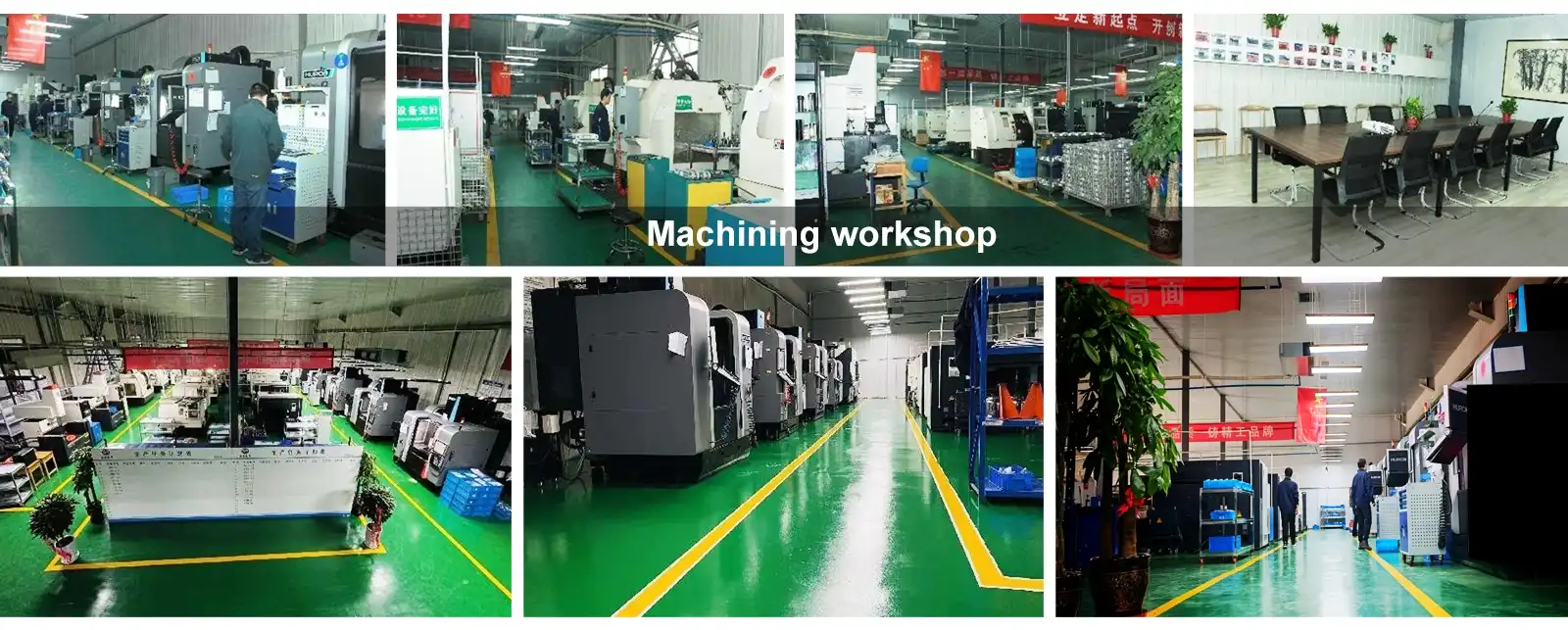
These robots' structural parts are frequently produced using precise CNC machining, which guarantees excellent finishes and close tolerances.This meticulous process contributes to the smooth operation and longevity of the device.To improve corrosion resistance and aesthetic appeal—two qualities that are especially crucial in medical settings—surface treatments like electroplating can be used.
Kinematic Chains and Joint Mechanisms
At the heart of a lower limb rehabilitation robot's mechanical design is its kinematic chain, which mimics the natural movement of human legs. This chain typically includes multiple joints corresponding to the hip, knee, and ankle, each with its own set of degrees of freedom (DOF). The number of DOF in a rehabilitation robot can vary, but most advanced models offer at least 6 DOF per leg to allow for a wide range of motions.
These joints are actuated by a combination of electric motors, pneumatic systems, or hydraulic actuators, depending on the specific design requirements. The robot's power output, control qualities, and accuracy are all impacted by the actuation system selection. For instance, electric motors offer precise control and are often preferred for their reliability and ease of integration with digital control systems.
Sensor Integration for Feedback and Safety
An cluster of sensors is coordinates all through the robot's structure to screen different parameters such as joint points, powers, and torques.These sensors give the control system vital feedback, allowing for real-time modifications and guaranteeing patient safety. Force sensors, in particular, are crucial for detecting patient-robot contact, which makes adaptive control strategies possible that can adapt to different patient effort and engagement levels.
Control System Architecture
Hierarchical Control Structure
The control system of a lower limb rehabilitation robot is typically organized in a hierarchical structure, consisting of high-level, mid-level, and low-level control layers. Complex decision-making procedures are supported by this architecture while preserving responsiveness in real time.
At the highest level, the control system manages the overall rehabilitation strategy, including exercise selection, difficulty progression, and performance evaluation. The mid-level control handles trajectory planning and coordination between different joints. The low-level control is responsible for executing the planned movements by sending commands to individual actuators and processing sensor feedback.
Adaptive Control Algorithms
One of the most significant advancements in lower limb rehabilitation robotics is the implementation of adaptive control algorithms. The performance and physiological condition of the patient can be used by these algorithms to modify the robot's behavior.To maximize the rehabilitation process for every patient, the control system may adjust parameters like movement speed, range of motion, and support level by continually evaluating data from integrated sensors.
Human-Robot Interaction Interface
The human-robot interaction interface is a critical component of the control system. It typically includes a graphical user interface (GUI) that allows therapists to program exercises, monitor patient progress, and adjust treatment parameters.In order to boost patient motivation and involvement during therapeutic sessions, the interface may include visual feedback systems, including virtual reality settings.

Modes of Operation
Passive Mode
In passive mode, the rehabilitation robot fully guides the patient's limbs through predetermined motion patterns.Patients in the early phases of rehabilitation or those with restricted voluntary movement will find this mode especially helpful. Consistent, repeated motions from the robot can promote brain plasticity, lessen muscle atrophy, and preserve joint flexibility.
Active-Assist Mode
As patients regain some voluntary control, the active-assist mode of the lower limb rehabilitation robot becomes crucial. In this mode, the lower limb rehabilitation robot provides varying levels of assistance based on the patient's effort. If the patient initiates a movement but lacks the strength to complete it, the lower limb rehabilitation robot will provide just enough support to help achieve the desired motion. This mode encourages active participation and can be gradually adjusted to increase the challenge as the patient's capabilities improve.
Resistive Mode
In resistive mode, the robot provides controlled resistance to the patient's movements. In order to increase strength and endurance, this modality is usually employed in the final phases of rehabilitation.The level of resistance can be precisely controlled and progressively increased, allowing for a tailored strength training program that complements the patient's recovery progress.
Biofeedback Integration
Many advanced lower limb rehabilitation robots incorporate biofeedback systems that provide real-time information to both patients and therapists.Visual or aural indicators regarding muscle activation patterns, movement quality, or balancing measures can all be included in this feedback. Through the use of biofeedback, these robots enhance motor learning and help patients become more aware of their body movements.
In conclusion
Lower limb rehabilitation robots represent a confluence of mechanical engineering, control systems, and rehabilitation science.Personalized therapeutic alternatives that were previously unavailable with standard approaches are made possible by their advanced design and operational flexibility. We may anticipate even more cutting-edge features and better results for individuals undergoing lower limb rehabilitation as this field of study develops.

Lower Limb Rehabilitation Robot Supplier: Rongbao Enterprise
For those in the medical equipment manufacturing industry seeking high-quality components for lower limb rehabilitation robots, Rongbao Enterprise stands out as a leading supplier. Rongbao specializes in accuracy and creativity, providing bespoke aluminum components that satisfy the strict requirements needed for medical equipment.
Key features of Rongbao's offerings include:
- Material: High-grade aluminum alloys
- Manufacturing Process: Advanced CNC machining for precise tolerances
- Surface Treatment: Electroplating options available
- Certifications: ISO9001:2015, ISO14001, ISO45001
- Customization: OEM/ODM services to meet specific design requirements
- Production Capacity: Up to 500 pieces, ensuring scalability
- Packaging: Secure wooden box transportation packaging
Rongbao Enterprise, founded in 2003, has established itself as a specialized manufacturer in aluminum alloy casting and precision processing.Rongbao has established itself as a reliable partner for equipment manufacturers globally because to its dedication to quality and innovation.
If you're looking to enhance the quality and reliability of your lower limb rehabilitation robots, consider partnering with Rongbao Enterprise. For inquiries and custom orders, please contact:
Email: steve.zhou@263.net or zhouyi@rongbaocasting.com
Take the next step in advancing your rehabilitation technology. Reach out to Rongbao Enterprise today and discover how their expertise can contribute to your product's success.