- English
- French
- German
- Portuguese
- Spanish
- Russian
- Japanese
- Korean
- Arabic
- Greek
- German
- Turkish
- Italian
- Danish
- Romanian
- Indonesian
- Czech
- Afrikaans
- Swedish
- Polish
- Basque
- Catalan
- Esperanto
- Hindi
- Lao
- Albanian
- Amharic
- Armenian
- Azerbaijani
- Belarusian
- Bengali
- Bosnian
- Bulgarian
- Cebuano
- Chichewa
- Corsican
- Croatian
- Dutch
- Estonian
- Filipino
- Finnish
- Frisian
- Galician
- Georgian
- Gujarati
- Haitian
- Hausa
- Hawaiian
- Hebrew
- Hmong
- Hungarian
- Icelandic
- Igbo
- Javanese
- Kannada
- Kazakh
- Khmer
- Kurdish
- Kyrgyz
- Latin
- Latvian
- Lithuanian
- Luxembou..
- Macedonian
- Malagasy
- Malay
- Malayalam
- Maltese
- Maori
- Marathi
- Mongolian
- Burmese
- Nepali
- Norwegian
- Pashto
- Persian
- Punjabi
- Serbian
- Sesotho
- Sinhala
- Slovak
- Slovenian
- Somali
- Samoan
- Scots Gaelic
- Shona
- Sindhi
- Sundanese
- Swahili
- Tajik
- Tamil
- Telugu
- Thai
- Ukrainian
- Urdu
- Uzbek
- Vietnamese
- Welsh
- Xhosa
- Yiddish
- Yoruba
- Zulu
TC4 vs. TA2: Which Titanium Alloy Part Fits Your Industrial Application?
Selecting the appropriate titanium grade for precision components poses a significant challenge for procurement managers in high-tech manufacturing. When evaluating titanium alloy machined parts, the decision between TC4 (Ti-6Al-4V) and TA2 (commercially pure titanium) directly impacts component performance, manufacturing efficiency, and total cost of ownership. Both grades offer excellent corrosion resistance and biocompatibility, yet their mechanical properties diverge substantially, making material selection a strategic consideration for medical device manufacturers, aerospace suppliers, and industrial equipment producers seeking optimal performance-to-cost ratios.
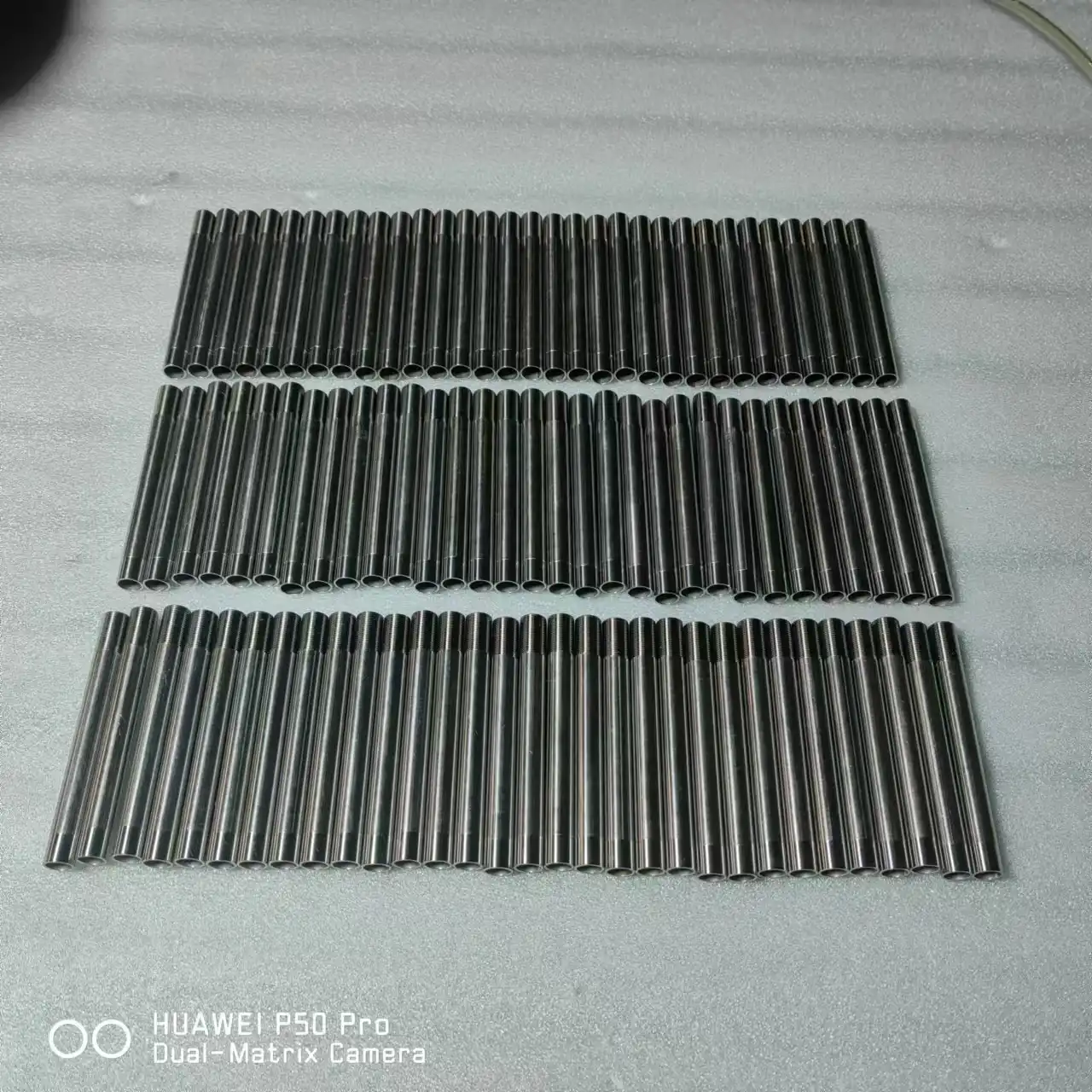
TC4 and TA2 Titanium Alloys
Chemical makeup and the resulting mechanical properties are what really set these materials apart from each other. From design to procurement, every decision that comes after is based on this understanding.
Chemical Composition and Core Properties
TC4 has about 6% aluminum and 4% vanadium as alloying elements. This makes a two-phase lattice that has a tensile strength of more than 900 MPa. The aluminum part makes the metal stronger and denser, and the vanadium part stabilizes the beta phase, which makes it easier to heat treat. TA2 is made up of 99.2% pure titanium and only a few alloying elements. It has a tensile strength of about 340–450 MPa but is more flexible and easy to shape.
Mechanical Performance Comparison
The difference in strength leads to benefits that depend on the application. TC4 has a very high resistance to wear when loaded and unloaded repeatedly, which makes it a good choice for structure parts that are stressed over and over again. Because it is harder (320–370 HV), it lasts longer in applications that are likely to wear out than TA2 (160–210 HV). But TA2's lower modulus of elasticity makes it more flexible in situations where energy absorption or deformation tolerance are needed. Density stays about the same for both grades at about 4.5 g/cm³, which means they are much lighter than stainless steel alternatives.
Work-Hardening and Thermal Characteristics
The tendency of TC4 to work-harden speeds up tool wear and requires special cutting settings when it is being machined. Its thermal conductivity is about 7 W/m·K, which means that heat builds up at the cutting edges, which can make it harder to get accurate measurements. The softer matrix in TA2 lowers cutting forces and increases tool life, but its sticky nature can cause built-up edges if coolant is not used correctly. These small details of machining have a direct effect on the costs and lead times of making things with complex shapes.
Machining Considerations: TC4 vs. TA2
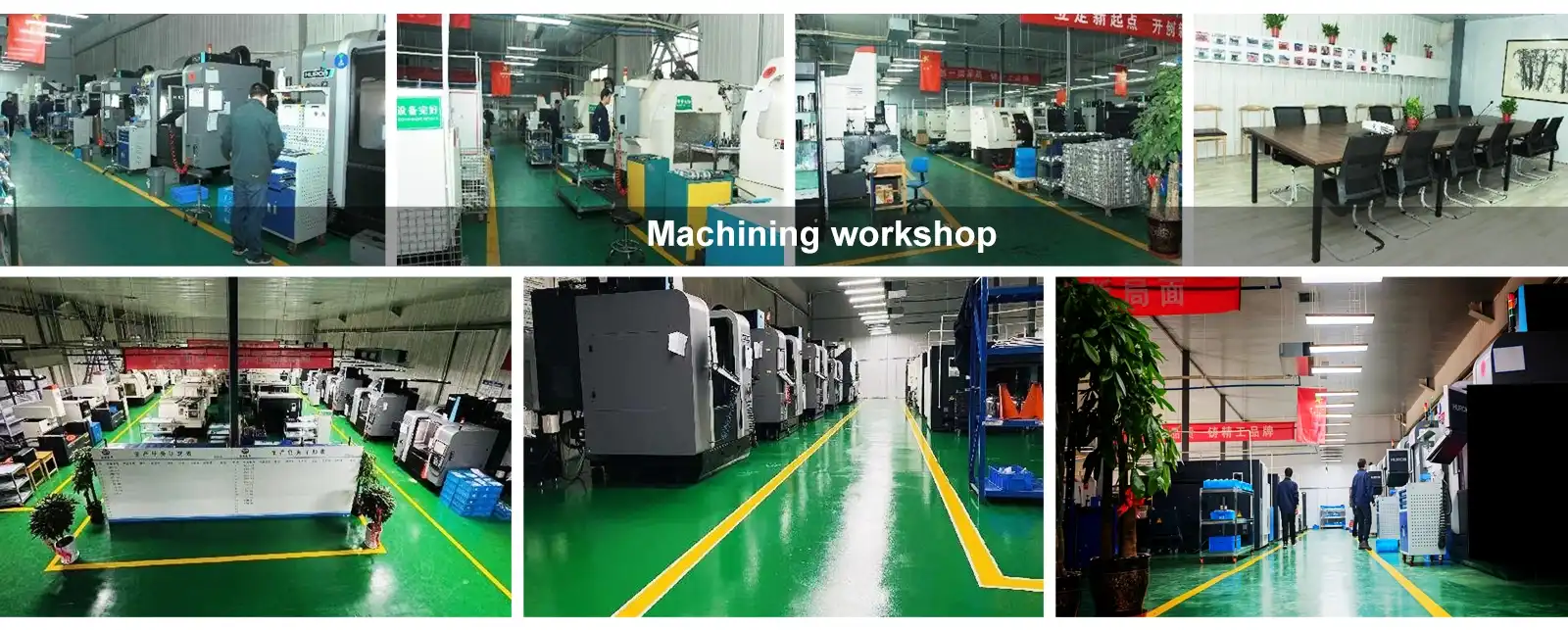
To make precise titanium alloy machined parts, you need to know how to use the right process that takes into account how each metal behaves when being machined. The right way to do things matches the need for efficiency with the need for surface integrity.
CNC Machining Parameters for TC4
To get close specs in TC4, you need carbide tools with special finishes that can handle high cutting temperatures, like TiAlN or AlCrN. To keep work-hardening to a minimum, cutting speeds should be between 40 and 60 m/min and feed rates should be between 0.05-0.15 mm/rev. For heat to escape and chips to escape, flood coolant application is necessary. Rongbao Enterprise's CNC machining keeps CT4–CT6 dimensional limits by using multi-axis equipment that accounts for material spring-back. This makes sure that medical-grade accuracy is maintained for parts of therapy robots and surgery instruments.
TA2 Machining Approaches
Because TA2 is softer, it can be cut at higher speeds (60–80 m/min) with less tool wear, which lowers the cost of making each part. But because it is flexible, it needs sharp cutting edges and positive rake angles to keep it from spreading instead of cutting cleanly. Some surface treatments, like shot blasting, make surfaces more resistant to wear and tear and get them ready for later covering processes. Because the material is flexible, it can be used for fast prototyping, which lets you make changes to your design without having to spend a lot of money on new tools.
Cost and Lead Time Analysis
Due to the high cost of alloying elements and the difficulty of processing, TC4 materials usually cost 30 to 50 percent more than TA2 materials. Differences in machining efficiency can help close this gap in some ways, since TA2's faster cutting speeds shorten cycle times for large production runs. Lead times for special parts depend a lot on what the seller can do. By getting rid of the need for inter-facility logistics, facilities that combine casting and machining can turn around orders faster. Manufacturers of medical devices that have to meet legal deadlines should choose suppliers that are ISO 13485 approved and have proven traceability systems.
Procurement Insights for Titanium Alloy Machined Parts
To successfully source fine titanium alloy machined parts, you need to use more than just unit price quotes as evaluation factors. Strategic relationships with suppliers add value by letting them work together on technology issues and making the supply chain more reliable.
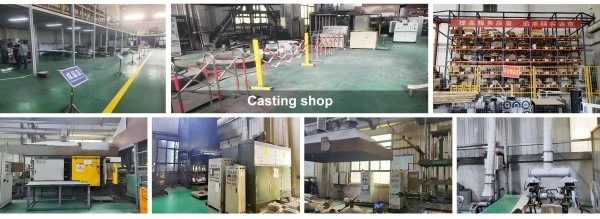
Suppliers who can show full-chain manufacturing skills have clear benefits. Integrated processes that include casting, CNC machining, and surface treatment get rid of the quality problems that come with working with more than one provider. Complete process control at Rongbao Enterprise, from inspecting raw materials to checking finished parts, makes sure that all production batches are the same size. Our ISO 9001:2015, ISO 14001, and ISO 45001 certifications show that our quality management is standardized and in line with international standards for buying things.
Product development timelines are directly affected by minimum order quantities and prototype support. Before submitting a medical gadget to the FDA, researchers must use iterative development to make sure that it works well and is comfortable to use. Innovation cycles get stuck when suppliers refuse to take small orders. Our monthly production capacity of 5,000 pieces allows for both small runs of prototypes and large-scale production, helping clients from the ideation stage all the way thru to commercialization. Whether 50 or 5,000 units are being made, customized specifications get the same careful attention.
Material tracking and approval paperwork meet the needs of legal compliance. For medical uses, full material history is needed, including mill test records, chemical makeup analysis, and confirmation of mechanical properties. Suppliers with detailed quality systems make it faster to register devices because they leave proof trails that are easy to check. When looking for a source and during production, confidentiality agreements keep secret ideas safe. This protects intellectual property that is important for staying competitive.
Logistics prices and wait times are affected by where things are located. Manufacturing in Xi'an gives you access to China's supply chain for advanced materials while keeping costs low compared to Western suppliers. When shipped internationally, precision parts are kept safe in wooden boxes, and when they arrive, they are ready to be put together on the assembly line without any extra work.
Best Practices and Quality Assurance in Titanium Alloy Machining
Systematic process control and methods for continuous improvement are needed to make sure that the quality of the parts is always the same. These practices cut down on mistakes while increasing the efficiency of production.
Before machining starts, the chemical make-up and mechanical qualities of the new material are carefully checked against the specs. Ultrasonic screening and other non-destructive testing methods find internal cracks that could weaken the stability of a component. Coordinate measuring machines (CMM) are used for in-process dimensional testing. These machines find errors before a lot of time and money is spent on machining, which lowers the rate of scrap.
Cutting edge usage and performance metrics are tracked by tool management programs, which replace tools before too much wear damages the surface finish or the accuracy of the measurements. Monitoring the concentration of the coolant keeps the best heat transfer properties, which stops thermal damage during rough cutting operations. Statistical process control charts show patterns that show when equipment is moving or tools are wearing down. This lets repair be done before quality problems happen.
Surface treatment methods, like shot blasting, get rid of machining flaws while adding good compressive stresses that make things more resistant to fatigue. By creating stable oxide layers, passivation processes make things less likely to rust. For these post-machining tasks to produce the same results every time, the parameters need to be validated and checked on a regular basis.
When design engineers and manufacturing experts work together, they can find the best shape for a component so that it can be machined. Features like large radii, easy-to-reach tooling paths, and standard hole sizes make manufacturing simpler without sacrificing functionality. Value engineering experts help suppliers find ways to cut costs during the design review phase, which leads to saves that build up over the lifespan of the product.
Conclusion
To decide between TC4 and TA2, you have to weigh the needs for mechanical performance against the costs and difficulties of production. The strength and fatigue resistance of TC4 make it ideal for high-stress uses in aerospace and load-bearing medical devices. On the other hand, the corrosion resistance and machinability of TA2 make it ideal for chemical processing and surgical instruments. For procurement to go well, suppliers must be able to do things like precise cutting, a mature quality system, and joint engineering support. The best choice of material is one that matches the working conditions of the titanium alloy machined parts with the qualities of the alloy. This should be backed up by manufacturing partners who can provide the exact measurements and reliable supply chains that are needed in controlled industries.
FAQs
Why does aerospace predominantly specify TC4 over TA2?
Strength-to-weight ratios and fatigue endurance under cyclic loading conditions are important for aerospace applications. The tensile strength of TC4 is over 900 MPa, and it has been shown to be resistant to high-cycle fatigue. This means that it meets the structural certification requirements for engine and airframe parts. Because it keeps working well at high temperatures, it can be used in places near propulsion systems where TA2 can't because of its lower strength.
How do material costs compare between TC4, TA2, and stainless steel alternatives?
Due to the cost of alloying and the difficulty of processing, TC4 costs 30 to 50 percent more than TA2. The price of both grades of titanium is about 4 to 6 times that of austenitic stainless steel per kilogram. However, titanium's higher mass makes weight-adjusted prices much lower. In corrosive environments, the total cost analysis should take into account the longer service life and less maintenance needed compared to steel alternatives.
What lead times should procurement teams expect for custom precision titanium parts?
It usually takes 9–13 weeks from the time the plan is approved until the first order is delivered. This includes making prototypes, checking measurements, and making sure the process works. This schedule allows time for signing the NDA, getting materials, getting tools ready, and writing up quality documents. For established processes, repeat orders can be completed in one to two weeks, depending on the number of orders and how much capacity the supplier is using.
Partner with Rongbao Enterprise for Superior Titanium Alloy Machined Parts
At Rongbao Enterprise, we know how important precise titanium parts are for making medical devices and using them in other industries. We are your reliable source for titanium alloy machined parts because we have been sending high-precision parts made from titanium alloy to markets around the world for 20 years. We can make everything, from low-pressure casting to CNC machining and shot blasting the surface. This lets us keep the CT4–CT6 tolerances that are needed for therapy robots and surgery tools. Get in touch with our tech team right away at steve.zhou@263.net or zhouyi@rongbaocasting.com to talk about the needs of your project. We are open to consultations with no-obligation non-disclosure agreements, competitive prototype quotes, and partnerships for large-scale production backed by ISO 9001:2015, ISO 14001, and ISO 45001 certifications. Visit rongbaocasting.com to learn more about how our 5,000-piece-per-month Xi'an facility can help you from the idea stage all the way thru full-scale production.
References
- Boyer, R., Welsch, G., & Collings, E.W. (1994). Materials Properties Handbook: Titanium Alloys. ASM International.
- Donachie, M.J. (2000). Titanium: A Technical Guide, 2nd Edition. ASM International.
- Ezugwu, E.O., & Wang, Z.M. (1997). Titanium alloys and their machinability: A review. Journal of Materials Processing Technology, 68(3), 262-274.
- Leyens, C., & Peters, M. (2003). Titanium and Titanium Alloys: Fundamentals and Applications. Wiley-VCH.
- Rack, H.J., & Qazi, J.I. (2006). Titanium alloys for biomedical applications. Materials Science and Engineering: C, 26(8), 1269-1277.
- Veiga, C., Davim, J.P., & Loureiro, A.J.R. (2012). Properties and applications of titanium alloys: A brief review. Reviews on Advanced Materials Science, 32(2), 133-148.


Learn about our latest products and discounts through SMS or email