- English
- French
- German
- Portuguese
- Spanish
- Russian
- Japanese
- Korean
- Arabic
- Greek
- German
- Turkish
- Italian
- Danish
- Romanian
- Indonesian
- Czech
- Afrikaans
- Swedish
- Polish
- Basque
- Catalan
- Esperanto
- Hindi
- Lao
- Albanian
- Amharic
- Armenian
- Azerbaijani
- Belarusian
- Bengali
- Bosnian
- Bulgarian
- Cebuano
- Chichewa
- Corsican
- Croatian
- Dutch
- Estonian
- Filipino
- Finnish
- Frisian
- Galician
- Georgian
- Gujarati
- Haitian
- Hausa
- Hawaiian
- Hebrew
- Hmong
- Hungarian
- Icelandic
- Igbo
- Javanese
- Kannada
- Kazakh
- Khmer
- Kurdish
- Kyrgyz
- Latin
- Latvian
- Lithuanian
- Luxembou..
- Macedonian
- Malagasy
- Malay
- Malayalam
- Maltese
- Maori
- Marathi
- Mongolian
- Burmese
- Nepali
- Norwegian
- Pashto
- Persian
- Punjabi
- Serbian
- Sesotho
- Sinhala
- Slovak
- Slovenian
- Somali
- Samoan
- Scots Gaelic
- Shona
- Sindhi
- Sundanese
- Swahili
- Tajik
- Tamil
- Telugu
- Thai
- Ukrainian
- Urdu
- Uzbek
- Vietnamese
- Welsh
- Xhosa
- Yiddish
- Yoruba
- Zulu
Alarm Device Parts Upgrade: Customizable Twelve-Way Control Boxes
When managing gas safety and security alarm systems, we often face the challenge of integrating multiple detection zones into a single, reliable control unit. A twelve-way alarm control box serves as the central hub for coordinating multiple alarm inputs—from gas leaks to fire detection—across various zones within industrial facilities. This specialized enclosure consolidates wiring, protection circuitry, and control logic into one robust aluminum housing, dramatically simplifying installation and maintenance while meeting stringent explosion-proof and ingress protection standards essential for hazardous environments.
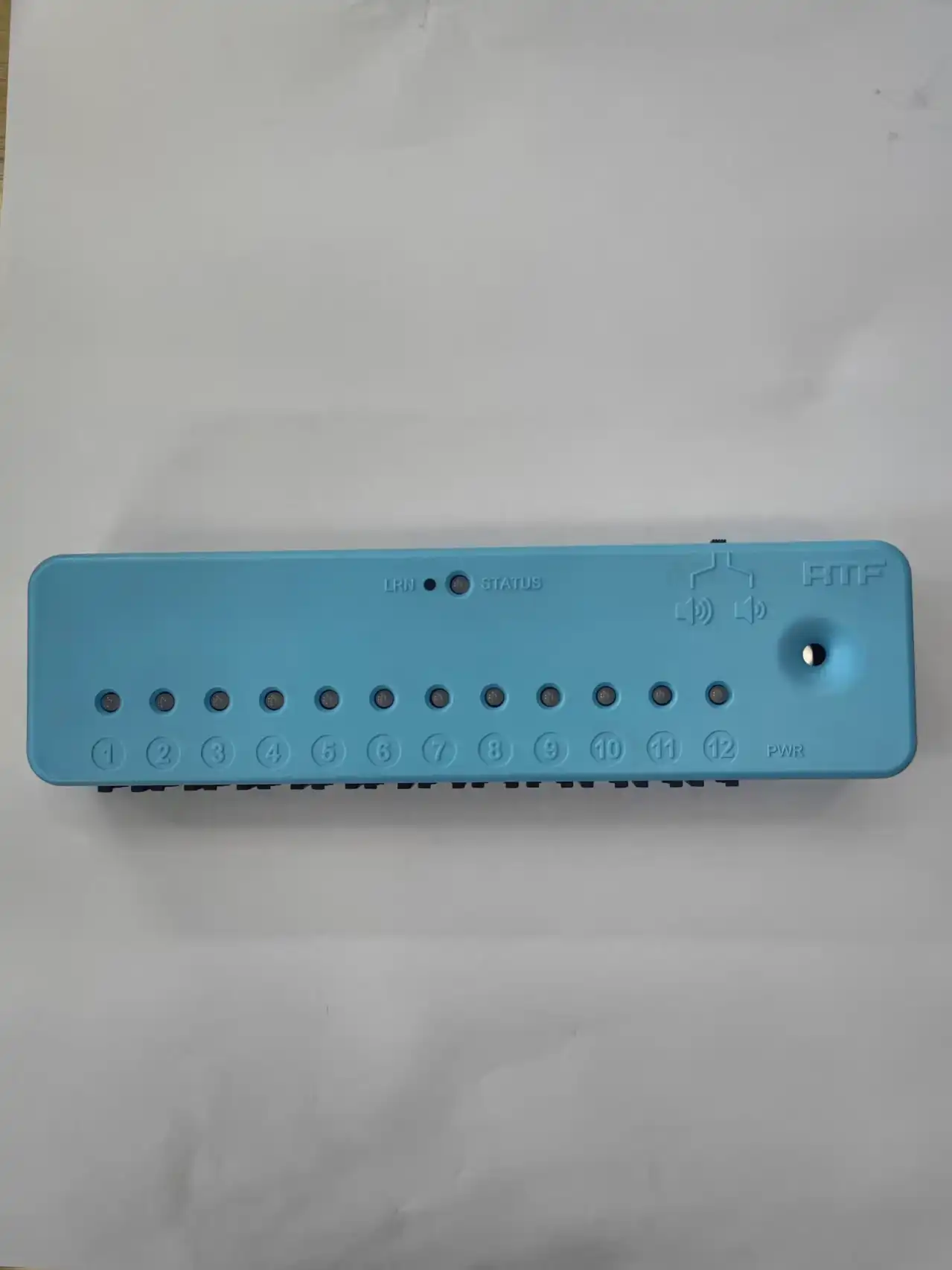
Custom 12-Way Alarm Control Boxes: Features and Benefits
Core Functionality and Design Philosophy
An alarm control box with multiple zones is the brains of current security systems. These units are different from basic junction boxes because they include relay logic, circuit safety, and terminal distribution that is intended to work with alarm device parts. The housing is usually made of a precision-cast aluminum alloy, which blocks electromagnetic interference and lets heat escape better than polymer alternatives. The internal architecture supports modular terminal blocks that can work with both normally open and normally closed sensor configurations. This makes it possible to easily connect gas detectors, smoke alarms, and manual call points in twelve separate zones.
Key Technical Specifications for Industrial Applications
Industrial-grade twelve-way alarm control boxes have to meet strict safety and environmental standards. Explosion-proof versions have Ex d IIB T6 approval, which makes sure that closing off the flame path stops the spread of fire in volatile environments. If the ingress protection grade is IP65 or higher, the enclosures will be dust-tight and resistant to water jets. This is very important for outdoor setups or places with a lot of humidity. Operating temperature ranges from -40°C to +85°C allow for use in harsh environments. Internal bus bars can handle continuous currents of up to 20A per circuit and protect against transient surges. Cable glands relieve strain and keep the enclosure's integrity.
Strategic Advantages for System Integrators
It is possible to measure the practical benefits of upgrading to customized control boxes. When compared to distributed connection places, consolidated wiring cuts installation work by about 40%, which significantly shortens project timelines. Field workers can swap terminal blocks or relay modules without special tools thanks to modular design. This cuts down on downtime during repair cycles. With clearly labeled terminals and LED status indicators, the centralized architecture makes troubleshooting easier and speeds up fault diagnosis. When a facility grows and needs to add more detection zones, scalability comes in very handy—unused terminal positions can be used for future growth without having to change the infrastructure.
These benefits directly address the problems that gas safety equipment makers have, like the need for quick product development processes and the ability to make small batches of products on the fly. When your engineering team creates new alarm systems for a variety of uses, it's important to have a casting supplier that knows how to meet both the mechanical and functional needs of control box housings. Being able to change the mounting dimensions, cable entry configurations, and internal layouts of your product will help it stand out in a crowded market.
Comparing Alarm Control Box Solutions: Why Choose a Custom 12-Way Model?
Capacity Considerations Across Model Variants
Choosing the right zone capacity depends on the size of the facility and the number of detections that need to be made. Eight-way setups work well for smaller areas like stores or office buildings where monitoring needs aren't too high. Twelve-way alarm control boxes are the best balance for medium-sized industrial facilities because they allow for enough growth without the extra complexity and cost that comes with bigger arrays. For large sites with many buildings that need to be monitored from one place, sixteen-way and higher models are useful, though distributed design is often more practical at that size.
The twelve-zone sweet spot works perfectly for most gas safety situations where one person is needed to keep an eye on several process areas, storage areas, and utility rooms. This setup has separate areas for three types of detectors: combustible gas, toxic vapour, and oxygen shortage. This lets you set different warning levels and reaction times for each type of danger.
Wired Versus Wireless Architecture Tradeoffs
Physical connections in traditional hardwired systems make them reliable because they can't be affected by radio frequency interference or running out of batteries. Since wire routing needs can be accurately predicted during planning, installation costs can be planned for. Using continuity tests and voltage readings makes troubleshooting easy. However, adding hidden wiring to older buildings is very difficult and costs a lot of money.
Wireless options require less installation work because they don't need to run wires. This is especially helpful in old buildings or places that are hard to get to. The security of modern encryption methods is good enough for most business uses. In exchange, the batteries in what could be hundreds of field devices need to be maintained on a regular basis, and changes to the building could block signals. Hybrid methods use wired infrastructure in key areas and add wireless devices for extra coverage, making the system both reliable and adaptable.
Integration with Technologies That Work Together
General-purpose relay panels or circuit breaker panels are not the same as control boxes made for alarm applications. All three manage electrical circuits, but alarm-specific units have supervised loop monitoring that can find open circuits, short circuits, and device removal, which standard distribution equipment can't do. Instead of power distribution wires, terminal blocks can hold the twisted-pair connections that are common in security systems.
As more buildings use combined security platforms, it's become more important that they work with building control systems. Modern control boxes with Modbus RTU or BACnet interfaces let you monitor and respond automatically from afar, turning alarm panels that stand alone into networked sensor nodes. This interoperability cuts down on the number of people needed to run security operations while improving the time it takes to respond to incidents by sending automatic alerts.

Case Studies and Industry Applications of Custom 12-Way Alarm Control Boxes
Gas Distribution Infrastructure Modernization
A regional gas company that serves businesses had to replace old alarm panels in 28 metering stations. Older systems didn't have zone supervision features, so operators couldn't tell the difference between real gas leaks and wiring problems. They put in place custom twelve-way alarm control boxes with supervised detection circuits and remote telemetry connections by working with a maker who knew both the technical needs and the certification paths.
Within the first six months, the adoption cut the number of false alarms by 67%, which saved a lot of money on emergency reaction costs. By combining the wiring at each site, installation time was cut from three days to one day per site. This let the utility finish the modernization program four months early. Standardizing on a single platform made it easier to train repair staff and made it easier to keep track of extra parts.
Manufacturing Facility Fire Protection Enhancement
A company that makes parts for cars had trouble adding gas detectors, smoke alarms, and physical pull stations to their current fire panel system. Building expansion had used up all the available zones on the original equipment, and third-party expansion modules couldn't work because of the manufacturer's own protocol. Instead of replacing the whole fire alarm system, which would have been too expensive, they set up twelve-way control boxes that were only used for monitoring dangerous areas.
These units were connected to the main fire panel thru relay contacts. They oversaw the zones and set off alarms while keeping the sensing circuits completely separate. The modular method made it possible to install parts in stages that worked with production schedules, so the plant didn't have to be shut down. When another production cell was added as part of a later expansion, the new detection zones were easily set up by adding an extra control box. The whole system did not need to be rearranged.
Emerging Technology Integration Trends
IoT-enabled control boxes are the next step forward in security systems. Connecting to the cloud lets you do forecast maintenance by constantly checking things like terminal resistance and the surroundings inside enclosures. Machine learning systems look at past trends of alarms to find the best threshold settings. This lowers the number of false alarms while keeping safety levels the same. Integration with smart building platforms lets automatic reactions happen, like opening emergency exits during a fire or turning on ventilation systems when gas is detected.
Because of these features, twelve-zone control boxes are smart edge devices instead of dumb wire hubs. When making products for modern buildings, companies should make sure that their designs include ways to add more connectivity in the future, like communication modules and extra power supplies.
Conclusion
By adding custom twelve-way alarm control boxes to alarm infrastructure, you can improve its dependability, ease of maintenance, and operational efficiency. The best zone capacity is for medium-sized buildings and leaves room for growth, so costs don't go up because of over-specification. Explosion-proof and ingress protection standards are met by the aluminum die-cast design, which guaranties long-term performance in harsh settings. For security equipment makers to succeed in the market, they need to choose suppliers with a wide range of manufacturing skills, quality certifications, and flexible production volumes. When IoT is added to traditional alarm systems, they become smart monitoring networks. Picking control boxes that can be changed protects infrastructure investments from becoming obsolete. These technical and purchasing tips can help you make decisions that balance your current needs with the ability to grow in the future, whether you're updating old systems or creating brand-new ones.
FAQ
How do custom control boxes improve system reliability compared to standard models?
Customized barriers get rid of the problems that come with stock designs. Custom internal layouts put terminal blocks in the best places for cable routing, which takes pressure off of connections that cause faults that happen from time to time. Enclosures that are the right size minimize empty space where condensation can build up, which stops corrosion. Application-specific gasket materials can handle chemical exposure in process settings where regular seals break down too quickly, keeping their environmental scores for the whole service life.
Can these control boxes integrate with our existing security infrastructure?
Modern twelve-way units have flexible output configurations that include 4-20mA current loops, voltage-free relay contacts, and open-collector transistors. Because it can do so many things, it works with almost all commercial fire panels, building management systems, and monitoring stations. Protocol converters work with old devices that use their own special messaging methods. They connect old systems to new detection areas without having to change the whole system.
What warranty coverage should we expect from reputable manufacturers?
Standard warranties in the industry cover flaws in the materials and the work for two years after delivery. However, warranties from top providers cover faults for five years. The warranty should clearly cover the structure of the casing (including gaskets and cable glands), electrical parts (such as terminal blocks and internal wires), and wear and tear on the surface finish. Make it clear if warranty service includes on-site help or requires sending the item back, as this will affect the total cost of ownership estimates.
Partner with Rongbao Enterprise for Superior Alarm Control Box Solutions
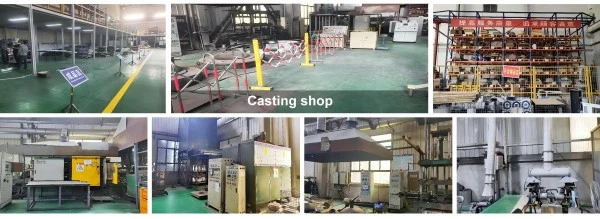
Rongbao Enterprise specializes in making twelve-way alarm control box housings that are meticulously engineered and made for gas safety and security applications. Our ISO9001:2015, ISO14001, and ISO45001-certified factories in Xi'an make 50,000 custom aluminum die-cast enclosures every month. These factories help with everything from making prototypes to making a lot of them. As an experienced twelve-way alarm control box manufacturer, we know how important it is to find the right mix between meeting explosion-proof certification requirements and making the control box as cheaply as possible.
We can create molds, cast them under high pressure, machine them precisely, and coat them in powder. This gives you complete parts that are ready to be put together with electronics. Seventy percent of our production is sent to markets in North America and Europe. We have strict quality standards and can handle small orders starting at 500 pieces. Our engineering team works together closely during development to make sure that your requirements are translated into products that can be made and certified. This is true whether you need standard configurations or custom designs with unique mounting features.
Get in touch with our expert sales team at steve.zhou@263.net or zhouyi@rongbaocasting.com to talk about your needs. We give full quotes within 48 hours and can speed up sample production to meet tight development deadlines. You can look at our full casting services and download technical specs for our alarm device component product line at rongbaocasting.com.
References
- National Fire Protection Association. (2022). NFPA 72: National Fire Alarm and Signaling Code. Quincy, MA: NFPA Publications.
- International Electrotechnical Commission. (2020). IEC 60079-0: Explosive Atmospheres – Part 0: Equipment – General Requirements. Geneva: IEC Central Office.
- American Society for Testing and Materials. (2021). ASTM B85-03: Standard Specification for Aluminum-Alloy Die Castings. West Conshohocken, PA: ASTM International.
- Factory Mutual Research Corporation. (2019). FM 3611: Approval Standard for Intrinsically Safe Apparatus and Associated Apparatus for Use in Class I, II, and III, Division 1 Hazardous Locations. Johnston, RI: FM Approvals.
- British Standards Institution. (2018). BS EN 54-2: Fire Detection and Fire Alarm Systems – Control and Indicating Equipment. London: BSI Standards Limited.
- Underwriters Laboratories. (2021). UL 864: Standard for Control Units and Accessories for Fire Alarm Systems. Northbrook, IL: UL LLC.

_1751074553490.webp)

Learn about our latest products and discounts through SMS or email