- English
- French
- German
- Portuguese
- Spanish
- Russian
- Japanese
- Korean
- Arabic
- Greek
- German
- Turkish
- Italian
- Danish
- Romanian
- Indonesian
- Czech
- Afrikaans
- Swedish
- Polish
- Basque
- Catalan
- Esperanto
- Hindi
- Lao
- Albanian
- Amharic
- Armenian
- Azerbaijani
- Belarusian
- Bengali
- Bosnian
- Bulgarian
- Cebuano
- Chichewa
- Corsican
- Croatian
- Dutch
- Estonian
- Filipino
- Finnish
- Frisian
- Galician
- Georgian
- Gujarati
- Haitian
- Hausa
- Hawaiian
- Hebrew
- Hmong
- Hungarian
- Icelandic
- Igbo
- Javanese
- Kannada
- Kazakh
- Khmer
- Kurdish
- Kyrgyz
- Latin
- Latvian
- Lithuanian
- Luxembou..
- Macedonian
- Malagasy
- Malay
- Malayalam
- Maltese
- Maori
- Marathi
- Mongolian
- Burmese
- Nepali
- Norwegian
- Pashto
- Persian
- Punjabi
- Serbian
- Sesotho
- Sinhala
- Slovak
- Slovenian
- Somali
- Samoan
- Scots Gaelic
- Shona
- Sindhi
- Sundanese
- Swahili
- Tajik
- Tamil
- Telugu
- Thai
- Ukrainian
- Urdu
- Uzbek
- Vietnamese
- Welsh
- Xhosa
- Yiddish
- Yoruba
- Zulu
Stainless Steel Processing Drainage Pipe Installation
When installing a stainless steel processing drainage pipe, it's important to be precise, plan ahead, and pay close attention to the material specs so that the pipe works well in tough circumstances. Most of these drainage systems are made of 304-grade stainless steel, which doesn't rust and lasts a long time. With the right building methods and high-quality materials, like those made with advanced CNC cutting, these drainage systems can handle waste in a clean and reliable way for a long time.
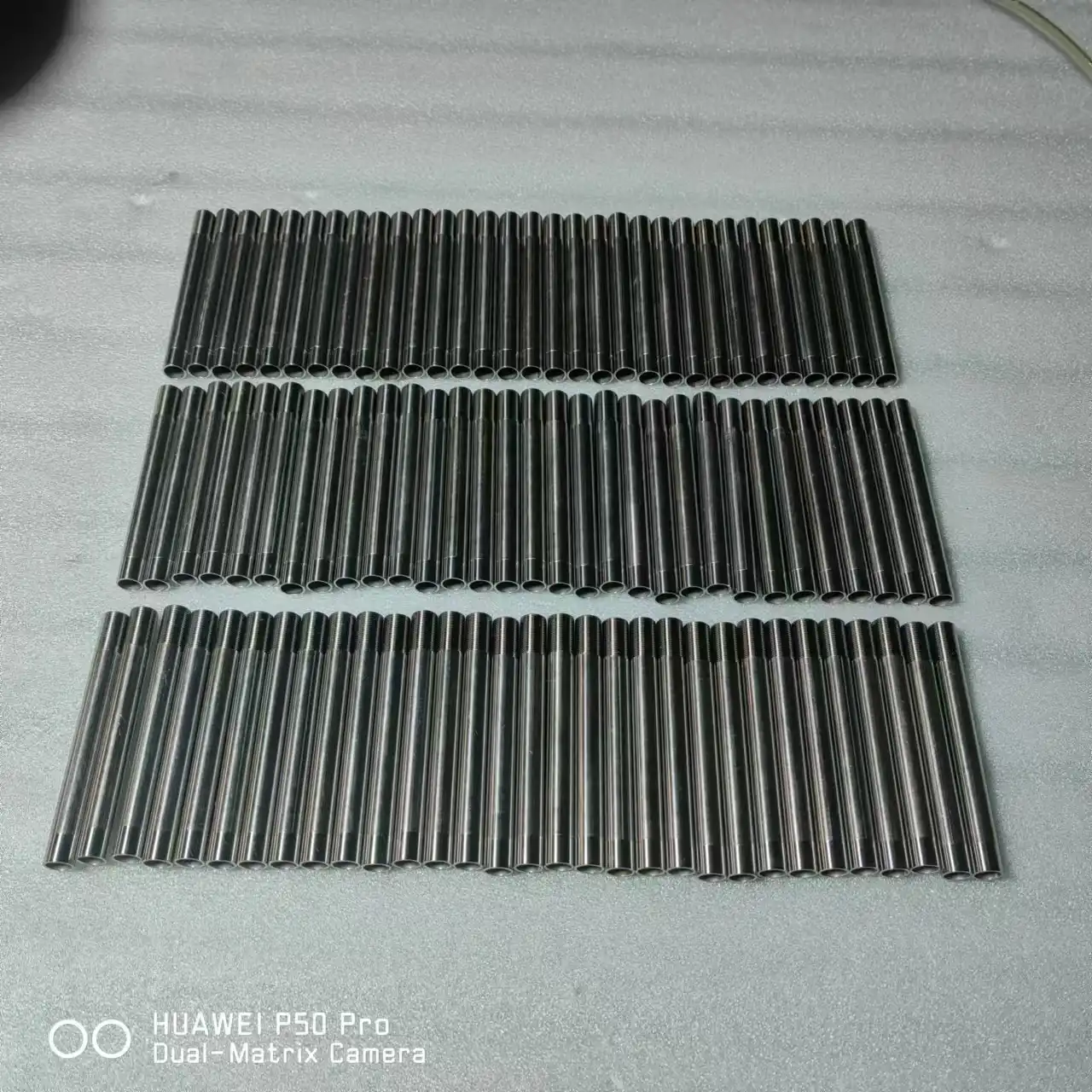
Stainless Steel Drainage Pipe Installation Best Practices
Pre-Installation Planning and Preparation
Fitting stainless steel processing drainage pipes well starts long before the first piece shows up. You should make a thorough building plan that includes the drainage flow, pipe route lines, support sites, and places where things can be connected. Making sure that every part fits the needs of the project avoids delays that cost a lot of money and makes sure that everything works well together.
Every building choice has to be based on the water and building codes in the area. There are rules about where the cleanouts should be, how the pipes should be joined, and the smallest dips that pipes must have in order for water to drain naturally. Following the rules makes sure that the system works the way it was meant to and stops police actions from happening again. Safety rules make sure that workers stay away from sharp edges, heavy parts, and other things that could be dangerous when cutting and putting things together.
Cutting and Joining Techniques
The clarity of stainless steel processing drainage pipes is kept when they are cut in the right way. The right cutting tools, like band saws or pipe cutters, help us make clean cuts that don't bend the ends of the pipes. By getting rid of burrs and sharp edges with deburring tools or fine-grit abrasives, you can keep sealing parts from getting broken and make sure they are safe to handle.
There are different ways to join based on the system and the rules in the area code. Welding makes links that are strong and last a long time, so it's perfect for systems that need to stop leaks totally. When done by trained welders, TIG (Tungsten Inert Gas) welding is a great way to join stainless steel pieces together because the joints are clean and won't rust. When you connect mechanical parts with grooved or compression joints, it's easier to make changes to the system later on and speeds up the installation process. Flanged joints make it easy to put things together and take them apart to fix them.
Support and Anchoring Methods
When there isn't enough support, things don't slide or shake, and stress builds up that could weaken the system over time. For straight runs, supports should be put every 6 to 10 feet. The distance between supports depends on how wide and thick the pipe walls are. Up and down runs need help at every floor level and in the middle of the runs for bigger projects.
The support gear must be able to handle temperature rise without getting stuck or creating stress points. The temperature changes cause stainless steel to stretch and shrink. Supports that are properly made to allow this movement keep joints from breaking and materials from wearing out. Hooks, clamps, and bands that are made to work with stainless steel lines are the only ones we use. We don't have to touch different metals, which could cause galvanic rusting in damp spots.
Comparing Stainless Steel with Other Drainage Pipe Materials
Performance and Durability Analysis
Material choice has a big effect on how long a stainless steel processing drainage pipe lasts and how often it needs to be maintained. In many important ways, stainless steel is better than other materials. Rust and scale form on cast iron over time, even though it is strong. This is especially true when moving acidic or toxic trash. Because the inside of cast iron is rough, it's easy for dirt and other things to get stuck. This lowers the flow capacity over time and makes cleaning more important.
Even though PVC lines are cheap and simple to set up, they are not as strong as stainless steel when it comes to chemicals or high temperatures. Some industrial chemicals and hot water flow can damage PVC, making it bend, weaken, and finally break. The flow features don't change over time because the inside of stainless steel is smooth. This keeps things from building up and makes maintenance easy.
Cost-Benefit Evaluation
One part of the business story is not just how much the supplies cost at the beginning. Although stainless steel processing drainage pipes are more expensive up front than PVC or galvanized pipes, they are typically less expensive in the long run. When things last longer—often more than 50 years in the right conditions—they don't need to be replaced as often, which saves money. Maintenance needs will go down, which will lead to lower costs over the life of the system.
When sewage systems break down, the costs of being without them can be much higher than the changes in the prices of the materials. If a sewage pipe breaks in a busy business kitchen or production center, it stops work right away, raises concerns about contamination, and needs expensive repairs right away. In the right hands, stainless steel systems are very stable. This lowers the costs associated with risk and gives you peace of mind along with real performance benefits.
Application-Specific Material Selection
In some places, drainage systems made of stainless steel work really well. The things that are used in food processing companies have to be very clean, stop germs from growing, and be able to be cleaned at high temperatures many times. Because there are no holes on the surface of stainless steel, germs cannot grow on it. Also, strong cleaners won't damage it.
In chemical work areas, toxic chemicals are dumped into sewer systems. These chemicals quickly break down normal materials. All sorts of acids, bases, and fluids can't hurt stainless steel because it doesn't react with them. Still, picking the right kind is still important. If there are chlorides or a lot of acid, you may need 316-grade material, but for most other uses, regular 304 will do.

Procurement Considerations for Stainless Steel Drainage Pipes
Supplier Evaluation and Selection
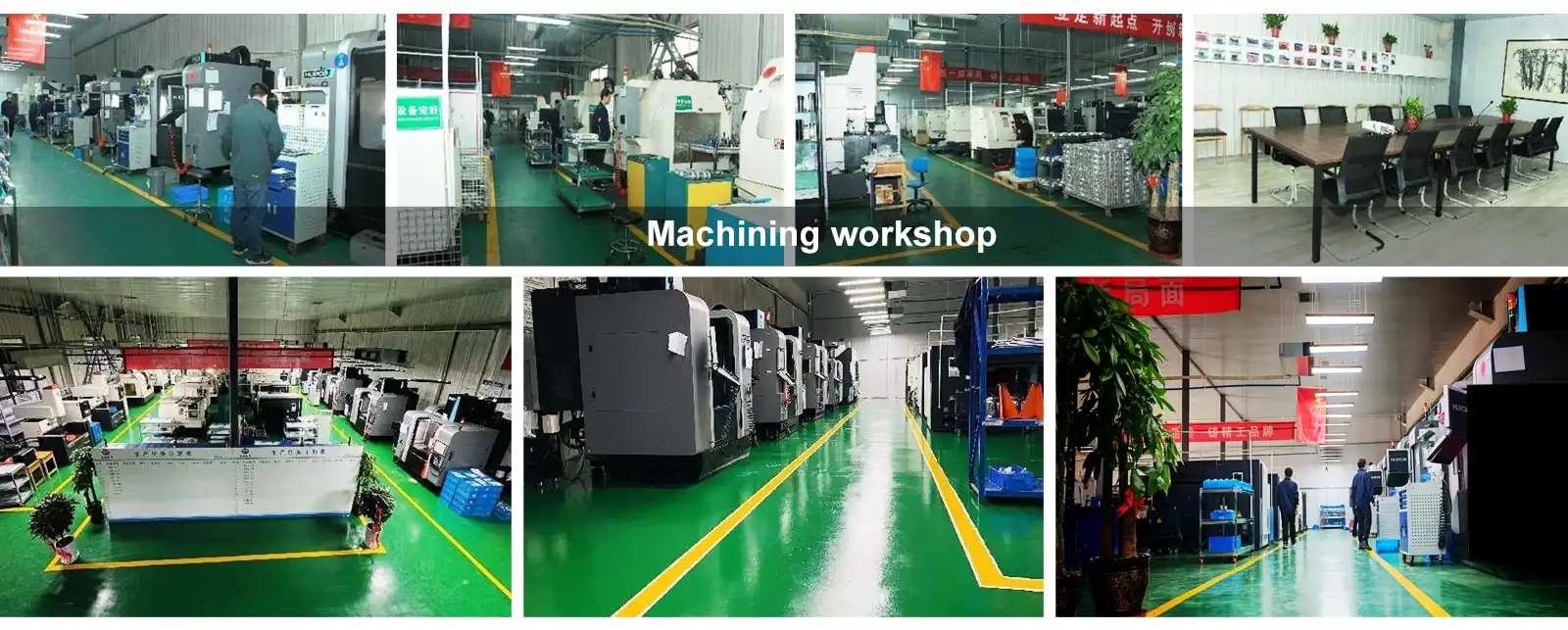
If you want to find skilled providers of stainless steel processing drainage pipes, you should not only look at prices. They can meet your specific needs and make enough items on time for your job if they know how to make things. Rongbao Enterprise is a great example of the level of industrial complexity needed for stable supply partnerships. They can make a lot of products and are very good at CNC cutting.
Verification of approval is solid proof that someone knows how to handle quality. Keep their ISO9001:2015 certification up to date by writing down their processes and having frequent checks. This shows that they are committed to consistent quality. There are rules that businesses must follow to make sure they are responsible and follow environmental and safety standards. These are called ISO14001 and ISO45001.
One thing that sets great providers apart from product sellers is their ability to offer expert support. As you plan, being able to talk to experts can help you make better system specs and avoid mistakes that cost a lot of money. Value-added providers, like those that make molds for custom fits and offer different surface treatment options, make it easier to buy things because they handle more than one part of the production process.
Quality Assurance and Testing
Bad materials can't get into your sewer system because of strict rules for checking them. The chemistry make-up is checked on the material approval papers, and the pipes given meet the grade standards. Dimensional checks make sure that parts fit together properly when they are being installed. This way, changes that could weaken the system in the field are not made.
Being able to test something shows how dedicated a business is to quality. Hydrostatic pressure testing finds weak spots or mistakes in the production process before the product is put in place. This stops failures in the field. Methods of checking that don't damage things find flaws in them without breaking them. You can be sure that the things you get from suppliers who do full quality control, from getting the raw materials to the final review, will work as planned.

Conclusion
Integrating stainless steel processing drainage pipes into the building is a smart move that will pay off for many years if done correctly. A lot of places can use 304 stainless steel because it is strong, doesn't rust, and is easy to clean. This includes business restaurants and industrial processing plants. Installing these systems properly is important if you want them to last a long time and work as planned. This means careful planning, using the right joining methods, and giving them enough support. The project has a better chance of succeeding if the materials are chosen based on what the application needs and the sources are checked for certifications and production skills. By lowering downtime and making parts last longer, regular maintenance that fixes small problems before they get worse and saves the layer that isn't being used increases return on investment.
FAQs
How long do stainless steel drainage pipes last compared to PVC or cast iron?
Properly installed stainless steel processing drainage pipes typically last 50 to 75 years. This lasts a lot longer than PVC, which only lasts 25 to 40 years, and it lasts as long as or longer than cast iron, even though it doesn't get rusty or scaley over time. Coatings on the surface can't compare to the rust resistance built into stainless steel, which provides constant security.
Can stainless steel drainage pipes handle high-temperature discharges?
Yes, 304 stainless steel can stay strong at temperatures as high as 870°F. However, these levels aren't often reached in drains. The amounts of hot water and steam vapors that come out of most industrial kitchens are well below what is safe for workers. Its low thermal expansion rate stops joints and supports from being stretched when the temperature changes.
What certifications should I verify when sourcing drainage pipe materials?
If you want to buy a plumbing product, make sure it has the ISO9001:2015 quality management certification, material test results that show the material's chemical make-up and mechanical properties, and proof that it meets all the relevant codes and standards. Standards for safety and the environment (ISO14001, ISO45001) help companies run their businesses better, which means they make better goods.
Partner with Rongbao Enterprise for Superior Drainage Solutions
Trust Rongbao Enterprise. Our Xi'an plant has been working with metal for 20 years, and they use cutting-edge CNC machining to make unique drainage solutions that meet strict quality standards and customer needs. We have ISO9001:2015, ISO14001, and ISO45001 standards, which show that we know how to make stainless steel processing drainage pipes. Tech problems can be solved with our help, and we'll make sure the quality of your work.
From the first meeting to talk about the design to the final delivery in a safe wooden box, our production process covers everything. People trust us to do drainage work of any size because we can handle both large orders and small, specific amounts. You can email our team at steve.zhou@263.net or zhouyi@rongbaocasting.com to talk about your drainage system needs and find out how our unique solutions save you money in the long run by working better and lasting longer.
References
- American Society of Mechanical Engineers (ASME). "Stainless Steel Pipe Design and Installation Standards for Sanitary Systems." ASME Piping Standards Manual, 2021.
- International Organization for Standardization. "Corrosion Resistance and Mechanical Properties of Austenitic Stainless Steels in Aqueous Environments." ISO Technical Report Series, 2020.
- National Association of Plumbing Contractors. "Best Practices for Stainless Steel Drainage System Installation in Commercial Facilities." NAPC Technical Bulletin, 2022.
- Materials Performance Institute. "Lifecycle Cost Analysis: Stainless Steel versus Alternative Drainage Pipe Materials." Materials Selection Handbook, 2021.
- Specialty Steel Industry of North America. "Grade Selection Guide for Stainless Steel Plumbing Applications." SSINA Technical Reference Manual, 2020.
- American Welding Society. "Welding Procedures and Quality Standards for Stainless Steel Piping Systems." AWS Structural Welding Code, 2022.
Learn about our latest products and discounts through SMS or email