- English
- French
- German
- Portuguese
- Spanish
- Russian
- Japanese
- Korean
- Arabic
- Greek
- German
- Turkish
- Italian
- Danish
- Romanian
- Indonesian
- Czech
- Afrikaans
- Swedish
- Polish
- Basque
- Catalan
- Esperanto
- Hindi
- Lao
- Albanian
- Amharic
- Armenian
- Azerbaijani
- Belarusian
- Bengali
- Bosnian
- Bulgarian
- Cebuano
- Chichewa
- Corsican
- Croatian
- Dutch
- Estonian
- Filipino
- Finnish
- Frisian
- Galician
- Georgian
- Gujarati
- Haitian
- Hausa
- Hawaiian
- Hebrew
- Hmong
- Hungarian
- Icelandic
- Igbo
- Javanese
- Kannada
- Kazakh
- Khmer
- Kurdish
- Kyrgyz
- Latin
- Latvian
- Lithuanian
- Luxembou..
- Macedonian
- Malagasy
- Malay
- Malayalam
- Maltese
- Maori
- Marathi
- Mongolian
- Burmese
- Nepali
- Norwegian
- Pashto
- Persian
- Punjabi
- Serbian
- Sesotho
- Sinhala
- Slovak
- Slovenian
- Somali
- Samoan
- Scots Gaelic
- Shona
- Sindhi
- Sundanese
- Swahili
- Tajik
- Tamil
- Telugu
- Thai
- Ukrainian
- Urdu
- Uzbek
- Vietnamese
- Welsh
- Xhosa
- Yiddish
- Yoruba
- Zulu
A Guide to Aluminum Casting and Metal Casting Techniques
Learning how to cast aluminum can lead to great production in many fields. This detailed reference covers a wide range of metal casting technologies, from old-fashioned sand casting to more modern die casting methods. Mastering these basic procedures is the best way to make sure that you get the best quality, efficiency, and cost-effectiveness while making parts for cars, construction equipment, or precise aerospace parts. Modern casting technologies use tried-and-true methods along with cutting-edge automation to provide manufacturers great results when they need metal parts that fulfill strict industry requirements and are dependable and high-performance.
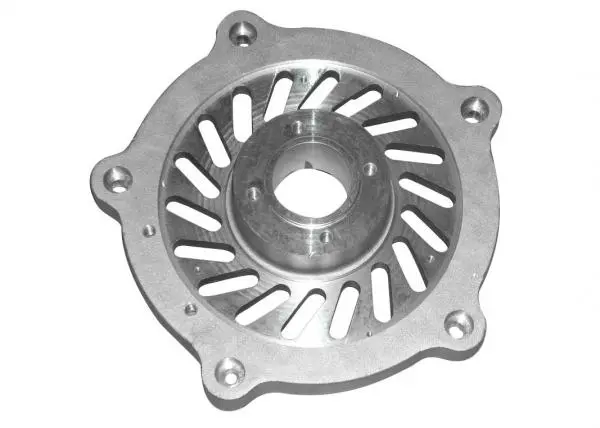
Understanding the Fundamentals of Metal Casting
Metal casting transforms raw materials into functional components through controlled thermal processes. The foundation begins with selecting appropriate alloys based on application requirements. Aluminum alloys offer exceptional strength-to-weight ratios, making them ideal for automotive, aerospace, and industrial applications.
Controlling the temperature is very important at every step of the process. To get the best flow properties and keep it from oxidizing, molten aluminum needs to be heated very carefully. Foundry operators keep an eye on the quality of the melt by using systematic testing techniques to make sure the chemical composition and mechanical qualities stay the same.
The quality of the finished component is greatly affected by the design of the mold. Engineers think about things like the structure of the gating system, how to speed up the cooling process, and how to regulate heat. Advanced casting simulation software helps find any flaws before production starts, which cuts down on waste and raises yields.
Pattern creation sets the stage for effective casting operations. Modern 3D-printed patterns are replacing traditional wooden ones. They allow for more creative freedom and speedier development. Digital pattern libraries make it easy to quickly change patterns to meet the needs of different clients.
Sand Casting: The Versatile Foundation
Sand casting remains the most adaptable manufacturing method for complex geometries and varied batch sizes. This technique accommodates everything from prototype development to medium-volume production runs. Green sand molds provide excellent dimensional accuracy while maintaining cost-effectiveness.
The quality of the surface finish is directly affected by the composition of the molding sand. When you blend silica sand with clay binders, you get sturdy molds that let air through and can handle the heat of molten metal. Advanced foundries use synthetic sand systems to make their products more consistent and better for the environment.
With core building, you can add complex internal features that other approaches can't. When sand cores are put within mold holes, they form hollow parts, threads, and complicated interior pathways. Modern core-making machines do this automatically, which makes it easier to do it again and over again.
Pattern allowances make up for the fact that metal shrinks when it cools down. Based on the alloy composition, section thickness, and cooling conditions, experienced foundry experts figure out how to make these changes. Planning the right amount of time ahead of time avoids changes in size and expensive rework.
The way you pour has a big effect on the quality of the casting. Controlled pour rates cut down on turbulence and the production of oxides. Bottom-fill gating systems let metal flow more smoothly than top-pour systems, which gives them better mechanical qualities.
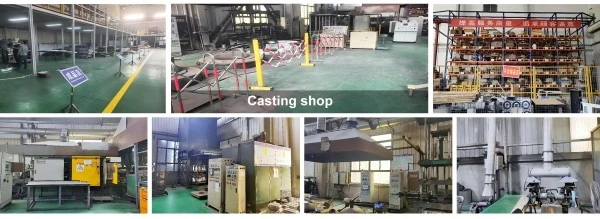
Die Casting: Precision at Scale
Die casting is great for high-volume applications because it gives you very accurate dimensions and a very smooth surface. This procedure, which uses pressure, pushes molten metal into steel molds in a controlled way. Die casting is very important for making engine blocks, gearbox housings, and structural parts for cars.
Cold chamber techniques are best for aluminum, whereas hot chamber die casting works best for zinc and magnesium alloys. In cold chamber machines, the process of casting aluminum involves pouring molten metal into the shot chamber before it is injected. This method keeps iron from getting into the die and makes it last longer.
It is important to carefully optimize the settings for injection pressure. Higher pressures help fill molds better, but they can also induce flash production or damage to the die. Process engineers find the right balance between these factors to provide the best quality while also keeping production running smoothly. Depending on how complicated the part is, the normal injection pressure is between 700 and 4,500 PSI.
Thermal management, venting, and ejection mechanisms are all things to think about while designing a die. Strategically placing the cooling channels makes sure that the solidification rates are the same all around. Poor venting makes casting porous, whereas good gas evacuation makes parts that are thick and strong.
Optimizing cycle time has a direct effect on the cost of making things. Automated methods cut down on the time it takes to handle things between cycles while still meeting quality requirements. Modern die casting cells include real-time monitoring built in so that process changes may be made right away.
Investment Casting: Achieving Complex Precision
Investment casting, historically known as lost-wax casting, produces intricate components with exceptional surface detail. This technique excels in aerospace applications where complex internal cooling passages and tight tolerances are essential. The process begins with creating wax patterns that replicate the final component geometry.
Shell building involves multiple ceramic coating applications. Primary coats use fine refractory materials for surface detail, while backup coats provide structural strength. Each layer requires complete drying before subsequent applications, extending overall processing time but ensuring superior quality.
Dewaxing removes pattern material through steam autoclaves or flash fire furnaces. Complete wax elimination prevents casting defects and ensures dimensional accuracy. Residual wax can cause surface irregularities or internal voids that compromise component integrity.
Metal pouring occurs at elevated temperatures to ensure complete mold filling. Vacuum assistance helps eliminate porosity in casting while improving mechanical properties. Controlled cooling rates prevent thermal shock that could crack ceramic shells.
Shell removal exposes finished castings ready for secondary operations. Sandblasting removes ceramic residue while revealing final surface finish. Investment casting typically achieves surface roughness values between 125-250 microinches without additional machining.
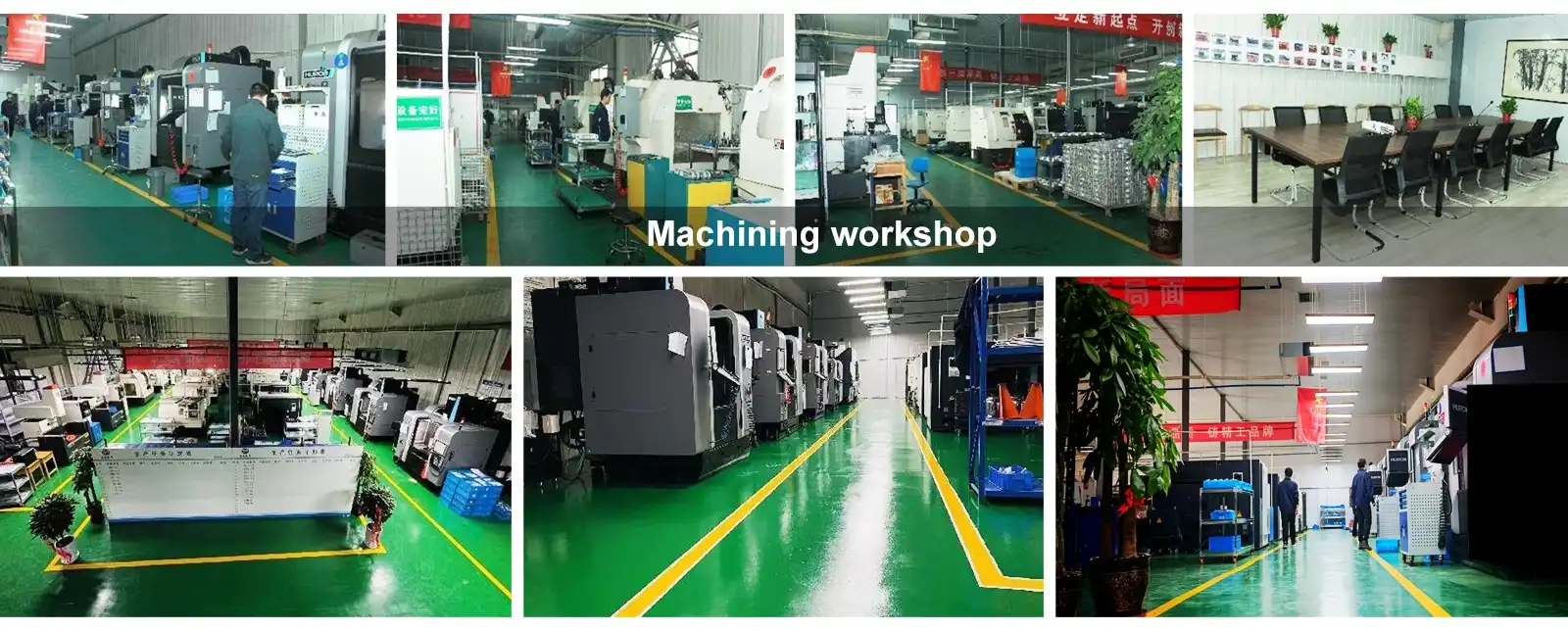
Low-Pressure Casting: Controlled Excellence
Low-pressure casting combines gravity feeding with controlled pressure application. This hybrid approach reduces turbulence while maintaining excellent mold filling characteristics. The aluminium casting process utilizes pressures around 0.7 bar to drive molten metal upward into mold cavities.
Furnace positioning below the mold enables bottom-fill gating, minimizing oxide formation. Gradual pressure increases ensure laminar flow throughout the filling process. This controlled approach produces castings with superior mechanical properties compared to conventional gravity methods.
Pressure holding during solidification prevents shrinkage defects in thick sections. Continuous metal feeding compensates for volumetric contraction as the casting cools. Release pressure timing affects final quality and requires precise process control.
Return systems recover unused metal back to the holding furnace. This closed-loop approach minimizes material waste while maintaining melt chemistry. Automated pressure cycles enable consistent repeatability across production batches.
Mold designs for low-pressure applications require specialized considerations. Riser systems must accommodate pressure-driven filling while preventing backflow. Proper gating design ensures uniform pressure distribution throughout complex geometries.
Quality Control and Defect Prevention
Casting defects significantly impact component performance and manufacturing costs. Understanding common defect mechanisms enables proactive prevention strategies. Porosity in casting results from gas entrapment, shrinkage, or inadequate venting. Non-destructive testing methods identify internal voids before costly machining operations.
Shrinkage defects occur when insufficient metal feeding occurs during solidification. Strategic riser placement and chilling techniques control directional solidification. Computer simulation helps predict shrinkage locations and optimize feeding systems accordingly.
Surface defects include cold shuts, misruns, and inclusions. Proper gating design prevents these issues through controlled metal flow patterns. Filtration systems remove oxides and other contaminants that cause surface irregularities.
Dimensional accuracy depends on pattern precision, mold construction, and thermal management. Coordinate measuring machines verify critical dimensions throughout production runs. Statistical process control identifies trends before specifications drift beyond acceptable limits.
Heat treatment enhances mechanical properties and relieves internal stresses. Solution treatment followed by aging cycles optimizes strength and ductility. Proper heat treatment protocols are essential for components subject to dynamic loading conditions.

Emerging Technologies and Future Trends
Casting automation revolutionizes traditional foundry operations through robotic integration and artificial intelligence. Automated pouring systems maintain consistent temperatures while reducing operator exposure to hazardous conditions. Smart sensors monitor process parameters in real-time for immediate quality feedback.
3D printing technologies create sand molds directly from digital files, eliminating pattern requirements. This additive approach enables rapid prototyping and small-batch production. Complex internal geometries become possible without traditional core-making limitations.
Simulation software continues advancing with more sophisticated modeling capabilities. Coupled thermal-fluid analysis predicts metal flow behavior with unprecedented accuracy. Virtual testing reduces physical trials while optimizing process parameters.
Sustainable foundry practices focus on energy efficiency and waste reduction. Induction melting systems offer precise temperature control with lower environmental impact. Recycling programs recover valuable materials from production waste streams.
Advanced alloy development creates materials with enhanced properties for demanding applications. Nano-grain refinement improves strength characteristics while maintaining castability. These innovations expand casting applications into previously inaccessible markets.
Partner with Expert Aluminium Casting Process Manufacturers
Rongbao Enterprise delivers comprehensive aluminum casting solutions backed by 20 years of manufacturing excellence. Our ISO-certified facilities utilize advanced die casting, sand casting, and precision machining capabilities to meet diverse industry requirements. With 70% of production serving European, American, and Japanese markets, we understand global quality standards and deliver consistent results. Contact our technical team at steve.zhou@263.net or zhouyi@rongbaocasting.com to discuss your specific aluminium casting process requirements and discover how our integrated manufacturing approach can optimize your component quality and supply chain efficiency.
References
- Campbell, J. (2015). Complete Casting Handbook: Metal Casting Processes, Metallurgy, Techniques and Design. Butterworth-Heinemann.
- Beeley, P.R. (2001). Foundry Technology. 2nd Edition. Butterworth-Heinemann.
- Askeland, D.R. & Wright, W.J. (2016). The Science and Engineering of Materials. 7th Edition. Cengage Learning.
- Brown, J.R. (2000). Foseco Non-Ferrous Foundryman's Handbook. 11th Edition. Butterworth-Heinemann.
- Flemings, M.C. (1974). Solidification Processing. McGraw-Hill Series in Materials Science and Engineering.
- Ravi, B. (2005). Metal Casting: Computer-Aided Design and Analysis. Prentice Hall of India.
Learn about our latest products and discounts through SMS or email