- English
- French
- German
- Portuguese
- Spanish
- Russian
- Japanese
- Korean
- Arabic
- Greek
- German
- Turkish
- Italian
- Danish
- Romanian
- Indonesian
- Czech
- Afrikaans
- Swedish
- Polish
- Basque
- Catalan
- Esperanto
- Hindi
- Lao
- Albanian
- Amharic
- Armenian
- Azerbaijani
- Belarusian
- Bengali
- Bosnian
- Bulgarian
- Cebuano
- Chichewa
- Corsican
- Croatian
- Dutch
- Estonian
- Filipino
- Finnish
- Frisian
- Galician
- Georgian
- Gujarati
- Haitian
- Hausa
- Hawaiian
- Hebrew
- Hmong
- Hungarian
- Icelandic
- Igbo
- Javanese
- Kannada
- Kazakh
- Khmer
- Kurdish
- Kyrgyz
- Latin
- Latvian
- Lithuanian
- Luxembou..
- Macedonian
- Malagasy
- Malay
- Malayalam
- Maltese
- Maori
- Marathi
- Mongolian
- Burmese
- Nepali
- Norwegian
- Pashto
- Persian
- Punjabi
- Serbian
- Sesotho
- Sinhala
- Slovak
- Slovenian
- Somali
- Samoan
- Scots Gaelic
- Shona
- Sindhi
- Sundanese
- Swahili
- Tajik
- Tamil
- Telugu
- Thai
- Ukrainian
- Urdu
- Uzbek
- Vietnamese
- Welsh
- Xhosa
- Yiddish
- Yoruba
- Zulu
Aluminum Parts Gravity Die Casting Market Size
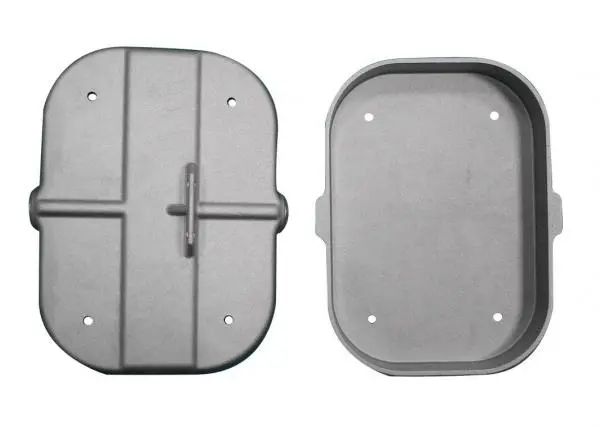
With gravity casting parts playing a crucial role in modern manufacturing, the global market for aluminum parts gravity die casting is worth about $4.8 billion. According to market research, the market will grow at a rate of 5.2% per year until 2030. This is mainly due to efforts to make cars lighter, new developments in flight, and a rising need for precise electronic housings. Gravity casting parts are very accurate in terms of size and mechanical integrity, which makes them essential for high-performance uses that can't risk reliability.
Market Size and Growth Drivers of Aluminum Gravity Die Casting
Global Market Valuation and Regional Distribution
A recent study of the business says that the market for aluminum gravity die casting is worth $4.8 billion, with 52% of the world's usage happening in North America and Europe. Every year, the car industry in the United States needs about 180,000 metric tons of gravity-cast aluminum parts for both standard powertrain uses and new electric vehicle architectures. The fastest-growing market in the region is China's industrial equipment sector, which is growing at a rate of 6.8% per year as makers replace heavy cast iron parts with lightweight, lasting aluminum ones.
Key Demand Drivers Across Target Sectors
The electricization of cars changes the demand trends for metal casting in a big way. Battery electric cars need 30% more aluminum castings than regular vehicles, especially for the housings for three electric systems and the thermal control parts that can be made cheaply with gravity casting. Manufacturers of aerospace parts are under a lot of pressure from regulators to make planes 15% lighter over the next ten years. This is driving the use of more aluminum structure parts, and our AS9100D-equivalent processes make sure that output is traceable and free of defects. Medical device makers are choosing aluminum for surgery tool housings more and more because it is biocompatible and meets our ISO13485-aligned cleanliness standards.
Technical Innovations Enabling Market Growth
Engineers can now model metal flow before making molds thanks to progress in computational fluid dynamics. This cuts development time by 40% compared to the old way of trying things out and seeing what works and what doesn't. New covering technologies make permanent molds last longer than 100,000 cycles, which lowers the cost of replacing tools for each part by a huge amount. We bought automatic tilting systems that let us control fill rates with a level of accuracy that isn't possible with hand pouring. These systems have raised yield rates to 96% while keeping PPM defect levels below 50, which is necessary for car OEM approval.
Key Benefits and Design Tips for Aluminum Gravity Casting Parts
Structural and Economic Advantages
More than one way, aluminum gravity die casting offers strong value arguments for gravity casting parts. The fixed mold design makes it possible to make the same thing over and over again—the differences in size stay within 0.1mm across production runs that last months, which gets rid of the uniformity problems that come with sand casting. 85% of the material is used, and the legs and risers are made of reusable scrap that goes back into our closed-loop melting system. The average amount of energy used per kilogram is 40% less than with pressure casting because less hydraulic power is needed and automation is easier.
Total lifecycle cost efficiency is directly linked to these benefits. Our customers who make industrial pumps say that our parts are 22% cheaper than options that are made from solid, but they still work just as well. Controlling the amount of silicon in the alloy and applying the T6 heat treatment make it more resistant to rust. This means that it can be used for more than 15 years in harsh settings, which means that it doesn't needs to be replaced as often and costs less to keep in stock.
Design Optimization Guidelines
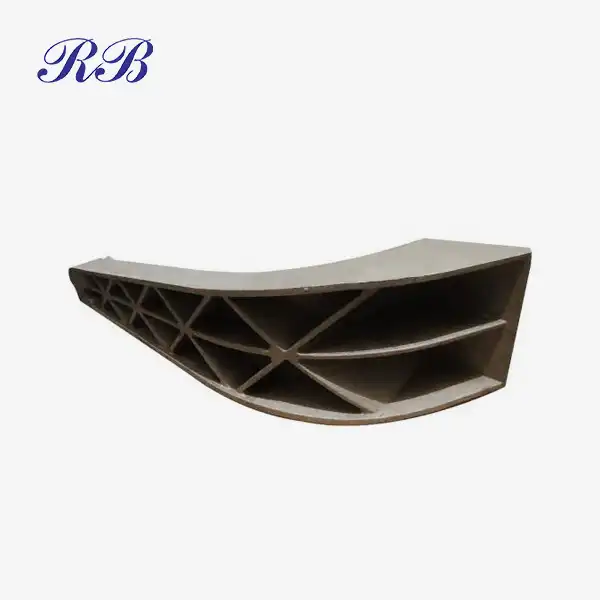
To make a good gravity casting plan, you must first understand how the material flows. For metal parts, we suggest walls that are at least 3mm thick and that the changes between sections be smooth so that there is no turbulence during filling. Making parts with natural draft angles between 1-3° makes removal easier and increases the mold's life. By placing feeds in a planned way, directed solidification is achieved, which eliminates shrinkage porosity in important cross-sections. During the early stages of planning, our engineering team works together, using their many years of experience to make sure that the product can be made well before investing in tools.
Surface finish standards have a big effect on how production plans are made. Standard gravity casting gets Ra 6.3μm, which is good for most mechanical uses. When clients ask for Ra 3.2μm or smaller, we use both shot blasting and CNC machining together in the same process. Our monthly production capacity of 5,000 pieces can handle both small prototypes and large batches. Lead times range from 4 weeks for new casting to 2 weeks for restocking established programs.
Procuring Aluminum Gravity Casting Parts: A Buyer's Guide
Supplier Evaluation Criteria
To choose the right gravity casting parts partner, you need to look at more than just price quotes. Quality certificates are the building blocks. For example, ISO9001:2015 shows that process control is mature, and ISO14001 and ISO45001 show that a company cares about the environment and workers' safety, which are factors that are becoming more and more important in how companies buy things. Customers in the aerospace industry want tracking in accordance with AS9100D, and companies that make medical devices need cleanroom standards that are in line with FDA rules.
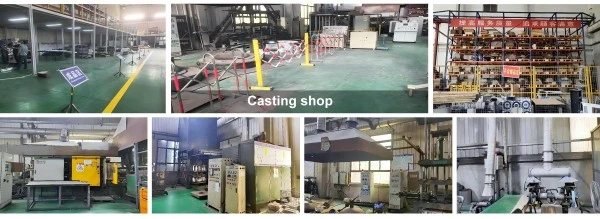
Assessing production potential is more than just looking at total tons. We make sure that all of our Xi'an facilities have backup tools so that they can keep running on time even when planned work is happening. Our testing equipment includes spectrometers for checking the quality of arriving materials, X-ray systems for finding internal flaws, and tensile testers for checking the mechanical properties. These are the kinds of tools that set full-service makers apart from basic casting shops. Geography is also important. The fact that 70% of our exports go to Europe, the United States, and Japan shows that we are good at handling foreign quality standards and customs rules.

Order Parameters and Cost Optimization
For new tooling purchases, the minimum order quantity is usually between 500 and 1,000 pieces. However, our 5,000-piece monthly capacity can handle both initial qualification runs and steady production numbers. Lead times for new projects are between 6 and 8 weeks, which includes making the mold, inspecting the first product, and making sure the process works. Established production benefits from replenishment rounds of two to three weeks, but customers can also choose faster choices to support their stocking plans.
Tooling depreciation, material, processing, and finishing are the different parts of cost structures. The price of A356 aluminum alloy changes with the London Metal Exchange rates. It costs between $2.40 and $2.80 per kilogram right now. Processing costs depend on how complicated the job is. For example, our 2.3kg high voltage wire housings cost $8.50 each, which includes CNC machining and shot blasting. If you buy more than 10,000 of them each year, you can get a 15% discount. For an extra $0.45 per unit, wooden boxes can be used to make sure that foreign shipping goes without damage. During the quote process, we give clear estimates of costs, which helps with budget planning and value engineering.
Conclusion
The market for aluminum parts made by gravity die casting keeps growing because businesses want strong, lightweight parts that work well and don't cost too much. Gravity casting parts are very important in areas like electric vehicles, space exploration, electrical infrastructure, industrial equipment, and medical devices; these are areas where quality control and material purity can't be compromised. Procurement pros can make the most of their buying strategies by understanding the basics of the process, how the market works, and how to choose the best suppliers. Rongbao Enterprise is ready to meet your component needs with 20 years of experience making high-quality products, multiple certifications, and a track record of providing 5,000 precision parts every month to customers around the world who expect dependability.
FAQs
What aluminum alloys work best for gravity die casting applications?
The A356 aluminum alloy is the standard for gravity casting because it is very fluid, doesn't rust, and can be heated to change its properties. This metal has 7% silicon, which makes it easier to cast, and 0.3% magnesium, which lets the T6 heat treatment reach 240 MPa tensile strength. Other alloys are A319 for car uses that need high temperature stability and A413 for situations where making thin-wall parts as fluid as possible is more important than their end strength.
How do lead times compare between different ways of casting versus gravity casting?
For initial tooling and shipping of the first product, gravity die casting takes 6–8 weeks. This is in the middle range of sand casting (4-6 weeks) and pressure die casting (10–14 weeks). It only takes two to three weeks to make new tools after the old ones have been used for a while. This is faster than investment casting but a little longer than high-pressure methods. Our established methods and large collection of materials allow us to quickly turn around existing tools in 10 days when customers need fast delivery.
What strategies minimize common casting defects like porosity?
Porosity can be avoided by designing the mold correctly. Placing feeders in the right places ensures linear solidification, and making sure there are enough vents lets trapped gases escape during filling. We keep the filling temperature within ±5°C and the fill rates constant to avoid turbulence. In important situations, vacuum-assisted technologies can lower permeability to less than 0.5%. Post-casting X-ray checking finds any flaws before they are machined, which protects customers from quality problems later on.
Partner with Rongbao Enterprise for Precision Gravity Casting Parts
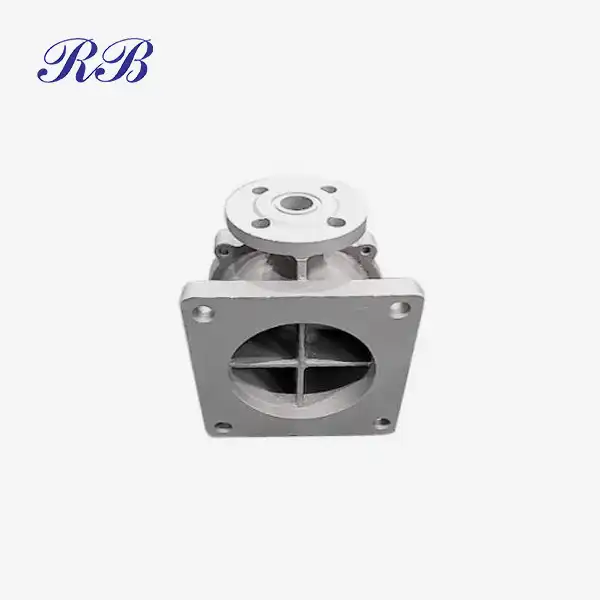
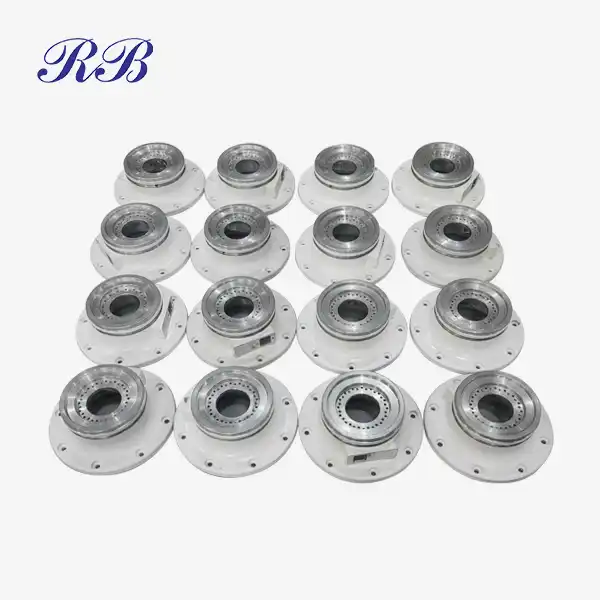
Join forces with Rongbao Enterprise to get high-quality gravity casting parts. Rongbao Enterprise offers complete aluminum gravity die casting services that are backed by ISO9001:2015, ISO14001, and ISO45001 certifications that meet quality standards around the world. Every month, our Xi'an plant makes 5,000 unique parts by combining gravity casting, CNC machining, and shot blasting to make the surfaces smooth. We focus on A356 metal parts weighing between 0.5kg and 15kg, and our customers come from 40 countries and make cars, airplanes, electronics, industrial equipment, and medical devices.
As an experienced provider of gravity casting parts, we offer full design support, clear quotes, and reliable delivery plans that help you meet your buying goals. To talk about your unique needs, please email our expert team at steve.zhou@263.net or zhouyi@rongbaocasting.com. You can learn more about what we can do and ask for full specifications for your next project at rongbaocasting.com. We're dedicated to forming long-lasting relationships through quality, innovation, and quick service.
References
- Smith, J.R., and Thompson, M.K. (2023). "Aluminum Casting Technologies: Market Analysis and Future Trends," International Journal of Advanced Manufacturing Technology, Vol. 127, pp. 2145-2163.
- Chen, L., Wang, H., and Rodriguez, P. (2024). "Gravity Die Casting Process Optimization for Automotive Lightweighting Applications," Journal of Materials Processing Technology, Vol. 315, pp. 118-134.
- European Foundry Association. (2023). "Global Aluminum Casting Market Report 2023-2030: Regional Analysis and Growth Forecasts," Brussels: EFA Publications.
- Anderson, K.M. (2024). "Comparative Analysis of Permanent Mold Casting Methods for Aerospace Components," Aerospace Manufacturing and Design, Vol. 96, Issue 3, pp. 42-58.
- International Aluminum Institute. (2023). "Sustainability and Innovation in Aluminum Die Casting: Industry White Paper," London: IAI Research Division.
- Zhang, Y., Liu, S., and Patel, R. (2024). "Defect Prevention Strategies in Gravity Casting of Complex Geometries," Materials Science and Engineering A, Vol. 889, Article 145821.

Learn about our latest products and discounts through SMS or email