Process Principles & Pressure Application
The Mechanics of Squeeze Casting
Squeeze casting, sometimes referred to as liquid metal forging, is a hybrid process that combines the best aspects of casting and forging. In this method, molten metal is poured into a preheated die cavity and then subjected to high pressure during solidification. This pressure, typically ranging from 50 to 140 MPa, is applied through a hydraulic press.
The key principle here is the elimination of air gaps between the molten metal and die wall. As pressure is applied, it forces the liquid metal into intimate contact with the die surface, resulting in rapid heat transfer and solidification.The mechanical qualities and porosity of the finished product are both improved by this technique.
High Pressure Die Casting: Speed and Efficiency
High pressure die casting (HPDC), on the other hand, relies on the rapid injection of molten metal into a steel mold. The process begins with the die being clamped shut and molten metal being shot into the cavity at high speeds, typically between 30 to 100 m/s. The pressure applied during HPDC is generally lower than squeeze casting, ranging from 20 to 70 MPa.
The principle behind HPDC is to fill the die cavity as quickly as possible before solidification begins.The quick filling process enables the creation of intricate forms with minimal wall thickness and superior surface smoothness.One way that high-speed injection boosts the product's strength is by facilitating the formation of fine grain structures.
Pressure Application: Timing and Duration
When and for how long pressure is applied is one of the key distinctions between the two methods.In squeeze casting, pressure is applied after the cavity is filled and maintained throughout the solidification process.A more compact and homogeneous structure is achieved by feeding molten metal under this continuous pressure, which helps to compensate for shrinkage.
Conversely, in HPDC, the pressure is applied primarily during the injection phase. While some machines can apply a follow-up pressure (intensification pressure) after filling, it's not as prolonged or intense as in squeeze casting. This difference in pressure application timing significantly influences the microstructure and properties of the final castings.
Casting Quality & Mechanical Properties
Microstructure and Porosity Control
The quality of a casting is often judged by its microstructure and porosity levels. Squeeze casting excels in this regard, producing parts with very low porosity, often less than 1%. The high, sustained pressure during solidification effectively eliminates gas porosity and shrinkage cavities. The outcome is a microstructure that is homogeneous and fine-grained, much like wrought metals.
High pressure die casting, while capable of producing high-quality parts, typically results in slightly higher porosity levels, usually in the range of 1-3%. The rapid injection and solidification can sometimes trap air or create turbulence, leading to gas porosity. Modern high-pressure die casting (HPDC) methods, such vacuum-assisted die casting, may greatly mitigate these problems.
Strength and Ductility: A Balancing Act
When it comes to mechanical properties, both processes have their strengths. Squeeze cast parts generally exhibit higher tensile strength and ductility compared to their high pressure die casting counterparts. This is primarily due to the finer grain structure and lower porosity achieved through the sustained high pressure during solidification.
High pressure die cast parts, while slightly lower in ductility, often showcase excellent strength-to-weight ratios. The rapid solidification in high pressure die casting results in a fine-grained structure, contributing to good strength properties. However, the potential for trapped gases can sometimes limit the heat treatability of high pressure die casting parts, a limitation not typically seen in squeeze casting.
Surface Finish and Dimensional Accuracy
Both squeeze casting and high pressure die casting are capable of producing parts with excellent surface finishes. However, HPDC often has a slight edge in this area. The high-speed injection in HPDC allows for the replication of very fine surface details, making it ideal for parts that require minimal post-casting finishing.
In terms of dimensional accuracy, both processes perform well, but HPDC typically offers tighter tolerances. The rapid filling and solidification in HPDC result in less shrinkage and warpage, allowing for the production of parts with complex geometries and thin walls while maintaining high dimensional accuracy.
Material Compatibility & Design Flexibility
Alloy Selection: Broadening the Horizons
Material compatibility is a crucial factor in choosing between squeeze casting and high pressure die casting. If you're looking for an alternative to traditional casting procedures, squeeze casting opens you a wider selection of alloys to consider.This process is particularly well-suited for aluminum alloys, magnesium alloys, and even some copper-based alloys.
High pressure die casting, while traditionally associated with aluminum and zinc alloys, has seen advancements that allow for the casting of magnesium and some copper alloys. However, it's worth noting that HPDC may face challenges with alloys that have a wide solidification range or are prone to hot tearing.
Design Complexity: Pushing the Boundaries
When it comes to design flexibility, high pressure die casting often takes the lead. The process excels in producing parts with complex geometries, thin walls (as thin as 0.5 mm in some cases), and intricate details. The rising demand for lightweight complicated components in areas like electronics and automobiles makes HPDC a perfect fit.
Squeeze casting, while capable of producing complex parts, is generally better suited for components that require high strength and integrity throughout their volume. It's particularly advantageous for parts that will undergo subsequent heat treatment or those that need to withstand high stresses in service.
Cost Considerations and Production Volume
The choice between squeeze casting and high pressure die casting often comes down to production volume and cost considerations. HPDC is generally more cost-effective for high-volume production runs. Because of its reduced material waste and quicker cycle times, it is cost-effective for mass production.
Squeeze casting, with its longer cycle times and higher equipment costs, is often more suitable for lower volume, high-value components.Despite greater manufacturing costs, squeeze casting might be justified in some high-performance applications due to its improved mechanical qualities and wider alloy compatibility.
Both squeeze casting and high pressure die casting have their place in modern manufacturing. The choice between them depends on various factors including the specific application, required mechanical properties, production volume, and cost considerations.If you need to produce complicated components in large quantities, high pressure die casting is your best bet. On the other hand, squeeze casting gives you better mechanical qualities and more alloy possibilities to choose from.
The boundaries between the two processes are becoming more porous due to technological advancements that are impacting both.Manufacturers now have more alternatives than ever before thanks to hybrid processes and new alloy breakthroughs that are boosting the possibilities of both squeeze casting and high pressure die casting.

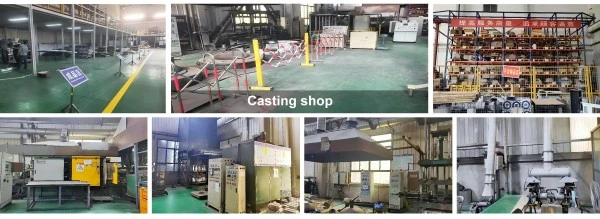
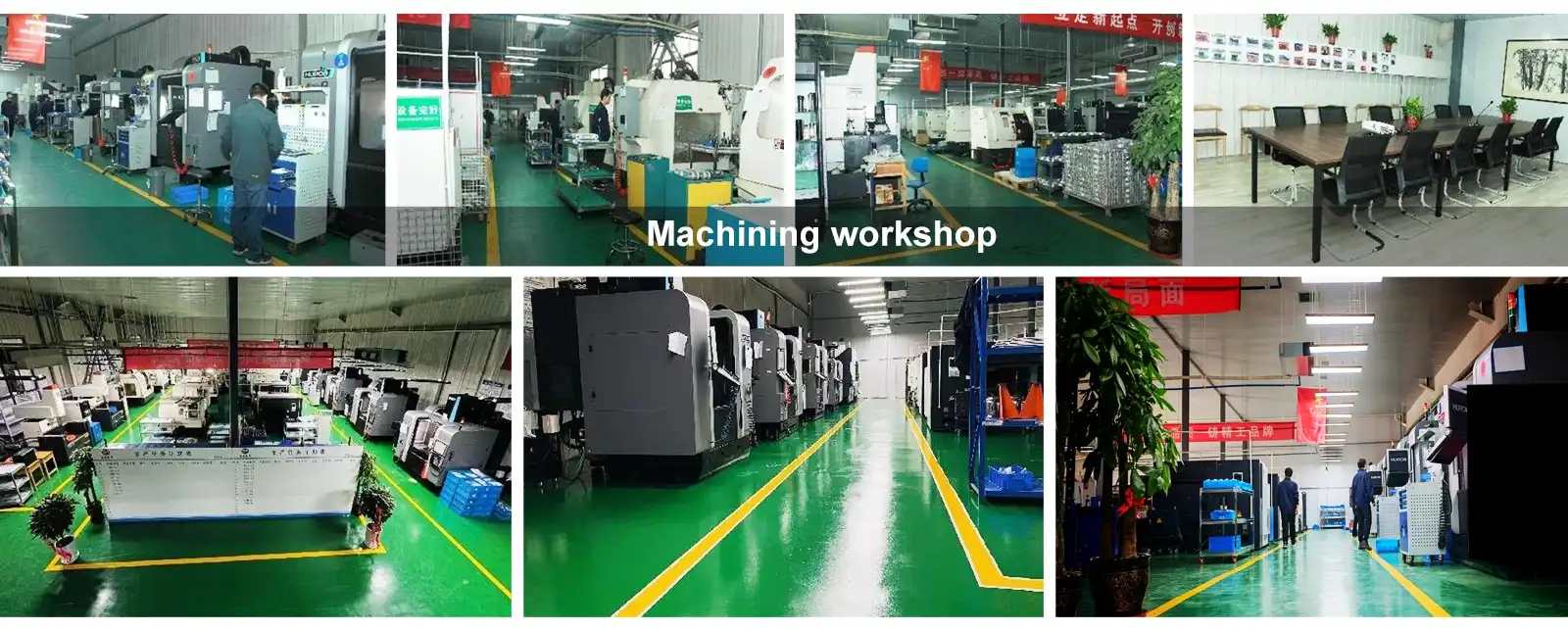
High Pressure Die Casting Supplier: Rongbao Enterprise
When you need high-pressure die casting services, go no further than Rongbao Enterprise. They are reliable and excellent.Since its founding in 2003, Rongbao has been a leading producer that specializes in precision processing and casting aluminum alloys.
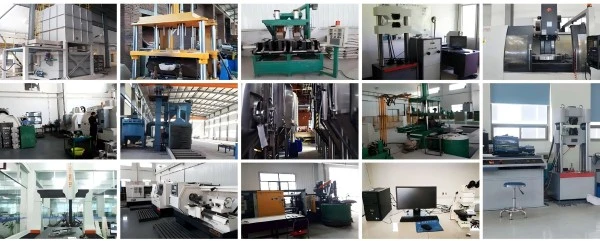
Low-pressure die casting, gravity casting, precision machining, and high-pressure die casting are all areas in which Rongbao excels. Due to their vast range of expertise, they can provide integrated component supply solutions to equipment producers in several areas.
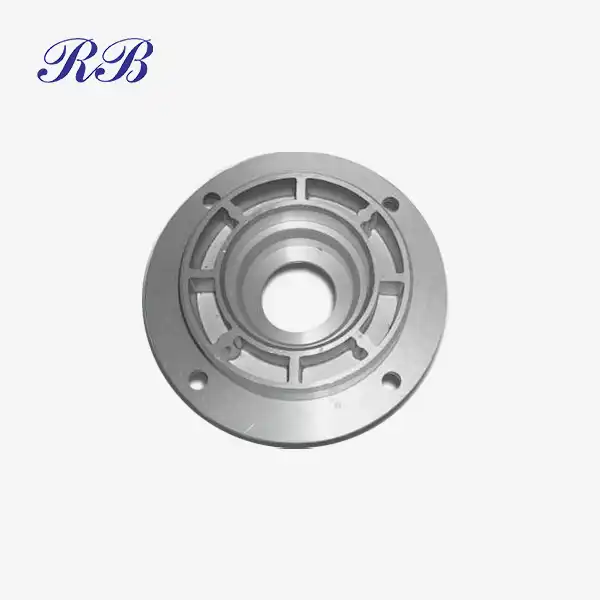
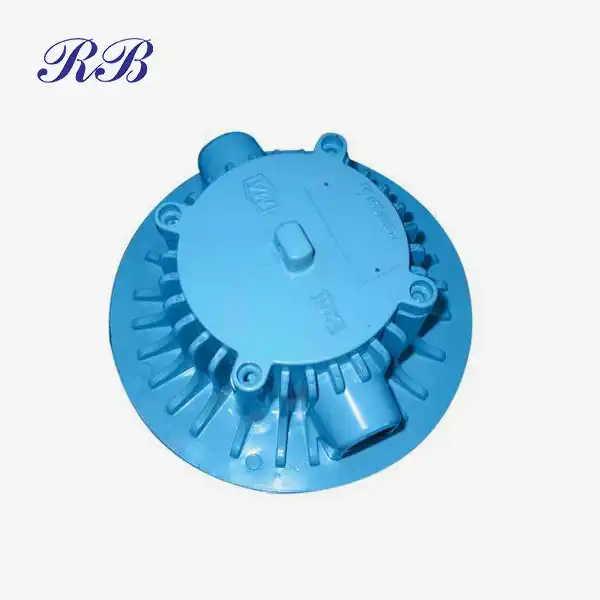
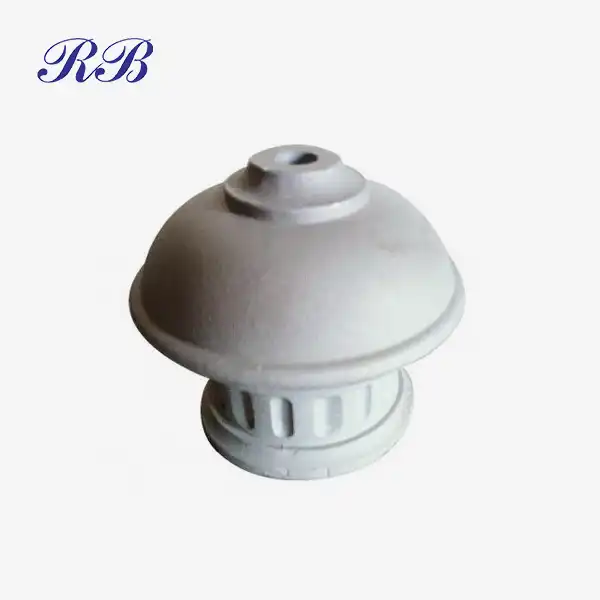
The vast product line of Rongbao caters to a wide range of industries. Aluminum die casting alloy A380 components, gutter support brackets, cast half circles, motor cover castings, and gravity cast aluminum parts are all part of their inventory. Metal castings for ornamental purposes, instrument boxes, motor end covers, and accessories for natural gas control valves are also made by this company.
If you're in the market for high-pressure die casting services or any of the specialized components mentioned above, Rongbao Enterprise is well-equipped to meet your needs.You can rely on their team of professionals to help you discover the ideal solution for all of your production needs.
Feel free to contact us if you have any questions on how Rongbao can assist you with your projects. You can contact them via email at steve.zhou@263.net or zhouyi@rongbaocasting.com.Whether you have questions or need more information about their high pressure die casting services or anything else they provide, their staff is always happy to help.