What Does Square Mean in Pipe Fitting?
Square in pipe fitting terms means the shape of the body, orifice, or connection interface of the fitting. The square fitting is not a conventional round fitting and is designed to take a square or matching rectangular profile depending upon the product geometry.
The term does not automatically describe the material, wall thickness, pressure rating, or connection method of the fitting. Features must be independently confirmed using product drawings and technical standards.
Square Profiles and Their Practical Purpose
Square profiles might be useful if a pipe system needs to follow level building surfaces or connect to components with comparable non-circular profiles. Square rainwater downpipes may be a neat fit to the exterior wall; for instance, a pragmatic solution for some types of building design.
But the outside shape alone is not enough to say whether a fitting is suited for a certain system. The size of the internal passages and connections, the sealing configuration, and the mounting method also affect performance.
Buyers should verify the opening dimensions, total length, connection depth, and any required installation clearances before ordering a square fitting. If the fitting connects two different profiles, the transition geometry needs to be considered.

How Square Pipe Fittings Connect to a Piping System
A fitting must be compatible with the pipes or components it connects to. A little inaccuracy in size might cause trouble in assembly, uneven joints, or problems with the intended technique of sealing.
Square pipe fittings with ears are particularly crucial for projects that include square or rectangular pipes rather than the usual round tubes. Installers should go beyond the product name when choosing a component to consider the nominal dimensions and actual connection geometry.
Checking Dimensions and Connection Compatibility
The most important factors are usually opening width and height, wall thickness, fitting depth, and connection orientation. Depending on the application, buyers may also need to consider fastener sizes, hole location, and space around the connection.
The joint design should be compatible with the predicted flow direction of the application and installation conditions. If a watertight connection is desired, the gasket, sealer, or joining method must be compatible with the materials.
A square profile does not ensure no leakage. The dimensional accuracy, correct sealing elements, fitting-up and correct maintenance of the machine are the basis of the machine operation.
Why the Ears Matter
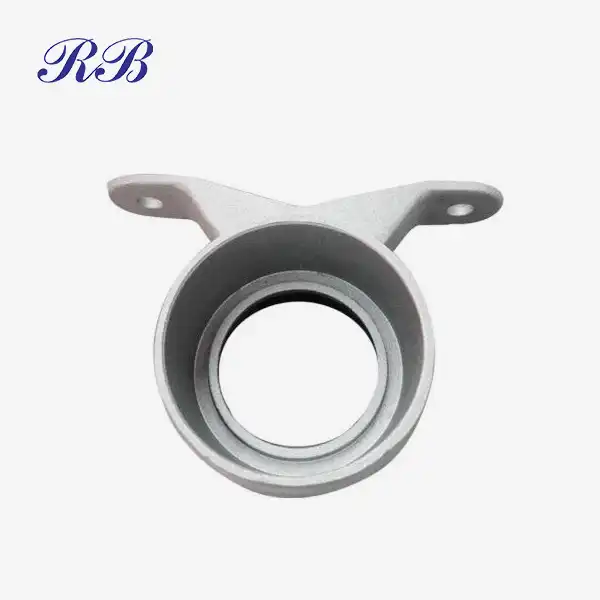
Ears are additional projecting features which may be on a square fitting and used for mounting points or to accept fasteners. Depending on design they may secure the fitting to a wall, bracket, frame or other supporting structure.
They are particularly useful if the pipe has to be in a set position during installation. Well designed mounting parts may help with alignment, and can help the installer keep the component in place without relying on the connected pipe for support.
All ear fits are not mounted the same way. Buyers should check the number of ears, hole diameter, spacing, thickness, and enough clearance before buying. This information will determine whether the component is to be attached using the brackets or fasteners provided for the task.

Where Are Square Pipe Fittings Used?
Square fittings are used in certain architectural and industrial applications when the form and the mounting elements of the square fitting match the needs of the project. Always check the final application to the product drawing and necessary installation requirements.
Rainwater Drainage and Building Exteriors
Square rainwater pipes are used to convey runoff from roof drainage systems to approved places of release on certain residential, commercial and industrial buildings. They have flat external surfaces that might be handy to place against walls and architectural elements.
Use an appropriate fitting to join together lengths of square pipe fittings with ears downpipe or to accommodate a specific installation design. The proper choice will be determined by pipe profile, predicted rainfall, drainage design, joint requirements and exposure to the elements.
Shape alone does not mean a square fitting has more drainage capacity than a circular fitting and contractors should not presume this. The capacity to flow is a function of internal dimensions, hydraulic conditions and the overall architecture of the system.
Wall-Mounted and Space-Constrained Installations
In addition, the layout design may be easier when pipes are adjacent to walls or in clearly defined regions. level sides make placing simpler when the surrounding structure likewise has level mounting surfaces.
Fittings with ears are used to provide extra mounting locations for the component. However, installers must make sure the mounting surface can sustain the system and that the fasteners are suitable for the substrate and predicted stresses.
Custom Building and Equipment Projects
Some applications need fittings with non-standard dimensions, unique hole locations, or mounting characteristics not found in regular items. If this is the case, then a purpose-made square fitting may be a better match than converting an inadequate off-the-shelf component.
The design revision, material, dimensions tolerances, surface finish and inspection criteria should be agreed upon between the customer and manufacturer before production. Early confirmation of these aspects helps to limit the possibility of re-work during installation.
Choosing the Right Material and Manufacturing Process
The material choice will impact weight, corrosion resistance, mechanical qualities, and compatibility of the fitting with its operating environment. The decision relies on the intended purpose and not on any specific material property.
When Aluminum Alloy Is Suitable
Aluminum alloys include A356 when applicable. Fittings requiring relatively low weight and acceptable corrosion resistance may be chosen. The choice relies on the alloy condition, the quality of the casting, the surface treatment, and the actual service environment.
When installing outside, customers will need to take into account exposure to moisture, temperature variations, contact with other metals, and any chemicals that may come into contact with the fitting. Some applications may need protective coatings or other surface treatments, but the decision should be dictated by the necessary finish and weather circumstances.
Material identification is not enough to determine product quality. The purchasers should seek the material specification and associated inspection documents when appropriate to the project.
What Gravity Casting Can Offer
One way to manufacture metal parts with specific forms and characteristics is by gravity casting. Depending on the part design, a fitting body and mounting ears may be made in one casting, which reduces the number of individually connected mounting parts.
The ultimate quality is still a function of mold design, alloy control, pouring circumstances, cooling, and subsequent machining or finishing. Therefore, the casting should be judged against quantitative acceptability criteria, not only the process of manufacture.
Dimensional inspection . Visual inspection for surface faults. Check the mounting hole locations. Verify the material is as required. For a bespoke square fitting. The further test selection should be based on the function of the part and the quality criteria of the customer.
Evaluating Supplier Quality
Buyers should evaluate manufacturers on their quality management structures, inspection capabilities, manufacturing experience, and capability to maintain consistent dimensions across batches.
ISO 9001 accreditation is proof of a quality management system, but not evidence that all fittings conform to a certain design or performance criterion. Nevertheless, the exact product specs and inspection results are needed.
For recurring purchases, consider accepting a first item inspection, authorized sample, or written inspection plan. Such methods may aid the parties in setting up uniform acceptance criteria prior to mass manufacturing.
Installation Factors That Affect Performance
A good fitting might become terrible if it is not fitted properly. Before assembly, the installer should check the size of the component, examine the contact surfaces, and decide whether the selected fasteners and sealing materials are adequate for the application.
Aligning the Fitting and Securing the Mounting Ears
Position the fitting with the pipes attached and tighten the nuts. If you have to push pieces into alignment, you may put stress on them or find it difficult to make the joint you want.
Where ears are supplied for wall or bracket mounting, use the holes and proper fasteners furnished. The supporting surface should be capable of supporting the pipe during installation, and the mounting arrangement shall consider the weight of the pipe, contents, and other pertinent loads.
If vibration or movement is expected, the design of the support should be reviewed to see if additional restraint is necessary. The ears must not be expected to carry loads in excess of those for which the component was intended.
Sealing, Temperature Changes, and Maintenance
Use gaskets or sealants that are compatible with the fitting material, the pipe being joined, and the operating conditions. Follow the manufacturer’s guidelines for surface preparation, installation, and tightening.
Outdoor plumbing systems may expand and contract as temperatures change. The complete system should be adaptable when necessary, not merely depend on the fitting to compensate for temperature changes.
After installation, inspect joints and mounting points for leakage, loose fasteners, corrosion, or movement. Check for blockages and other conditions that might affect the performance of drainage systems.
Last but not least, make sure to comply with all applicable building codes and local ordinances. Where the fitting is to be used in a pressurized system or regulated installation, examine the appropriateness of the product for that service before use.
How to Specify a Square Pipe Fitting with Ears for Custom Production
What is the best way to get a clear specification as a starting point when buying square pipe fitting with ears for a construction or industrial project? This provides the manufacturer with sufficient information to assess if it is viable, what design challenges could develop, and to provide a reasonable quote.
Please provide the following information when available:
- Product drawings: Show overall dimensions, opening size, wall thickness, ear geometry, and locations of mounting holes.
- Material specifications: Specify the alloy or other material, and any requirements for mechanical or corrosion-resistance characteristics.
- Manufacturing preferences: Decide whether gravity casting is required, or if alternative procedures may be considered.
- Surface finish: Indicate the desired look, coating, or other surface treatment.
- Inspection Criteria: List key dimensions, allowed tolerances, documentation for materials, and any additional testing required.
- Order quantity and delivery schedule: Specify prototype needs, expected batch size, packaging requirements and desired delivery dates.
If the final design is not yet ready, pictures, a sample part, and the planned installation conditions could help to start a technical dialog. But crucial dimensions and acceptance criteria have to be evaluated before manufacture.
Conclusion
In pipe fittings, square primarily refers to the form of the fitting or its connection. In various construction, drainage, and equipment applications, they may offer crucial fastening and locating features, including mounting ears.
Picking the right part isn’t simply about matching shapes. Think about the size, the material, the manufacturing quality, the mounting requirements, the sealing compatibility and the purpose for which the fitting is going to be utilized. Clear specifications and adequate inspection procedures will reduce installation problems and promote batch-to-batch consistency of manufacture.
Send your design, material choice, quantity, and application to Rongbao Casting for custom square pipe fittings with ears. We can discuss your demands and provide a suitable manufacturing process, inspection standards, and quotation for your project.
FAQ
1. Are square pipe fittings more expensive than round ones?
The cost of square pipe fittings can vary depending on factors such as material, size, and manufacturer. While they may be slightly more expensive than standard round fittings due to less common production, the benefits in terms of space efficiency and ease of installation often outweigh the additional cost, especially in specialized applications like rainwater systems.
2. Can square pipe fittings be used in all plumbing applications?
While square pipe fittings have advantages in certain applications, they are not universally suitable for all plumbing needs. They are most commonly used in rainwater drainage systems and some specialized industrial applications. For standard residential and commercial plumbing, round fittings remain the most common choice due to their versatility and wide availability.
3. How do I ensure compatibility between square pipes and fittings?
To ensure compatibility, it's crucial to match the dimensions of the square pipes with the fittings. Always check the specifications provided by the manufacturer and consider factors like internal and external dimensions, material compatibility, and the specific requirements of your project. When in doubt, consult with a professional plumber or the fitting manufacturer for guidance.
Square Pipe Fitting Supplier: Rongbao Enterprise
For high-quality square pipe fittings, including specialized options like square pipe fittings with ears, Rongbao Enterprise stands out as a reliable supplier. With a history dating back to 2003, Rongbao has established itself as a leader in aluminum alloy casting and precision processing.
Rongbao Enterprise offers a comprehensive range of aluminum alloy components, leveraging advanced production methods such as high-pressure die casting, low-pressure die casting, and gravity casting. Their commitment to quality is evident in their ISO 9001:2016, ISO 14001, and ISO 45001 certifications, ensuring that their products meet the highest standards of quality, environmental sustainability, and occupational safety.
With a strong focus on innovation and precision, Rongbao has successfully exported 70% of its products to markets in the United States, Europe, Japan, and beyond. Their expertise in creating custom solutions makes them an ideal partner for projects requiring specialized square pipe fittings.
For more information or to discuss your specific needs, you can reach out to Rongbao Enterprise at steve.zhou@263.net or zhouyi@rongbaocasting.com. Their team of experts is ready to assist you in finding the perfect square pipe fitting solution for your project, ensuring quality, efficiency, and long-lasting performance.