- English
- French
- German
- Portuguese
- Spanish
- Russian
- Japanese
- Korean
- Arabic
- Greek
- German
- Turkish
- Italian
- Danish
- Romanian
- Indonesian
- Czech
- Afrikaans
- Swedish
- Polish
- Basque
- Catalan
- Esperanto
- Hindi
- Lao
- Albanian
- Amharic
- Armenian
- Azerbaijani
- Belarusian
- Bengali
- Bosnian
- Bulgarian
- Cebuano
- Chichewa
- Corsican
- Croatian
- Dutch
- Estonian
- Filipino
- Finnish
- Frisian
- Galician
- Georgian
- Gujarati
- Haitian
- Hausa
- Hawaiian
- Hebrew
- Hmong
- Hungarian
- Icelandic
- Igbo
- Javanese
- Kannada
- Kazakh
- Khmer
- Kurdish
- Kyrgyz
- Latin
- Latvian
- Lithuanian
- Luxembou..
- Macedonian
- Malagasy
- Malay
- Malayalam
- Maltese
- Maori
- Marathi
- Mongolian
- Burmese
- Nepali
- Norwegian
- Pashto
- Persian
- Punjabi
- Serbian
- Sesotho
- Sinhala
- Slovak
- Slovenian
- Somali
- Samoan
- Scots Gaelic
- Shona
- Sindhi
- Sundanese
- Swahili
- Tajik
- Tamil
- Telugu
- Thai
- Ukrainian
- Urdu
- Uzbek
- Vietnamese
- Welsh
- Xhosa
- Yiddish
- Yoruba
- Zulu
Sand Molds For Metal Casting
Sand molds are the basic structure of metal casting processes. They provide the exact cavity where liquid metals can solidify into finished parts. Sand casting is one of the most flexible and cost-effective ways to make things. It uses replaceable sand models to make complicated metal parts for a wide range of businesses. In this method, molten aluminum, iron, brass, or other metals are poured into carefully prepared sand molds. The molds are then broken away to show the cast that has hardened. Using this method is especially helpful for making big, complicated forms that would be hard to make or too expensive to do any other way.
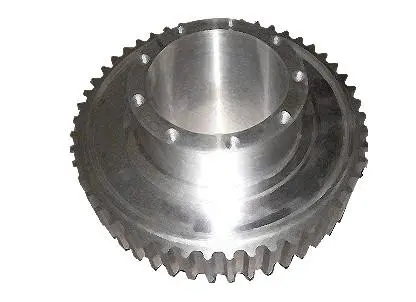
Understanding Sand Molds in Metal Casting
Sand molds are the most important part of the casting process. They hold liquid metal and make it into the shape that is needed. These molds are made of carefully mixed sand and binding agents that keep the structure strong while the metal is being poured and make them easy to take off afterwards.
The Science Behind Sand Mold Composition
Modern sand molds use different kinds of sand and different kinds of binding methods to get the best performance. The oldest method, green sand molds, use silica sand, clay, and water to make a moldable mixture that stays in shape while it's being made. Resin-bonded sand systems have better surface finish and accuracy of measurements because they use chemical binders that harden at room temperature or with heat.
The type of sand you choose has a direct effect on the quality of the casting and how quickly it can be made. Because it doesn't melt easily and doesn't change temperature much, silica sand is still the most common base material. Clay content is usually between 6 and 10 percent so that it can bind well, and moisture levels are carefully kept between 2 and 4 percent so that mold strength is right without affecting leakage.
Essential Steps in the Sand Casting Process
The sand casting process is organized in a way that starts with making the design and ends with delivering the finished part. Pattern making is the process of making exact copies of the part that is needed, often with adjustments for metal shrinking and cutting. These mold-making designs, which can be made of wood, metal, or polymer, are the basis for everything that comes after.
For mold preparation, skilled workers pack sand around designs using special tools that make sure the density is even and there are enough airflows. Usually, two mold halves are made: the cope (the upper part) and the drag (the lower part). These halves must fit together perfectly to make the whole casting space. There are gate systems with sprues, runners, and lifters built in to make sure the metal flows properly and to account for the shrinking that happens when it solidifies.
Making the core is an important part of making parts that need internal spaces or complex shapes. When sand cores are formed separately and then placed inside the mold hole, hollow parts are made that could not be made by external molding alone. These cores need to be strong enough to survive the forces of liquid metal while still being able to be easily removed after the casting hardens.
Industry Applications and Material Compatibility
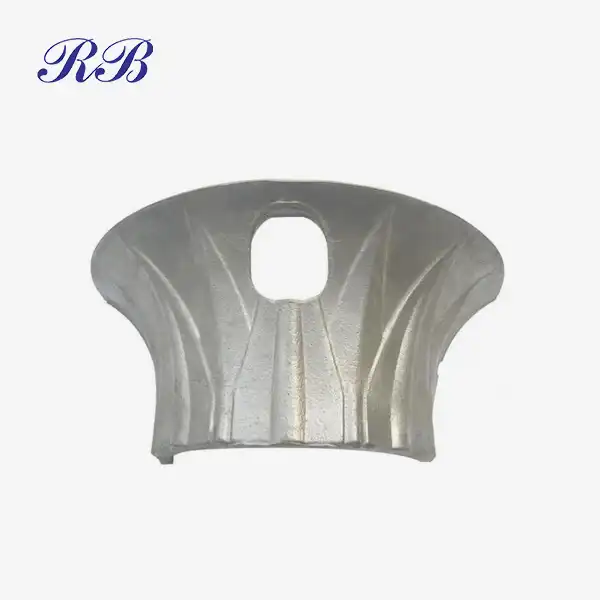
Sand molds are very important for automakers because they are used to make engine blocks, transmission housings, and chassis parts. Different types of aluminum alloys, cast iron grades, and other special materials needed for different performance requirements can be used in this process. Sand casting is used by manufacturers of construction tools to make hydraulic parts, gear housings, and structural parts that need to be very strong and last a long time.
Sand molds are used in aerospace to make complicated turbine parts, engine mounts, and structural brackets where reducing weight and making sure the dimensions are correct are very important. Because sand molds are so adaptable, they can be used to make both prototypes and medium- to high-volume production runs. This makes them perfect for businesses where design needs are always changing.
Key Challenges in Sand Mold Metal Casting and How to Overcome Them
Many technical problems arise in metal casting processes, which can have a big effect on the quality of the products made and the speed of production. Understanding these problems and putting in place effective answers is necessary to stay ahead of the competition in today's tough market.
Common Defects and Root Cause Analysis
One of the most common flaws in casting is porosity, which can happen when gas gets trapped during solidification or when degassing isn't done properly. This problem usually happens because the sand molds have too much water in them, there isn't enough air flow, or the dumping process wasn't done right. Surface roughness is usually caused by differences in the size of the sand grains, an uneven spread of the binder, or the effects of heat expansion on metal as it hardens.
Dimensional errors often happen because of pattern wear, cast warping due to temperature stress, or not making enough allowances for metal shrinkage. These differences can mean that a lot of work needs to be done, which drives up production costs and delivery times. Misruns and cold shuts happen when the filling temperature is too low or the gating system isn't designed properly, which stops the metal from moving properly through the mold hole.
Advanced Solutions and Best Practices
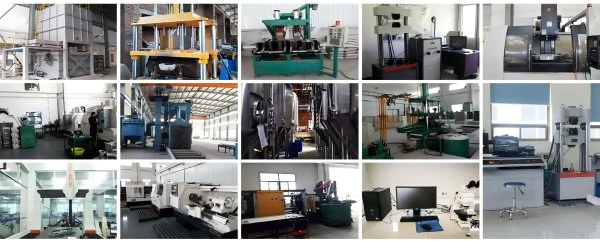
Modern foundries use strict quality control methods that deal with these issues by regularly checking the process and making it better. Automated mixing equipment is used in sand preparation systems to make sure that the molded material has the same amount of water and glue throughout it. Statistical process control methods keep an eye on important factors like mold hardness, permeability, and green compression strength to make sure that conditions stay just right.
Temperature control systems keep an eye on the temperatures and rates of cooling of metal pours to reduce thermal stress and make sure the mold is fully filled. Spectroscopic analysis checks the makeup of the alloy before it is poured, and temperature analysis equipment predicts how it will solidify so that the design of the gates and risers is best. These improvements in technology have helped foundries keep quality levels high while lowering the amount of waste they make and the cost of production.
Leading makers have shown that these practices have led to big gains when they are used consistently. For example, recent case studies show that when complete quality systems are used correctly, casting errors drop by 30%. This saves money and makes customers happier. These changes directly lead to fewer inspections being needed and faster shipping times.
Selecting the Right Sand Mold Solutions for Your Metal Casting Needs
When picking the right sand mold technologies, you need to carefully think about a lot of different factors that affect both short-term output needs and long-term business goals. The best selection methods find a mix between technical skills and cost constraints, while also making sure that the process meets industry standards and customer requirements.
Critical Evaluation Criteria
When choosing sand mold methods, the main thing that matters is how complicated the sand casting is. Basic green sand molds can be used for simple geometric shapes with thick sections. But for complicated parts with thin walls or lots of internal features, resin-bonded systems or specialized core technologies may be needed. Mold durability standards and accepted cycle times are affected by the amount of production.
Material fit is more than just choosing the right metal. It also includes things like how the material reacts to heat, how it shrinks, and how it should be finished on the outside. For high-temperature metals, refractory sand systems that are more thermally stable are needed. On the other hand, aluminum casts may benefit from special coatings that make the surface better. Specifications for dimensional tolerances often spell out the necessary capabilities of a mold system and the quality control steps that go with them.

Comparative Analysis of Sand Mold Technologies
Green sand methods are the most cost-effective way to make medium- to large-sized castings where modest accuracy in the dimensions is fine. These systems are great at reclaiming sand and have little effect on the environment, which makes them appealing for high-volume production settings. Because of easier needs for preparing and moving sand, operating costs stay cheap.
Resin-bonded sand methods offer better accuracy in measurements and a smoother finish, but they cost more in materials. When working with complicated shapes or situations that need very little cutting room, these tools really come in handy. By choosing the right binding chemicals and activation methods, the curing process can be changed to fit the needs of production.
For prototype creation and low-volume output, no-bake sand methods give you the most options. Curing at room temperature doesn't need any energy and lets you work on difficult mold building tasks for longer periods of time. Because development programs often need to make changes to designs quickly and with short lead times, these systems can handle those needs.
Supplier Evaluation and Partnership Criteria
To have good relationships with suppliers, you need to carefully look at their professional skills, quality processes, and ability to stay stable over time. ISO 9001 certification is a basic way to make sure that quality management systems work, while industry-specific certifications like IATF 16949 show that you know what you're doing in the car field. Certifications for the environment, like ISO 14001, show that a company is committed to using sustainable production methods.
The evaluation of technical skills should include support for design that can be manufactured, understanding of metals, and the ability to improve processes. Suppliers who offer full services, from designing patterns to finishing the work, add a lot of value by managing projects more efficiently and making it easier for the supply chain to work together. How well deliveries work and how much they cost are affected by how close they are and how well the operations work.
Conclusion
Sand molds are still an important part of many industries' successful metal casting processes because they allow for the freedom and cost-effectiveness needed to make complex parts. Procurement pros can make smart choices that improve operational efficiency and keep costs low by understanding the technical aspects of sand mold selection, process optimization, and quality control. Traditional casting methods are still being changed by new technologies and environmentally friendly methods. This opens up chances for better performance and environmental responsibility. Long-term success in competitive markets depends on building relationships with suppliers that focus on technical know-how, quality processes, and the ability to keep making things better.
Partner with Rongbao Enterprise for Superior Sand Casting Solutions
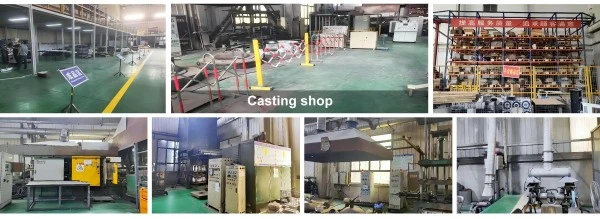
Rongbao Enterprise offers a wide range of sand casting services and has been making high-quality products for 20 years and knows the global market well. Our combined method blends advanced molding technologies with precise machining services to offer full solutions from the design phase all the way through delivery of the finished part. We make sure that all of our processes are quality- and environmentally-friendly by having ISO 9001, ISO 14001, and ISO 45001 certifications.
Our fully automated production centers and quality control systems throughout the whole production process ensure consistent delivery times and high-quality castings for use in automobile, industrial equipment, and energy-related industries. As a reliable sand casting company, we work with top companies in Europe, the US, and Asia because we are dedicated to new ideas and client satisfaction. Get in touch with steve.zhou@263.net or zhouyi@rongbaocasting.com to talk about your casting needs and find out how our experience can help you find the best parts.
FAQs
Q1:What materials can be cast using sand molds?
A1:Aluminum alloys, cast iron, steel, bronze, brass, and magnesium are just some of the metals that can be used in sand molds. To get the quality traits you want, you have to find the best sand method and process settings for each alloy.
Q2:How do sand molds compare to other casting methods in terms of cost?
A2:Sand casting usually has the lowest costs for tools. This makes it perfect for making prototypes and small to medium batches. For large quantities, the cost per piece may be higher than die casting, but the freedom and low initial investment make it a great choice for many uses.
Q3:What dimensional tolerances can be achieved with sand molds?
A3:Most of the time, standard sand molds can hold limits of ±0.005 inches per inch. Better resin-bonded systems can get this down to ±0.003 inches per inch if they have the right quality systems and process controls in place.
References
- Campbell, John. "Complete Casting Handbook: Metal Casting Processes, Metallurgy, Techniques and Design." Butterworth-Heinemann, 2015.
- Brown, John R. "Foseco Non-Ferrous Foundryman's Handbook." Butterworth-Heinemann, 2014.
- Beeley, Peter R. "Foundry Technology." Newnes, 2001.
- Stefanescu, Doru M. "Science and Engineering of Casting Solidification." Springer, 2015.
- ASM International Handbook Committee. "ASM Handbook Volume 15: Casting." ASM International, 2008.
- Ravi, B. "Metal Casting: Computer-Aided Design and Analysis." PHI Learning, 2005.


Learn about our latest products and discounts through SMS or email