- English
- French
- German
- Portuguese
- Spanish
- Russian
- Japanese
- Korean
- Arabic
- Greek
- German
- Turkish
- Italian
- Danish
- Romanian
- Indonesian
- Czech
- Afrikaans
- Swedish
- Polish
- Basque
- Catalan
- Esperanto
- Hindi
- Lao
- Albanian
- Amharic
- Armenian
- Azerbaijani
- Belarusian
- Bengali
- Bosnian
- Bulgarian
- Cebuano
- Chichewa
- Corsican
- Croatian
- Dutch
- Estonian
- Filipino
- Finnish
- Frisian
- Galician
- Georgian
- Gujarati
- Haitian
- Hausa
- Hawaiian
- Hebrew
- Hmong
- Hungarian
- Icelandic
- Igbo
- Javanese
- Kannada
- Kazakh
- Khmer
- Kurdish
- Kyrgyz
- Latin
- Latvian
- Lithuanian
- Luxembou..
- Macedonian
- Malagasy
- Malay
- Malayalam
- Maltese
- Maori
- Marathi
- Mongolian
- Burmese
- Nepali
- Norwegian
- Pashto
- Persian
- Punjabi
- Serbian
- Sesotho
- Sinhala
- Slovak
- Slovenian
- Somali
- Samoan
- Scots Gaelic
- Shona
- Sindhi
- Sundanese
- Swahili
- Tajik
- Tamil
- Telugu
- Thai
- Ukrainian
- Urdu
- Uzbek
- Vietnamese
- Welsh
- Xhosa
- Yiddish
- Yoruba
- Zulu
Sand Casting Suitable For Prototypes Aluminum
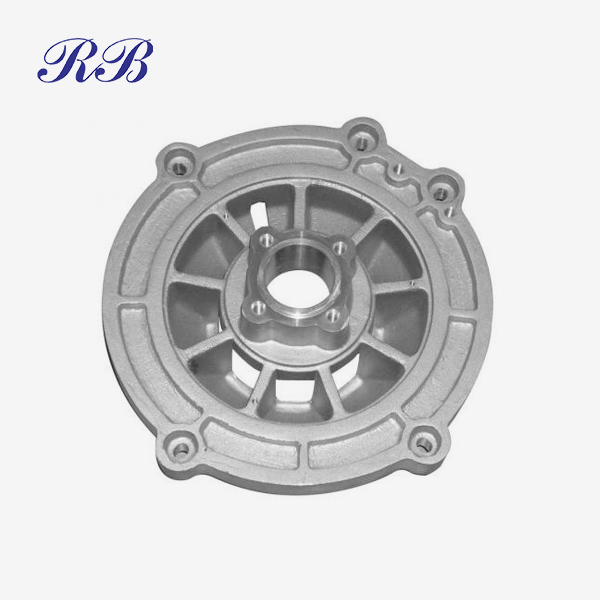
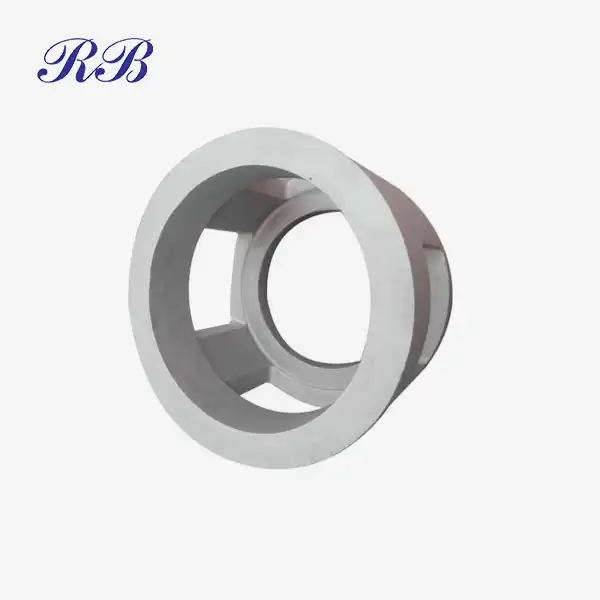
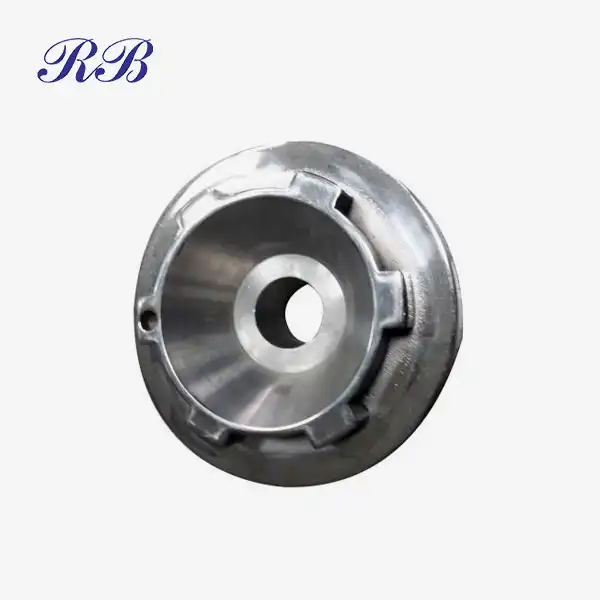
Sand casting is still a great way to prototype aluminum casting, especially when engineers and sourcing teams need test parts that work and don't break the bank. This way of making things lets us make temporary metal parts that are exact copies of the final designs. This lets us test the usefulness, shape, and material properties thoroughly. By pouring molten metal into sand molds that have been made around patterns, we can make parts that are strong but not too heavy. These parts help find design flaws or missing features early on in the development process, which lowers the chance of having to make costly changes during mass production.
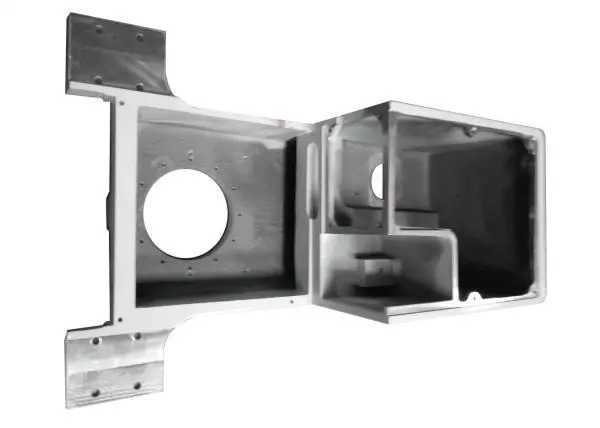
Sand Casting Suitability for Aluminum Prototypes
For many years, sand casting has been one of the most useful ways to make prototype aluminum castings for a wide range of businesses. This method is different from die casting or 3D printing in important ways that make it useful when working with complicated shapes or when production numbers are low.
Why Sand Casting Works Well for Aluminum Prototypes?
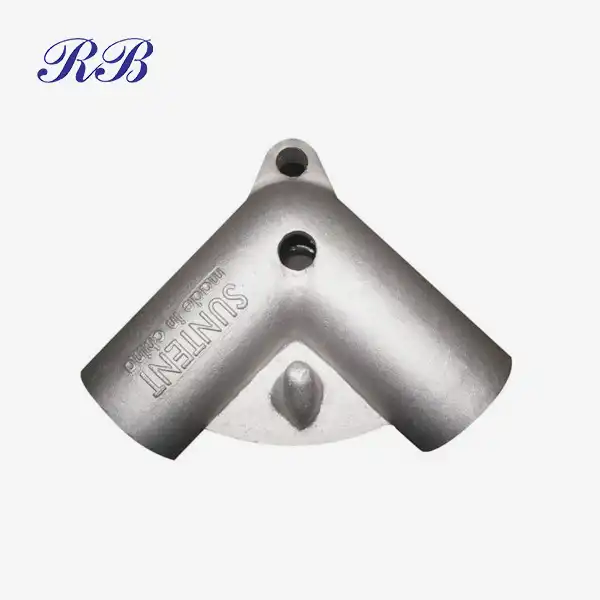
Sand casting is great for making prototypes because it is very flexible. We can handle almost any complicated design without having to spend a lot of money on fixed tools. This is very important when product engineers are still working on their ideas and might need to make changes between rounds. The process works well with a number of different aluminum alloys, such as A356, which has good casting qualities and mechanical properties that make it useful for structural uses like robot shells and industrial equipment housings.
Material Compatibility and Design Freedom
Aluminum alloys that are used in sand casting have unique properties that help with the development of prototypes. When these materials are liquid, they have low melting points and low viscosities, which lets them flow easily into complex mold holes. As a result, strong, rigid parts are made that are true to the design plans while still being lightweight, which is an important factor for parts used in cars, spacecraft, and big machinery.
Realistic Limitations to Consider
Even though sand casting has some benefits, buying managers and quality engineers need to be aware of its limitations. Surface finishes on these parts are usually rougher than on die-cast or machined parts, but extra processes like shot blasting can make them look and work much better. Dimensional tolerances are usually bigger than with precision casting, so they need to be carefully thought out during the planning process to make sure they work with the needs of the assembly.
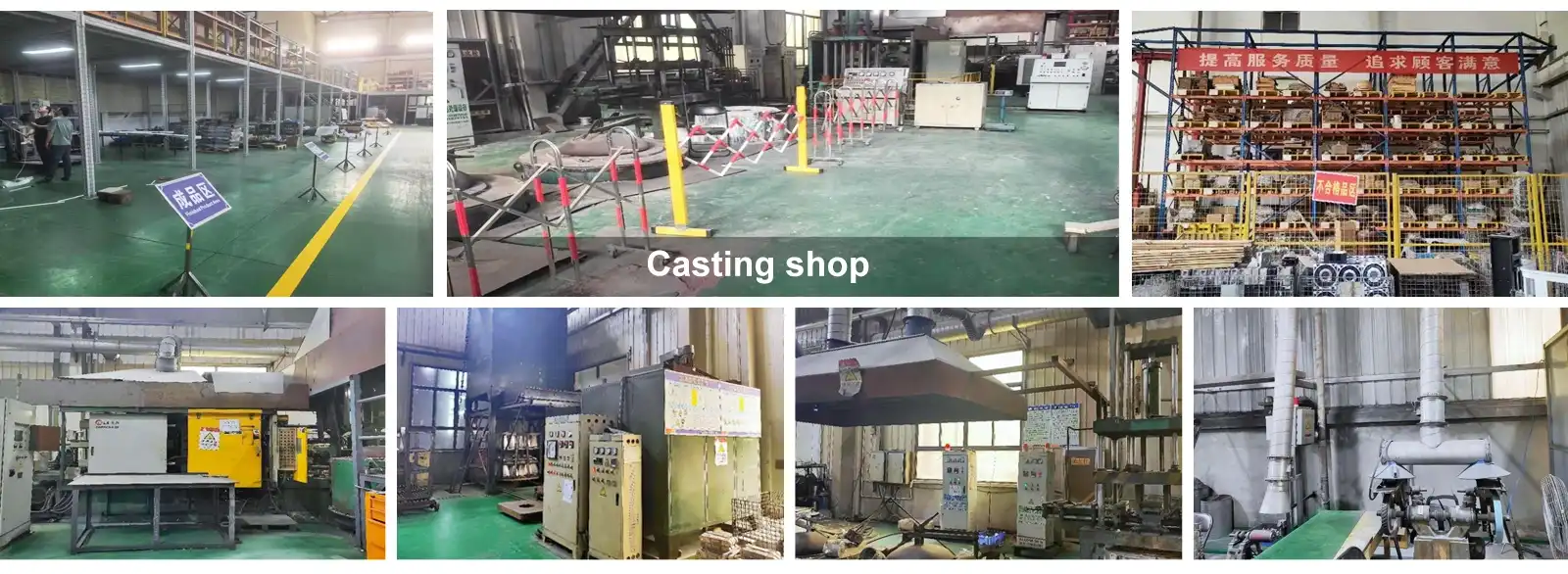
The Aluminum Casting Process for Prototypes: Step-by-Step Breakdown
Knowing how sand casting turns raw metal into working samples helps technical teams make smart choices about what can be made and what results they can expect.
Mold Preparation and Pattern Design
The trip starts with making a sketch that will be used as a guide for the sand mold. Patterns can be made from wood, plastic, or metal for prototype work, based on how many casts are expected to be needed. To get the shaping sand ready, we mix it with binding agents that give it enough strength to keep the hole solid while the metal is poured in. To keep the mold from falling apart, the sand needs to be a good mix of permeability (letting gases escape) and stability.
Melting and Pouring Stage
Making the right choice about the aluminum alloy is a very important decision. A356 aluminum is often used in industrial settings because it has silicon and magnesium in it, which make it more flexible and strong. We carefully control the melting points to make sure that the material completely melts and doesn't oxidize too much. To fill the mold hole fully without creating turbulence that could lead to flaws, the pouring process needs to be timed and done correctly.
Cooling, Shakeout, and Finishing
After being poured, the casting is cooled in a controlled way to help the right metallic structure form. The rate of cooling affects the size of the grains and their mechanical qualities. This stage is very important for getting the performance traits you want. Once it's hard, we use shakeout to remove the sand mold and show the rough casting. Then, key measurements and surfaces are fine-tuned by CNC machining to meet engineering standards. Surface treatments like shot blasting improve the finish quality and get the part ready for functional testing.
Quality Control Protocols
Prototype aluminum castings must pass strict inspections to meet engineering standards. We use a number of non-destructive testing methods, such as eye inspection, measurement proof, and, if needed, X-ray or ultrasonic testing to find internal holes or shrinkage. Technical and quality experts can be sure that samples are a good representation of what will be made in large quantities thanks to this quality assurance process.
Comparing Sand Casting with Other Prototype Aluminum Casting Methods
To pick the best way to make prototype aluminum castings, you need to know how the different methods rate in important performance areas. Die casting has a better surface finish and tighter standards, but you have to buy a lot of steel dies up front, which is too expensive for trial work that is only being done in small quantities. The method works well for mass production once the plans are set, but it isn't flexible enough for the planning stages. On the other hand, sand casting makes it easy to change the design because new patterns are much cheaper than new dies.
A lot of people are interested in 3D printing for additive production for fast prototyping, but it has trouble with bigger parts and can't match the mechanical qualities of cast metal. Metal parts that are printed are still expensive and can't be very big. Sand casting, on the other hand, can easily handle parts that weigh 16.7 kg or more. When engineers need samples that work and can withstand real-world working conditions while they are being tested, cast aluminum is a more reliable material.
Investment casting gives you great detail and smooth surfaces, but it costs more per part, so it's only practical for small, complicated parts that need to be very precise. Sand casting is a good way to make medium- to large parts where reasonable errors are fine and keeping costs low is still the most important thing. While machining from a solid billet is accurate, it wastes material and is too expensive for complicated forms that can be made more cheaply by casting.
Because of how much it costs, sand casting is the best way to make prototypes. Tooling costs are still low, and wait times are usually between 2 and 4 weeks, depending on how complicated the job is. This is faster than preparing die casting tools but takes longer than straight 3D printing. This plan fits well with how most products are made, since engineers need prototype parts to try and make sure they work before they commit to making production tools.
Procurement Insights: Ordering Sand Cast Aluminum Prototype Parts
When they are looking for prototype aluminum castings, procurement managers face special problems because they have to balance cost limitations with quality standards while keeping the timeline open.
Supplier Evaluation Criteria
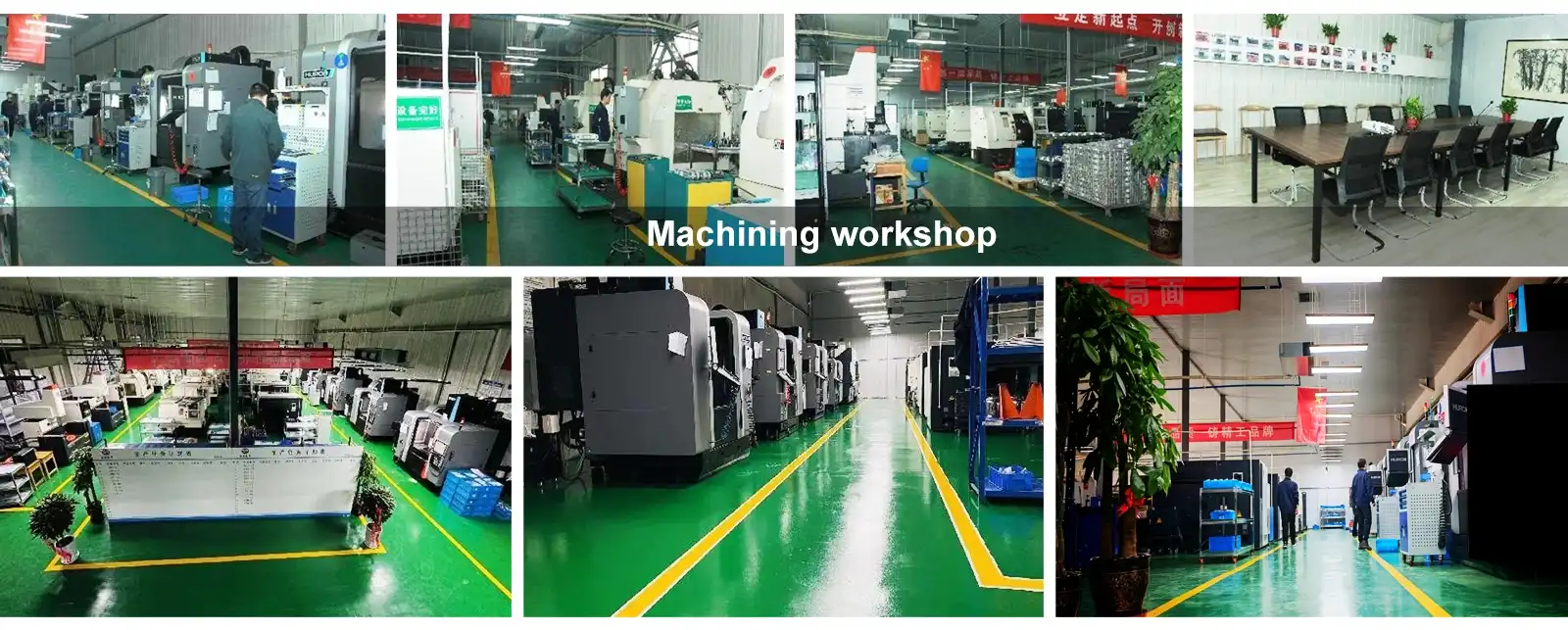
To find trusted casting partners, you need to look at a few key skills. Certifications like ISO9001:2015, ISO14001, and ISO45001 show that management systems are uniform and that the company cares about quality, the environment, and worker safety. Suppliers who have been in the business for 20 years show steadiness and technical maturity that younger companies can't match. Production capacity is also important. Companies that can make 5,000 pieces a year have the tools and knowledge to make sure that even small amounts of prototypes are made consistently.

Understanding Lead Times and Cost Drivers
Lead times for sand-cast prototype aluminum castings depend on how complicated the part is, how quickly it needs to be finished, and the current production plan. Usually, making a pattern takes one to two weeks. After that, casting and finishing are done. When speed is needed, experienced providers can often shorten plans by putting pattern work at the top of the list and making sure that finishing operations run smoothly. Pattern complexity, casting weight, material grade, cutting needs, and surface treatment requirements are some of the things that affect the cost. Suppliers who are open and honest give thorough quotes that break down these factors. This lets buying teams find ways to lower costs by changing the design.
The Service Journey from Inquiry to Delivery
Clear sharing of needs is the first step to a successful prototype project. Technical models, details about the material, tolerance standards, and information about the application help providers give accurate quotes and spot early production problems. Once an order is placed, dependable providers keep in touch regularly to let you know how the production is going and deal with any problems that come up before they become a problem. Putting castings in wooden boxes for shipping keeps them safe while they're in travel, and having the right paperwork makes it easier to get goods from places like Xi'an, China, to factories in the United States.
Case Studies and Practical Applications of Sand Casting for Aluminum Prototypes
There are real-life cases that show how prototype aluminum casting can help in tough manufacturing settings.
Automotive Component Development
A Tier-1 car supplier was making a new transmission housing and wanted working samples to test how well it would handle heat and how well it would hold up under load. Parts made from sand casting in A356 aluminum had mechanical qualities that were very close to what was planned for production. The prototype casting program found a possible weak spot in a mounting bracket area. This let engineers make changes to the design before spending money on die casting tools. This early finding kept production from being held up for three months and saved about $75,000 in tooling repair costs.
Industrial Robot Shell Manufacturing
A company that makes robots needed test shells for a new design for a joint robot. The casts that weighed 16.7 kg had complicated internal ribs that made them strong while keeping the wall thickness as low as possible to keep the weight down. The complicated design could be used in sand casting instead of die casting, which would have required very expensive tools. With CNC cutting, the mounting surfaces were made smooth and within exact limits. Shot blasting created a uniform surface roughness that was good for the final coating application. Before committing to production tooling, the company did three rounds of design changes over the course of six months to make sure the comfort, thermal management, and structural stability were all good. Because sand casting is so flexible, they were able to make many changes quickly, which cut the total development time by about 40% compared to projects where samples were machined.
Heavy Machinery Component Validation
As part of making hydraulic pump housings, a company that makes building tools used sand casting to make prototype aluminum parts that would last through intensive field testing. The low-pressure casting method kept the cost-effectiveness of the 12-piece test batch while reducing porosity. The precision of the measurements and the mechanical properties were good enough for a reasonable review of performance in real-world settings. Testing showed that the design of the water path needed to be changed, which was done by the maker in later prototypes without any big cost increases. The lessons learned through this iterative development method directly led to success in production, with only minor changes needed when going from making prototypes to making a lot of them.
Conclusion
Sand casting is still a useful and inexpensive way to make prototype aluminum castings that can be used in robots, heavy machinery, and industrial equipment. The process can handle complicated shapes, different aluminum alloys (including A356), and parts range from small pieces to heavy casts that weigh more than 16 kg. Surface finish and tolerances may not be as good as with precision die casting, but these problems can be solved by secondary processes like CNC cutting and shot blasting. Tooling costs are lower, wait times are reasonable, and designs are flexible enough to support iterative development, which is good for procurement teams. Suppliers with ISO9001:2015, ISO14001, and ISO45001 certifications are committed to quality and produce reliable results that are backed by well-established quality management systems. This makes sand casting a smart choice for prototype aluminum casting projects that need to be tested for functionality before production commitments are made.
FAQ
What level of detail can sand casting achieve for aluminum prototypes?
Sand casting makes surfaces with a modest amount of detail that are good for most functional testing tasks. Even though it can't make as fine of details as investment casting, this method can handle walls as thin as 3–4 mm and work well with complicated internal and external shapes. When needed, CNC machining can make key measurements very close to each other for prototype aluminum casting.
How do lead times compare between sand casting and other methods?
From order to delivery, sand casting usually takes two to four weeks, which includes making the design, casting, and finishing. This time frame is in the middle of fast 3D printing and die casting, where the tools need to be prepared for months. The moderate lead time fits well with normal plans for developing products that need working samples for testing.
What defects should quality engineers watch for in sand cast prototypes?
Porosity from trapped gas, shrinkage holes in thick parts, and sand inclusions are all common issues. Reliable providers keep these problems to a minimum by using the right gates, pouring methods, and quality control. Non-destructive testing finds problems inside parts before they are put through service testing.
Partner with Rongbao Enterprise for Your Prototype Aluminum Casting Needs
Rongbao Enterprise has been specialized in prototype aluminum casting for 20 years and works with research and procurement teams in the heavy machinery, industrial equipment, and automobile industries. Our factory in Xi'an has ISO9001:2015, ISO14001, and ISO45001 certifications, which make sure that quality, safety, and care for the environment are maintained at all times. We have a wide range of skills, including low-pressure casting, CNC machining, and shot blasting for surface treatment. We can make sample parts that are finished and ready to be tested right away. We know what high standards foreign OEMs want because we can make up to 5,000 pieces a year and 70% of that goes to markets in Europe, the United States, and Japan. Our technical team works closely with product engineers to make sure that designs are manufactured in the best way possible. At the same time, our fast buying process makes sure that prices are clear and delivery dates are reliable. We can change the specs to fit your exact needs, whether you only need one sample version or many different design versions. Contact Steve Zhou at steve.zhou@263.net or zhouyi@rongbaocasting.com to talk about your prototype aluminum casting supplier needs, get specific quotes, or set up a review of a sample part. We can help you speed up the time it takes to develop your product with precision casting solutions.
References
1. Campbell, J. (2015). Complete Casting Handbook: Metal Casting Processes, Metallurgy, Techniques and Design. Butterworth-Heinemann.
2. Kaufman, J. G., & Rooy, E. L. (2004). Aluminum Alloy Castings: Properties, Processes, and Applications. ASM International.
3. Brown, J. R. (2000). Foseco Ferrous Foundryman's Handbook. Butterworth-Heinemann.
4. American Foundry Society. (2018). Aluminum Casting Technology: Sand Casting Methods and Process Control. American Foundry Society Publications.
5. Davis, J. R. (1993). Aluminum and Aluminum Alloys: ASM Specialty Handbook. ASM International.
6. Beeley, P. R. (2001). Foundry Technology. Butterworth-Heinemann.
Learn about our latest products and discounts through SMS or email