- English
- French
- German
- Portuguese
- Spanish
- Russian
- Japanese
- Korean
- Arabic
- Greek
- German
- Turkish
- Italian
- Danish
- Romanian
- Indonesian
- Czech
- Afrikaans
- Swedish
- Polish
- Basque
- Catalan
- Esperanto
- Hindi
- Lao
- Albanian
- Amharic
- Armenian
- Azerbaijani
- Belarusian
- Bengali
- Bosnian
- Bulgarian
- Cebuano
- Chichewa
- Corsican
- Croatian
- Dutch
- Estonian
- Filipino
- Finnish
- Frisian
- Galician
- Georgian
- Gujarati
- Haitian
- Hausa
- Hawaiian
- Hebrew
- Hmong
- Hungarian
- Icelandic
- Igbo
- Javanese
- Kannada
- Kazakh
- Khmer
- Kurdish
- Kyrgyz
- Latin
- Latvian
- Lithuanian
- Luxembou..
- Macedonian
- Malagasy
- Malay
- Malayalam
- Maltese
- Maori
- Marathi
- Mongolian
- Burmese
- Nepali
- Norwegian
- Pashto
- Persian
- Punjabi
- Serbian
- Sesotho
- Sinhala
- Slovak
- Slovenian
- Somali
- Samoan
- Scots Gaelic
- Shona
- Sindhi
- Sundanese
- Swahili
- Tajik
- Tamil
- Telugu
- Thai
- Ukrainian
- Urdu
- Uzbek
- Vietnamese
- Welsh
- Xhosa
- Yiddish
- Yoruba
- Zulu
Sand Casting Process: Advantages and Techniques Unveiled
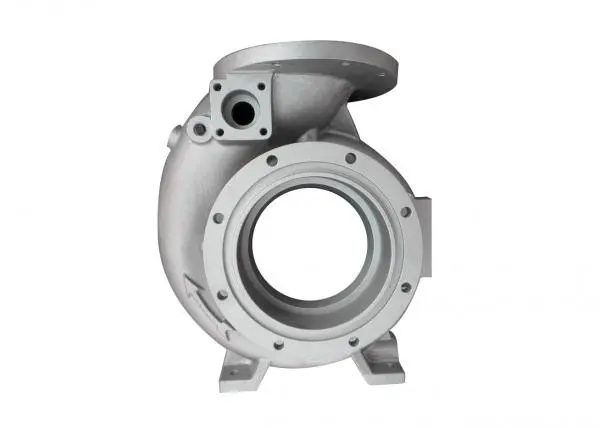
When you're looking for metal parts for tough jobs, like an engine block for a business vehicle or a heavy-duty valve box for industrial equipment, knowing your manufacturing options can have a big effect on your bottom line. Sand casting is one of the most flexible and cost-effective ways to make metal parts for a wide range of businesses. For this tried-and-true method, molten metal like aluminum, iron, or bronze is poured into a pattern-shaped sand mold that can be thrown away. The mold is then broken to show the hardened casting. Another great thing about this method is that it can make big, complicated geometric shapes that would be impossible or too expensive to make any other way.
Key Advantages of Sand Casting for B2B Clients
Cost-Effectiveness and Low Tooling Investment
Procurement managers who are tight on money like this method of production because it requires less initial input than others like die casting or investment casting. The cost of patterns is a small part of the cost of fixed metal dies, so they are a good choice for making prototypes, small batches, and special parts. Companies that are trying out new designs or serving niche markets where large amounts don't warrant expensive tooling will gain the most from this cost structure. When design changes are expected, being able to change patterns without having to throw away expensive dies can be helpful, even at higher numbers.
Complex Geometries and Large Component Capability
With this method, design engineers don't have to worry as much about physical limitations as they do with many others. It is common for casting to be able to make internal passages, undercuts, and complex surface details that would need more than one process to machine. The process can handle parts weighing as little as a few ounces or as heavy as 50 tons, which is more than most other ways of making things. It becomes possible and affordable to make heavy machinery parts, big pump housings, and structure equipment parts that would not be possible to make by welding or milling.
Material Versatility for Various Alloys
Another great thing about metals is that they are flexible in sand casting. Aluminum alloys, such as A356, are used in cars and spacecraft because they are strong for their weight and don't rust. Heavy-duty industrial parts are made of gray and malleable iron, which makes them strong and resistant to wear. Bronze and brass metals are used in specific situations where they need to be resistant to rust or have certain thermal qualities. Steel castings are very strong and can be used in construction uses. This wide range of materials lets engineers improve the performance of parts without being limited by the process.
Shorter Lead Times and Rapid Prototyping
Pressures to get products to market quickly drive many buying choices today. Pattern creation can be done in days instead of the weeks or months needed for permanent tooling, especially with the help of current CNC machining or 3D printing technologies. Having this flexibility is very helpful when making a product, because repeated testing and improvement speed up the creation process. Before investing in large-scale production, companies can make sure their ideas are correct, try them to make sure they work, and get feedback from the market.
Sustainable Manufacturing Through Sand Recycling
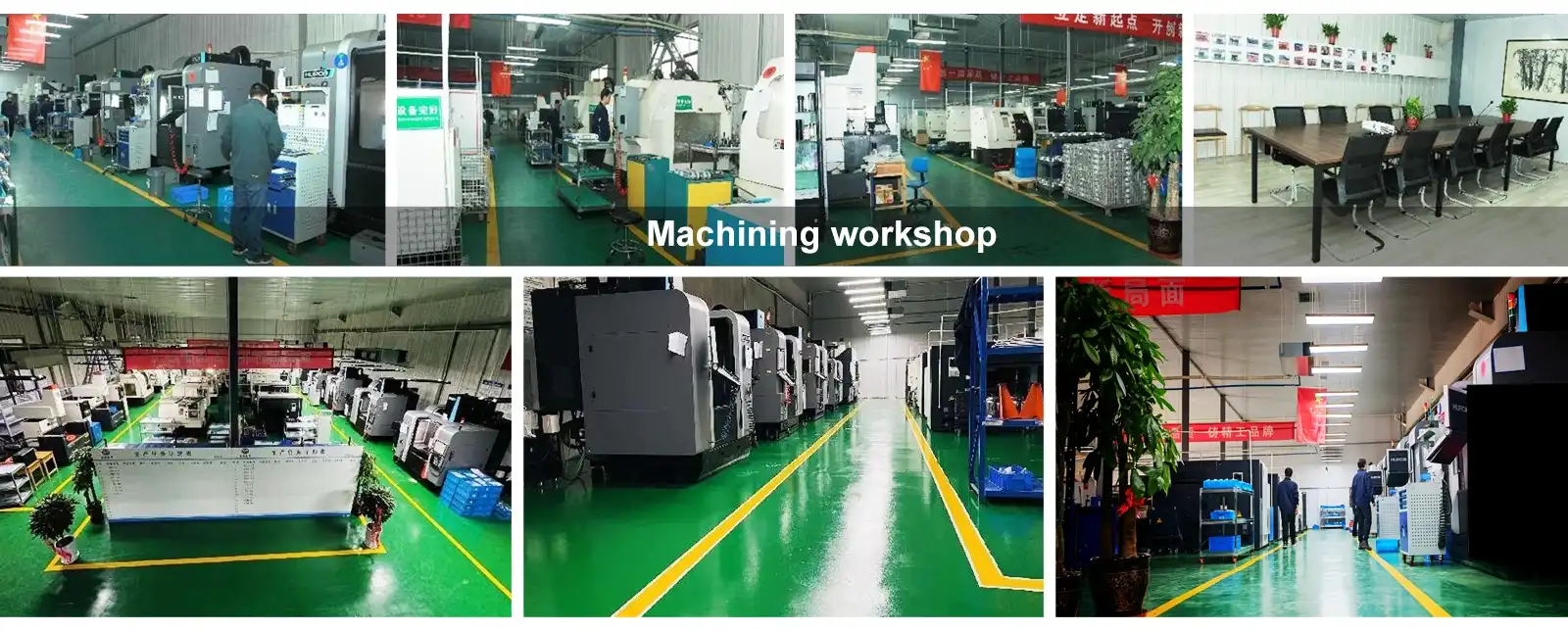
Environmental duty is becoming a bigger factor in choosing a seller. Modern foundries reuse and recondition sand for many rounds, which cuts down on trash and the amount of raw materials they need to use. With the right sand recycling methods, more than 95% of molding sand can be used again, leaving a much smaller impact on the environment. Responsible trash management, controlling emissions, and melting methods that use less energy are all in line with the environmental goals of companies that supply chain managers care about when they are looking for long-term partnerships.
Essential Techniques and Best Practices in Sand Casting
Critical Pouring Techniques and Defect Minimization
Pour temperature, speed, and the shape of the gates all have a big effect on the quality of the casting. Metal that has been superheated above its minimum filling temperature becomes more flexible, but it also risks more oxidation and gas pores. Controlled filling rates stop instability, which holds air and makes inclusions. When gating systems are set up correctly, they make sure that the flow is smooth, reduce turbulence, and send clean metal into the space while containing impurities. Placement and size of risers account for shrinking during solidification, which keeps important areas from having gaps. Metallurgical research, process controls, and keeping an eye on the temperature all help keep factors within the acceptable ranges.
Quality Control Processes Throughout Production
Tough checking procedures find problems before they reach customers. When materials come in, they are checked to make sure they meet the requirements for sand qualities, binder quality, and metal chemistry. Cast hardness, dimensional accuracy, and the stability of the unit are all checked while the cast is being made. Non-destructive tests, like X-rays, acoustic inspection, magnetic particle tests, and dye penetrant exams, can find flaws inside and outside of a material. Geometric precision is checked by using coordinate measure machines to check the sizes. Statistical process control finds patterns before they lead to parts that don't meet standards.

Post-Casting Operations for Final Specifications
To meet final standards, raw casts go through a number of finishing steps. Shakeout gets rid of sand from both the inside and outside of things. Shot blasting or rolling removes any sand or scale that is still on the metal, showing the surface. Cutting, grinding, or drilling are used to get rid of gates, peaks, and flash. Heat treatment changes the qualities of a material, reducing leftover pressures, making it easier to work with, or reaching a certain level of hardness. Critical measurements, bearing surfaces, and threaded features are set by precision cutting. Painting, powder coating, anodizing, or plating are some of the final surface treatments that can be used to protect against rust and make something look nice.
Comparative Analysis: Sand Casting vs. Other Casting Methods
Sand Casting vs. Die Casting: Cost and Volume Considerations
When it comes to making a lot of small parts with good accuracy in size and finish, die casting is the best method. For permanent metal dies, on the other hand, you have to pay tens of thousands to hundreds of thousands of dollars up front. Because of this, die casting is only cost-effective when spread out over a lot of products. Die casting tools are more expensive than sand casting models, so it is better for small to medium amounts. Also, the largest part that can be cast in each method is very different. Sand casting can handle parts that weigh tons, while die casting can only handle parts that weigh less than 50 pounds.
Sand Casting vs. Investment Casting: Precision and Surface Quality
Investment casting, which is also called lost-wax casting, makes parts with better surface finishes and more precise standards than sand casting. Investment casting is best at making shapes with complicated shapes, thin walls, and lots of small features. The process, on the other hand, has more steps, takes longer, and costs more per part. Investment casts can only be used for parts that weigh less than 100 pounds. When precise dimensions and surface finish make the higher price worth it, investment casting wins. When saving money and being able to make things bigger are more important, sand casting is the best choice.
Selecting the Appropriate Method for Your Application
Professionals in procurement should use a structured approach to examine a number of decision factors. Budget limits and predictions of production volumes have a big impact on the choice of method. Size and weight of the parts often rule out some choices right away. Dimensional limits and surface finish requirements further narrow the field. The choice is also affected by the needs of the materials, since some metals work better in some methods than others. Lead time for the first production run can tip the scales in favor of ways that require less money to buy tools. Talking to skilled casting partners early on in the design process helps you choose the best manufacturing method and often shows you ways to change the design in a way that makes it easier to make and costs less.

Conclusion
Sand casting is still very useful in many fields, from the car industry to energy infrastructure, because it can be used in many ways and saves money. B2B buyers can make smart choices that balance cost, quality, and delivery needs if they understand the basics of the process, know the key benefits for different uses, and follow best practices throughout the buying cycle. Whether you're looking for sample parts to test your design or setting up supply chains for high-volume production, this tried-and-true manufacturing method can help you a lot if it's used by skilled manufacturing partners and fits your needs perfectly.
FAQ
What metals work best with this casting method?
For car and aircraft parts, aluminum alloys have great castability, strength-to-weight ratios, and resistance to corrosion. Gray iron and ductile iron are strong enough for big tools. Steel is a strong material for building things. Bronze and brass are good for certain uses that need to prevent corrosion. The choice of material is based on the required technical properties, the working surroundings, and the available budget. Consulting with metallurgy experts will help you choose the best material for your needs.
How can I minimize defects in my castings?
Preventing defects starts with mold design that includes the right gates, risers, and vents. Turbulence and gas trapping can be avoided by controlling the pour's temperature and rate. Using good molding materials with stable features cuts down on variations. When statistical process controls are used, they catch parameter change before it leads to errors. Results are much better when you work with experienced manufacturing partners who know how to stop common failure modes and how to make things work better. Continuous growth is supported by clear communication about quality standards and quick comments on any problems.
What lead times should I expect for my orders?
Making a pattern can take anywhere from two to six weeks, based on how complicated it is and how it is made. For first article casts, it takes an extra one to three weeks to prepare the mold, pour the metal, and finish it. Production runs depend on the size and number of orders. Small amounts may take days to finish, while large orders may take weeks. When needed, rush services that charge extra can speed up plans. Talking about timeline needs early on and keeping standards fair keeps people from being let down and allows for better production planning.
Partner with Rongbao Enterprise for Superior Sand Casting Solutions
To be the best at manufacturing, you need partners with technical know-how, tried-and-true quality processes, and quick customer service. For 20 years, Rongbao Enterprise has been providing precision metal parts to businesses around the world that need them. We can do a lot of different things, like high-pressure die casting, low-pressure processes, gravity casting, and precise cutting. We are also certified by ISO 9001, ISO 14001, and ISO 45001, which means we always do good work and follow the rules.
We have been making sand castings for a long time and have customers in North America, Europe, and Asia who are automakers, building equipment makers, industrial machinery builders, and people in the energy sector. In fact, 70% of our production is sent to these tough markets. Our full-chain manufacturing method includes making molds, castings, heat treating, precise machining, and finishing the surface. This means that we can do everything for you, making your supply chain easier.
In addition to offering competitive prices, we also provide measurable value through strict quality control from receiving the raw materials to the final inspection, reliable delivery schedules backed by a large production capacity, and collaborative engineering support that makes your designs easier to make. Our expert team knows what procurement managers, product engineers, and quality professionals go through every day, and we want your buying experience to be easy and successful.
Ready to discuss how our capabilities align with your component requirements? Contact Steve Zhou directly at steve.zhou@263.net or zhouyi@rongbaocasting.com to explore how Rongbao Enterprise can support your next project with reliable, cost-effective casting solutions tailored to your specifications.
References
1. Campbell, J. (2015). Complete Casting Handbook: Metal Casting Processes, Metallurgy, Techniques and Design. Butterworth-Heinemann.
2. Brown, J.R. (2014). Foseco Ferrous Foundryman's Handbook. 11th Edition. Butterworth-Heinemann.
3. American Foundry Society. (2018). Metalcasting: Industry Overview and Process Fundamentals. AFS Technical Publications.
4. Beeley, P.R. & Smart, R.F. (2017). Investment Casting and Sand Casting: Comparative Manufacturing Analysis. Institute of Cast Metals Engineers Journal.
5. Gruzleski, J.E. & Closset, B.M. (2016). The Treatment of Liquid Aluminum-Silicon Alloys in Foundry Practice. American Foundry Society.
6. DIN EN 1559-1:2018. Founding - Technical Conditions of Delivery - Part 1: General Requirements. German Institute for Standardization.
Learn about our latest products and discounts through SMS or email