- English
- French
- German
- Portuguese
- Spanish
- Russian
- Japanese
- Korean
- Arabic
- Greek
- German
- Turkish
- Italian
- Danish
- Romanian
- Indonesian
- Czech
- Afrikaans
- Swedish
- Polish
- Basque
- Catalan
- Esperanto
- Hindi
- Lao
- Albanian
- Amharic
- Armenian
- Azerbaijani
- Belarusian
- Bengali
- Bosnian
- Bulgarian
- Cebuano
- Chichewa
- Corsican
- Croatian
- Dutch
- Estonian
- Filipino
- Finnish
- Frisian
- Galician
- Georgian
- Gujarati
- Haitian
- Hausa
- Hawaiian
- Hebrew
- Hmong
- Hungarian
- Icelandic
- Igbo
- Javanese
- Kannada
- Kazakh
- Khmer
- Kurdish
- Kyrgyz
- Latin
- Latvian
- Lithuanian
- Luxembou..
- Macedonian
- Malagasy
- Malay
- Malayalam
- Maltese
- Maori
- Marathi
- Mongolian
- Burmese
- Nepali
- Norwegian
- Pashto
- Persian
- Punjabi
- Serbian
- Sesotho
- Sinhala
- Slovak
- Slovenian
- Somali
- Samoan
- Scots Gaelic
- Shona
- Sindhi
- Sundanese
- Swahili
- Tajik
- Tamil
- Telugu
- Thai
- Ukrainian
- Urdu
- Uzbek
- Vietnamese
- Welsh
- Xhosa
- Yiddish
- Yoruba
- Zulu
Robotic Rehabilitation For Stroke Patients
Stroke is one of the key reasons why people throughout the world become disabled for a long time. It usually creates major motor issues that make living tougher for people who have it. In the last several years, medical rehabilitation robots have become a possible technique to help people who have had strokes recover well. This article discusses about the several types of robotic systems used in rehabilitation, what makes them superior than traditional methods, and the growing body of evidence that proves they work.

Types of Robotic Systems
Robotic rehabilitation systems come in various forms, each designed to target specific aspects of motor recovery. There are three primary types of these systems:
1. Lower Limb Rehabilitation Robots
Lower limb medical rehabilitation robots focus on improving gait and leg function. These devices often include treadmill-based systems with robotic exoskeletons or end-effector devices that guide the patient's legs through proper walking motions. For instance, Rongbao Enterprise, a leading manufacturer in Xi'an, China, produces customized lower limb rehabilitation robots using high-quality aluminum components. Their robots are made to move in exact, repeated ways that help retrain brain circuits and make muscles stronger and more coordinated.
2. Upper Limb Rehabilitation Robots
Upper limb rehabilitation robots are designed to assist with arm and hand movements. Some of these devices are as simple as robotic arms that help patients do reaching exercises, while others are more complicated exoskeletons that support the whole arm. Some sophisticated systems use virtual reality interfaces to provide fun, task-based workouts that mimic real-life activities.
3. Full-Body Rehabilitation Robots
Full-body medical rehabilitation robots combine elements of both upper and lower limb systems to provide comprehensive motor therapy. These complex systems usually include several robotic parts and may be changed to focus on certain parts of the body as needed. They could also have things like body weight support devices to help people who can't move around easily.
Key Advantages Over Traditional Rehabilitation
Robotic rehabilitation offers several significant advantages over traditional physical therapy methods:
1. Increased Intensity and Repetition
One of the primary benefits of a medical rehabilitation robot is the ability to deliver high-intensity, repetitive therapy sessions. Robots can perform consistent, precise movements for extended periods without fatigue, allowing patients to complete more repetitions in a single session compared to manual therapy. This increased intensity is crucial for promoting neuroplasticity and motor relearning.
2. Objective Assessment and Progress Tracking
Robotic systems are equipped with sensors that can accurately measure and record various parameters such as range of motion, force exertion, and movement speed. This data provides objective assessments of patient progress, allowing therapists to tailor treatment plans more effectively and track improvements over time.
3. Customization and Adaptability
Modern medical rehabilitation robots, like those produced by Rongbao Enterprise, can be customized to meet individual patient needs. These systems can adapt to a patient's abilities in real-time, adjusting the level of assistance or resistance as needed. This adaptability ensures that patients are constantly challenged at an appropriate level, optimizing their recovery potential.
4. Increased Patient Engagement
Many medical rehabilitation robots incorporate interactive elements, such as games or virtual reality environments, which can increase patient engagement and motivation. This gamification of therapy can make sessions more enjoyable and encourage patients to participate more actively in their rehabilitation process.
5. Reduced Physical Strain on Therapists
By automating many of the repetitive physical tasks involved in rehabilitation, robotic systems can reduce the physical strain on therapists, allowing therapists to focus more on guiding overall treatment strategies and providing personalized care to patients.

Evidence & Efficacy
The efficacy of robotic rehabilitation for stroke patients has been the subject of numerous studies in recent years. While research is ongoing, there is growing evidence to support the use of robotic systems in stroke rehabilitation:
1. Improved Motor Function
A systematic review and meta-analysis published in the Journal of NeuroEngineering and Rehabilitation found that robot-assisted therapy led to significant improvements in upper limb motor function compared to conventional therapy alone. The study noted that these improvements were particularly pronounced in patients with moderate to severe impairments.
2. Enhanced Gait Recovery
Research focusing on lower limb rehabilitation robots has shown promising results for gait recovery. A study published in the Journal of Rehabilitation Medicine demonstrated that robot-assisted gait training improved walking speed and endurance in stroke patients more effectively than conventional physical therapy.
3. Long-Term Benefits
Evidence suggests that the benefits of robotic rehabilitation can be long-lasting. A follow-up study published in Stroke found that patients who received robot-assisted therapy maintained their functional improvements six months after the intervention, indicating the potential for sustained recovery.
4. Cost-Effectiveness
While the initial investment in robotic rehabilitation systems can be significant, studies have shown that they can be cost-effective in the long term. A health economic analysis published in the Journal of Rehabilitation Medicine concluded that robot-assisted therapy could lead to cost savings by reducing the overall duration of rehabilitation and improving functional outcomes.
5. Complementary to Conventional Therapy
It's important to note that robotic rehabilitation is most effective when used in conjunction with conventional therapy. A comprehensive review in the Cochrane Database of Systematic Reviews found that combining robot-assisted and conventional therapy yielded better outcomes than either approach alone.
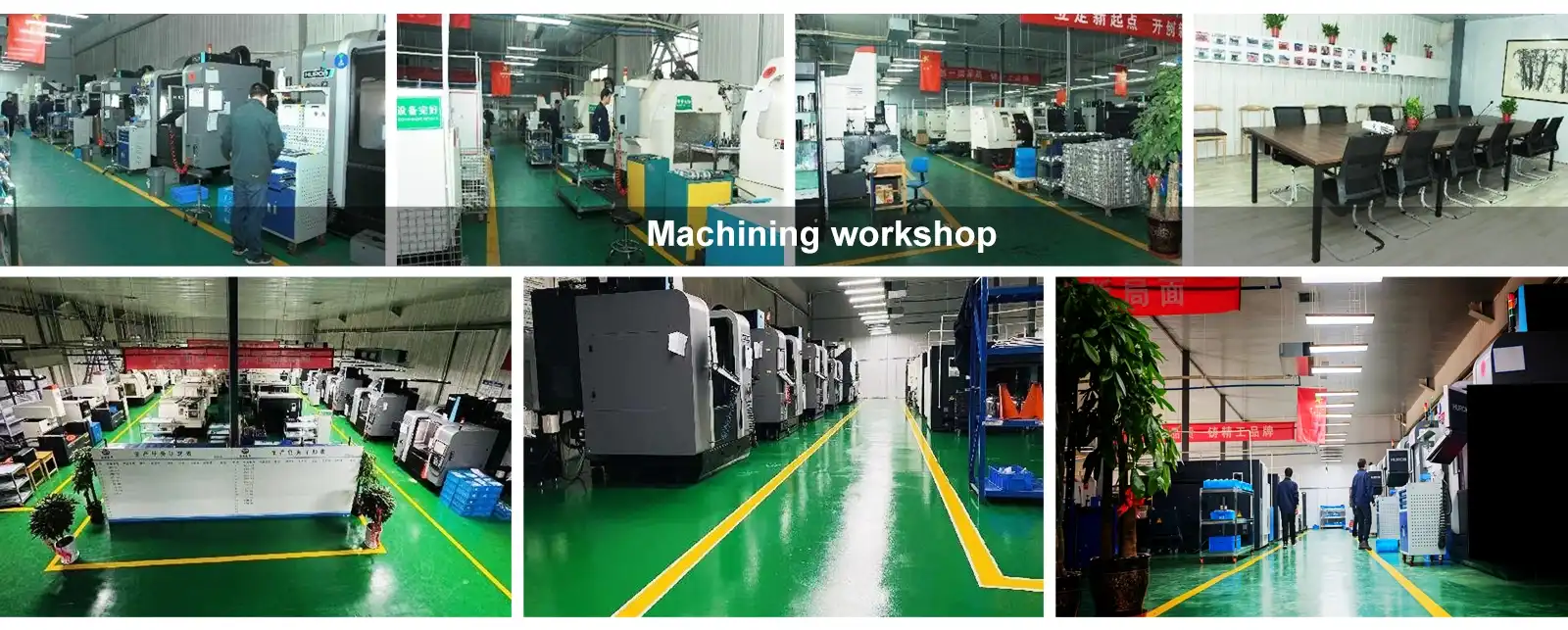
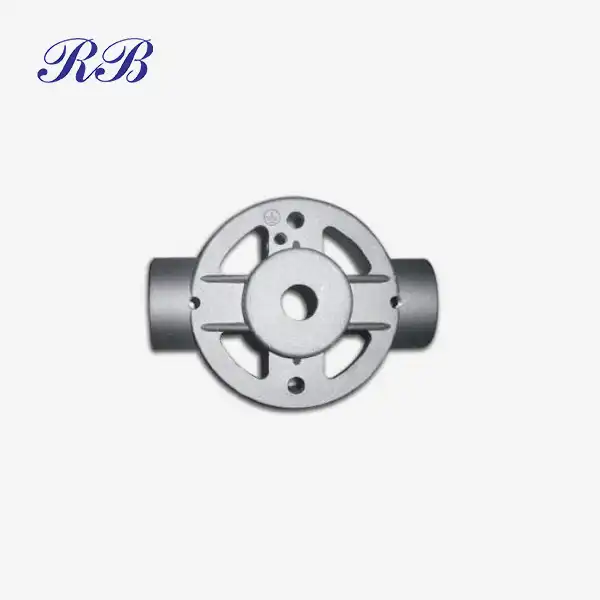
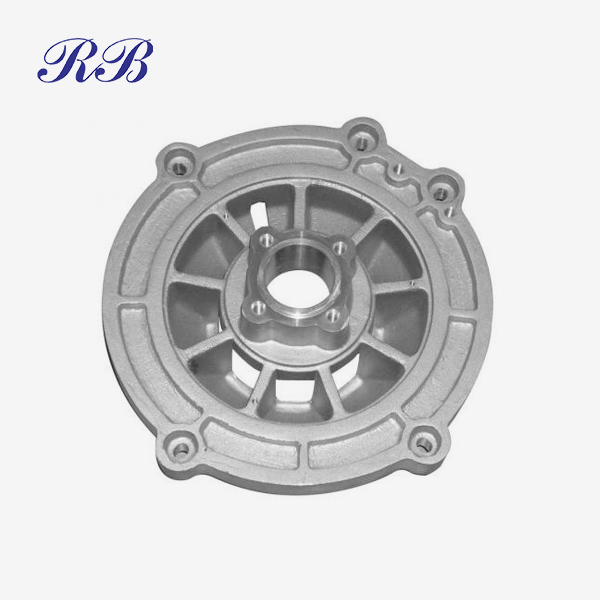
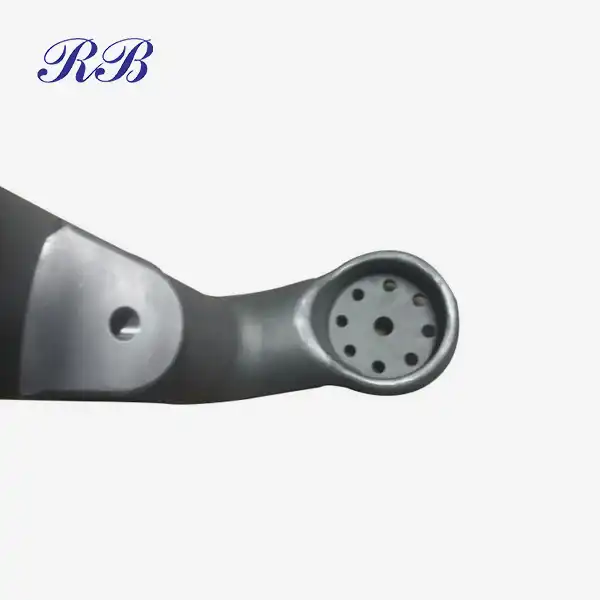
Our rehabilitation robots are the right mix of new ideas and dependability. Each unit is carefully made from high-quality aluminum using modern CNC machining methods, which makes them both strong and light. The electroplated surface treatment not only makes the metal resistant to rust, but it also keeps the medical equipment clean, which is very important.
We are unusual at Rongbao because we are professionals in both medical rehabilitation technology and mechanical machining. We are committed to quality, conserving the environment, and keeping the workplace safe, as shown by our ISO9001:2015, ISO14001, and ISO45001 certifications.
With a production capacity of 500 units and our base in Xi'an, China, we can scale to meet growing demand while maintaining our exacting standards. Each robot is carefully packaged in protective wooden boxes to ensure safe delivery worldwide.
Connect with our team today:
- Zhou Yi: zhouyi@rongbaocasting.com
- Steve Zhou: steve.zhou@263.net
Let's discuss how our rehabilitation robots can transform your patients' recovery experience.
References
- Mehrholz, J., Pohl, M., Platz, T., Kugler, J., & Elsner, B. (2018). Electromechanical and robot-assisted arm training for improving activities of daily living, arm function, and arm muscle strength after stroke. Cochrane Database of Systematic Reviews, 9(9), CD006876.
- Morone, G., Paolucci, S., Cherubini, A., De Angelis, D., Venturiero, V., Coiro, P., & Iosa, M. (2017). Robot-assisted gait training for stroke patients: current state of the art and perspectives of robotics. Neuropsychiatric Disease and Treatment, 13, 1303-1311.
- Veerbeek, J. M., Langbroek-Amersfoort, A. C., van Wegen, E. E., Meskers, C. G., & Kwakkel, G. (2017). Effects of Robot-Assisted Therapy for the Upper Limb After Stroke: A Systematic Review and Meta-analysis. Neurorehabilitation and Neural Repair, 31(2), 107-121.
- Wagner, T. H., Lo, A. C., Peduzzi, P., Bravata, D. M., Huang, G. D., Krebs, H. I., ... & Guarino, P. D. (2011). An economic analysis of robot-assisted therapy for long-term upper-limb impairment after stroke. Stroke, 42(9), 2630-2632.
- Masiero, S., Poli, P., Rosati, G., Zanotto, D., Iosa, M., Paolucci, S., & Morone, G. (2014). The value of robotic systems in stroke rehabilitation. Expert Review of Medical Devices, 11(2), 187-198.

Learn about our latest products and discounts through SMS or email