- English
- French
- German
- Portuguese
- Spanish
- Russian
- Japanese
- Korean
- Arabic
- Greek
- German
- Turkish
- Italian
- Danish
- Romanian
- Indonesian
- Czech
- Afrikaans
- Swedish
- Polish
- Basque
- Catalan
- Esperanto
- Hindi
- Lao
- Albanian
- Amharic
- Armenian
- Azerbaijani
- Belarusian
- Bengali
- Bosnian
- Bulgarian
- Cebuano
- Chichewa
- Corsican
- Croatian
- Dutch
- Estonian
- Filipino
- Finnish
- Frisian
- Galician
- Georgian
- Gujarati
- Haitian
- Hausa
- Hawaiian
- Hebrew
- Hmong
- Hungarian
- Icelandic
- Igbo
- Javanese
- Kannada
- Kazakh
- Khmer
- Kurdish
- Kyrgyz
- Latin
- Latvian
- Lithuanian
- Luxembou..
- Macedonian
- Malagasy
- Malay
- Malayalam
- Maltese
- Maori
- Marathi
- Mongolian
- Burmese
- Nepali
- Norwegian
- Pashto
- Persian
- Punjabi
- Serbian
- Sesotho
- Sinhala
- Slovak
- Slovenian
- Somali
- Samoan
- Scots Gaelic
- Shona
- Sindhi
- Sundanese
- Swahili
- Tajik
- Tamil
- Telugu
- Thai
- Ukrainian
- Urdu
- Uzbek
- Vietnamese
- Welsh
- Xhosa
- Yiddish
- Yoruba
- Zulu
Rectangular Hopper Capacity Calculation
Rectangular hopper capacity calculation determines storage volume using the formula: Volume = Length × Width × Height, making sure to account for the features of the material and how it flows. For the best material handling performance, accurate estimates must take into account discharge angles, bulk density factors, and safety gaps. By knowing these basics, procurement teams can choose the right hopper sizes for industrial uses, ensuring smooth flow of bulk materials and avoiding costly operational problems in factory settings.
This detailed guide talks about how important it is to get the capacity estimates for industrial material handling systems right. Purchasing workers, engineers, and operations managers who want to improve the storage and flow of large materials need to know how much space a hopper can hold. Accurate estimates of capacity help choose the right size of tools, make the process more efficient, and avoid costly mistakes in purchasing that can delay production.
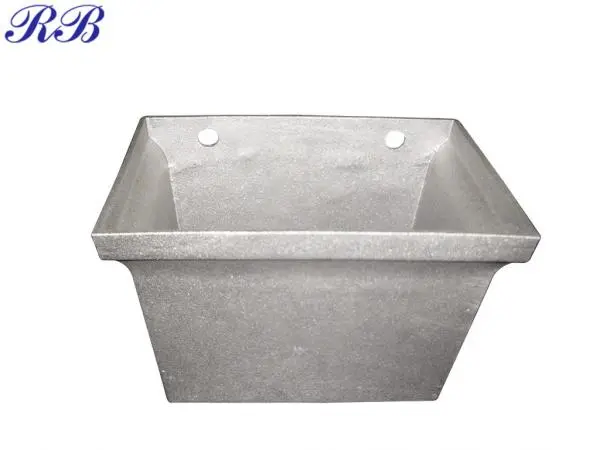
The information in this article helps people make smart decisions in many different industries, from making cars to making building tools. Material handling systems need to be carefully designed to make sure they work well, follow safety rules, and be cost-effective for as long as they are in use. It's especially important to have this basic idea when working with casting, like when making rainwater collection tanks out of A356 aluminum metal using precision casting methods.
Understanding Rectangular Hopper Capacity
Figuring out the size of a rectangular hopper is more complicated than just measuring its internal volume. The actual usefulness depends a lot on planning factors like how the walls slope, where the outlets are placed, and how the water flows. The bulk density and flow behavior of different materials used in industrial settings are very different, which means that material qualities have a big effect on useful capacity.
Key Dimensional Factors
Length, width, and height measurements have a direct effect on volumetric estimates, but these basic measurements need to be changed to work in the real world. Wall width, internal reinforcements, and entry holes all take up space that could be used for storage. By understanding these math issues, you can make accurate predictions about capacity, which is necessary for meeting purchase requirements.
Material Characteristics Impact
Changes in bulk density change how much material fits inside the volumes that were estimated. Flowability factors affect how well a discharge works and how much actual capacity is used. Safety gaps need to take into account things like material compaction, bridging habits, and external factors that change how well storage works over time.
Gross Volume versus Usable Capacity
The difference between theory volume and real capacity is still very important for using rectangular hoppers effectively. Dead zones near outlets, material sticking to walls, and limits on release all lower the useful capacity below the amounts that were estimated. When describing what equipment is needed, procurement teams need to be aware of these realistic limits.
Step-by-Step Rectangular Hopper Capacity Calculation
To get an exact estimate of the capacity, you must first use measured tools made for industrial settings to measure the inside dimensions of the rectangular hopper. Professional measurement methods ensure the accuracy that is needed for requirements for purchases and planning operations. The calculation process is made up of several steps that are done in order, starting with basic math and ending with real-world issues.
Measurement and Data Collection
When measuring internal dimensions, it's important to pay attention to how wall irregularities, support structures, and entry features change the amount of space that can be used. Calibrated measure tools make sure they are accurate enough to meet industry standards, which is needed to make accurate predictions about capacity. Keeping track of all the important measurements helps with later calculations and buying choices.
Geometric Volume Computation
To find the general internal volume, the basic method is to multiply the length, width, and height of the object. To make the basic estimate work for real-world designs, changes are made for things like tapered walls, sloped bottoms, and odd forms. In the real world, these geometry factors are necessary for making correct predictions about capacity.
Effective Capacity Determination
To get from physical volume to functional capacity, you need to take into account things like bulk density, packing efficiency, and safety margins that are specific to the material. These changes make sure that the system works reliably and take into account real issues that affect how well the material is stored and released. The methodical technique helps procurement teams correctly guess how well hoppers will do.
Comparing Rectangular Hopper Capacity with Other Hopper Types
By putting capacity traits into the context of different designs, you can see important performance differences that affect procurement choices. When comparing rectangular hopper configurations to conical or circular ones, rectangular ones are better for volume efficiency and flexibility. Each type of style has its own pros and cons that affect how well it works in different situations.
Volume Efficiency Analysis
When it comes to using space efficiently, rectangular shapes often work better than circular ones when the size is limited. The geometric efficiency is especially useful in situations where the use of space changes the general cost of the system. For manufacturing uses, being able to make the most of current facility layouts to store more things is helpful.
Flow Dynamics Considerations
Different rectangular hopper shapes have very different effects on how materials move through them. To get regular material movement in rectangular shapes, you might need flow aids or special release systems. Knowing about these changes in performance helps procurement workers choose the right solutions for each bulk handling need.

Structural and Manufacturing Advantages
When compared to complicated curved shapes, rectangular structure often makes manufacturing easier and lowers production costs. Because it is modular, it is easy to change things and add or remove capacity to meet operating needs. These things affect estimates of the total cost of ownership that are important for making decisions about buying.
Optimizing Hopper Capacity for Procurement Decisions
To choose the right rectangular hopper size, you need to carefully match the capacity needs with the features of the material and the needs of the process. When buying something, people have to weigh the need for ability against the cost of getting it, all while making sure it works well enough for the purposes it was bought for. When you know how design complexity affects manufacturing prices, you can make better decisions about specifications.
Capacity-Cost Relationship Analysis
Hopper prices are usually based on how complicated the design is, how much material is needed, and how much customization is needed. Larger capacities need proportionally more material and may need more structure support, which raises the total cost. When making budget predictions and negotiating with suppliers, procurement teams do better when they understand these links.
Material Compatibility Considerations
When it comes to designing hoppers and using their full potential, different bulk materials have different needs. For abrasive materials, you might need special wear-resistant surfaces that change the internal measurements and capacity estimates. Corrosive chemicals require the right choice of materials, like A356 aluminum alloy with protective surface processes like shot blasting to make it last longer.
Supplier Partnership Benefits
When you work with experienced OEM providers, you can get access to specialized knowledge and solutions that are made to fit your specific capacity needs. Established providers offer design knowledge, the ability to make things, and quality control methods that are necessary for successful procurement. Manufacturers of rectangular hopper units who have a wide range of skills can offer complete solutions, from the initial planning phase to the delivery of the finished product.
Maintenance, Troubleshooting, and Capacity Retention Tips
For hoppers to keep their full capacity, they need to be inspected and maintained regularly so that the internal volume and release functions stay in good shape. Knowing about common operating problems lets you plan proactive repair that stops capacity loss over time. Maintenance practices that work well increase the life of equipment and keep it performing at a level that is necessary for production efficiency.
Regular Inspection Protocols
Systematic inspection programs should look at patterns of wear, the growth of rust, and the building of materials that can lower the useful capacity. Recording changes in conditions helps with planning forecast maintenance and finds possible issues before they affect operations. Visual checks and measurements are used to make sure that the capacity keeps working.

Common Issues and Solutions
In industrial hopper uses, material clogs are the most common problem that affects capacity. Many common operating problems can be avoided by understanding flow features and using the right discharge tools. Damage to structures from impacts or overloading needs to be fixed right away to keep people safe and keep the structure from losing its capacity.
Capacity Enhancement Strategies
Discharge help systems, such as vibrators, agitators, or pneumatic aids, can make better use of capacity without having to update all the equipment. Surface treatments and internal coats make it easier for materials to flow by reducing how well they stick together. These methods for improvement often offer more cost-effective options than replacing old equipment to increase capacity.
Conclusion
To correctly figure out the size of a rectangular hopper, you need to know both basic geometry and how the hopper works, which affects how materials are stored and moved. When choosing bulk handling equipment, procurement workers do better when they know a lot about different ways to calculate, different design options, and how to keep the equipment in good shape. The methodical approach shown here helps people make smart choices that balance the need for capacity with the need to keep costs low and the goal of operating efficiency. To make sure that the hopper works well for as long as it's used, the specifications must carefully consider the material's features, the needs of the operation, and the supplier's abilities.
Partner with Rongbao Enterprise for Your Rectangular Hopper Manufacturing Needs
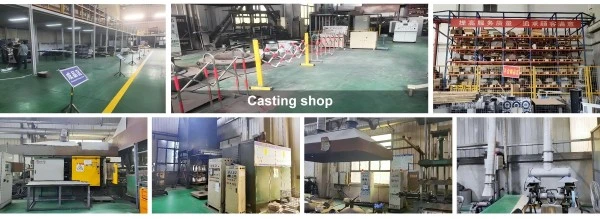
Rongbao Enterprise delivers precision-engineered rectangular hopper solutions tailored to your specific capacity requirements. Our comprehensive manufacturing capabilities include casting, CNC machining, and surface treatment services, ensuring superior quality components for demanding industrial applications. With ISO9001:2015, ISO14001, and ISO45001 certifications, we guarantee consistent quality and regulatory compliance for your procurement needs.
Our experience in making A356 aluminum alloy makes strong, light parts that are great for rectangular hopper uses that need to be resistant to corrosion and have strong structures. Advanced shot blasting surface processes make things last longer while keeping the exact dimensions that are needed for the best potential performance. Contact steve.zhou@263.net or zhouyi@rongbaocasting.com today to discuss your rectangular hopper provider needs and find out how our unique solutions can help you run your material handling business more efficiently.
FAQ
How do you calculate capacity for hoppers with tapered walls?
To figure out the volume of a hopper with a tapered wall, you have to divide it into geometric parts and figure out the volume of each one separately. Taking into account how the cross-sectional area changes along the height line, the total capacity is equal to the sum of the volumes of each part.
What factors affect material flow in rectangular hoppers?
The flow of a material is affected by its mass density, particle size distribution, wetness content, and the way the walls rub against each other. Design of the hopper outlet, wall slope angles, and release aids all have a big effect on how well the flow works and how much capacity is used.
Can hopper capacity be increased without complete replacement?
Some ways to increase capacity are to add flow support systems, change the layout of the outlets, or add release aids. Surface changes on the inside can make it easier for materials to flow, which increases the amount that can be used with the equipment that is already available.
References
- Brown, R.L. & Richards, J.C. (2019). "Principles of Powder Mechanics: Applications in Bulk Solids Handling." Industrial Engineering Press.
- Carson, J.W. & Marinelli, J. (2018). "Characterize Bulk Solids to Ensure Smooth Flow." Chemical Engineering Progress, Vol. 114, No. 8.
- Schulze, D. (2020). "Powders and Bulk Solids: Behavior, Characterization, Storage and Flow." Springer International Publishing.
- Jenike, A.W. & Johanson, J.R. (2017). "Bin Loads - Part 3: Mass-Flow Bins." Journal of Engineering for Industry, American Society of Mechanical Engineers.
- Roberts, A.W. (2019). "Design and Performance Criteria for Bulk Solids Storage and Flow." Bulk Solids Handling International Journal, Vol. 39, No. 2.
- Williams, J.C. & Birks, A.H. (2021). "The Design of Hoppers and Silos for the Flow of Granular Materials." Chemical Engineering Research and Design, Vol. 167.
Learn about our latest products and discounts through SMS or email