- English
- French
- German
- Portuguese
- Spanish
- Russian
- Japanese
- Korean
- Arabic
- Greek
- German
- Turkish
- Italian
- Danish
- Romanian
- Indonesian
- Czech
- Afrikaans
- Swedish
- Polish
- Basque
- Catalan
- Esperanto
- Hindi
- Lao
- Albanian
- Amharic
- Armenian
- Azerbaijani
- Belarusian
- Bengali
- Bosnian
- Bulgarian
- Cebuano
- Chichewa
- Corsican
- Croatian
- Dutch
- Estonian
- Filipino
- Finnish
- Frisian
- Galician
- Georgian
- Gujarati
- Haitian
- Hausa
- Hawaiian
- Hebrew
- Hmong
- Hungarian
- Icelandic
- Igbo
- Javanese
- Kannada
- Kazakh
- Khmer
- Kurdish
- Kyrgyz
- Latin
- Latvian
- Lithuanian
- Luxembou..
- Macedonian
- Malagasy
- Malay
- Malayalam
- Maltese
- Maori
- Marathi
- Mongolian
- Burmese
- Nepali
- Norwegian
- Pashto
- Persian
- Punjabi
- Serbian
- Sesotho
- Sinhala
- Slovak
- Slovenian
- Somali
- Samoan
- Scots Gaelic
- Shona
- Sindhi
- Sundanese
- Swahili
- Tajik
- Tamil
- Telugu
- Thai
- Ukrainian
- Urdu
- Uzbek
- Vietnamese
- Welsh
- Xhosa
- Yiddish
- Yoruba
- Zulu
How to cast brass in sand?
To cast brass in sand casting, you first make a temporary form out of sand around a pattern. Then you pour molten brass into the model. Sand molds made from silica sand mixed with clay fillers are used in this flexible manufacturing method. The design, which is usually made of metal or wood, forms the mold cavity that makes the final brass part. As soon as the molten brass cools and hardens, the sand mold is broken off, showing the final casting that is ready for further work.
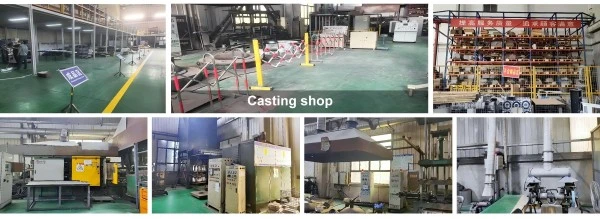
Understanding Brass Sand Casting
Strictly controlled solidification in sand molds turns liquid brass alloys into exact parts. Brass sand casting is one of the oldest methods of making things. This method can handle complicated shapes that would be hard to make with other methods. This makes it especially useful for uses in cars, building equipment, and industrial machinery.
Fundamentals of the Sand Casting Process
Pattern making is the first step in the sand casting process. Skilled workers or automated systems then make exact copies of the metal part that is being cast. These models, which can be made from old-fashioned wood or new 3D-printed resins, decide how accurate the finished casting's dimensions are and how the surface looks. To make the mold hole, the sand mixture, which is usually made up of silica sand, clay binders, and water, forms around the pattern.
Modern foundries use high-tech systems to prepare the sand that make sure the grains are evenly distributed and the permeability is just right. The features of the sand directly affect the quality of the casting. Coarser compositions allow more gas to pass through during the pouring process, while smaller grains make surfaces smoother.
Brass Alloy Selection Considerations
Depending on the needs of the product, different types of brass offer different benefits. 85-5-5-5 brass is a common metal used in marine uses because it resists corrosion very well. 60-40 brass, on the other hand, is better for making fine parts because it is easier to machine. Lead-bearing brasses make it easier to machine, but they need to be made with environmental concerns in mind.
Not only does the choice of material affect function, it also affects how the casting behaves while it hardens. Different metals with more copper have different shrinkage rates and thermal qualities, so the pouring temperatures and gate system designs need to be changed to get the best results.
Step-by-Step Process of Casting Brass in Sand
The process of making brass is organized in a way that makes sure the quality and accuracy of the dimensions are the same from one production run to the next. Knowing about each step helps procurement pros figure out what suppliers can do and set reasonable deadlines.
Pattern Design and Mold Preparation
Pattern creation is one of the most important parts of making metal castings that work. When engineers size models, they have to take into account the fact that brass shrinks at a rate of about 1.5 to 2.0%. This is to make sure that the final casts meet the requirements. Draft angles, which are usually between 1-3 degrees, make it easier to remove patterns without hurting the sand mold.
Making the cope and drag pieces that make up the whole casting space is part of preparing the mold. Skilled molders put the design in the drag section and pack sand around it with controlled pressure to get the right density. The cope section finishes off the mold assembly. Making sure it is aligned correctly during the casting process ensures that the model is accurate in size.

Melting and Pouring Operations
To melt brass, you need to carefully control the temperature, which should be between 1650°F and 1750°F based on the metal. Modern induction furnaces accurately control makeup and temperature, making sure that the qualities of each batch of metal are the same. Operators of furnaces keep an eye on the chemistry of metals by using spectroscopic analysis and making changes in real time to make sure they meet specifications.
To do the filling process correctly, you need trained workers who know how flows and how things solidify. The right design of the gating system controls the flow rates of metal, reducing the noise that could cause flaws. Pouring temperatures need to find a balance between too much heat, which could damage the mold or cause gas-related problems, and too much flexibility to fill the mold completely.
Cooling and Finishing Operations
Controlled cooling stops thermal shock and lowers leftover stresses that could damage the structure of the casting. The rate of cooling depends on how thick the part is. For heavy sections to avoid hot tears or cracks, cooling times need to be longer. Keeping an eye on the temperature during the cooling process makes sure that the finished casting has the best material qualities.
As part of the work that comes after casting, the mold is shaken out so that the sand can separate and show the rough casting. In the next steps, finishing, gating systems are taken off, surfaces are cleaned, and any cutting that needs to be done to meet final standards is done.
Managing Challenges and Defects in Brass Sand Casting
For brass sand casting quality control, it's important to know how common defects happen and take steps to stop them throughout the production process. Systematic quality tracking and good process design go hand in hand for effective flaw management.
Common Defect Types and Root Causes
One of the most common problems in casting brass is porosity, which can happen when there is too much water in the sand molds or not enough degassing during melting. Gas porosity usually shows up as round holes spread out in the casting, while shrinking porosity shows up as bumpy holes in heavy parts where the material isn't fed properly during solidification.
Surface flaws like sand inclusions, metal entry, and rough surfaces are caused by sand characteristics or mold handling methods that are not right. When molten brass runs into sand holes, it makes rough, sandy surfaces that need a lot of work to smooth them out. These surface flaws can be avoided by making sure the sand grains are spread out evenly and the material is strong enough.
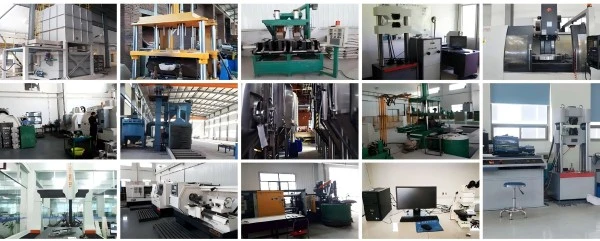
Quality Control Best Practices
Systematic quality control starts with inspecting new materials to make sure that the properties of the sand meet requirements and the chemistry of the brass metal is within acceptable limits. Checking the temperature at key points in the process, checking the mold before filling, and taking regular samples for metallurgical analysis are all part of process tracking.
Some of the most advanced foundries use statistical process control to keep an eye on important measures like measuring the surface finish, making sure the dimensions are correct, and checking the mechanical properties. This method, which is based on data, finds differences in the process before they lead to discarded casts. This keeps quality levels consistent across production runs.
Practical Procurement Insights for Brass Sand Casting
Effective supplier selection and relationship management represent critical success factors in brass casting procurement. Understanding foundry capabilities, certification requirements, and geographic considerations enables strategic sourcing decisions that optimize quality, cost, and delivery performance.
Supplier Evaluation Criteria
The first step in evaluating a foundry is to make sure it has the professional skills needed. This is done by looking at the equipment specs, process controls, and quality systems. ISO 9001 certification is a basic level of quality assurance. Certifications specific to an industry, like IATF 16949 for car uses, show that you can better control the manufacturing process.
When evaluating production capacity, both the current level of use and the ability to grow to support increased output are taken into account. Leading foundries keep their capacity open by making smart investments in equipment and running programs to help their employees grow. This makes sure that they can reliably meet supply needs throughout all market cycles.
Geographic and Logistical Considerations
Regional buying strategies weigh the costs of shipping against the need for wait times and the safety of the supply chain. When you need a lot of something, foreign sources may be cheaper, but domestic sellers make logistics easier and reaction times faster.
Setting clear rules for contact and doing regular reviews of performance helps keep relationships with suppliers healthy. Partnerships work best when people work together to solve problems, improve quality, and make sure that their long-term plans are in sync.

Conclusion
When it comes to cost-effectiveness, design freedom, and production growth, brass sand casting is still one of the most important manufacturing processes used in a wide range of industries. The method can handle complicated shapes while keeping tooling costs low. This makes it ideal for making car parts, machinery parts, and specialized industrial equipment. To be successful in brass casting buying, you need to know the basics of scientific terms, how to control quality, and how to evaluate a supplier's ability to do the job. These days, foundries have high-tech process controls and quality systems that make sure the products are always the same and meet strict industry standards while keeping prices low.
Partner with Rongbao Enterprise for Superior Brass Sand Casting Solutions
Rongbao Enterprise offers excellent brass sand casting services backed by 20 years of production success and quality certifications from around the world. From the first design meeting to the delivery of finished parts, we have all the skills you need to make sure that your project needs are met throughout the entire production process. With ISO 9001, ISO 14001, and ISO 45001 certifications, we keep high quality standards that meet the needs of demanding uses in automobile, construction, and industrial equipment. Our modern manufacturing facilities and skilled technical team make sure that we can meet the shipping needs of both prototype development and high-volume production. Get in touch with steve.zhou@263.net or zhouyi@rongbaocasting.com to talk about your needs for a brass sand casting supplier and find out how our proven skills can help you find the best parts.
FAQ
What brass alloys work best for sand casting applications?
For nautical uses, 85-5-5-5 (naval brass) is a common brass metal for sand casting. C36000 (free-cutting brass) is used for machined parts, and C46400 (naval brass) is used for parts that won't rust. The choice of alloy relies on the mechanical qualities, corrosion protection, and ease of machining needs.
How can companies make brass sand castings with fewer flaws?
Defect avoidance is based on properly preparing the sand, keeping the filling temperature under control, and designing the gating system so that it works best. Porosity and surface flaws can be greatly reduced by keeping the sand's moisture content between 3 and 5 percent, pouring at the right temperatures, and degassing properly.
What are typical lead times for brass sand casting projects?
Depending on the difficulty and amount, standard lead times are between 2 and 6 weeks. Pattern development usually takes one to two weeks, and casting production and finishing take an extra one to four weeks. Orders that need to be filled quickly may be possible with faster timing.
How does sand casting compare to die casting for brass components?
Sand casting offers lower tooling costs and greater design flexibility, making it ideal for prototypes and moderate volumes. Die casting is better for accuracy in measurements and surface finish, but it costs more up front and needs minimum number commitments.
References
- Campbell, J. "Castings Practice: The 10 Rules of Castings." Butterworth-Heinemann, 2004.
- Brown, J.R. "Foseco Non-Ferrous Foundryman's Handbook." Butterworth-Heinemann, 1999.
- American Foundry Society. "Sand Casting Guidelines for Brass and Bronze Alloys." AFS Technical Publication, 2018.
- Beeley, P.R. "Foundry Technology." Butterworth-Heinemann, 2001.
- ASM International. "Casting Volume 15: ASM Handbook." ASM International, 2008.
- Copper Development Association. "Standards Handbook: Cast Copper Alloy Products." CDA Publication A4110-12/12, 2012.


Learn about our latest products and discounts through SMS or email