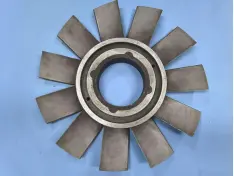
Understanding Prototype Aluminum Casting
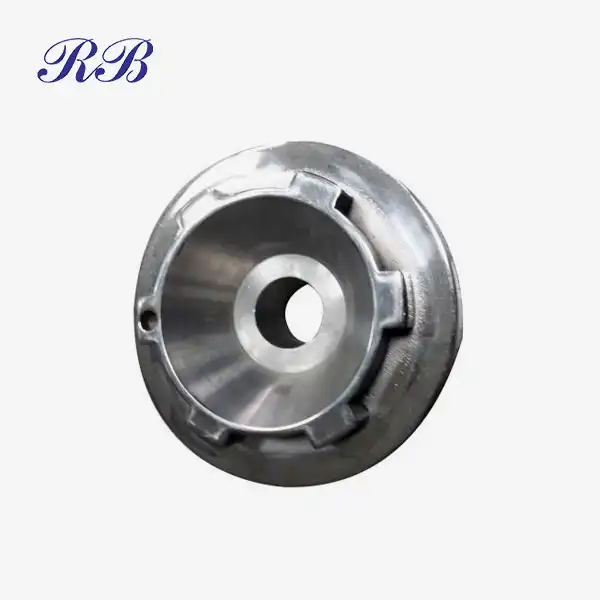
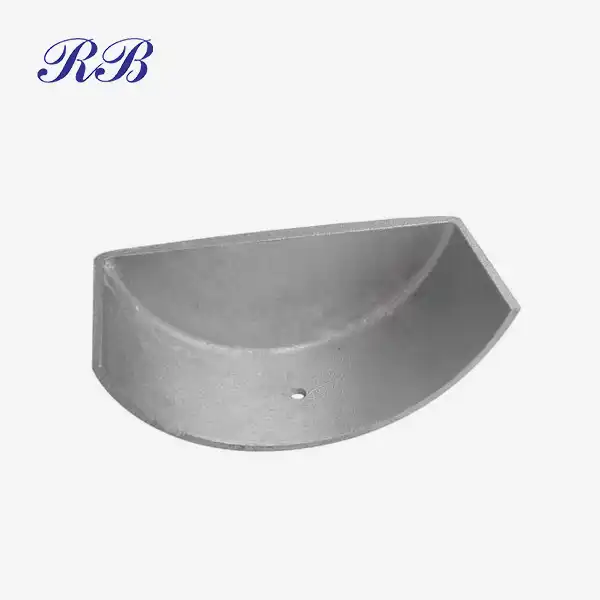
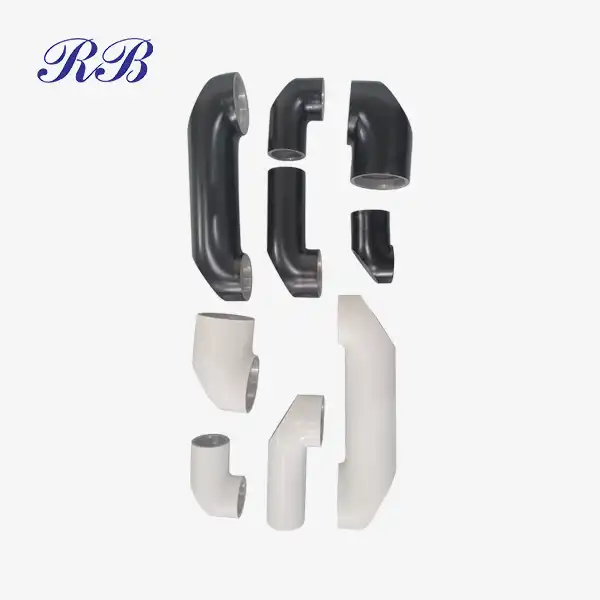
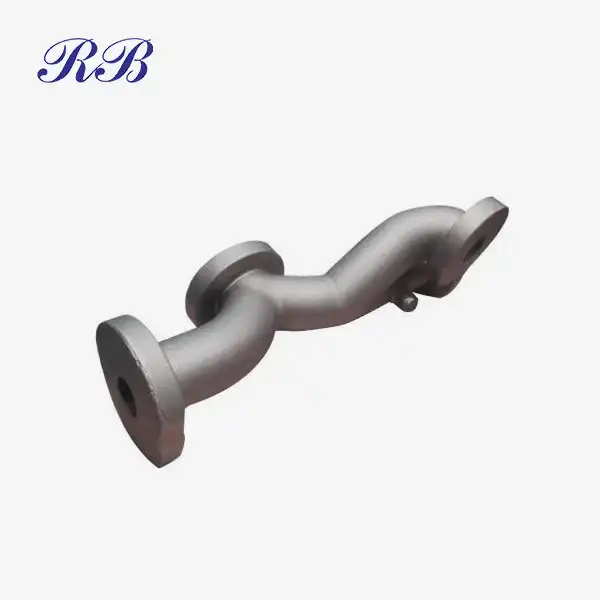
Prototype aluminum casting is a manufacturing technique used to produce preliminary versions of parts or products using aluminum alloys.It is crucial to go through this procedure in order to test ideas for designs, ensure functioning, and find any problems before going into mass production. Aluminium is a great material for prototypes in many different industries because to its low density and high mechanical qualities; they include the automotive, aerospace, and consumer electronics sectors.
Producing intricate shapes that would be next to impossible with other production techniques is a major strength of prototype aluminum casting.Because of this leeway, designers may test out complex designs and features, which in turn drives innovation in product design.
Key Casting Methods for Prototyping
Several casting methods are commonly used in prototype aluminum casting, each with its own set of advantages and applications.Now we'll take a look at a few of the most common methods:
Sand Casting
Sand casting is a very ancient and flexible technique for making molds.It involves creating a mold using compacted sand and pouring molten aluminum into the cavity. This technique is ideal for producing large, complex parts with relatively low setup costs.Prototyping using sand casting is common because of the material's great geometric and size flexibility.
Die Casting
Die casting uses reusable metal molds (dies) to produce parts with high dimensional accuracy and smooth surface finishes. This method is particularly well-suited for high-volume production but can also be used for prototype aluminum casting when quick turnaround times are required. Die casting allows for the creation of thin-walled parts with intricate details, making it ideal for components in the automotive and electronics industrie
Investment Casting
Also known as lost-wax casting, investment casting involves creating a wax pattern of the desired part, coating it with ceramic material, and then melting out the wax to leave a precise mold cavity. Prototypes with intricate geometries, strict tolerances, and flawless surface treatments are best made with this technique. Investment casting is often used in aerospace and medical device prototyping due to its ability to create highly detailed parts.
3D Printed Sand Molds
Combining traditional sand casting with modern 3D printing technology, this method involves creating sand molds using additive manufacturing techniques.Without the requirement for conventional pattern-making, this novel method enables the quick prototyping of complicated components.3D printed sand molds offer greater design freedom and faster turnaround times compared to conventional sand casting methods.

Modern Innovations in Prototyping
To keep up with the ever-changing needs of contemporary product development, new technology and methods are appearing in the realm of prototype aluminum casting.Some notable innovations include:
Rapid Prototyping
Advances in 3D printing and CNC machining have revolutionized the prototyping process. Prototype aluminum casting lead times may be drastically reduced with the use of these technologies, which enable the fabrication of very precise molds or patterns in only a few hours. Rapid prototyping enables designers to iterate quickly and test multiple design variations in a short period.
Simulation and Modeling Software
Sophisticated computer-aided engineering (CAE) software now allows designers to simulate the prototype aluminum casting process virtually.Tools like these may study solidification patterns, adjust gating and riser systems, and anticipate possible faults all before casting a single component.Tools like these may study solidification patterns, adjust gating and riser systems, and anticipate possible faults all before casting a single component. To improve casting quality while reducing the need for physical prototypes, companies are turning to computer simulations.
Advanced Alloy Development
Ongoing research in metallurgy has led to the development of new aluminum alloys specifically tailored for prototyping applications.The potential for prototype aluminum casting is being expanded across numerous sectors by these modern materials, which provide increased mechanical qualities, better castability, and superior surface finishes.

Material Selection
In order to have a successful prototype casting project, it is essential to choose the correct aluminum alloy.Different alloys offer varying mechanical properties, castability, and post-processing characteristics. Some commonly used aluminum alloys for prototyping include:
- A356 (AlSi7Mg): Excellent castability and good mechanical properties, ideal for complex geometries.
- 6061: High strength-to-weight ratio, good corrosion resistance, and excellent machinability.
- 7075: Very high strength and good fatigue resistance, often used in aerospace applications.
- AlSi10Mg: Developed for additive manufacturing, this alloy offers good strength and ductility.
When selecting an alloy for prototype aluminum casting, consider factors such as the part's intended use, required mechanical properties, and any post-processing requirements. Consulting with experienced metallurgists or casting specialists can help ensure the best material choice for your specific prototyping needs.
Prototype Aluminum Casting Supplier: Rongbao Enterprise
When it comes to high-quality prototype aluminum casting services, Rongbao Enterprise is unmatched. Rongbao specializes in producing custom aluminum components and is a frontrunner in the precision and innovation casting industries.Robot shells made of long-lasting A356 alloy using low-pressure casting procedures for accuracy and strength are just one example of the complicated prototypes they can make.
Rongbao Enterprise, founded in 2003, has established itself as a trusted partner for equipment manufacturers worldwide. Their comprehensive services include high-pressure die casting, low-pressure die casting, gravity casting, and precision machining. With certifications in ISO9001:2015, ISO14001, and ISO45001, Rongbao demonstrates a commitment to quality and environmental sustainability.
For inquiries about prototype aluminum casting services or to discuss your specific project requirements, reach out to Rongbao Enterprise at steve.zhou@263.net or zhouyi@rongbaocasting.com. Their team of experts is ready to assist you in bringing your innovative designs to life through state-of-the-art prototype aluminum casting processes.
FAQ
1. What are the main advantages of prototype aluminum casting?
Prototype aluminum casting offers several advantages, including the ability to create complex geometries, cost-effectiveness for small production runs, rapid turnaround times, and the opportunity to test design concepts before full-scale production. Additionally, aluminum's lightweight nature and excellent mechanical properties make it ideal for prototyping across various industries.
2. How does 3D printing technology impact prototype aluminum casting?
3D printing has significantly impacted prototype aluminum casting by enabling the rapid production of patterns and molds. This technology allows for faster iteration cycles, more complex designs, and reduced lead times. 3D printed sand molds, in particular, have revolutionized the traditional sand casting process, offering greater design freedom and quicker turnaround times for prototype parts.
3. What factors should be considered when choosing an aluminum alloy for prototyping?
When selecting an aluminum alloy for prototyping, consider factors such as the part's intended use, required mechanical properties (strength, ductility, corrosion resistance), castability, post-processing requirements, and cost. It's also important to consider the specific casting method being used, as some alloys are better suited for certain processes than others. Consulting with metallurgy experts or experienced casting professionals can help ensure the best alloy selection for your prototype.