- English
- French
- German
- Portuguese
- Spanish
- Russian
- Japanese
- Korean
- Arabic
- Greek
- German
- Turkish
- Italian
- Danish
- Romanian
- Indonesian
- Czech
- Afrikaans
- Swedish
- Polish
- Basque
- Catalan
- Esperanto
- Hindi
- Lao
- Albanian
- Amharic
- Armenian
- Azerbaijani
- Belarusian
- Bengali
- Bosnian
- Bulgarian
- Cebuano
- Chichewa
- Corsican
- Croatian
- Dutch
- Estonian
- Filipino
- Finnish
- Frisian
- Galician
- Georgian
- Gujarati
- Haitian
- Hausa
- Hawaiian
- Hebrew
- Hmong
- Hungarian
- Icelandic
- Igbo
- Javanese
- Kannada
- Kazakh
- Khmer
- Kurdish
- Kyrgyz
- Latin
- Latvian
- Lithuanian
- Luxembou..
- Macedonian
- Malagasy
- Malay
- Malayalam
- Maltese
- Maori
- Marathi
- Mongolian
- Burmese
- Nepali
- Norwegian
- Pashto
- Persian
- Punjabi
- Serbian
- Sesotho
- Sinhala
- Slovak
- Slovenian
- Somali
- Samoan
- Scots Gaelic
- Shona
- Sindhi
- Sundanese
- Swahili
- Tajik
- Tamil
- Telugu
- Thai
- Ukrainian
- Urdu
- Uzbek
- Vietnamese
- Welsh
- Xhosa
- Yiddish
- Yoruba
- Zulu
Production Process of Aluminum Die Casting Motor Housings
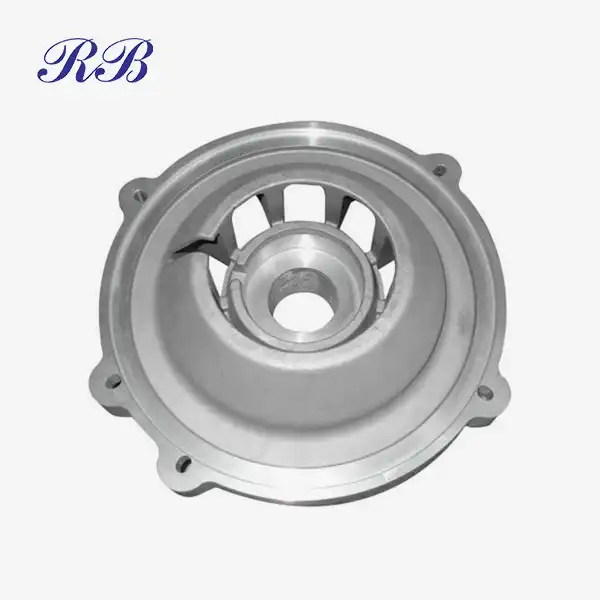
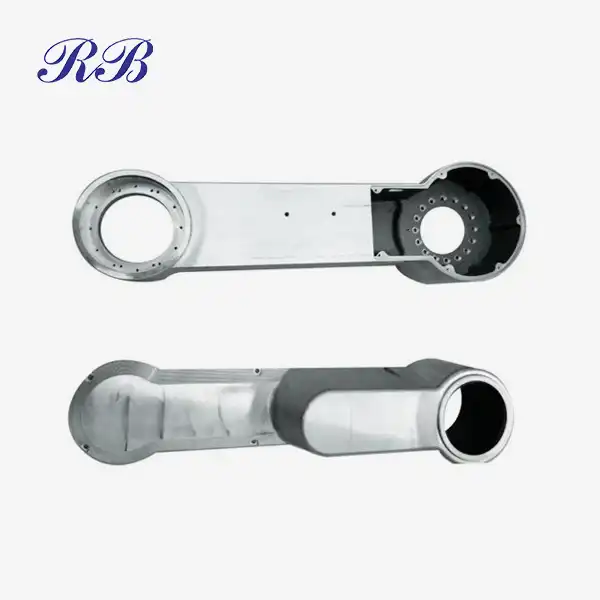
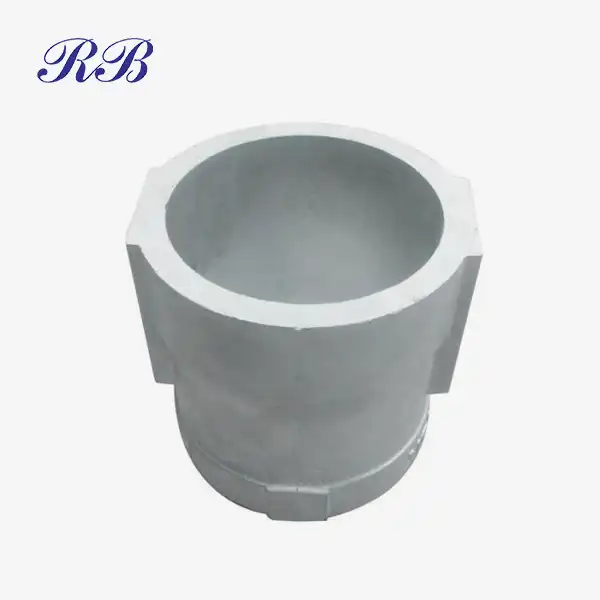
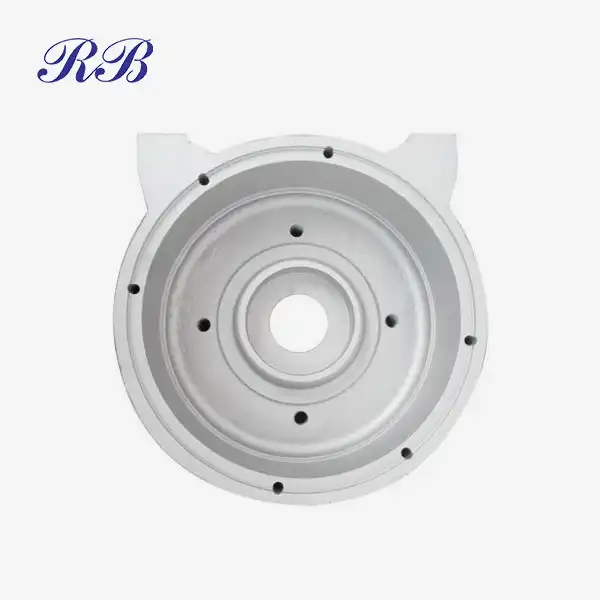
Aluminum die casting motor housings are widely used in automotive, industrial, and household appliance sectors due to their lightweight, high thermal conductivity, and excellent structural integrity. The production process requires precise control of materials, equipment, and parameters to ensure consistent quality. This article details the key stages of manufacturing, from pre-production preparation to post-processing and quality control.
Pre-Production Preparation: Laying the Foundation for Quality Castings
Pre-production preparation is critical to avoiding defects in subsequent casting processes. It involves selecting suitable materials, designing and manufacturing high-precision molds, and conducting preprocessing to eliminate potential risks. Without thorough preparation, even advanced casting equipment cannot produce qualified motor housings.
Selection of Aluminum Alloy Materials
Motor housings require alloys with balanced mechanical properties, thermal conductivity, and castability. The most commonly used alloys are ADC12 (Al-Si-Cu-Mg) and A380 (Al-Si-Cu-Fe). ADC12 offers high tensile strength (≥220 MPa) and good machinability, making it suitable for housings with complex structures. A380 has better thermal conductivity (≥105 W/m·K) and corrosion resistance, which is ideal for motors operating in high-temperature environments. Material purity is strictly controlled—impurities such as Fe (≤1.3%) and Zn (≤1.0%) must be limited to prevent brittle phases and reduce casting defects.
Mold Design and Manufacturing
Molds determine the dimensional accuracy and surface quality of aluminum casing motor housings. The design focuses on three key aspects:
(1) Gating system: A fan-shaped runner is used to ensure uniform flow of molten aluminum, reducing turbulence and air entrapment. The gate size is calculated based on the housing's wall thickness (typically 2-5 mm) to control filling time (0.05-0.2 seconds).
(2) Cooling system: Water channels are arranged around the cavity to maintain a mold temperature of 200-300°C, preventing uneven cooling and shrinkage cracks.
(3) Ejection system: Ejector pins are evenly distributed to avoid deformation during demolding. Molds are made of H13 hot-work tool steel, which undergoes quenching (50-55 HRC) and tempering to ensure wear resistance and thermal fatigue resistance. CNC milling and electrical discharge machining (EDM) are used to achieve a cavity surface roughness of Ra ≤1.6 μm.
Preprocessing of Materials and Molds
Aluminum alloy ingots are preheated to 400-500°C in a homogenization furnace to eliminate internal stress and improve material uniformity. They are then cleaned with alkaline solutions (5-10% NaOH) to remove oil and oxide layers, preventing inclusion defects. Molds are preheated to 150-200°C before production to avoid thermal shock from molten aluminum (650-700°C). A die-release agent (water-based graphite or boron nitride) is sprayed on the cavity surface to reduce friction and facilitate demolding; the coating thickness is controlled at 5-10 μm to avoid affecting surface quality.
Die Casting Process: Parameter Control for Precision Forming
After completing pre-production preparation, the process enters the core die casting phase. This stage relies on cold chamber die casting machines (the most common type for aluminum alloys) and precise parameter control to transform molten aluminum into motor housing blanks. Even minor deviations in parameters (e.g., 10°C in molten metal temperature) can lead to defects such as porosity or underfilling.
Setting of Key Casting Parameters
Four core parameters are strictly monitored:
(1) Molten aluminum temperature: Maintained at 650-700°C. Temperatures above 700°C increase oxidation and shrinkage, while temperatures below 650°C cause poor fluidity and underfilling.
(2) Injection speed: Divided into two stages—low speed (0.5-1.5 m/s) for filling the runner and high speed (2-5 m/s) for filling the cavity—to reduce air entrapment.
(3) Injection pressure: Applied in two phases—boost pressure (30-50 MPa) to ensure full filling and holding pressure (50-80 MPa) to compensate for shrinkage. Holding time is 2-5 seconds, depending on the housing's volume.
(4) Mold temperature: Controlled at 200-300°C using a temperature control unit (TCU); fluctuations are limited to ±10°C to ensure consistent cooling.
Operation of Cold Chamber Die Casting Machines
The process follows a standardized workflow:
(1) Charging: Molten aluminum is poured into the cold chamber (temperature ≤200°C) using a ladle; the ladle capacity is matched to the housing's weight (typically 0.5-2 kg) to avoid excess metal.
(2) Injection: The plunger pushes the molten aluminum into the mold cavity at the set speed and pressure.
(3) Holding and cooling: The mold remains closed for 5-15 seconds to allow the aluminum to solidify.
(4) Demolding: The mold opens, and ejector pins push out the housing blank. (5) Trimming: The blank is transferred to a trimming press to remove the sprue, runner, and flash; this step ensures the housing's outer dimensions meet design requirements (tolerance ±0.1 mm).
Quality Risks and Mitigation in Casting
Common defects in this stage include porosity, shrinkage, and cold shuts. Porosity (caused by air entrapment) is mitigated by optimizing the gating system and using a vacuum system (vacuum level ≤50 mbar) to remove air from the cavity. Shrinkage (due to insufficient holding pressure) is addressed by increasing holding pressure by 5-10 MPa for thick-walled sections. Cold shuts (formed when molten aluminum streams do not fuse) are prevented by raising the molten metal temperature by 10-20°C and increasing the injection speed. Real-time monitoring systems (e.g., pressure sensors and temperature probes) are installed on the machine to alert operators of parameter deviations within 0.5 seconds.

Post-Processing and Quality Control: Ensuring Final Product Reliability
Casting blanks require post-processing to eliminate residual defects and meet functional requirements. Strict quality control is then performed to verify that the housings comply with industry standards (e.g., ISO 8685 for die casting). This stage is critical to ensuring the aluminum casing motor housing's long-term performance in harsh operating conditions (e.g., vibration, high temperature).
Post-Processing Treatments
Three key treatments are conducted:
(1) Deburring: After trimming, residual burrs (≤0.1 mm) are removed using abrasive blasting (alumina grit, 80-120 mesh) or robotic grinding to avoid damage to motor components during assembly.
(2) Heat treatment: The housing is subjected to T6 heat treatment (solution annealing at 520-540°C for 2-3 hours, quenching in water, and aging at 160-180°C for 4-6 hours) to improve tensile strength by 15-20% and reduce internal stress.
(3) Surface treatment: A corrosion-resistant coating is applied—electrophoretic painting (thickness 15-25 μm) is commonly used for automotive housings, while anodizing (thickness 10-20 μm) is preferred for industrial motors to enhance wear resistance. The coating undergoes adhesion testing (cross-cut test, grade 0) and salt spray testing (≥500 hours without rust).
Dimensional and Defect Inspection
Dimensional inspection uses a coordinate measuring machine (CMM) with a measurement accuracy of ±0.005 mm. Key dimensions inspected include inner diameter (tolerance ±0.05 mm), mounting hole position (tolerance ±0.1 mm), and flatness of the end face (≤0.1 mm/m). Defect inspection includes:
(1) Visual inspection: Surface defects (scratches, dents) are checked under standard lighting (500-1000 lux); defects larger than 0.5 mm are rejected.
(2) Non-destructive testing (NDT): X-ray inspection (ASTM E186 standard) is used to detect internal porosity (≤2% of cross-sectional area), and ultrasonic testing (frequency 5-10 MHz) is used to identify cracks in thick-walled sections.
(3) Leakage testing: For housings requiring waterproofing, a pressure test (0.5-1.0 MPa air pressure) is conducted; leakage rates must be ≤1×10⁻⁶ Pa·m³/s.
Performance Testing and Compliance Verification
Performance testing ensures the housing meets application requirements:
(1) Thermal conductivity testing: Using a laser flash analyzer, the thermal conductivity of the housing is measured (≥90 W/m·K for ADC12).
(2) Vibration testing: The housing is mounted on a vibration table and subjected to sinusoidal vibration (10-2000 Hz, 5 g acceleration) for 2 hours; no structural damage or dimensional changes are allowed.
(3) Mechanical strength testing: Tensile tests are performed on sample coupons (cut from the housing) to verify tensile strength (≥220 MPa for ADC12) and elongation (≥3%). Finally, the housing is inspected for compliance with industry standards—e.g., IEC 60034 for motor housings and ISO 9001 for quality management.

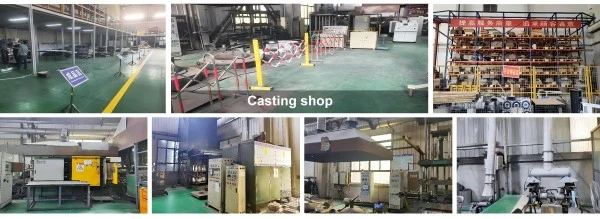
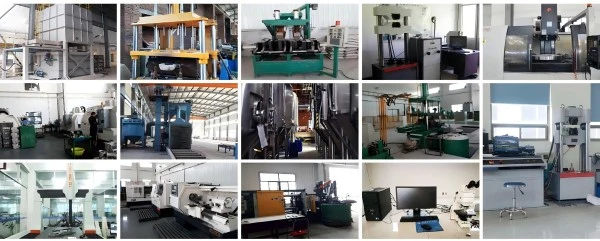
Aluminum Casing Motor Housing Supplier: Rongbao Enterprise
Rongbao Enterprise, founded in 2003, has established itself as a leader in aluminum alloy component solutions. Specializing in high-pressure die casting, low-pressure die casting, and gravity casting, Rongbao offers a comprehensive range of services tailored to meet the exacting needs of equipment manufacturers worldwide.
Key offerings include:
- Custom aluminum motor housings for industrial multi-angle pneumatic cylinders
- Precision CNC machining for optimal component fit and function
- Advanced surface treatments, including shot blastin,g for enhanced durability
- Flexible OEM/ODM options to suit specific project requirements
- Robust production capacity of up to 5000 pieces, ensuring timely delivery
Rongbao's commitment to quality is evident in their ISO certifications, including ISO9001:2015, ISO14001, and ISO45001. This dedication to excellence, combined with their state-of-the-art facilities in Xi'an, China, positions Rongbao as the ideal partner for your motor housing needs.
Contact Rongbao Enterprise today to discuss your project requirements. Reach out to Steve Zhou at steve.zhou@263.net or Zhou Yi at zhouyi@rongbaocasting.com to start your journey towards superior aluminum components.
References
- Campbell, J. (2015). Complete Casting Handbook: Metal Casting Processes, Metallurgy, Techniques and Design. Butterworth-Heinemann.
- Davis, J.R. (Ed.). (1993). Aluminum and Aluminum Alloys. ASM International.
- Kaufman, J.G., & Rooy, E.L. (2004). Aluminum Alloy Castings: Properties, Processes, and Applications. ASM International.
- Street, A.C. (1986). The Diecasting Book. Portcullis Press.
- Andresen, B. (2005). Die Casting Engineering: A Hydraulic, Thermal, and Mechanical Process. CRC Press.
Learn about our latest products and discounts through SMS or email