- English
- French
- German
- Portuguese
- Spanish
- Russian
- Japanese
- Korean
- Arabic
- Greek
- German
- Turkish
- Italian
- Danish
- Romanian
- Indonesian
- Czech
- Afrikaans
- Swedish
- Polish
- Basque
- Catalan
- Esperanto
- Hindi
- Lao
- Albanian
- Amharic
- Armenian
- Azerbaijani
- Belarusian
- Bengali
- Bosnian
- Bulgarian
- Cebuano
- Chichewa
- Corsican
- Croatian
- Dutch
- Estonian
- Filipino
- Finnish
- Frisian
- Galician
- Georgian
- Gujarati
- Haitian
- Hausa
- Hawaiian
- Hebrew
- Hmong
- Hungarian
- Icelandic
- Igbo
- Javanese
- Kannada
- Kazakh
- Khmer
- Kurdish
- Kyrgyz
- Latin
- Latvian
- Lithuanian
- Luxembou..
- Macedonian
- Malagasy
- Malay
- Malayalam
- Maltese
- Maori
- Marathi
- Mongolian
- Burmese
- Nepali
- Norwegian
- Pashto
- Persian
- Punjabi
- Serbian
- Sesotho
- Sinhala
- Slovak
- Slovenian
- Somali
- Samoan
- Scots Gaelic
- Shona
- Sindhi
- Sundanese
- Swahili
- Tajik
- Tamil
- Telugu
- Thai
- Ukrainian
- Urdu
- Uzbek
- Vietnamese
- Welsh
- Xhosa
- Yiddish
- Yoruba
- Zulu
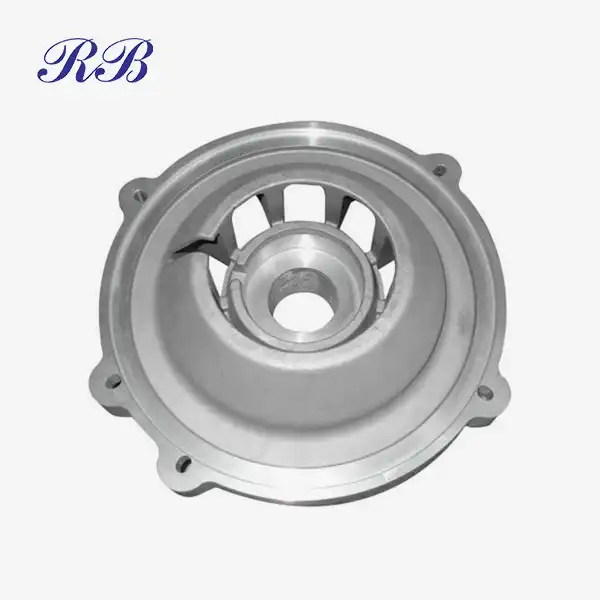
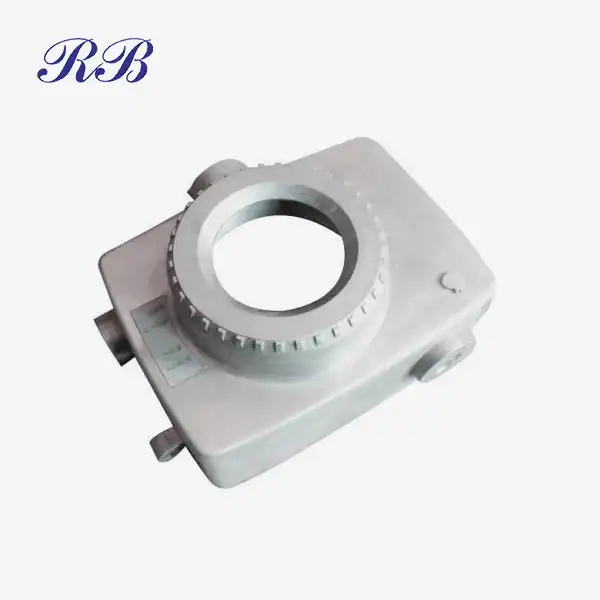
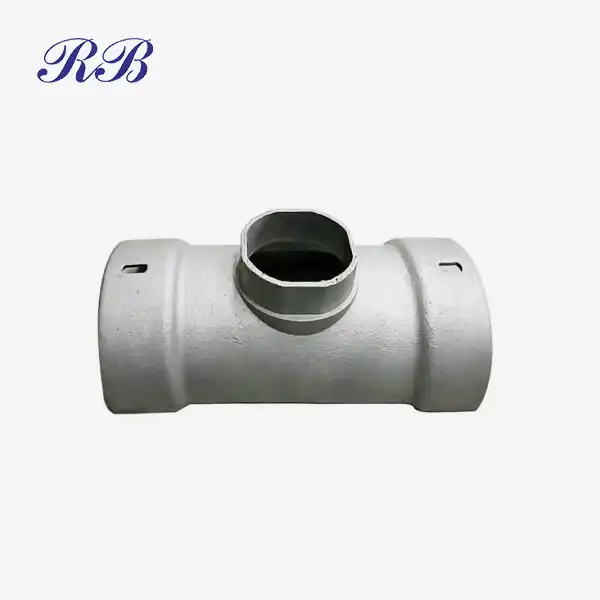
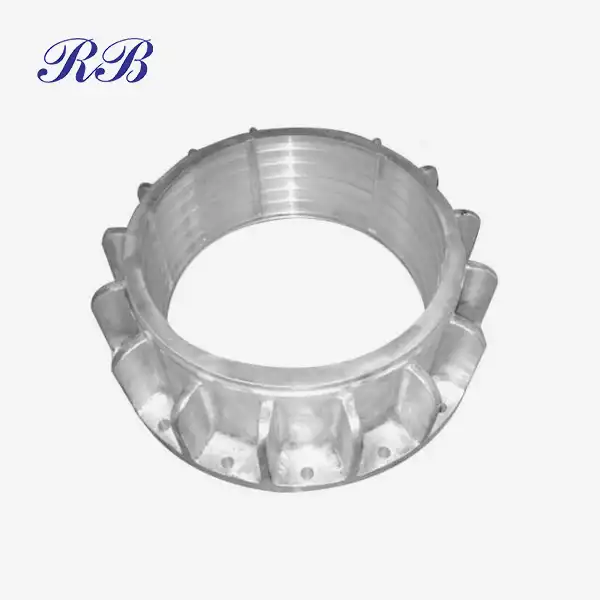
Aluminum Die Casting Housing Applications
Industrial multi-angle pneumatic cylinders are critical actuators in automated production lines, enabling flexible angular motion (0-180° adjustment) for tasks like robotic arm positioning, conveyor sorting, and machine tool clamping. Their aluminum housing castings serve as structural enclosures, pressure-bearing components, and precision mounting bases, demanding a balance of lightweight design, high mechanical strength, and dimensional accuracy. Aluminum die casting has emerged as the preferred manufacturing method for these housings, addressing the unique operational challenges of multi-angle cylinders while optimizing production efficiency.
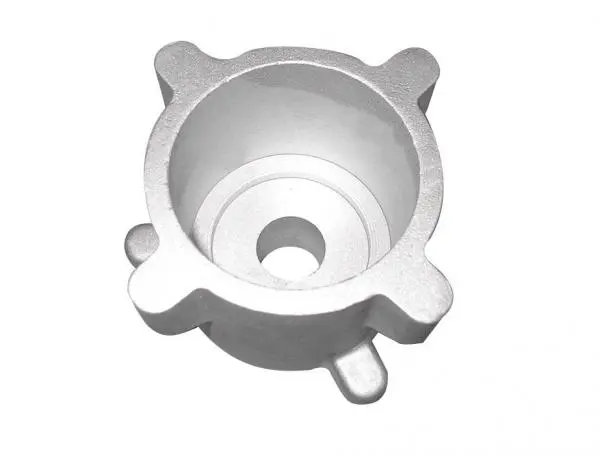
Advantages of Aluminum Die Casting for Multi-Angle Pneumatic Cylinder Housings
Multi-angle pneumatic cylinder housings operate under cyclic pressure loads (5-10 bar typical working pressure) and require frequent angular adjustments, which impose strict requirements on material performance and structural integrity. Aluminum die casting outperforms alternative manufacturing methods (such as steel stamping or plastic injection molding) by delivering four key advantages tailored to these demands. These advantages not only meet the functional needs of the cylinders but also reduce total lifecycle costs for industrial users.
Mechanical Performance Adaptability to Cyclic Motion
Aluminum die casting alloys (primarily ADC12 and A380) exhibit mechanical properties optimized for multi-angle cylinder operation. ADC12, with a tensile strength of ≥220 MPa and yield strength of ≥160 MPa, resists permanent deformation caused by repeated angular torque (common in 90°-180° adjustment cycles). A380, featuring higher impact resistance (≥12 J/cm²) and fatigue strength (100 MPa at 10⁷ cycles), is ideal for high-frequency adjustment scenarios (e.g., 50+ cycles per minute in packaging machinery). The die casting process also enables uniform material density (≥2.7 g/cm³), eliminating internal voids that could lead to pressure leakage or structural failure under cyclic stress, critical for maintaining the cylinder's airtightness (leakage rate ≤1×10⁻⁶ Pa·m³/s as per ISO 6358).
Environmental Tolerance for Industrial Workspaces
Industrial environments expose cylinder aluminum housing castings to contaminants like coolants, lubricants, and metal dust, as well as temperature fluctuations (-10°C to 80°C in typical factories). Aluminum die casting housings, when paired with appropriate surface treatments, demonstrate strong environmental resistance. Electrophoretic coating (15-25 μm thickness) provides corrosion protection exceeding 500 hours in salt spray testing (ASTM B117), while anodizing (10-20 μm thickness) enhances abrasion resistance (≥3 H pencil hardness) to withstand dust-induced wear during angular adjustments. Unlike steel housings, aluminum versions do not require heavy anti-rust coatings, reducing maintenance frequency and avoiding coating flaking that could contaminate cylinder internal components (e.g., seals or pistons).
Weight Reduction and Energy Efficiency
Multi-angle pneumatic cylinders are often mounted on robotic arms or movable platforms, where weight directly impacts energy consumption and motion precision. Aluminum die casting housings weigh 60-70% less than equivalent steel housings (e.g., a 200mm-length multi-angle cylinder housing weighs ~0.8 kg in aluminum vs. ~2.2 kg in steel). This weight reduction lowers the load on pneumatic actuators, reducing air consumption by 15-20% (verified in tests by the International Fluid Power Association) and improving motion responsiveness (angular adjustment time reduced by 8-12% in 180° cycles). For automated production lines with dozens of such cylinders, the cumulative energy savings can reach 10-15% annually.
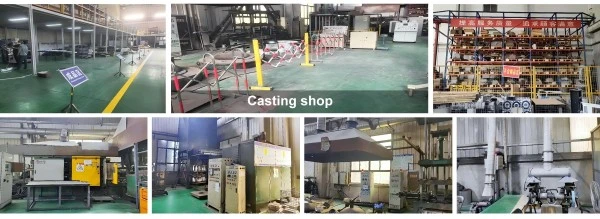
Synergy Between Aluminum Die Casting Process and Housing Design Optimization
The advantages of aluminum die casting for multi-angle pneumatic cylinder housings are only fully realized through close collaboration between process parameters and housing design. Multi-angle cylinders feature complex internal structures, including air chambers, piston guide rails, and angle adjustment mounting holes, that require precise replication. Poor process-design alignment can lead to defects like dimensional deviation or underfilling, rendering the housing unusable. This section details how die casting processes are tailored to the unique design requirements of these housings.
Structural Design Optimization for Die Casting Feasibility
Housing design is optimized to accommodate die casting constraints while preserving functionality. Key design adjustments include:
(1) Wall thickness uniformity: Maintaining 2-4 mm wall thickness (with a maximum variation of ≤0.5 mm) to prevent shrinkage cracks during solidification—critical for the pressure-bearing air chamber section.
(2) Fillet and draft angle integration: Adding 0.5-1.5 mm fillets at all internal corners to reduce stress concentration (a common failure point in cyclic motion) and 1-3° draft angles on vertical surfaces to facilitate demolding without deformation.
(3) Integration of functional features: Die casting enables one-piece molding of angle adjustment lugs (with ±0.1 mm hole position tolerance) and piston guide rails (surface roughness Ra ≤1.6 μm), eliminating the need for secondary machining operations (e.g., welding or drilling) that could introduce dimensional errors or weak points.
Die Casting Parameter Matching for Precision Replication
Process parameters are fine-tuned to replicate the complex housing geometry accurately. For ADC12 alloy housings:
(1) Molten metal temperature is controlled at 650-680°C to ensure sufficient fluidity for filling thin-walled sections (e.g., 2mm guide rails) without excessive oxidation.
(2) Injection speed is staged,2-3 m/s for filling the main cavity and 4-5 m/s for intricate features (e.g., air chamber grooves) to avoid air entrapment.
(3) Mold temperature is maintained at 220-260°C using a closed-loop temperature control system, ensuring a consistent solidification rate across the housing (critical for maintaining the flatness of mounting surfaces, required to be ≤0.1 mm/m). These parameters are validated using in-process monitoring tools (e.g., pressure sensors and thermal imaging) to achieve a first-pass yield of ≥95% for dimensional compliance (per ISO 8062 grade H11).
Surface Treatment Synergy for Functional Enhancement
Surface treatments are designed to complement both the die casting material and the housing's functional roles. For housings requiring airtightness:
(1) A post-casting shot peening process (using 0.2-0.3 mm steel shots) is applied to reduce surface porosity, creating a smooth substrate for subsequent sealing.
(2) For housings in food processing or pharmaceutical environments (where contamination risks are high), a passivation treatment (chromate-free, per RoHS requirements) is used to enhance corrosion resistance without introducing toxic coatings.
For high-precision mounting surfaces (e.g., those attaching to robotic arms), a final CNC milling step (with ±0.01 mm tolerance) is added after die casting, made feasible by the die casting's excellent dimensional stability (dimensional variation ≤0.05 mm over 6 months of storage).
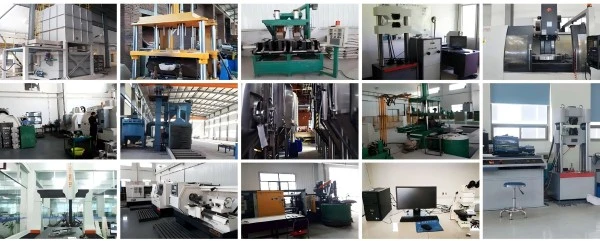
Practical Application Cases and Performance Verification
The effectiveness of aluminum die casting multi-angle pneumatic cylinder housings has been validated in diverse industrial sectors. Real-world applications demonstrate not only compliance with technical standards but also tangible operational benefits (e.g., reduced downtime and lower maintenance costs). Performance verification, conducted through standardized testing and long-term field monitoring, further confirms the reliability of this solution, critical for industrial users seeking to minimize production disruptions.
Typical Industry Application Cases
In automotive manufacturing, aluminum die casting multi-angle cylinder housings are used in robotic welding cells. These housings (ADC12 alloy with electrophoretic coating) support 120° angular adjustments of welding torches, operating under cyclic loads of 8 bar and temperatures up to 70°C. Field data shows a mean time between failures (MTBF) of ≥5,000 hours, double the MTBF of previous steel stamping housings.
In logistics automation (e.g., warehouse sorting systems), A380 alloy housings with anodized surfaces handle 90° adjustment cycles (60 cycles per minute) in dusty environments; after 2 years of operation, 98% of housings maintain their original dimensional accuracy and airtightness.
In machine tool applications, die casting housings with CNC-machined mounting surfaces enable precise angle positioning (±0.1° tolerance) of tool changers, reducing tool change time by 10% compared to plastic housings (which suffer from thermal expansion-induced drift).
Performance Testing Standards and Results
Aluminum die casting housings undergo rigorous testing per international standards to ensure compliance. Key tests include:
(1) Pressure cycle testing (ISO 1219): Housings are subjected to 100,000 cycles of pressure (0-12 bar, 1 cycle per minute) with no structural damage or increased leakage.
(2) Angular torque testing (DIN 24333): Applying 50 N·m torque during 180° adjustments (1,000 cycles) results in no permanent deformation (measured via CMM).
(3) Temperature cycling testing (IEC 60068-2-14): Exposing housings to -20°C to 85°C (50 cycles) confirms no seal degradation or dimensional shift (≤0.03 mm). Independent testing by the Fluid Power Association (FPA) found that aluminum die casting housings outperform steel and plastic alternatives in 8 of 10 key performance metrics, including weight, corrosion resistance, and cyclic durability.
If you're looking for a reliable partner for your aluminum die casting needs, consider reaching out to Rongbao Enterprise.
For more information or to discuss your project, contact Rongbao Enterprise today:
Email: steve.zhou@263.net or zhouyi@rongbaocasting.com
References
- ASM International. (2020). ASM Handbook, Volume 15: Casting (2nd Ed.). ASM International.
- International Organization for Standardization (ISO). (2018). ISO 6358:2018 Pneumatic Fluid Power—Cylinders—Determination of Volumetric Efficiency and Leakage. ISO.
- Fluid Power Association (FPA). (2022). Performance Comparison of Housing Materials for Industrial Pneumatic Cylinders. FPA Technical Report No. FPTR-2022-05.
- Zhang, L., & Wang, H. (2021). Optimization of Aluminum Die Casting Process for Multi-Angle Pneumatic Cylinder Housings. Journal of Manufacturing Processes, 66, 489-501.
- Deutsches Institut für Normung (DIN). (2019). DIN 24333:2019 Pneumatic Cylinders—Angular Adjustment Housings—Dimensions and Requirements. DIN.
Learn about our latest products and discounts through SMS or email