- English
- French
- German
- Portuguese
- Spanish
- Russian
- Japanese
- Korean
- Arabic
- Greek
- German
- Turkish
- Italian
- Danish
- Romanian
- Indonesian
- Czech
- Afrikaans
- Swedish
- Polish
- Basque
- Catalan
- Esperanto
- Hindi
- Lao
- Albanian
- Amharic
- Armenian
- Azerbaijani
- Belarusian
- Bengali
- Bosnian
- Bulgarian
- Cebuano
- Chichewa
- Corsican
- Croatian
- Dutch
- Estonian
- Filipino
- Finnish
- Frisian
- Galician
- Georgian
- Gujarati
- Haitian
- Hausa
- Hawaiian
- Hebrew
- Hmong
- Hungarian
- Icelandic
- Igbo
- Javanese
- Kannada
- Kazakh
- Khmer
- Kurdish
- Kyrgyz
- Latin
- Latvian
- Lithuanian
- Luxembou..
- Macedonian
- Malagasy
- Malay
- Malayalam
- Maltese
- Maori
- Marathi
- Mongolian
- Burmese
- Nepali
- Norwegian
- Pashto
- Persian
- Punjabi
- Serbian
- Sesotho
- Sinhala
- Slovak
- Slovenian
- Somali
- Samoan
- Scots Gaelic
- Shona
- Sindhi
- Sundanese
- Swahili
- Tajik
- Tamil
- Telugu
- Thai
- Ukrainian
- Urdu
- Uzbek
- Vietnamese
- Welsh
- Xhosa
- Yiddish
- Yoruba
- Zulu
Understanding Flow Dynamics in Cast Elbow Pipe Systems
Understanding flow dynamics in cast elbow pipe systems represents a critical engineering challenge. This challenge directly impacts industrial efficiency. It also heavily influences operational costs. These specialized components redirect fluid flow through predetermined angles. Simultaneously, they must manage pressure differentials. They also handle velocity changes and turbulence patterns. Modern industrial applications demand precise flow control. This precision optimizes system performance. Furthermore, it reduces energy consumption. Ultimately, it extends equipment lifespan across diverse sectors.
Introduction to Cast Elbow Pipes and Flow Dynamics
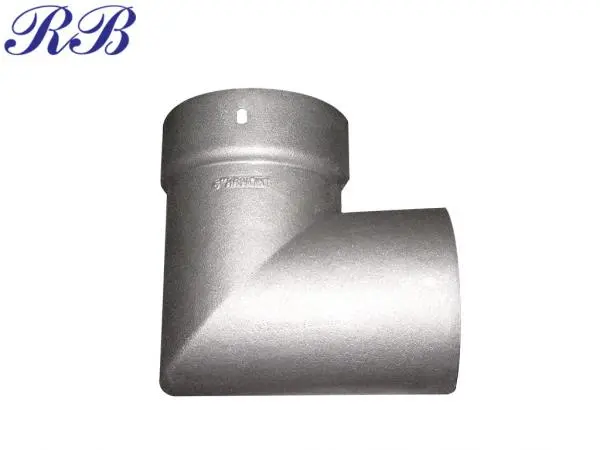
Cast elbow pipe fittings serve as essential directional components. They are vital within complex piping networks. They facilitate smooth fluid transitions through angular pathways. These engineered fittings enable system designers to navigate spatial constraints. Additionally, they maintain optimal flow characteristics throughout industrial installations.
The fundamental functionality of elbow fittings is crucial. It centers on their ability to redirect fluid streams. Ideally, this occurs without creating excessive turbulence. It also prevents significant pressure losses. Modern manufacturing techniques play a key role here. Specifically, sand casting processes allow for precise dimensional control. They also ensure consistent wall thickness distribution. This manufacturing approach proves especially valuable. It is critical for water drop channel applications. In these scenarios, reliable flow redirection becomes paramount.
Common Geometric Configurations
Industrial applications typically employ two primary angular configurations. These are the 90-degree and 45-degree elbows. Each serves a distinct purpose. The 90-degree variant provides complete directional changes. Therefore, it is ideal for vertical-to-horizontal transitions. These are common in water management systems. Conversely, 45-degree elbows offer gentler flow redirection. Consequently, they reduce turbulence. They do this while maintaining adequate directional control.
Flow dynamics within these configurations vary significantly. This variation depends on internal geometry. It also depends on surface finish quality. Shot blasting surface treatments are commonly applied during manufacturing. This process creates uniform internal surfaces. As a result, it minimizes friction coefficients. It also promotes laminar flow patterns. This surface preparation directly influences overall system efficiency. Moreover, it reduces long-term maintenance requirements.
Key industries benefit from optimized elbow flow dynamics. These include oil and gas processing. Chemical manufacturing also relies on these components. Water treatment facilities are another major user. Finally, HVAC systems require precise flow control. Each sector presents unique challenges regarding pressure tolerances. They also face corrosion resistance issues. Flow velocity requirements also differ. All these factors influence component selection. They also dictate system design parameters.
Types, Materials, and Dimensions of Cast Elbow Pipes
Selecting appropriate cast elbow pipe configurations requires a comprehensive understanding. One must analyze material properties. Dimensional specifications are equally important. Material selection directly impacts flow characteristics. It also affects durability. Furthermore, it determines compatibility with specific fluid types. Operating conditions also play a major role.
Material Properties and Performance Characteristics
ZL101A aluminum alloy represents an advanced material choice. It is excellent for lightweight applications. Additionally, it requires excellent corrosion resistance. It also offers high thermal conductivity. This specialized alloy demonstrates superior casting properties. Thus, it enables complex geometries. It achieves this while maintaining structural integrity under varying pressure conditions. The material's inherent properties make it particularly suitable. It excels in water drop channel systems. In these systems, weight considerations are vital. Corrosion resistance also proves critical.
Cast iron alternatives provide enhanced strength characteristics. These are necessary for high-pressure applications. In contrast, stainless steel variants offer different benefits. They provide superior chemical resistance for corrosive environments. Each material choice influences flow dynamics. This happens through surface roughness characteristics. Thermal expansion properties also matter. Finally, long-term stability under operational stresses is a factor.
Dimensional Standards and Pressure Classifications
Industry-standard dimensional specifications ensure compatibility. This applies across diverse piping systems. It also maintains predictable flow characteristics. However, custom specifications are available. They accommodate unique application requirements. Manufacturing capabilities support production volumes up to 5,000 pieces per batch. This scalability enables both prototype development. It also supports full-scale production runs.
Weight considerations play crucial roles in installation planning. They also affect structural support requirements. Components weighing approximately 0.56 kilograms provide manageable installation characteristics. At the same time, they maintain adequate structural strength. This suffices for typical operating pressures. CNC machining capabilities ensure precise dimensional tolerances. These tolerances directly impact flow dynamics. They also ensure system compatibility.
Comparing Cast Elbow Pipes with Other Elbow Pipe Types
Understanding comparative advantages between manufacturing methods is essential. It enables informed procurement decisions. These decisions must balance performance requirements with cost considerations. Cast elbow pipe components offer distinct advantages. They often outperform welded, seamless, and forged alternatives in specific applications.
Manufacturing Method Impact on Flow Characteristics
Sand casting processes enable complex internal geometries. These geometries optimize flow patterns. Simultaneously, the process maintains cost-effective production methods. This manufacturing approach provides uniform wall thickness distribution. Furthermore, it eliminates weld seams. Weld seams could otherwise disrupt flow patterns. They can also create stress concentration points.
Welded elbows offer flexibility in sizing. However, they introduce potential weak points. They also introduce internal irregularities. These irregularities may impact flow dynamics negatively. Seamless alternatives provide excellent pressure tolerance. Yet, they often require specialized forming processes. These processes increase production costs. They also limit geometric flexibility.
Performance Trade-offs and Application Suitability
Cast components demonstrate excellent dimensional stability. They also show repeatability across production batches. These are crucial factors for maintaining consistent system performance. The casting process enables the integration of flow-optimizing features. Manufacturers mold these features directly into the component geometry. Consequently, this reduces assembly complexity. It also reduces potential leak points.
Strength characteristics of cast elbow pipe units prove adequate for most industrial applications. Proper material selection ensures compatibility. This covers specific pressure and temperature requirements. Durability metrics compare favorably with alternative manufacturing methods. This is true when engineers employ appropriate materials. Surface treatments also enhance these metrics.
Installation Best Practices and Flow Optimization Techniques
Proper installation techniques significantly influence flow dynamics. They also affect overall system efficiency. Understanding these principles helps maintenance teams. It also assists procurement professionals. They can maximize equipment performance. Additionally, they can minimize operational disruptions.
Installation Guidelines and Common Pitfalls
Optimal installation requires careful attention to alignment. Support structures must be robust. Connection integrity is also vital. Misalignment creates unnecessary stress concentrations. Moreover, it can disrupt flow patterns. This disruption leads to increased pressure losses. It also causes premature wear. Proper support spacing prevents sagging. Sagging could alter internal flow characteristics over time.
Common installation errors occur frequently. These include inadequate preparation of mating surfaces. Improper gasket selection is another issue. Insufficient consideration of thermal expansion effects is also common. These issues can create flow disruptions. They increase maintenance requirements. Ultimately, they reduce overall system efficiency.
Advanced Flow Enhancement Techniques
Surface treatments can go beyond standard shot blasting. These advanced methods further optimize flow characteristics for specific applications. Specialized coatings reduce friction coefficients. They also provide additional corrosion protection. This extends service life in challenging environments. These treatments prove particularly valuable. They are essential in water drop channel applications. In such cases, long-term reliability remains paramount.
Flow conditioners can also help. Internal geometry modifications are another option. These can reduce turbulence and pressure losses in critical applications. Understanding these enhancement options enables procurement professionals. They can specify cast elbow pipe components that provide optimal performance. This ensures success under specific operating conditions.
Procurement Insights: Selecting and Purchasing Cast Elbow Pipes
Strategic procurement approaches balance immediate cost considerations. They also look at long-term value creation. This comes through reliable supplier partnerships. Quality assurance programs are also key. Understanding key procurement factors enables informed decision-making. This supports operational objectives effectively.
Cost Considerations and Supplier Evaluation
Effective procurement strategies consider total cost of ownership. This goes beyond initial purchase prices. Factors include delivery reliability. Quality consistency is also a major factor. Technical support capabilities significantly impact long-term operational costs. Furthermore, minimum order quantity requirements must align with inventory management strategies. They must also fit cash flow considerations.
Supplier certification status provides important quality assurance indicators. ISO9001:2015 certification is vital. ISO14001 and ISO45001 certifications are also important. These demonstrate a commitment to quality management. They also show dedication to environmental responsibility. Workplace safety standards are also verified. These certifications indicate systematic approaches to quality control. They show a drive for continuous improvement. This benefits procurement organizations greatly.
Custom Order Capabilities and Bulk Purchasing Strategies
OEM and ODM capabilities enable customized solutions. These solutions optimize performance for specific applications. Understanding supplier engineering capabilities is crucial. Design support services are also important. This knowledge helps identify the right partners. Capable partners develop tailored solutions. These solutions meet unique operational requirements.
Bulk purchasing strategies must consider storage capabilities. Inventory carrying costs are also a factor. Demand forecasting accuracy is essential. Suppliers offering flexible delivery schedules provide value. Comprehensive packaging solutions add further benefits. For instance, wooden box transportation options reduce logistics complexity. This protects the cast elbow pipe during transit.
About Rongbao Enterprise and Our Cast Elbow Solutions
Rongbao Enterprise stands as a recognized leader. We specialize in precision casting manufacturing. We deliver innovative solutions. These solutions meet demanding industrial flow control requirements. Our comprehensive expertise spans the complete manufacturing process. This ranges from initial design consultation. It extends through final delivery and ongoing support services.
Manufacturing Excellence and Quality Assurance
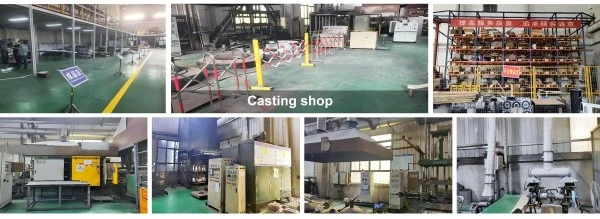
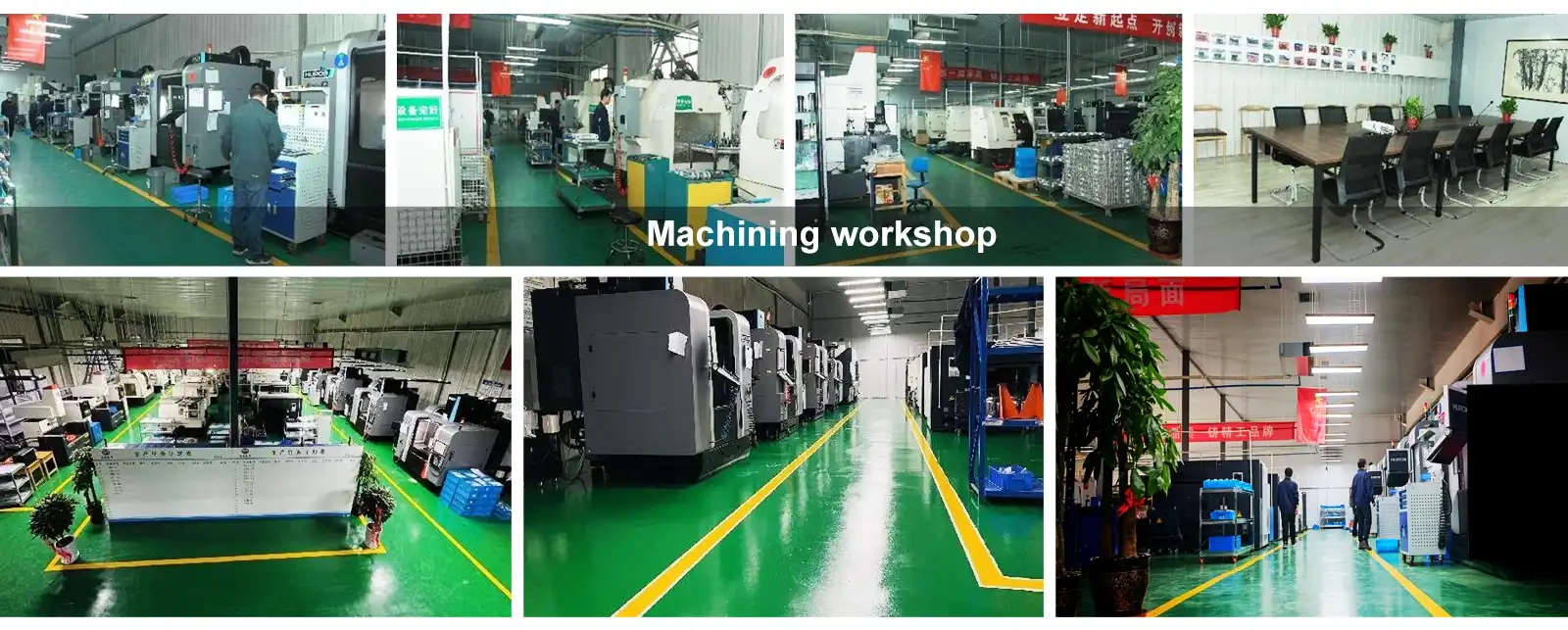
Our advanced manufacturing capabilities are extensive. They encompass high-pressure die casting. We also utilize low-pressure die casting. Gravity casting and precision machining processes are also available. This technological diversity enables optimal manufacturing method selection. We tailor methods for specific component requirements. We also meet precise performance specifications. Sand casting expertise particularly supports complex geometries. These are required for optimized flow characteristics in every cast elbow pipe.
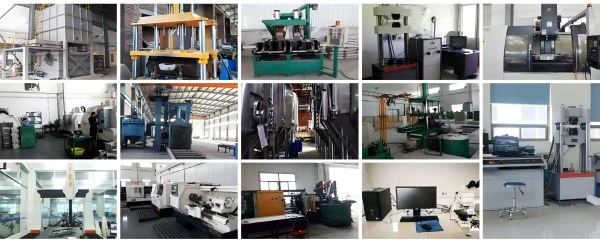
Quality management systems are central to our operation. We are certified to ISO9001:2015, ISO14001, and ISO45001 standards. This ensures consistent product quality. It also supports environmental responsibility. Workplace safety objectives are strictly met. Comprehensive testing capabilities are standard. These include non-destructive testing methods. We verify component integrity. We also check dimensional accuracy throughout production processes.
Customization Capabilities and Global Market Experience
Twenty years of industry experience has enabled growth. We have developed robust engineering capabilities. These support custom component design and optimization. Our technical team collaborates with clients. We develop solutions that address specific flow dynamics challenges. Simultaneously, we meet operational and economic objectives.
Global market exposure is a key strength. 70% of our production serves international markets. We export to European, American, and Japanese markets. This provides a deep understanding of diverse industry requirements. We also understand various quality standards. This international experience enables effective communication. It also facilitates efficient project management across cultural and technical boundaries.
Production capacity supports up to 5,000 pieces per order. This accommodates both prototype development. It also supports full-scale production requirements. Flexible manufacturing scheduling is a benefit we offer. Comprehensive logistics support ensures reliable delivery performance. This supports client operational schedules effectively.
Conclusion
Understanding flow dynamics in cast elbow pipe systems requires comprehensive consideration. One must analyze material properties. Geometric configurations are also important. Installation practices play a vital role as well. Proper component selection significantly impacts long-term operational efficiency. Supplier partnership decisions are equally critical. They also influence maintenance requirements. Modern manufacturing techniques enable precise control. Specifically, advanced sand casting processes allow for superior flow characteristics. They do this while maintaining cost-effective production methods. Strategic procurement approaches provide advantages. Emphasizing quality assurance and technical support creates value. Reliable delivery performance provides sustainable competitive advantages. This is essential in today's demanding industrial environment.
Partner with Rongbao Enterprise for Superior Cast Elbow Pipe Solutions
Rongbao Enterprise invites engineering professionals to explore our capabilities. Procurement professionals are also welcome. We offer advanced cast elbow pipe manufacturing capabilities. These are designed to optimize your flow system performance. Our experienced technical team provides comprehensive support. We assist from initial design consultation through final delivery. We ensure solutions that meet your specific operational requirements. Contact steve.zhou@263.net and zhouyi@rongbaocasting.com.
FAQ
What factors most significantly influence flow dynamics in cast elbow systems?
Internal geometry is a primary factor. Surface finish quality also matters greatly. Additionally, material properties represent a significant influence on flow dynamics. Angular configuration, such as 90-degree versus 45-degree, influences turbulence levels. Furthermore, surface treatments like shot blasting minimize friction coefficients. Proper installation alignment and support also impact long-term flow characteristics.
How do I select appropriate materials for specific applications?
Material selection depends on operating conditions. These include pressure requirements. Fluid compatibility is also a key factor. Environmental factors must also be considered. ZL101A aluminum alloy provides excellent corrosion resistance. It also offers lightweight characteristics for water drop channel applications. Consider thermal expansion properties when evaluating options. Chemical compatibility and structural strength requirements are also vital.
What are typical lead times for custom cast elbow orders?
Lead times vary based on complexity. Order quantities also affect the timeline. Typically, lead times range from 4 to 8 weeks for standard custom configurations. However, complex geometries may require more time. Specialized materials may also require additional time for tooling development. Quality validation adds to this timeline. Early engagement with suppliers enables better planning. It also allows for delivery schedule optimization.
References
- "Fluid Mechanics and Flow Characteristics in Pipe Elbow Systems," Journal of Industrial Engineering Applications, Vol. 45, 2023.
- "Material Selection Guidelines for Cast Pipe Fittings in Industrial Applications," International Casting Technology Review, 2022.
- "Optimization Techniques for Flow Dynamics in Complex Piping Networks," Mechanical Engineering Research Quarterly, Vol. 38, 2023.
- "Quality Management Systems in Precision Casting Manufacturing," Industrial Quality Standards Journal, 2022.
- "Surface Treatment Effects on Flow Performance in Cast Components," Materials Science and Engineering Review, Vol. 29, 2023.
- "Installation Best Practices for Industrial Pipe Elbow Systems," Process Engineering Technology Magazine, 2022.

Learn about our latest products and discounts through SMS or email